Cardiologist Says FDA Is 'Late to the Show' on Teen Vaping Crisis
*By Carlo Versano*
The shocking rise in teen vaping is a public health crisis that the FDA has been slow to address, according to a nationally recognized cardiologist.
Dr. Kevin Campbell, who is also CEO of Pace Mate, a digital cardiac monitoring service, said the [recent study](https://www.cnbc.com/2019/02/11/e-cigarettes-single-handedly-drives-spike-in-teen-tobacco-use-cdc.html) from the CDC that linked vaping to a spike in teen tobacco use shows that more serious steps need to be take. The first step? Get rid of the flavored nicotine "pods," which Campbell said are acting as a gateway for teenage beginner vapers to get hooked on nicotine.
"We don't know the long-term health effects yet," Campbell said. "I can't emphasize that enough."
While popular vape products are unarguably "healthier" than combustible cigarettes, they still involve the delivery of an addictive drug (nicotine), that is known to do damage to the heart and blood vessels. And there is not enough data on the additives and preservatives that go into the pods.
"They may be doing deleterious things to our bodies as well," Campbell said.
One in five American high schoolers now vapes, according to the CDC, which is enough to cause alarm at the FDA. That agency recently announced a crackdown on vaping companies that market to teens, but that's not enough, in Campbell's opinion.
"I think the FDA is a little bit late to the show here," he said. It's going to require a national education program ー think D.A.R.E. for a new era ー that explains the unknowns and risks involved in vaping. "We need to get ahead of it," Campbell said.
For full interview [click here](https://cheddar.com/videos/teen-tobacco-product-use-on-the-rise).
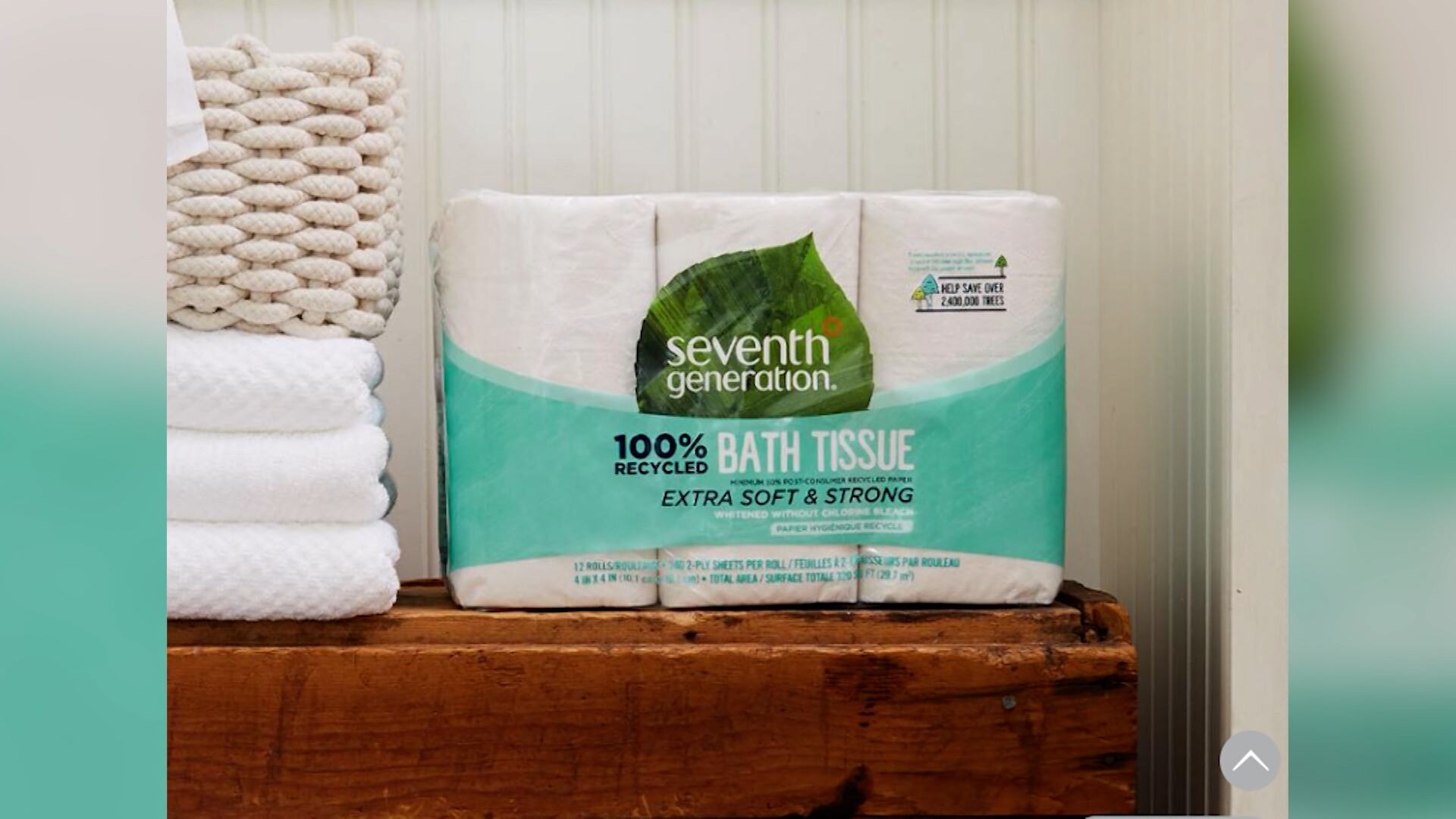
Alison Whritenour, CEO of Seventh Generation, a Unilever brand of home care that focuses on sustainability and green initiatives, joined Cheddar News to talk about the push to put sustainability at the forefront of its product line. "One of the biggest things that we're driving right now is concentration, and so making sure that consumers — while they're re-adapting to their lifestyle post-pandemic and continuing to make choices that suit their home — know that there's a better for you less waste option available," she said about its more highly-concentrated cleaning solutions.
The new Netflix documentary "White Hot: The Rise & Fall of Abercrombie & Fitch" dives into how the once apparel retailer used an exclusionary business model, focusing on the "popular and cool kids," to thrive for years until its discriminatory culture and practices led to a consumer backlash. Anthony Ocampo, a professor of sociology at Cal Poly Pomona and former Abercrombie & Fitch employee, and Ben O’Keefe, a social change activist and head of diversity and impact production at Creator+, discussed the film and the retailer's rebranding in light of many allegations brought against it. "I got a job at Abercrombie & Fitch, and I worked there for a couple of weeks. But then when I went back to that same store after the academic year ended to get my job back, I was told by someone, I'm sorry, we can't rehire you because we already had too many Filipinos working at this store," Ocampo said.
Mark Murrell, founder and CEO of Get Maine Lobster, joins Cheddar News to discuss the launch of the company's NFT, which is inspired by a cotton candy lobster named Haddie.
Brittan Heller, founder of the Center for Digital Civil Rights and a fellow at the Atlantic Council, joins Cheddar News to discuss the rise of sexual assault in the metaverse.
The second-largest stablecoin, USDC, backed by the company Circle recently received a $400 million funding infusion from traditional financial firms like BlackRock and Fidelity even as crypto reels from more high profile heists.
A group of Tesla shareholders suing CEO Elon Musk over some 2018 tweets about taking the company private is asking a federal judge to order Musk to stop commenting on the case.
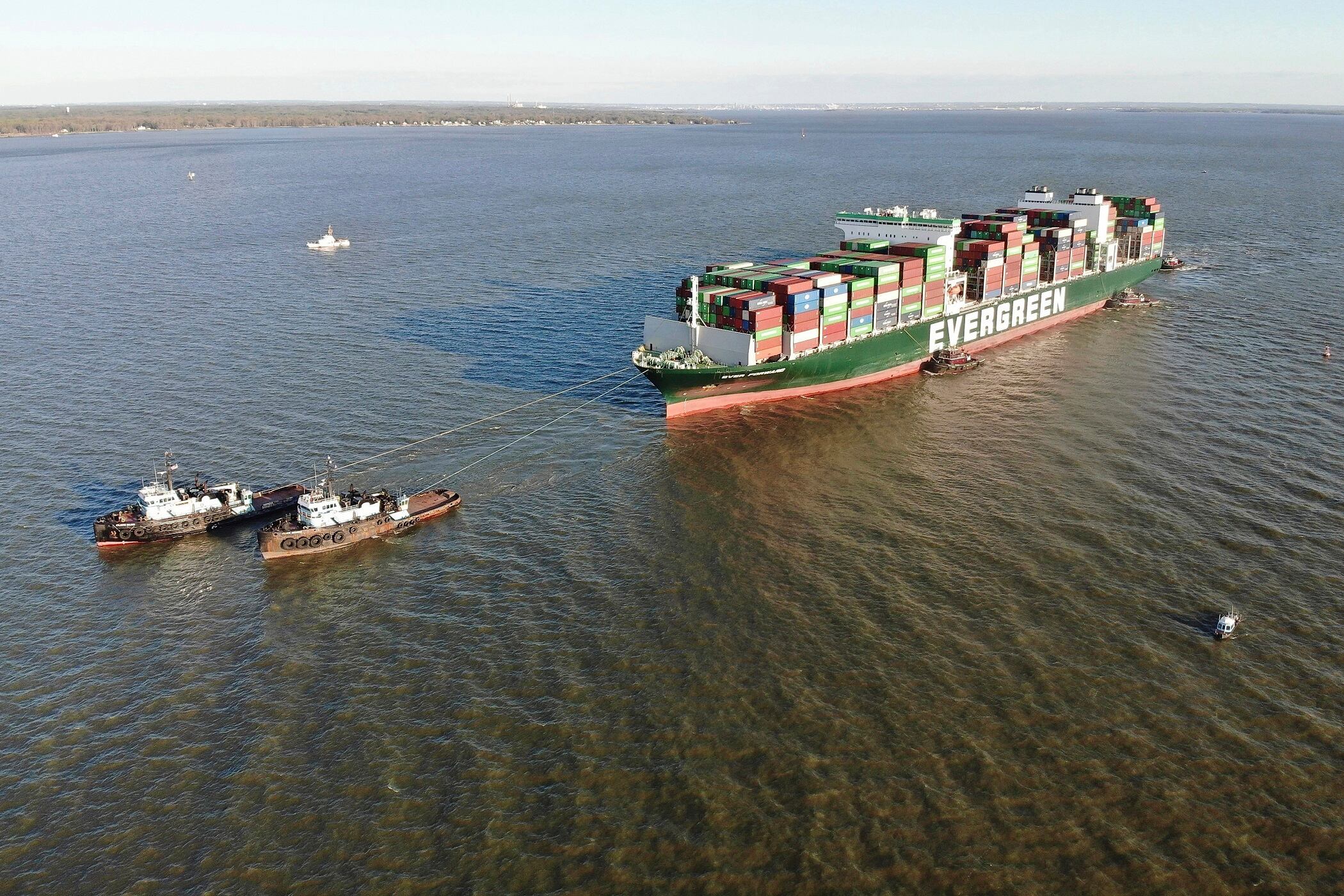
A container ship the length of more than three football fields has finally been pried from the muddy bottom of the Chesapeake Bay more than a month after it ran aground.
Stocks closed slightly lower after a wobbly day of trading Monday as worries about rising interest rates and high inflation keep a lid on Wall Street despite some better-than-expected profit reports from banks.