Cardiologist Says FDA Is 'Late to the Show' on Teen Vaping Crisis
*By Carlo Versano*
The shocking rise in teen vaping is a public health crisis that the FDA has been slow to address, according to a nationally recognized cardiologist.
Dr. Kevin Campbell, who is also CEO of Pace Mate, a digital cardiac monitoring service, said the [recent study](https://www.cnbc.com/2019/02/11/e-cigarettes-single-handedly-drives-spike-in-teen-tobacco-use-cdc.html) from the CDC that linked vaping to a spike in teen tobacco use shows that more serious steps need to be take. The first step? Get rid of the flavored nicotine "pods," which Campbell said are acting as a gateway for teenage beginner vapers to get hooked on nicotine.
"We don't know the long-term health effects yet," Campbell said. "I can't emphasize that enough."
While popular vape products are unarguably "healthier" than combustible cigarettes, they still involve the delivery of an addictive drug (nicotine), that is known to do damage to the heart and blood vessels. And there is not enough data on the additives and preservatives that go into the pods.
"They may be doing deleterious things to our bodies as well," Campbell said.
One in five American high schoolers now vapes, according to the CDC, which is enough to cause alarm at the FDA. That agency recently announced a crackdown on vaping companies that market to teens, but that's not enough, in Campbell's opinion.
"I think the FDA is a little bit late to the show here," he said. It's going to require a national education program ー think D.A.R.E. for a new era ー that explains the unknowns and risks involved in vaping. "We need to get ahead of it," Campbell said.
For full interview [click here](https://cheddar.com/videos/teen-tobacco-product-use-on-the-rise).
David Slotnick, Senior Aviation Business Reporter at The Points Guy joins Cheddar News to discuss how airlines are handling holiday travel amid the recent coronavirus surge.
A new study from a Russian university finds that LEGO sets can be a lucrative investment, rising in value by 11 percent every year, a faster and better rate of return than gold, stocks, bonds, and wine. Victoria Dobrynskaya, associate professor of finance at Higher School of Economics University and author of the research, joined Cheddar to discuss the findings. "In general, most sets tend to appreciate after they're retired, after you cannot find them in LEGO stores," she said. "They tend to appreciate on the secondary market after a couple of years."
Stocks closed lower to end the day Thursday, the second to last trading day of 2021. The Dow snapped a six-day winning streak, and the S&P 500 was weighed down by chip and energy stocks. This all comes as weekly jobless claims fell to a 52-year low to 198,000. Kevin Riley, Managing Partner at Exponential Investment Partners, joins Cheddar News' Closing Bell to discuss today's close, his 2022 market predictions, the state of business in China, and more.
Daniel Newman, Founding Partner and Principal Analyst at Futurum Research, joins Cheddar News' Closing Bell, where he says the markets are going to feel very uncomfortable receiving news of more potential setbacks for chip manufacturers after already enduring a lengthy chip shortage.
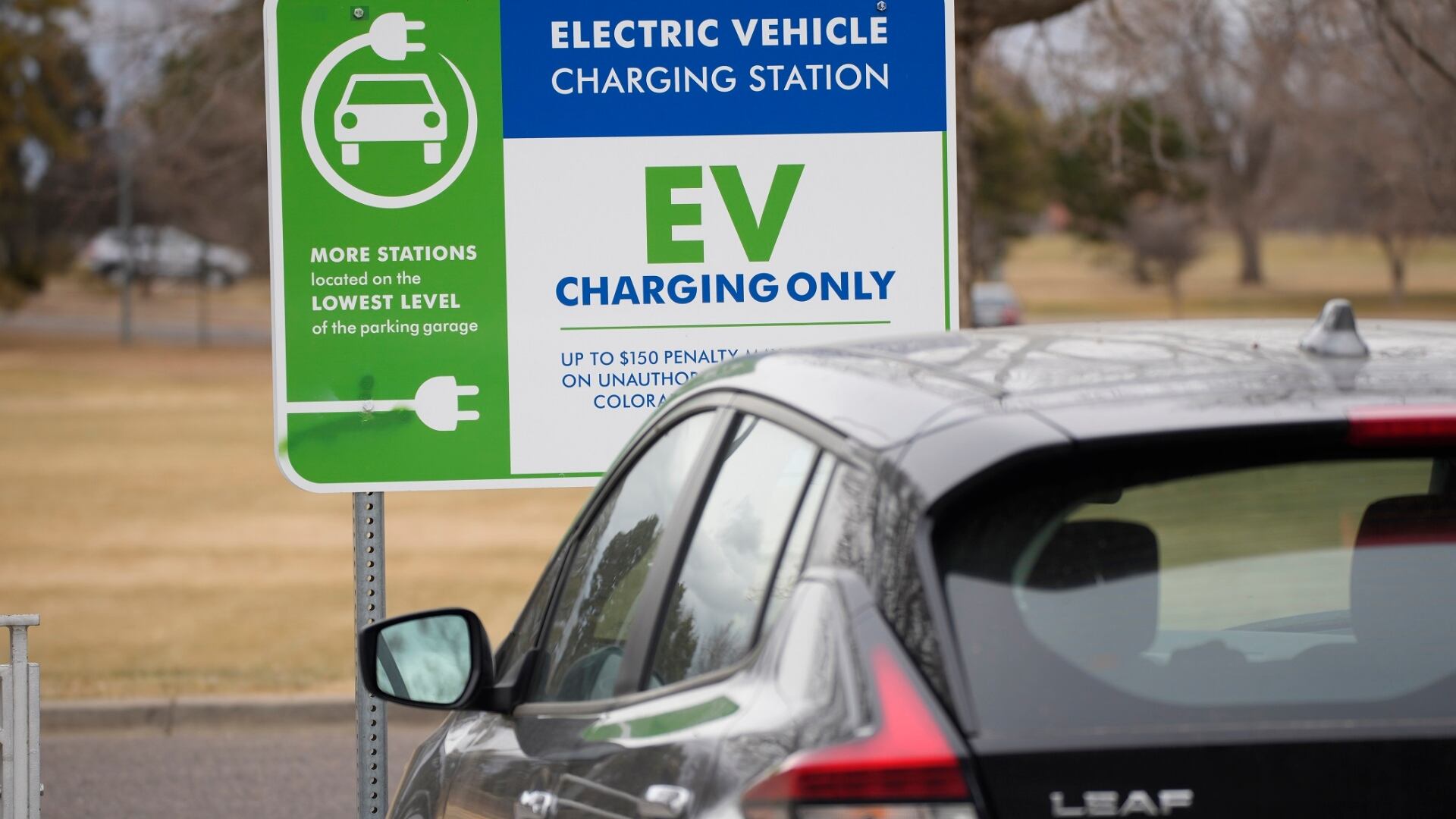
The federal government and numerous industries have been preparing for a greener future, setting goals to reduce greenhouse emissions by switching to electric vehicles. But the next hurdle to clear is convincing the wider public to get on board. Arun Kumar, managing director in automotive practice at AlixPartners, spoke to Cheddar's Ken Buffa about consumer trends related to EV transition and said he believes a widespread switch is imminent in 2022. Despite this, he acknowledged there are still significant obstacles to overcome, including high prices and more charging stations. "Without charging infrastructure, people are going to struggle with increasing adoption of electric vehicles in the future," Kumar told Cheddar. "I think by 2030 our estimate is that about a million chargers need to be put in place nationally in the U.S."