Cardiologist Says FDA Is 'Late to the Show' on Teen Vaping Crisis
*By Carlo Versano*
The shocking rise in teen vaping is a public health crisis that the FDA has been slow to address, according to a nationally recognized cardiologist.
Dr. Kevin Campbell, who is also CEO of Pace Mate, a digital cardiac monitoring service, said the [recent study](https://www.cnbc.com/2019/02/11/e-cigarettes-single-handedly-drives-spike-in-teen-tobacco-use-cdc.html) from the CDC that linked vaping to a spike in teen tobacco use shows that more serious steps need to be take. The first step? Get rid of the flavored nicotine "pods," which Campbell said are acting as a gateway for teenage beginner vapers to get hooked on nicotine.
"We don't know the long-term health effects yet," Campbell said. "I can't emphasize that enough."
While popular vape products are unarguably "healthier" than combustible cigarettes, they still involve the delivery of an addictive drug (nicotine), that is known to do damage to the heart and blood vessels. And there is not enough data on the additives and preservatives that go into the pods.
"They may be doing deleterious things to our bodies as well," Campbell said.
One in five American high schoolers now vapes, according to the CDC, which is enough to cause alarm at the FDA. That agency recently announced a crackdown on vaping companies that market to teens, but that's not enough, in Campbell's opinion.
"I think the FDA is a little bit late to the show here," he said. It's going to require a national education program ー think D.A.R.E. for a new era ー that explains the unknowns and risks involved in vaping. "We need to get ahead of it," Campbell said.
For full interview [click here](https://cheddar.com/videos/teen-tobacco-product-use-on-the-rise).
This year's worldwide semiconductor shortage limited the supply of everything from new cars to smart phones.
Looking ahead, several experts in the chip industry expect the shortage to continue deep into 2022, and maybe even 2023. Syed Alam, Accenture's Global Semiconductor Lead, joined Cheddar Movers to discuss.
The National Highway Traffic Safety Administration is investigating roughly 580,000 Tesla vehicles due to their front touch screen 'passenger play' gaming feature amid concerns over possible distracted driving. The investigation covers Tesla models ranging from the years 2017-2022. Brian Moody, Executive Editor at Autotrader, joined Cheddar Movers for more.
After a two-week delay of 5G deployment at airports due to the airline industry's claims it will cause "catastrophic disruption," AT&T and Verizon are set to roll out the service on January 19. Michael Boyd, CEO of aviation consultancy Boyd Group International, joined Cheddar to discuss the concerns being voiced by the airlines. "If the airline industry thinks it's going to be something to disrupt our system or impair safety, it shouldn't roll out at all, period," Boyd said, noting that the telecom giants should rethink the activation over safety and security.
A recent study by MSI uncovers a vast racial divide in influencer marketing. The research found a 35% racial pay gap between white and black influencers. This gap is extremely wider than the gap in other industries such as education, business, and finance. The research also suggests that brands and agencies have the power to close this gap. Tiffany Hardin, founder and CEO of Gild Creative Group, joins Cheddar News to discuss.
Breakthrough Energy Catalyst, a private-public fund backed by Bill Gates, is planning to invest up to $15 billion in clean technology initiatives across the U.S., UK, and European Union. It will target four key areas and help fund large projects that otherwise would not be financially possible. Bobby Hollis, Director of Breakthrough Energy Catalyst, joins Cheddar News' Closing Bell to discuss.
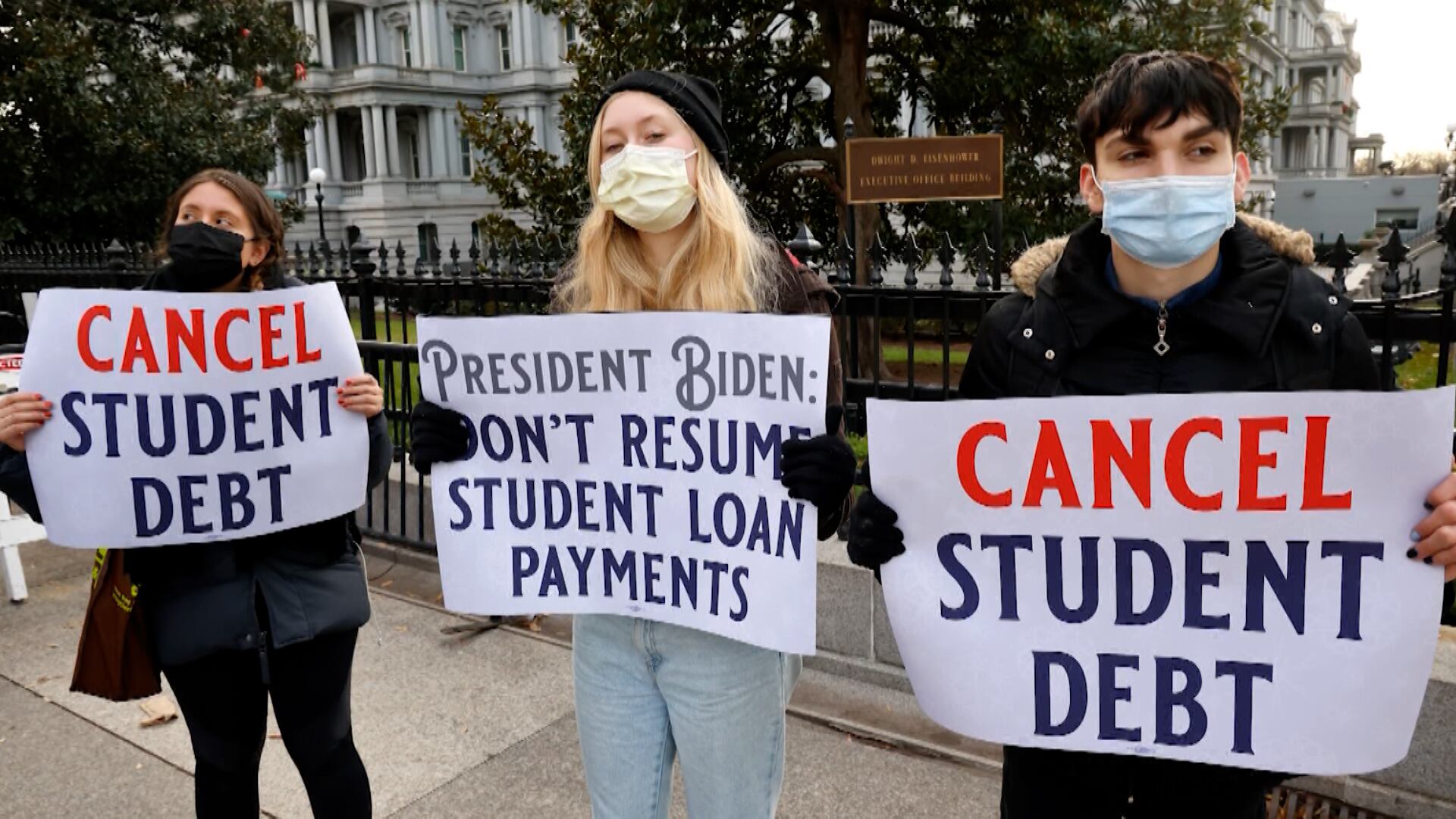
Student loan collection company Navient agreed to cancel $1.7 billion in debt and paid more than $140 million in other penalties to settle a lawsuit over abusive lending practices. Josh Shapiro, the attorney general of Pennsylvania who led negotiations in the settlement, joined Cheddar to go over the details of the company's predatory lending. "What Navient would do is charge [borrowers] these exorbitantly high rates, even though they knew people couldn't pay them or they would likely default on them," he explained.