Cardiologist Says FDA Is 'Late to the Show' on Teen Vaping Crisis
*By Carlo Versano*
The shocking rise in teen vaping is a public health crisis that the FDA has been slow to address, according to a nationally recognized cardiologist.
Dr. Kevin Campbell, who is also CEO of Pace Mate, a digital cardiac monitoring service, said the [recent study](https://www.cnbc.com/2019/02/11/e-cigarettes-single-handedly-drives-spike-in-teen-tobacco-use-cdc.html) from the CDC that linked vaping to a spike in teen tobacco use shows that more serious steps need to be take. The first step? Get rid of the flavored nicotine "pods," which Campbell said are acting as a gateway for teenage beginner vapers to get hooked on nicotine.
"We don't know the long-term health effects yet," Campbell said. "I can't emphasize that enough."
While popular vape products are unarguably "healthier" than combustible cigarettes, they still involve the delivery of an addictive drug (nicotine), that is known to do damage to the heart and blood vessels. And there is not enough data on the additives and preservatives that go into the pods.
"They may be doing deleterious things to our bodies as well," Campbell said.
One in five American high schoolers now vapes, according to the CDC, which is enough to cause alarm at the FDA. That agency recently announced a crackdown on vaping companies that market to teens, but that's not enough, in Campbell's opinion.
"I think the FDA is a little bit late to the show here," he said. It's going to require a national education program ー think D.A.R.E. for a new era ー that explains the unknowns and risks involved in vaping. "We need to get ahead of it," Campbell said.
For full interview [click here](https://cheddar.com/videos/teen-tobacco-product-use-on-the-rise).
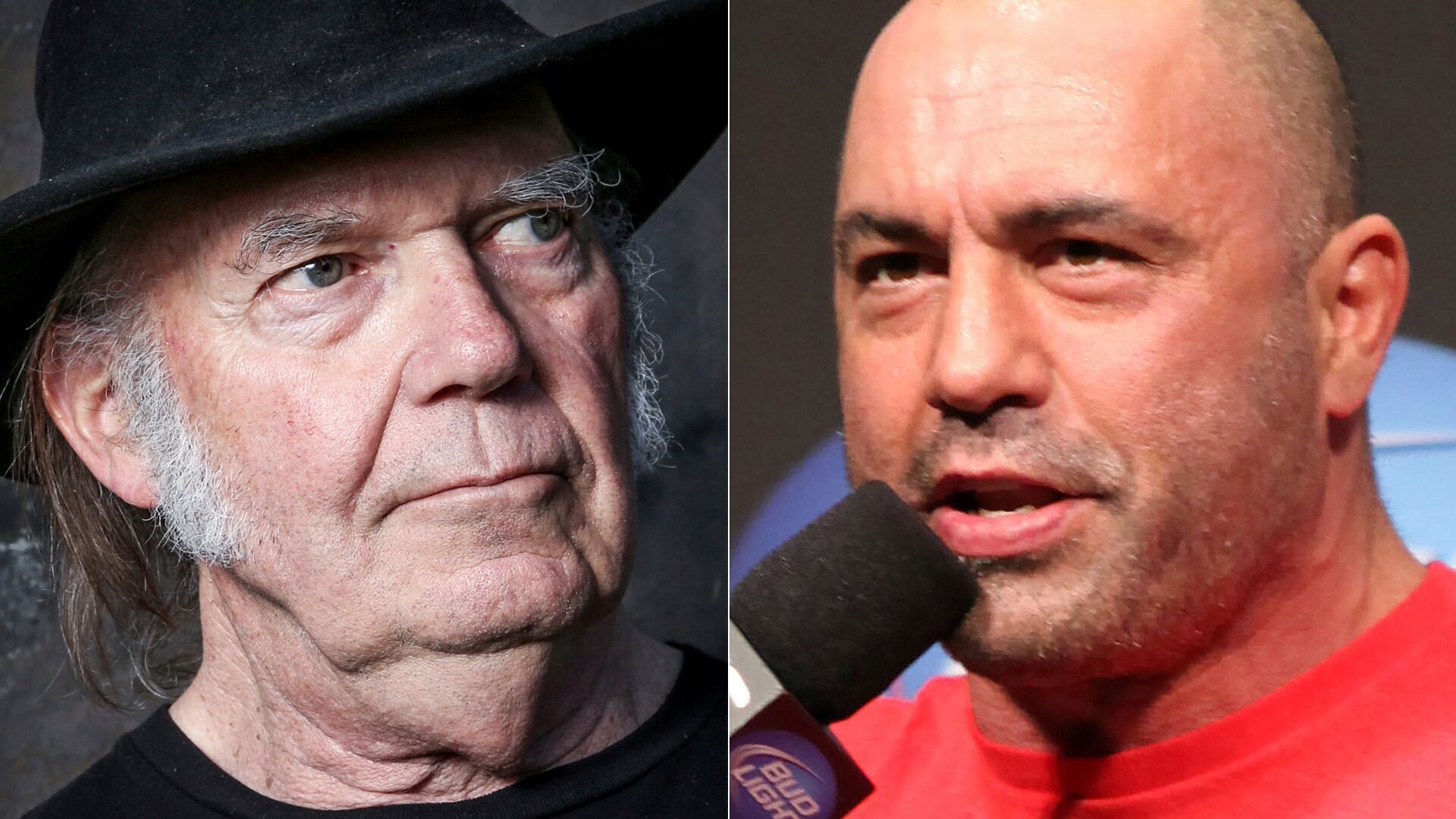
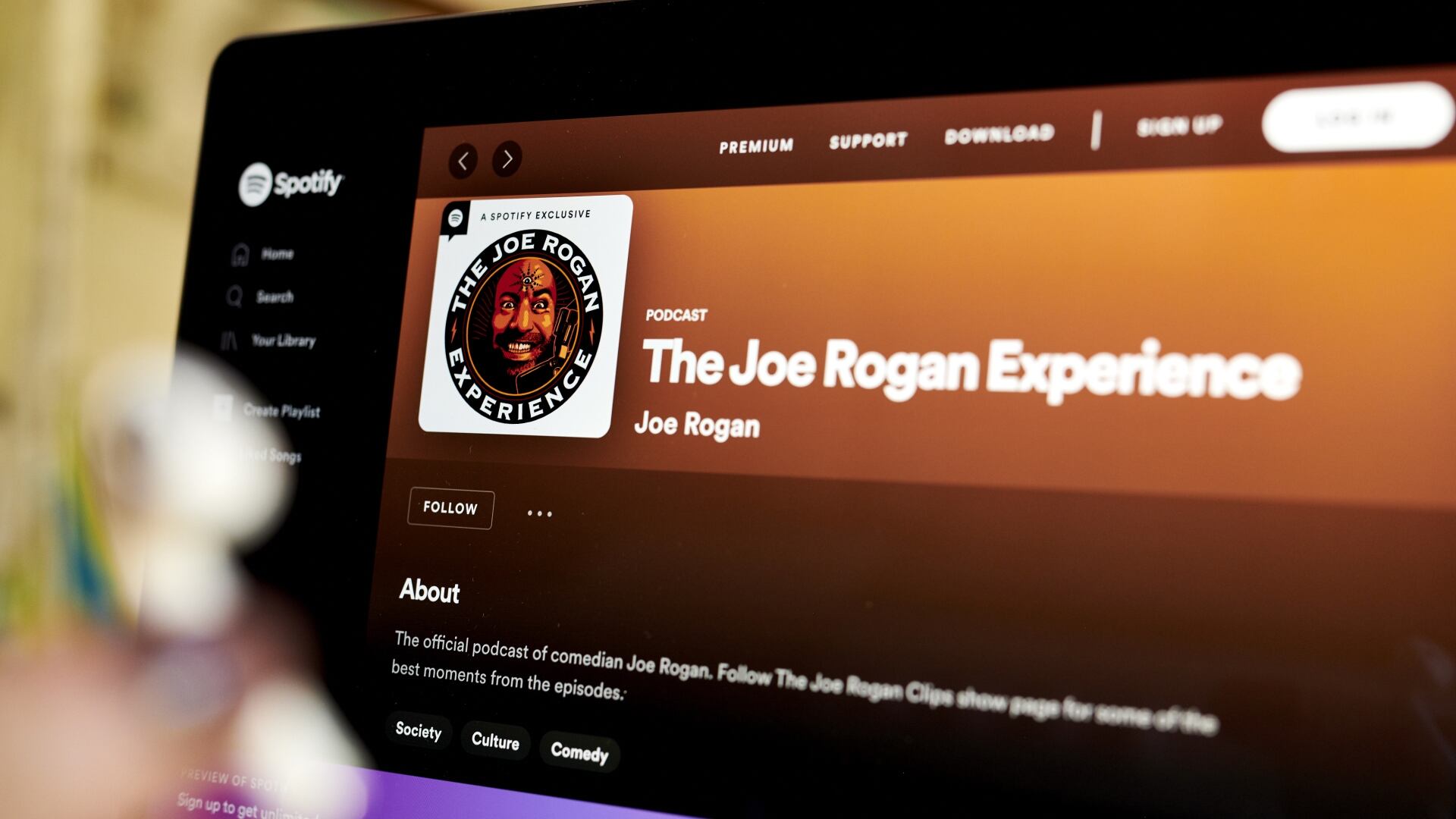
Neil Young gave the streaming service Spotify an ultimatum demanding that his music be removed if the Joe Rogan experience remained on the platform. Joe Rogan's platform has been questioned a number of times as a result of some of his takes on covid treatment strategies and at times downright misinformation. Ultimately, Spotify decided to stick with Joe Rogan's podcast. The Director for the Business and Entertainment Program at American University, John Simson, joined Cheddar to discuss more.
Stocks closed at session highs on the last trading day of the month, but the major indexes still ended up posting their worst months since the start of the pandemic. The S&P 500 and the Nasdaq both had their worst months since March 2020. Nancy Daoud, Private Wealth Advisor at Ameriprise Financial Services, joins Closing Bell to discuss today's close, her market predictions for the year, how the Federal Reserve's monetary policy will impact stocks, and more.
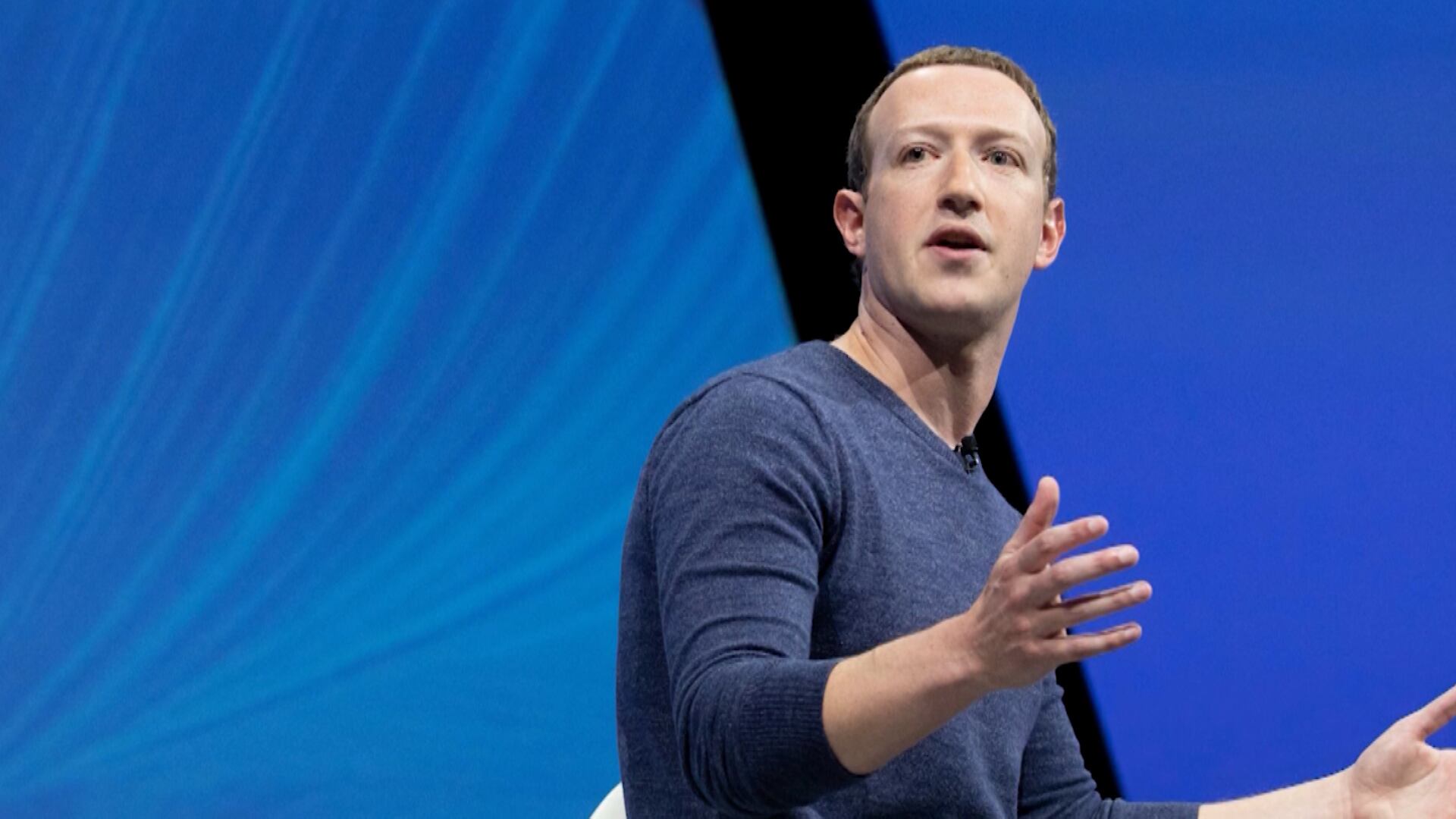
Rene Ritchie, independent tech analyst and co-founder of the Nebula Podcast, joins Cheddar News' Closing Bell, where he breaks down what investors will be looking for from Mark Zuckerberg this week and how the tech giants stack up when it comes to augmented reality and virtual reality products going forward.
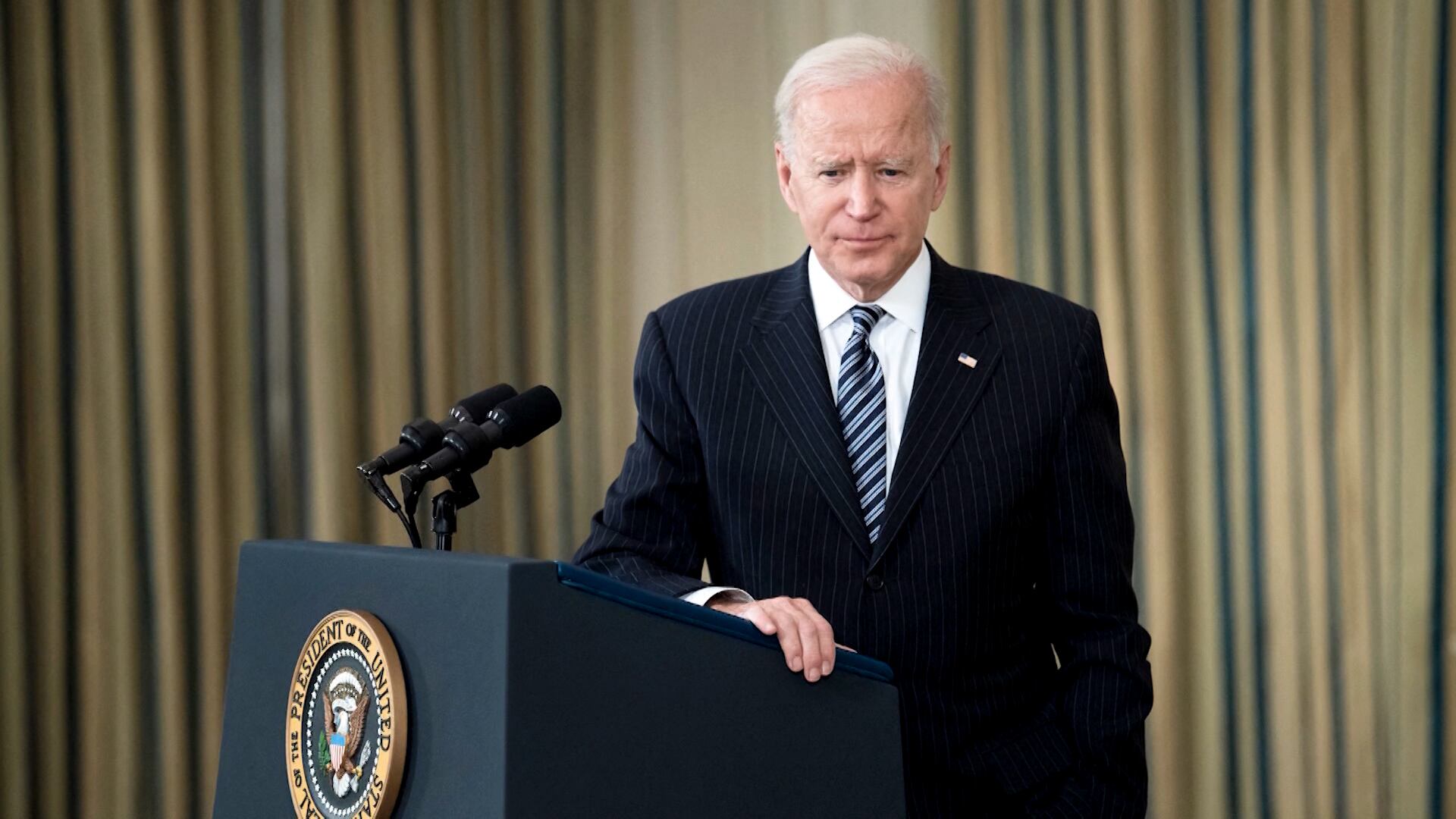
According to multiple reports, President Biden's upcoming executive order for the crypto marke would assign some government entities to study cryptocurrencies, stablecoins and NFT's with the goal of developing a workable regulatory framework. Douglas Borthwick, Chief Business Officer at INX, joins Cheddar News' Closing Bell, where he elaborates on what role the Biden administration would play under this order.
Nutritional supplement beverage company Athletic Greens has achieved unicorn status. The company announced a new $115 million funding round, bringing its valuation to $1.2 billion. The company's flagship product AG1 combines 75 different vitamins, minerals, and other nutrients into one daily serving. Athletic Greens says it is poised to reach the millions of consumers who are currently driving the health and wellness market's exponential growth. Athletic Greens founder and CEO Chris Ashenden joins Cheddar News' Closing Bell to discuss.
Is Spotify a platform for content creators, or is it a media company? The streaming giant may have to find an answer sooner rather than later amid a controversy involving its most popular podcast host, Joe Rogan. Rogan has hosted guests who have made false claims about COVID-19 vaccines, and in turn, some musicians like Neil Young and Joni Mitchell have removed their discographies from Spotify in protest. Rogan says he welcomes content advisories, and will balance out his guests going forward, but is it enough? And is Spotify liable in any way? John Freeman, Vice President of CFRA Research, joins Closing Bell to discuss Rogan's response to the controversy, whether Spotify should be considered a media company with responsibility for its content, and more.