Cardiologist Says FDA Is 'Late to the Show' on Teen Vaping Crisis
*By Carlo Versano*
The shocking rise in teen vaping is a public health crisis that the FDA has been slow to address, according to a nationally recognized cardiologist.
Dr. Kevin Campbell, who is also CEO of Pace Mate, a digital cardiac monitoring service, said the [recent study](https://www.cnbc.com/2019/02/11/e-cigarettes-single-handedly-drives-spike-in-teen-tobacco-use-cdc.html) from the CDC that linked vaping to a spike in teen tobacco use shows that more serious steps need to be take. The first step? Get rid of the flavored nicotine "pods," which Campbell said are acting as a gateway for teenage beginner vapers to get hooked on nicotine.
"We don't know the long-term health effects yet," Campbell said. "I can't emphasize that enough."
While popular vape products are unarguably "healthier" than combustible cigarettes, they still involve the delivery of an addictive drug (nicotine), that is known to do damage to the heart and blood vessels. And there is not enough data on the additives and preservatives that go into the pods.
"They may be doing deleterious things to our bodies as well," Campbell said.
One in five American high schoolers now vapes, according to the CDC, which is enough to cause alarm at the FDA. That agency recently announced a crackdown on vaping companies that market to teens, but that's not enough, in Campbell's opinion.
"I think the FDA is a little bit late to the show here," he said. It's going to require a national education program ー think D.A.R.E. for a new era ー that explains the unknowns and risks involved in vaping. "We need to get ahead of it," Campbell said.
For full interview [click here](https://cheddar.com/videos/teen-tobacco-product-use-on-the-rise).
Google parent company Alphabet saw yet another successful quarter reporting its final earnings report for 2021 on Tuesday. The tech giant beat Wall Street expectations across the board with much of that success owed to not only the growth of its cloud business, but also its multi-platform advertising. Joanna O'Connell, Principal Analyst at Forrester explains why advertising may be one of the keys to Alphabet’s future success.
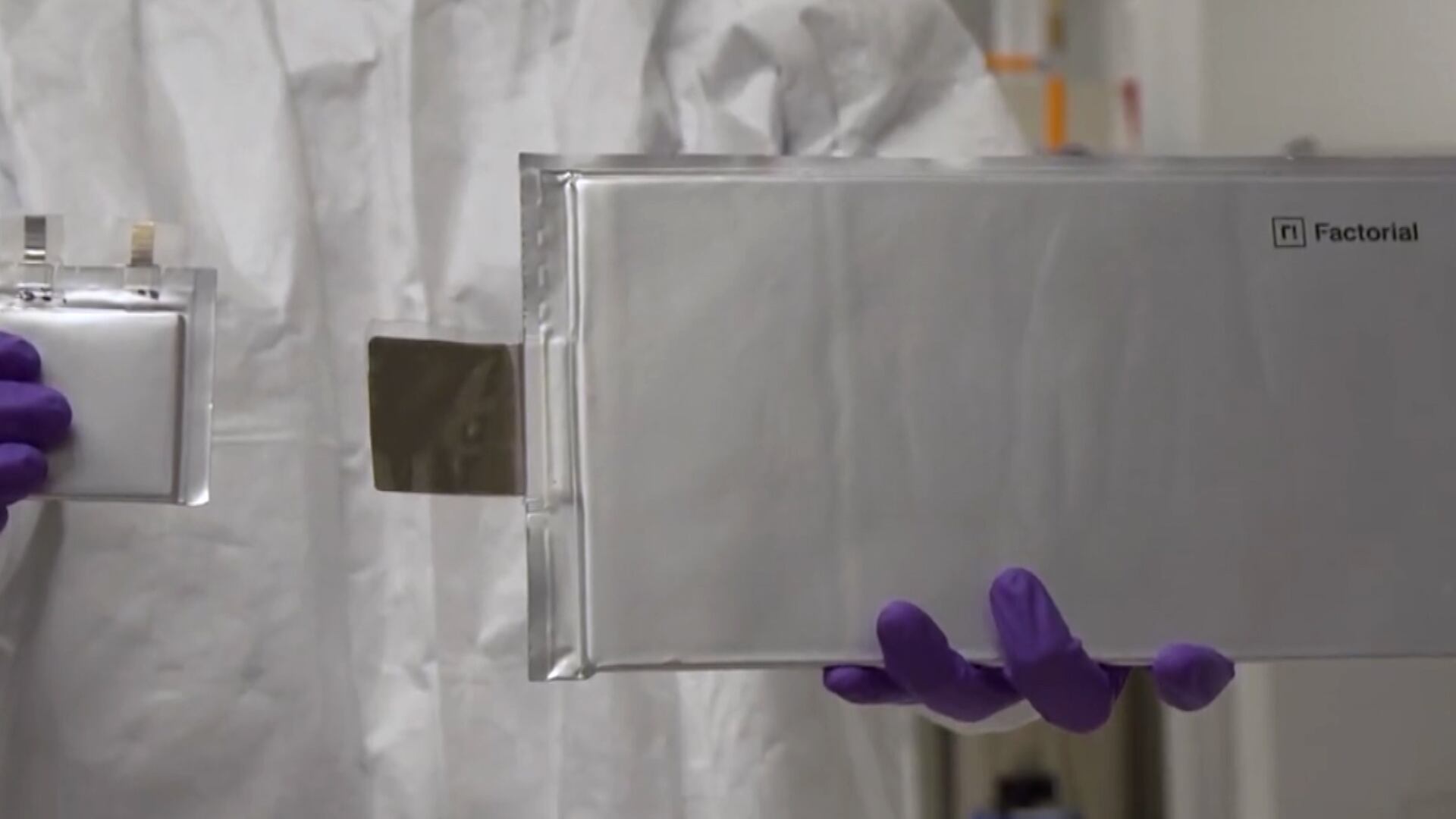
Solid-state battery maker Factorial Energy recently raised $200 million in a Series D round led by Mercedes-Benz and Stellantis. Factorial says the funding will be used to accelerate commercial production and deployment of its solid-state battery technology, which the company says is safer, and offers up to 50% more driving range than current lithium-ion technology. Factorial also has joint development agreements (announced in late 2021) with Mercedes-Benz, Stellantis, and Hyundai, three of the top 10 global automotive manufacturers, to commercialize its batteries. Factorial CEO Siyu Huang joined Cheddar News' Closing Bell to discuss.
Art Hogan, Chief Market Strategist at National Securities, joins Cheddar News' Closing Bell, where he says investors are paying more attention to earnings this week, which is leading to the Dow, S&P, and Nasdaq gaining this week. Hogan also breaks down Spotify and Meta's earnings, both of which came out after the bell.
Google's parent company Alphabet reported blockbuster fourth quarter earnings, boosted by better-than-expected Google ad revenue and Google Cloud revenue. The results sent Alphabet's stock soaring, and the company could come close to hitting a $2 trillion market valuation similar to other tech giants Apple and Microsoft. The company also announced a 20-for-1 stock split, which would make shares more accessible to would-be investors. Mark Lehmann, CEO at JMP Securities, a Citizens Company, joins Closing Bell to discuss Alphabet's earnings report, whether the company will reach a $2 trillion market cap, its stock split, and more.
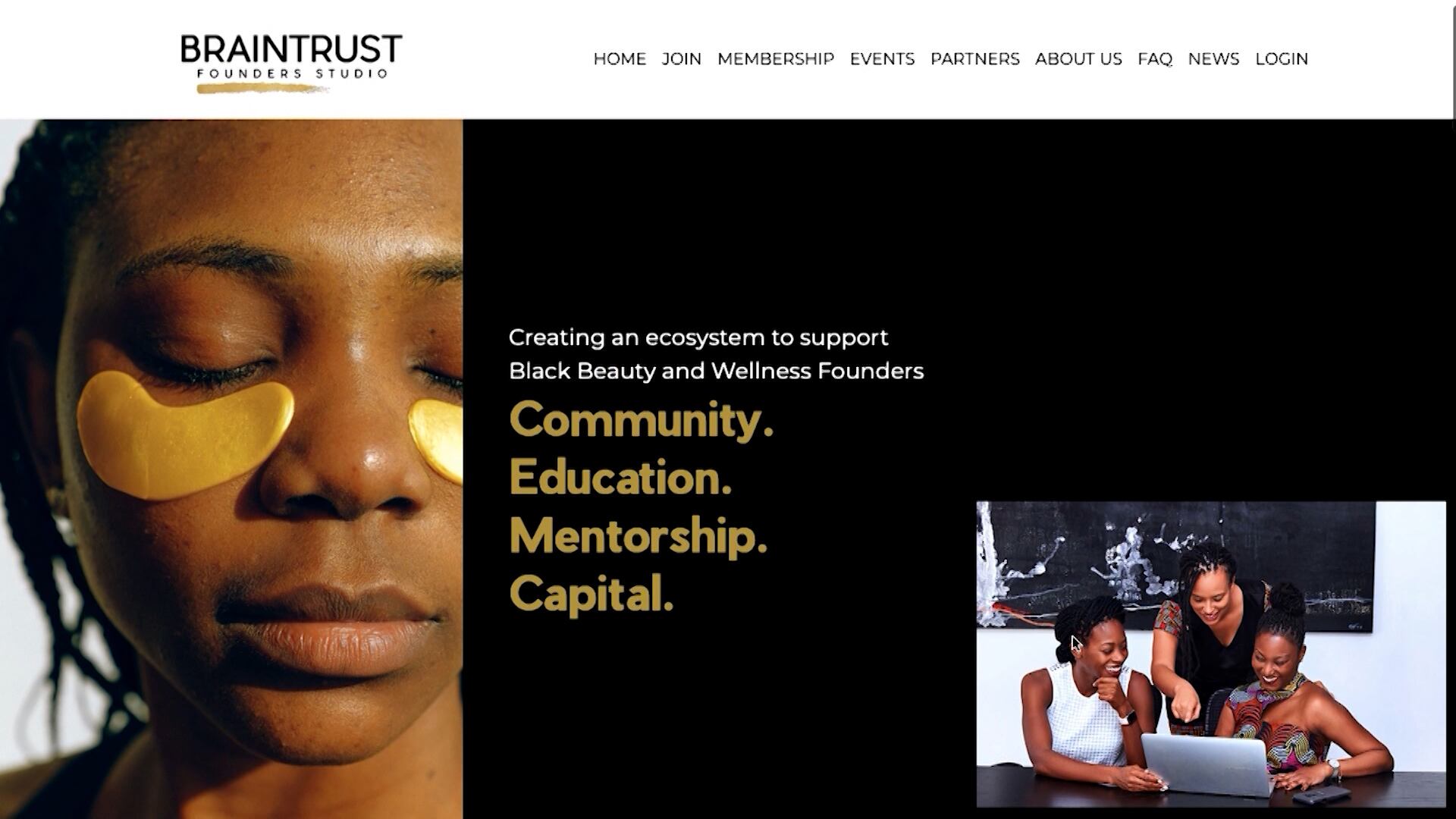
Kendra Bracken-Ferguson, founder of BrainTrust Founders Studio joins Cheddar News to talk about the importance of supporting Black beauty and wellness founders.
Damali Peterman, founder and CEO of Breakthrough ADR, joins Cheddar News to discuss what Black professionals are up against in the workplace this year.