The deadly attack on Congress at the Capitol is raising questions about the lapse in security over what was expected to be one of the most well-protected buildings in the nation. Congressman Tim Ryan (D-Ohio - 17th District) called law enforcement's response to the mayhem a "complete embarrassment."
"We didn't have enough backup there, which, given Trump's rhetoric for the last four years, [and for] the last four, five weeks since the election precisely identifying January 6 as a date that, 'It's going to be wild,' he said, 'We need to go there,' and then whipping everybody up yesterday morning into a frenzy and then sending them down to the Capitol," Ryan told Cheddar. "All of those should have been indicators that we have been planning for the worst-case scenario."
Going forward, the congressman said, there needs to be a reassessment of security protocols at the Capitol.
Following a summer of massive demonstrations protesting the police killings of unarmed Black Americans that came bundled with heavily secured streets and swarms of law enforcement, obvious comparisons were being drawn to the chaos that ensued in Washington, DC.
"We also do have to recognize that some of these situations with Black Lives Matter were handled much more differently. The approach was much more aggressive versus the Trump mob," Ryan said.
"I don't think there's any question there's a lot more aggressive behavior around people of color but at the same time, there was an escalation, a slow escalation for what happened this summer versus something immediate here. But that, to me, that doesn't excuse anybody."
While the Ohio representative said he supported the removal of the House Sergeant at Arms Paul Irving, who resigned Thursday, and Capitol Police Chief Steve Sund for their handling of the breach, Ryan said the president also has to be held accountable for directing his supporters to incite violence and chaos. In fact, Ryan said the sentiment among most Democrats — and some Republicans — is growing.
As America waits for Joe Biden and Kamala Harris to be officially installed as president and vice president on January 20, the need to neutralize the president's power is more evident than ever following yesterday's events, according to Ryan.
"The next two weeks leading up to the inauguration will be very, very difficult, I think, if we allow him to stay there," he added.
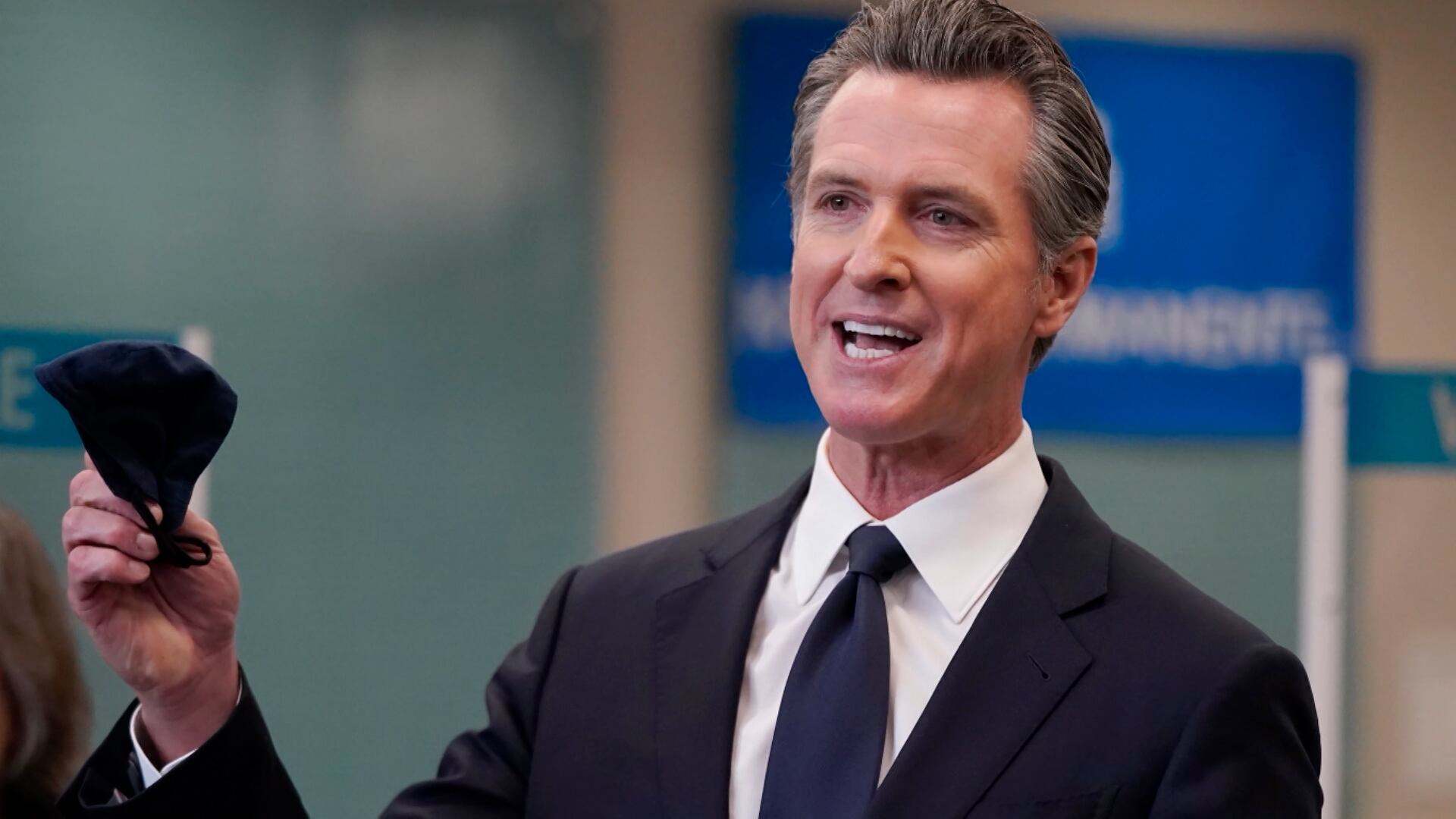
California Governor Gavin Newsom is projected to keep his job. Around two-thirds of the votes have been reported, and roughly 64% of those votes are in favor of keeping Newsom as their governor.
Daniel Strauss, senior political correspondent at The New Republic, joined Cheddar's Opening Bell to discuss more about what Newsom's win means to both political parties moving into Midterm elections season.
The Department of Justice is suing Texas over the state's new abortion law that prohibits abortions after six weeks, well before many women even know they're pregnant. The lawsuit argues the law is unconstitutional under long-standing Supreme Court precedent. It was filed last week in federal court in Texas, but could go all the way to the high court within weeks. Josh Blackman, a constitutional law professor at South Texas College of Law Houston, discusses the DOJ lawsuit and what it could mean for other abortion laws across the country.
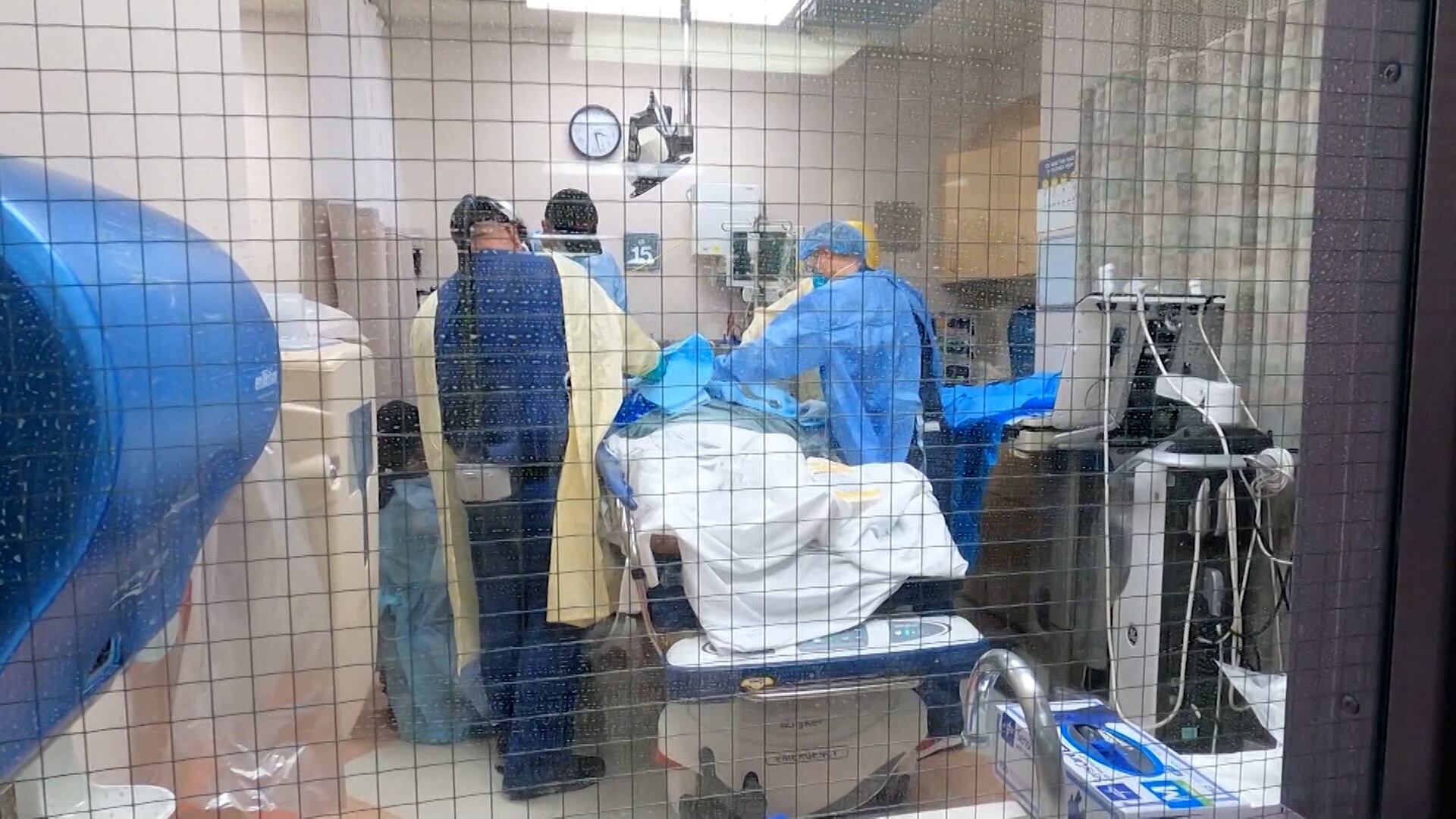
26 states have now fully vaccinated more than half of their population with Vermont, Connecticut, and Massachusetts fully vaccinating at least two-thirds of their residents. These three states are among the ones with the lowest new Covid-19 cases per capita, but in states with low vaccination rates, hospitals are filling up again.
Dr. Rob Davidson, ER doctor and executive director of Committee to Protect Health Care, joined Cheddar's Opening Bell to discuss more.
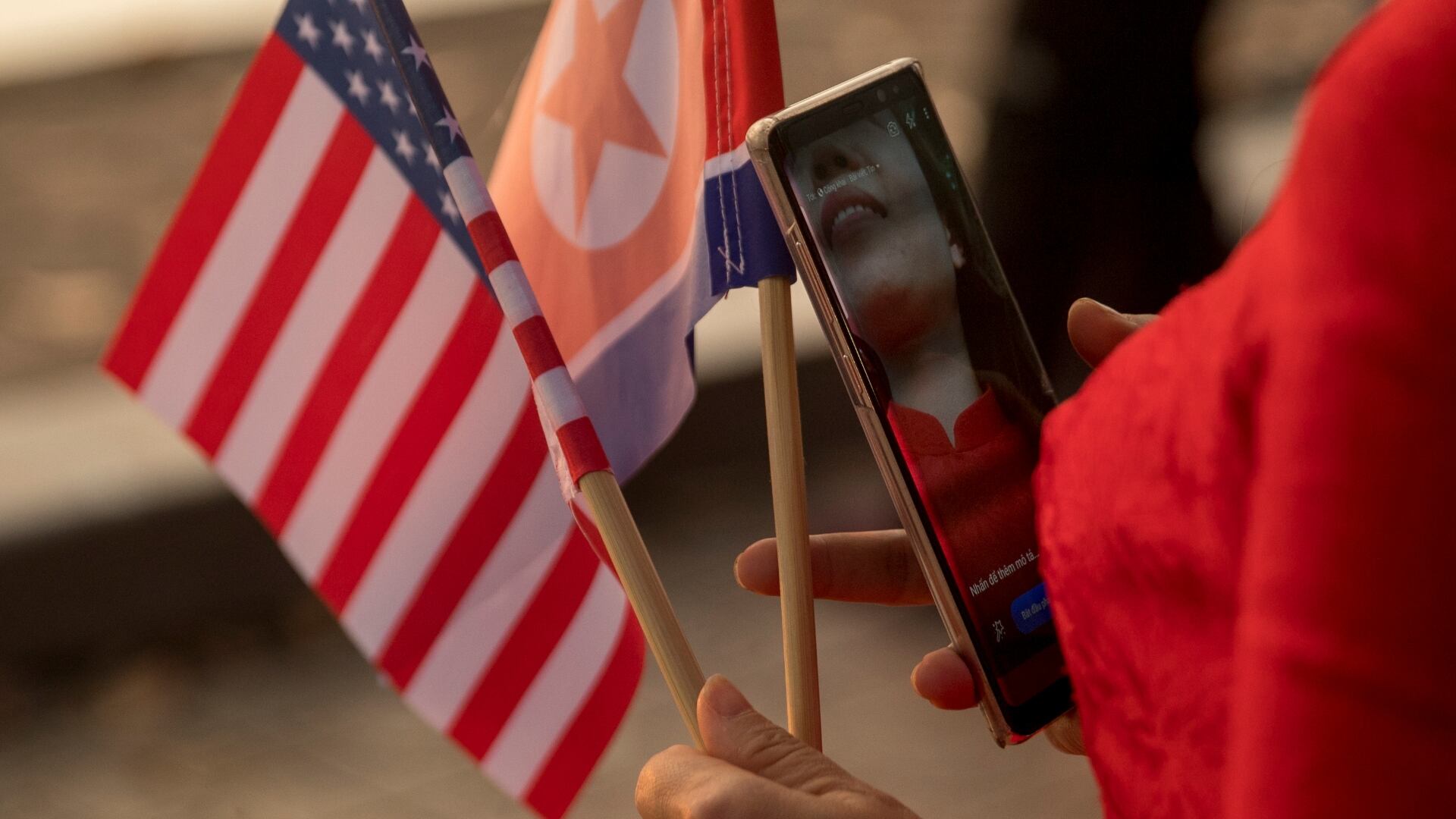
The Biden Administration has officially extended a ban on a Trump-era policy that prohibits traveling with a U.S. passport to North Korea. The extension is expected to last until August 2022. The ban was initially enforced after the death of Otto Warmbier, who entered a vegetative state while in North Korean custody. Advocates against the ban argue that it has caused crippling impacts on Korean Americans who have not been able to reunite with their families back home. Senior Fellow at The Foundation For Defense of Democracies Anthony Ruggiero joined Cheddar's News Wrap to discuss more.