Canopy Growth CEO: Legal Pot 'More Complicated' in U.S.
*By Jacqueline Corba*
For all the progress that legal marijuana has made in the United States, the country remains a murky place for companies seeking to enter a nascent market with complicated and inconsistent laws, said the co-founder and chief executive of North America's largest cannabis company.
Bruce Linton, the CEO of Canopy Growth Corporation, said his company was able to lead the way and become the first publicly listed pot company because it scrupulously follows the rules.
"United States is getting more complicated," Linton said in an interview Thursday with Cheddar. "I'm not hearing as clear as a voice as I did on what to do three years ago. It's louder, but it's definitely not clearer."
Canopy was the first cannabis firm to be listed on the New York Stock Exchange when it began trading last week. Its stock is up more than 20 percent since its debut, and the company has a market cap of more than $6 billion. That makes it the largest pot stock out there. The Canadian marijuana company operates 10 production facilities in nine countries where pot is legal.
Linton said he wants Canopy to be a leader in the industry. "This is about public policy and how we push the agenda, and then follow it," he said, adding legalization should come from following existing rules.
"If you want to be on the New York Stock Exchange, you need to be following all the rules," said Linton. "What we try to do is lead, and that almost always results in having us do most things first."
Canopy Growth Corporation is used to doing this first. Before listing on the NYSE, it was the first cannabis company to go public when it listed on the TSX Venture Exchange, a junior exchange in Canada, in 2014. It moved to the Toronto Stock Exchange two years later.
For the full interview, [click here](https://cheddar.com/videos/canopy-growth-ceo-on-nyse-debut).
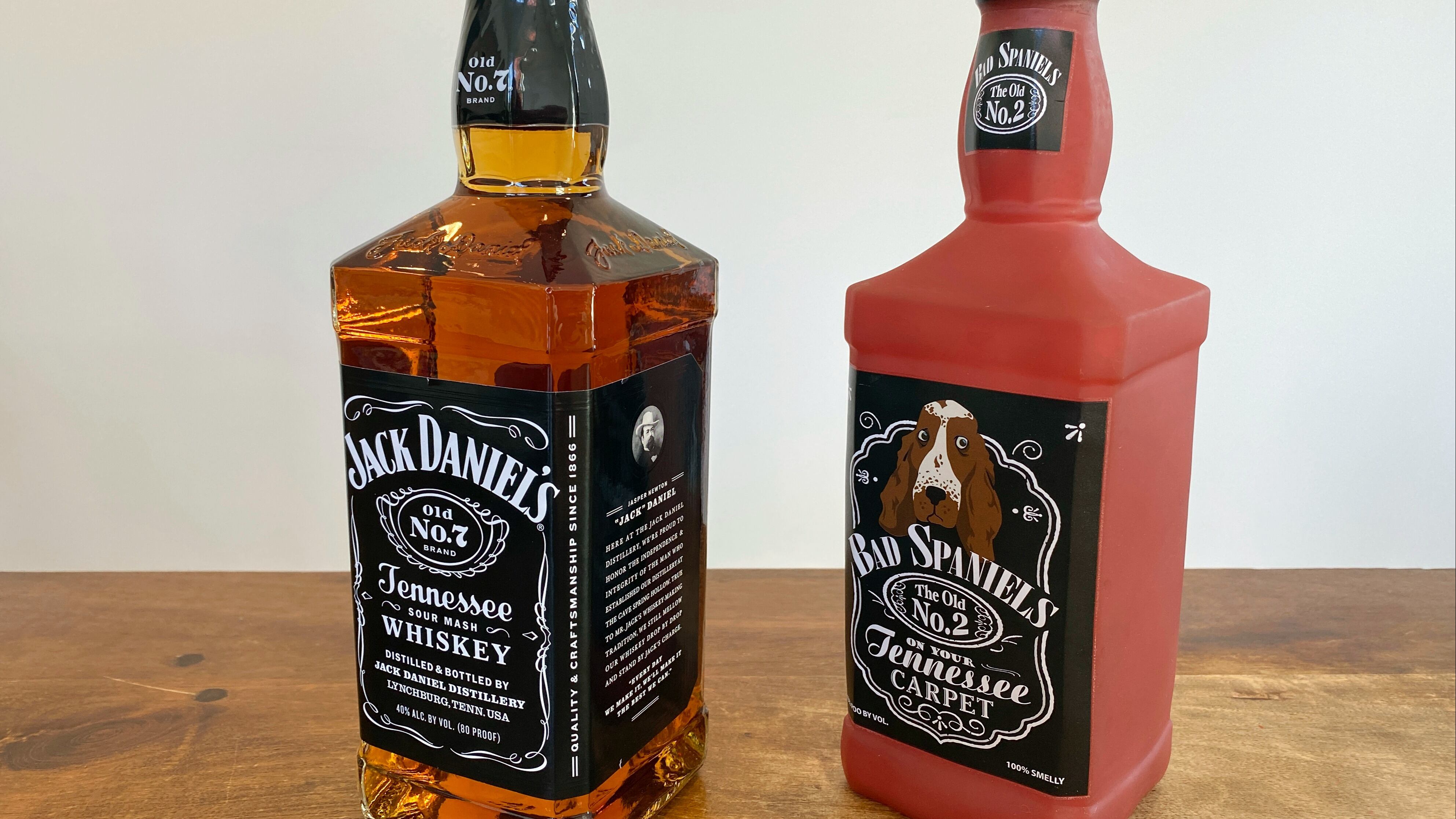
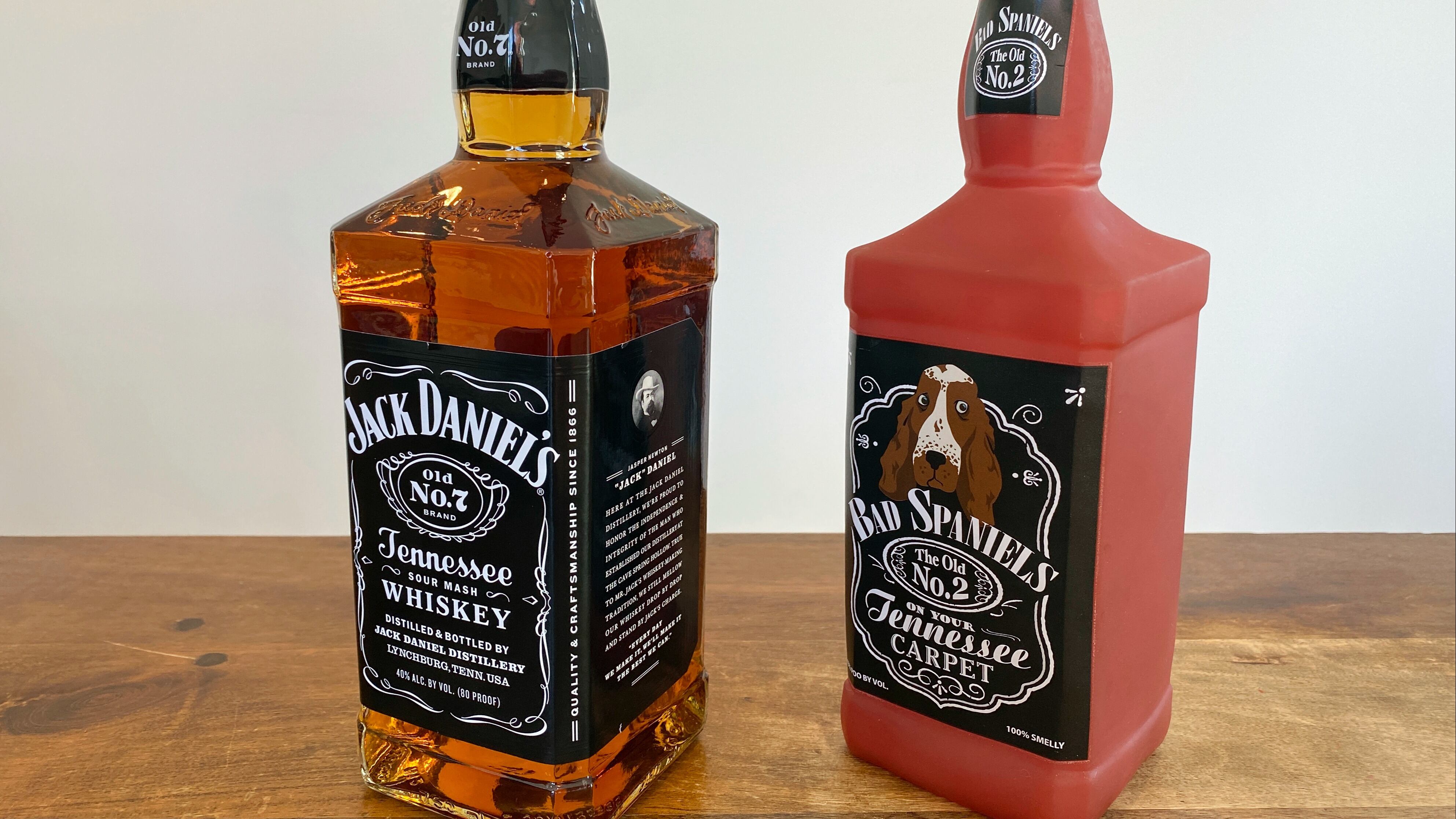
Jack Daniels was at the U.S. Supreme Court today. The whiskey-makers argued that a dog toy company violated federal trademark law with a product that parodies the distiller's iconic bottle. The toy is the Bad Spaniels Silly Squeaker toy by VIP products. The first amendment case pits the rights of a famous trademark holder against parody products. Jack Daniel says the toy damages its reputation, especially the references to dog poop.
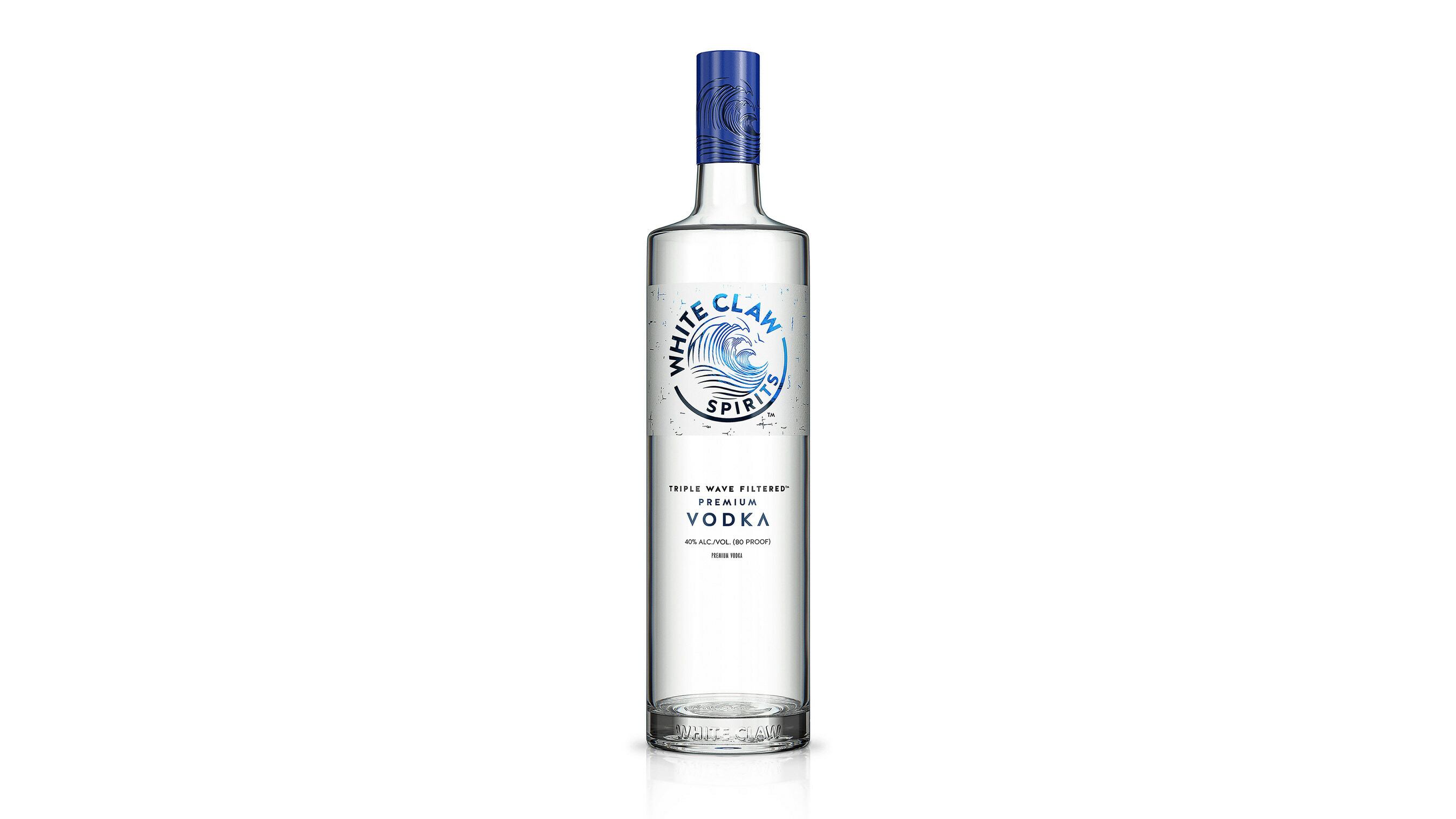
Alcohol brand White Claw is moving into spirits amid an industrywide shift away from hard seltzers. The spiked seltzer brand announced a new line of regular and flavored White Claw premium vodkas. The bottles are available in select markets across North America and come in an unflavored option as well as pineapple mango and black cherry white Claw has dominated the Heart Seltzer market for years. Now bringing the category into the mainstream as more consumers sought those low calorie alcohol drinks.
Stocks are holding relatively steady Wednesday as Wall Street bides its time until the Federal Reserve’s announcement in the afternoon about whether it will tighten the screws further on the economy.
Meme stocks are rising before the opening bell Wednesday after GameStop, one of the most heavily traded off-brand stocks during the pandemic, posted a surprise profit for the fourth quarter.
The rising cost of groceries is pushing more consumers to use Buy Now Pay Later (BNPL) services for necessities such as groceries, according to new data from Adobe Analytics.