Canopy Growth CEO: Legal Pot 'More Complicated' in U.S.
*By Jacqueline Corba*
For all the progress that legal marijuana has made in the United States, the country remains a murky place for companies seeking to enter a nascent market with complicated and inconsistent laws, said the co-founder and chief executive of North America's largest cannabis company.
Bruce Linton, the CEO of Canopy Growth Corporation, said his company was able to lead the way and become the first publicly listed pot company because it scrupulously follows the rules.
"United States is getting more complicated," Linton said in an interview Thursday with Cheddar. "I'm not hearing as clear as a voice as I did on what to do three years ago. It's louder, but it's definitely not clearer."
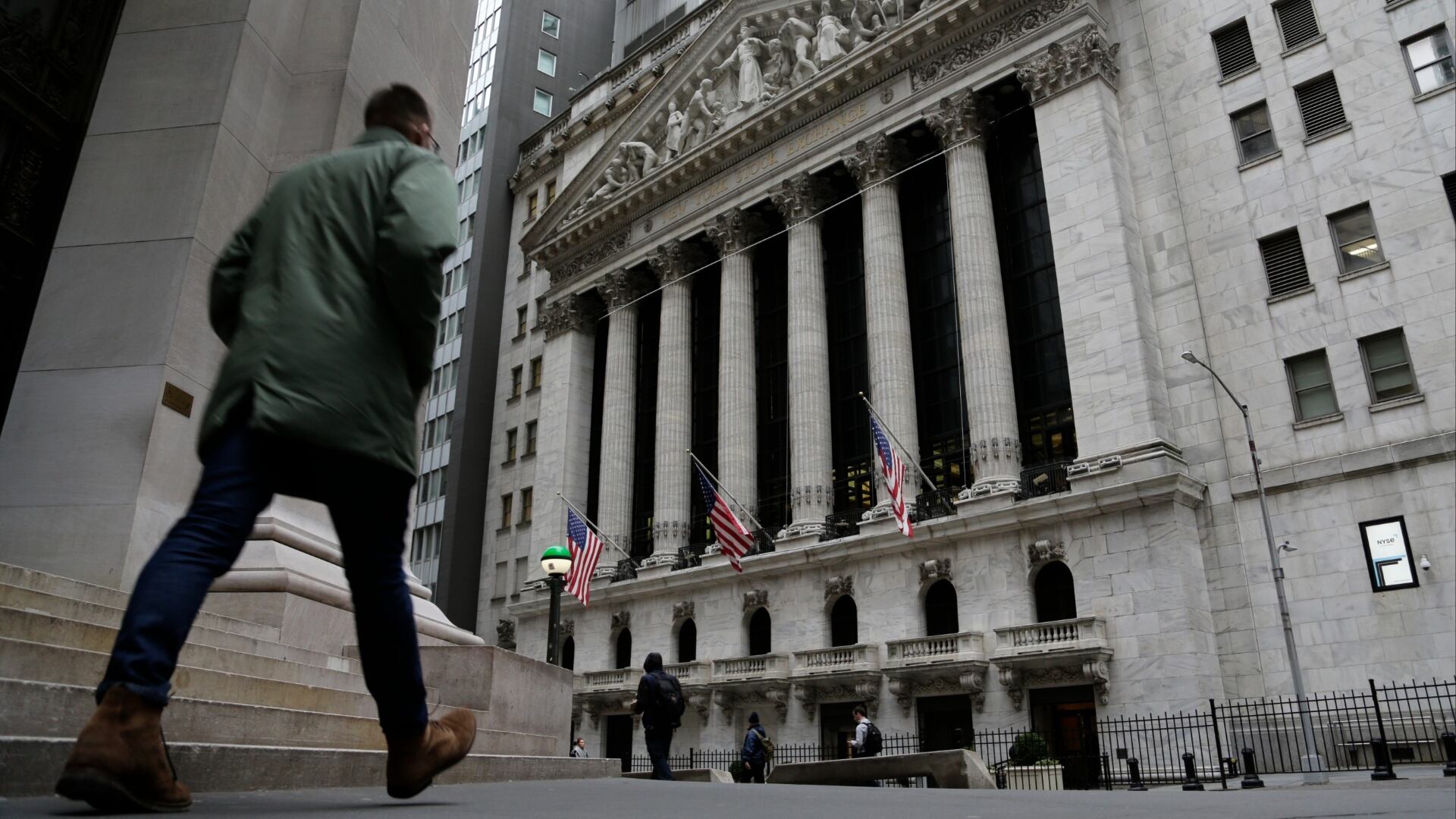
Canopy was the first cannabis firm to be listed on the New York Stock Exchange when it began trading last week. Its stock is up more than 20 percent since its debut, and the company has a market cap of more than $6 billion. That makes it the largest pot stock out there. The Canadian marijuana company operates 10 production facilities in nine countries where pot is legal.
Linton said he wants Canopy to be a leader in the industry. "This is about public policy and how we push the agenda, and then follow it," he said, adding legalization should come from following existing rules.
"If you want to be on the New York Stock Exchange, you need to be following all the rules," said Linton. "What we try to do is lead, and that almost always results in having us do most things first."
Canopy Growth Corporation is used to doing this first. Before listing on the NYSE, it was the first cannabis company to go public when it listed on the TSX Venture Exchange, a junior exchange in Canada, in 2014. It moved to the Toronto Stock Exchange two years later.
For the full interview, [click here](https://cheddar.com/videos/canopy-growth-ceo-on-nyse-debut).
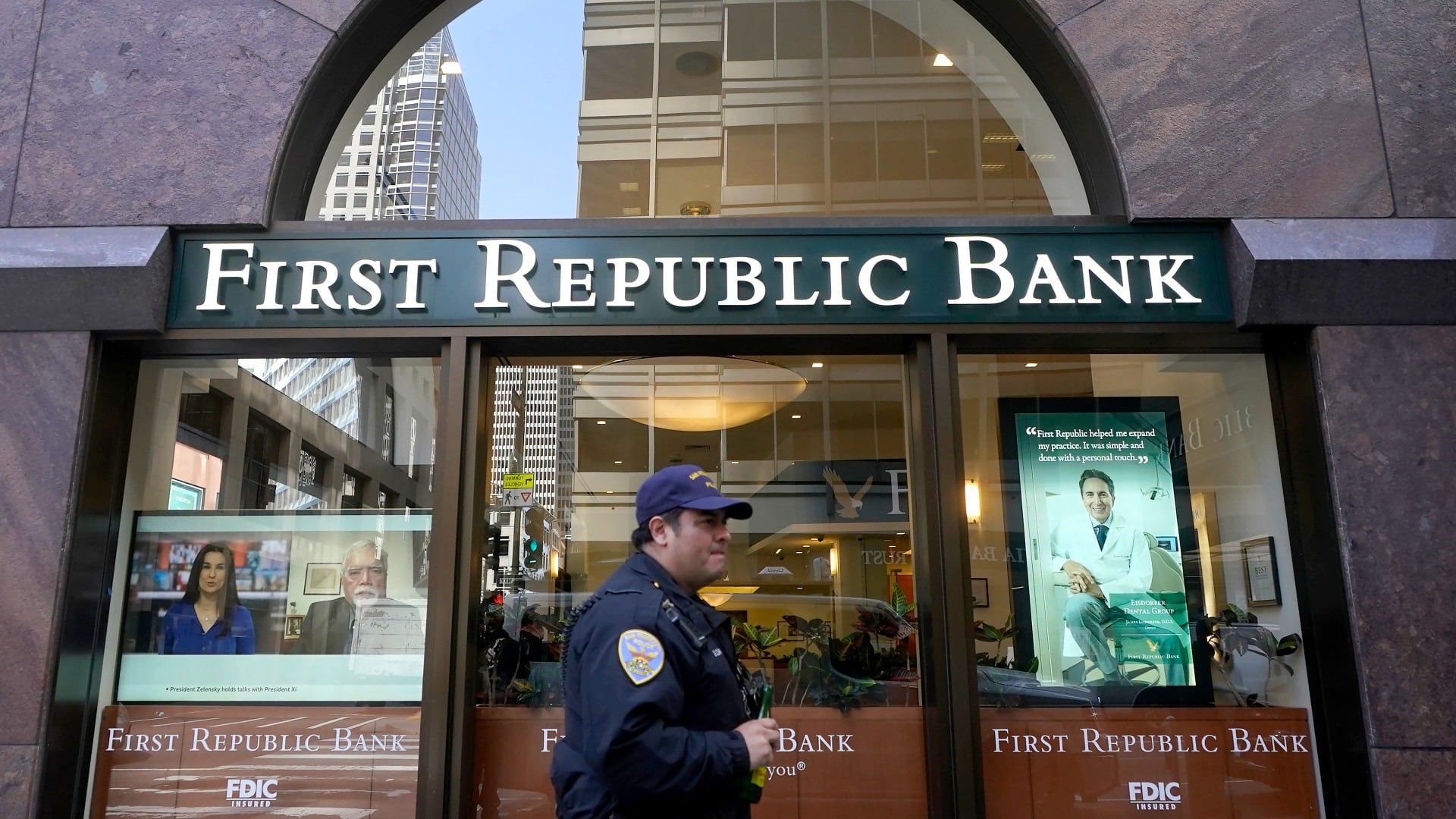
Uncertainty continues to pummel the banking industry, despite assurances from financial regulators and bankers such as Jamie Dimon this week that the worst of the recent crisis is over and the health of the banking system remains strong.
Apple is leading Wall Street toward its biggest rally in nearly four months Friday after the market's most influential company reported a better profit than feared.
Apple once again posted an, until now, rare revenue decline in its latest fiscal quarter, but said its overall business improved from the December quarter and sales of its iPhones were solid.
America’s employers added a healthy 253,000 jobs in April, evidence of a labor market that still shows surprising strength despite rising interest rates, chronically high inflation and a banking crisis that could weaken the economy.
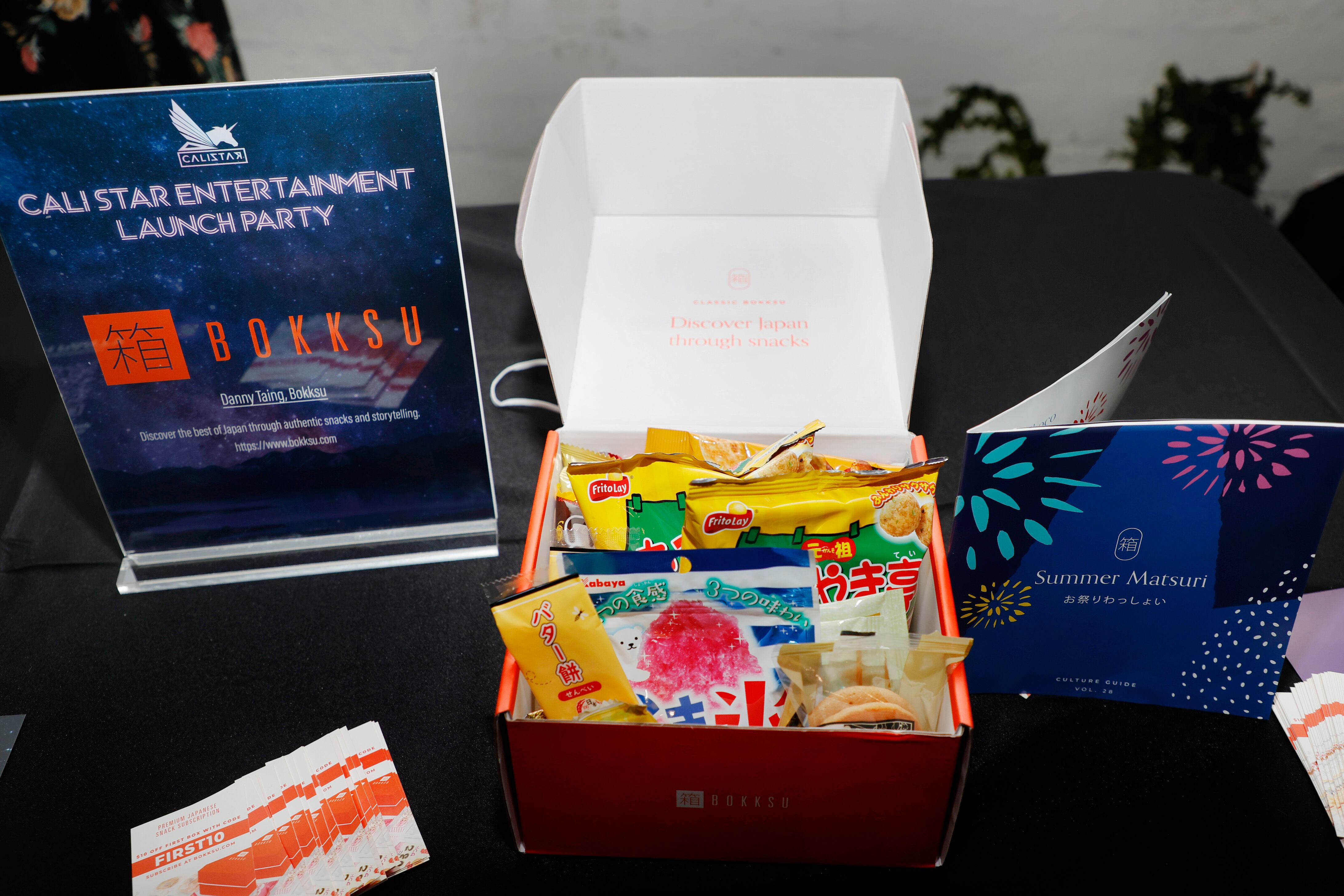
Danny Taing, founder and CEO of Bokksu, joined Cheddar News to discuss his path on how he became an entrepreneur to launch a company that delivers artisanal Japanese snacks. "When I moved back from Japan to New York, I had this bit of reverse culture shock ... a lot of people had somewhat of a one-dimensional view of Japan ... they saw this country where people ate sushi every day ... none of that is true," he said.
Will Rhind, CEO of GraniteShares, joined Cheddar News to discuss Thursday's trading session amid renewed fears over the regional banking crisis as well as concerns over the debt ceiling debate.
The United Food and Commercial Workers union, one of the country's largest, opposed the planned merger between grocery chains Kroger and Albertson's, according to The Wall Street Journal, citing concerns about lack of information and the potential viability of stores upon closing.