Canopy CEO: We'll 'Disrupt the Heck' Out of Pharma
*By Carlo Versano*
At the end of a week that saw the nascent cannabis sector soar to record valuations (with enough [volatility](https://cheddar.com/videos/making-sense-of-tilrays-stock-chart) to make your head spin), at least one exec isn't getting high off his own supply.
Bruce Linton, CEO of Canopy Growth ($CGC), told Cheddar Friday that he is focused on using a recent $4 billion cash injection from Constellation Brands to accelerate his business operations as new markets open up for legal marijuana use.
The market for legal pot went from a handful of countries like Canada, where Canopy is based, to now over 30 globally, Linton said in an interview, and Constellation's stake "is the kind of rocket fuel we need."
As speculators send the stocks higher ー Canopy is up 100 percent since the August deal, while Tilray ($TLRY) is up 1,000 percent since its July IPO ー Linton is keeping his nose to the grindstone developing new uses for cannabis, illustrated by the 39 patents Canopy filed in the last year just for sleep-related cannabinoid products. He sees other uses as well, from anxiety to sports recovery, which begs the question: is Canopy a pharma company?
"We're going to have enough intellectual property and activity that it would be difficult for pharma companies...not to need to play with us," Linton said. "We're going to disrupt the heck out of them."
Speaking of disruption, Linton said he wasn't bothered by parallels with the dot-com bubble of the early 2000s. He said Canopy had more in common with a Google or Amazon ー established businesses with strong fundamentals ー than any of the internet stocks that were relegated to the tech boneyard after the bubble popped.
But for an industry like cannabis that is entirely dependent on regulation, there will always be a risk, Linton noted. For every country like Canada, which legalized medical marijuana in 2001 and will allow recreational use starting October 17, there's an Italy ー where medical marijuana is legal but heavily restricted ー or a Japan ー where it is strictly outlawed. Put another way, Canopy may have the best legal pot cultivation and distribution in the world, but its long-term success on a global scale may be capped by shifting regulatory and political climates.
Still, Linton sees the writing on the wall in places like South America, Australia, and the EU. As regulatory barriers come down, he said Canopy's strong production operations will lead the market.
"People can fight for who's going to be the second best," Linton said. "We're going to be the best and the largest and the most dominant on the planet over the next decade."
For full interview [click here](https://cheddar.com/videos/canopy-growth-blazing-a-trail).
The list of banks reducing or cutting overdraft fees has just grown. Both Bank of America and Wells Fargo have announced plans to end non-sufficient funds and overdraft fees. It's a move that economists are calling 'brilliant,' and is sure to hike up the pressure on large national and regional banks to follow in their footsteps. Greg McBride, the chief financial analyst at Bankrate, joins Cheddar News to discuss.
In fashion, the term "nude" is a common description of a shade slightly darker than champagne with a hint of blush or peach, but how does that translate to the wearer's skin tone? One shapewear brand's mission is to make sure "nude" is as inclusive as possible. Erin Carpenter, founder of Nude Barre, joined All Hands to discuss.
Tech giants Meta, Amazon, Alphabet, and Apple are faced with a bipartisan antitrust legislation effort underway in the Senate Judiciary Committee. The companies stand accused of promoting their own goods and services over smaller competitors on their platforms, holding too much monopolistic power via their app stores and services. Adam Kovacevich, founder and CEO of Chamber of Progress, a technology industry trade group, joined Cheddar to argue that the bills that are being debated currently could end up hurting consumers, rather than helping.
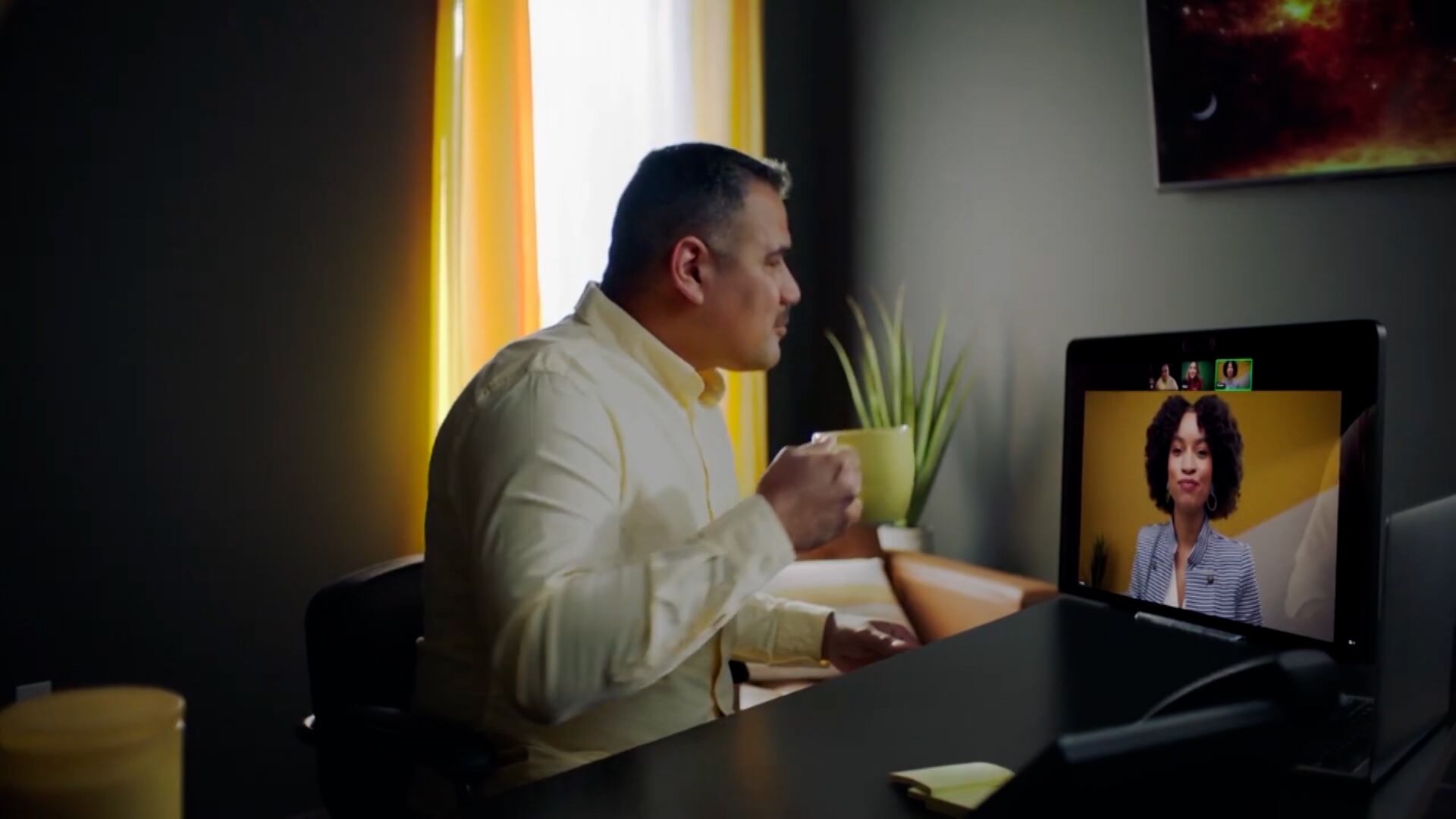
A saving grace for offices during pandemic lockdowns, video communication platform Zoom announced its own plans for doors to reopen from its Work Transformation Summit 2022. Dubbed Workstyles, CFO Kelly Steckelberg joined Cheddar to discuss the self-reported, tiered levels for how employees will be reporting going forward, from the majority of workers going hybrid to personnel who will work fully from home or the office where it makes sense. Steckelberg also talked about the company's plans for the future, stating “what we can control is our own execution," as Zoom's stock hit a 52-week low.
Sebastien Lagree, creator and founder of Lagree Fitness, joins Cheddar News to talk about the growth of Lagree Fitness and industry trends to watch in 2022.
Nikhilesh De, managing editor of global regulation and policy at CoinDesk, joins Cheddar News to discuss Bitcoin's slump and corporations' growing interest in NFTs.
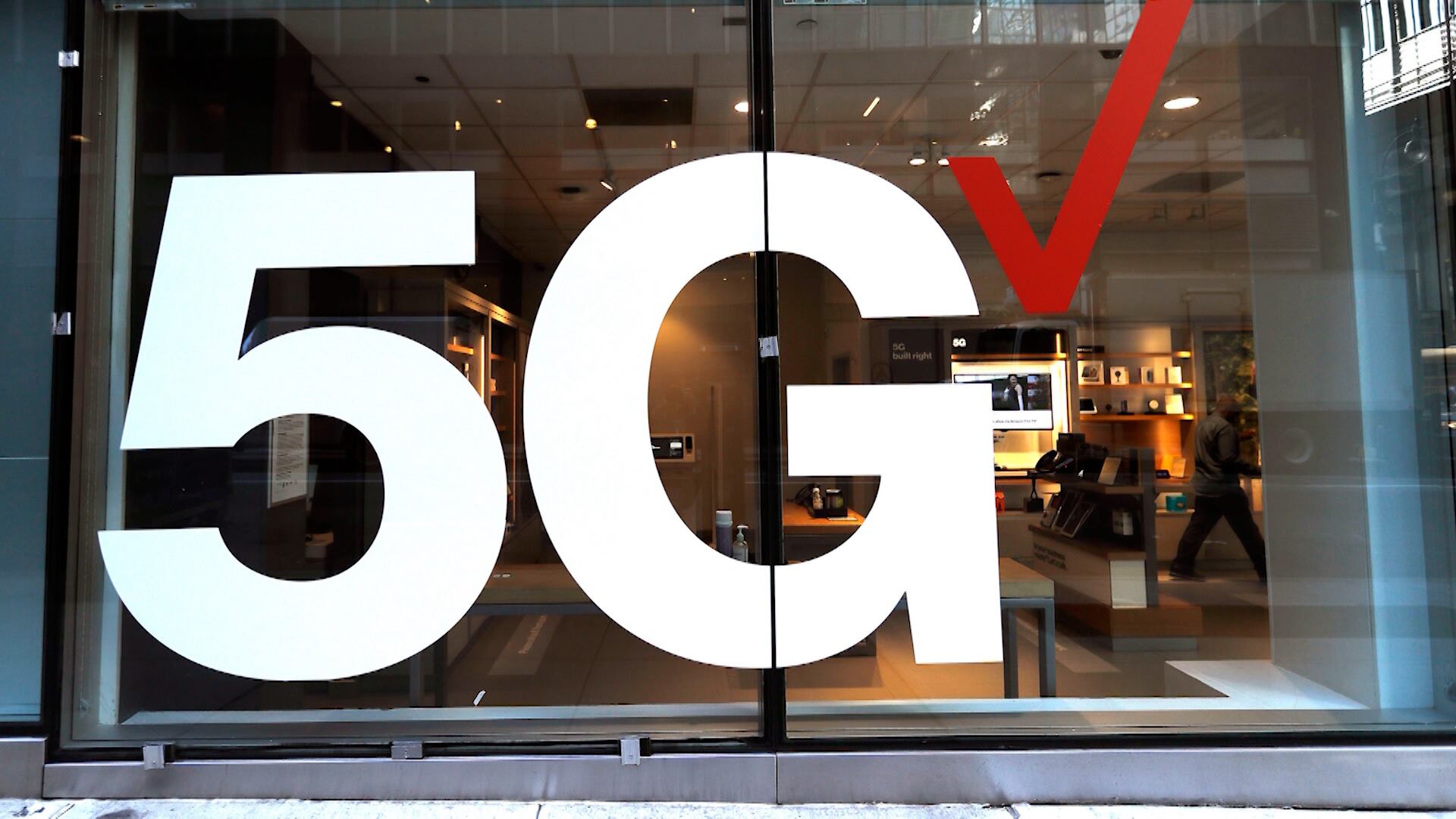
Airlines around the world cancel or change flights ahead of Verizon and AT&T's 5G rollout. The two wireless companies agreed to temporarily delay the launch of the new service near some key airports, after airlines warned the 5G signals could interfere with certain aviation equipment. Jonathan Adelstein, president and CEO of the Wireless Infrastructure Association, joined Cheddar News to discuss.
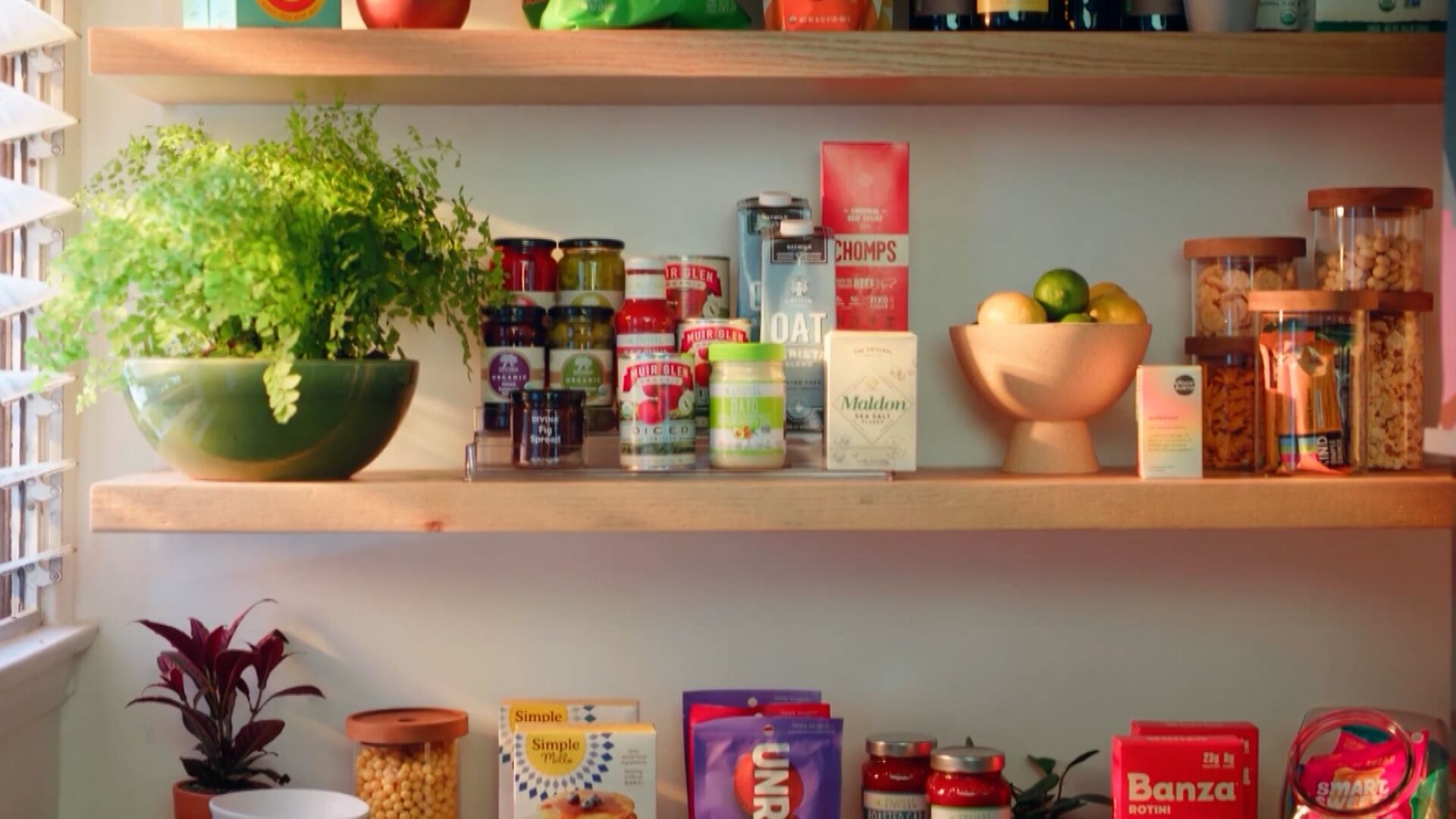
Thrive Market is a health-first membership for conscious living, with a mission to make healthy and sustainable living easy and accessible. Nick Green, CEO and co-founder, chatted with Cheddar's Baker Machado about the company's approach and new ventures in 2022. "I grew up outside of Minneapolis, middle class, middle America, and really saw firsthand how hard my mom had to work to put healthy food on the table, on a budget, without a health food store nearby," he said. "Twenty-some years later we looked around and just thought it was crazy that millions of Americans are still struggling with the same thing, and we decided to change it." Recently the brand released a line of organic frozen products and will be introducing new beauty and home brands.
Morgan Stanley reported a beat on its Q4 with $2.01 per share versus an estimated $1.91. The investment banking company's earnings were up about 9.2 percent from the year before.