Canopy CEO: We'll 'Disrupt the Heck' Out of Pharma
*By Carlo Versano*
At the end of a week that saw the nascent cannabis sector soar to record valuations (with enough [volatility](https://cheddar.com/videos/making-sense-of-tilrays-stock-chart) to make your head spin), at least one exec isn't getting high off his own supply.
Bruce Linton, CEO of Canopy Growth ($CGC), told Cheddar Friday that he is focused on using a recent $4 billion cash injection from Constellation Brands to accelerate his business operations as new markets open up for legal marijuana use.
The market for legal pot went from a handful of countries like Canada, where Canopy is based, to now over 30 globally, Linton said in an interview, and Constellation's stake "is the kind of rocket fuel we need."
As speculators send the stocks higher ー Canopy is up 100 percent since the August deal, while Tilray ($TLRY) is up 1,000 percent since its July IPO ー Linton is keeping his nose to the grindstone developing new uses for cannabis, illustrated by the 39 patents Canopy filed in the last year just for sleep-related cannabinoid products. He sees other uses as well, from anxiety to sports recovery, which begs the question: is Canopy a pharma company?
"We're going to have enough intellectual property and activity that it would be difficult for pharma companies...not to need to play with us," Linton said. "We're going to disrupt the heck out of them."
Speaking of disruption, Linton said he wasn't bothered by parallels with the dot-com bubble of the early 2000s. He said Canopy had more in common with a Google or Amazon ー established businesses with strong fundamentals ー than any of the internet stocks that were relegated to the tech boneyard after the bubble popped.
But for an industry like cannabis that is entirely dependent on regulation, there will always be a risk, Linton noted. For every country like Canada, which legalized medical marijuana in 2001 and will allow recreational use starting October 17, there's an Italy ー where medical marijuana is legal but heavily restricted ー or a Japan ー where it is strictly outlawed. Put another way, Canopy may have the best legal pot cultivation and distribution in the world, but its long-term success on a global scale may be capped by shifting regulatory and political climates.
Still, Linton sees the writing on the wall in places like South America, Australia, and the EU. As regulatory barriers come down, he said Canopy's strong production operations will lead the market.
"People can fight for who's going to be the second best," Linton said. "We're going to be the best and the largest and the most dominant on the planet over the next decade."
For full interview [click here](https://cheddar.com/videos/canopy-growth-blazing-a-trail).
Robert Conzo, CEO of The Wealth Alliance, breaks down the major headwinds impacting markets and highlights areas within technology showing potential growth.
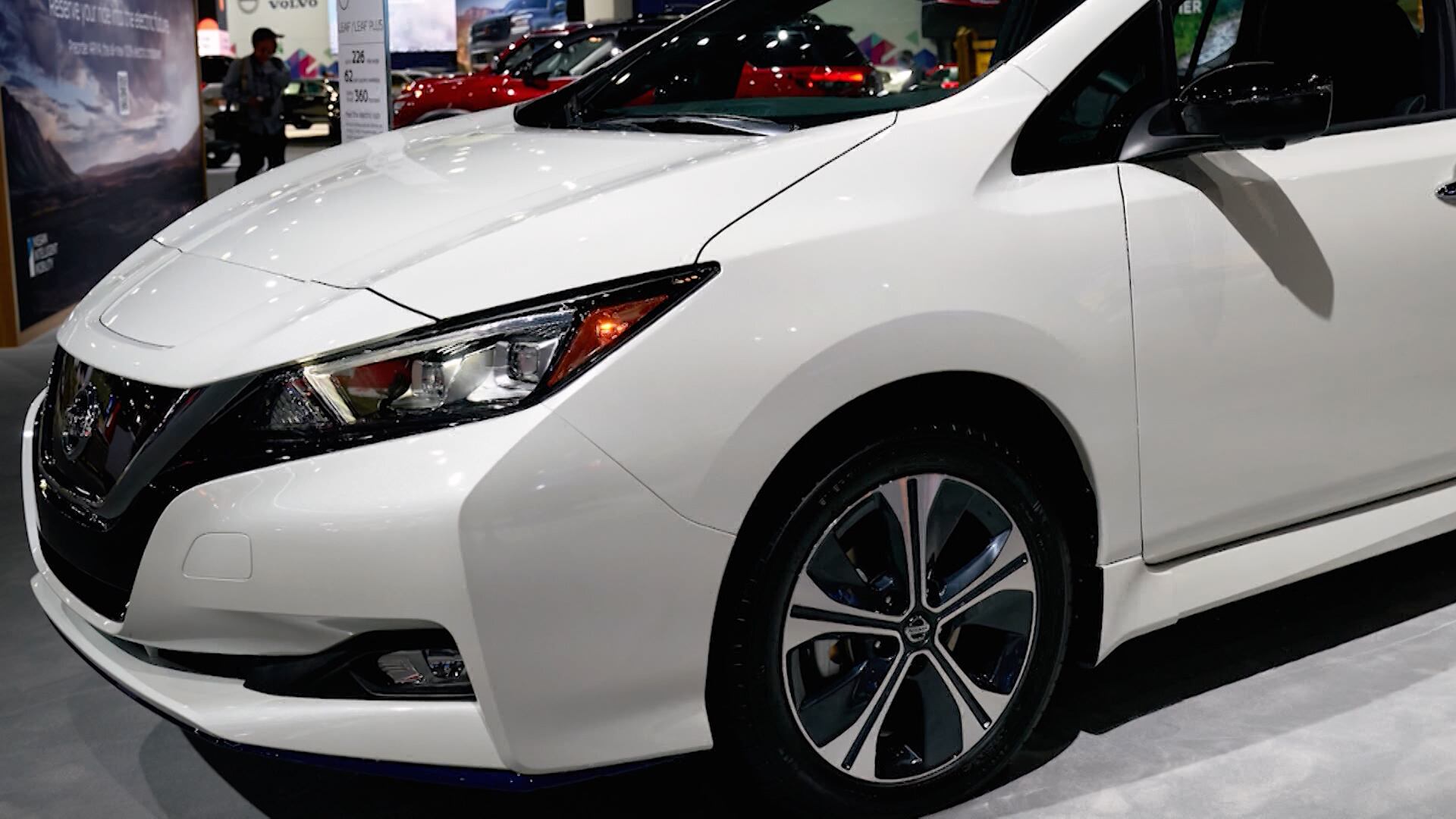
Nissan is revving up its commitment to electric vehicles. the Japanese automaker announcing plans to invest $500 million to transform its assembly plant in Mississippi to build two all-new EV models starting in 2025. It's all part of Nissan's goal to have 23 electrified models for the Nissan and Infiniti brands globally by 2030. Ashwani Gupta, Nissan's COO, joined Cheddar's Opening Bell to discuss this announcement and the company's EV goals moving forward.
Blue Apron CEO Linda Findley joined Cheddar News to talk about the meal kit company’s Wellness 360 holistic wellness campaign and previewing Q4 and end of year results to be released next week. "Really the concept here is about holistic wellness and health," Findley said. "So thinking through not just what you're eating, but also mental health and financial health. And so we try to bring lots of tools to people so that they can think about ways to manage that balance."
Cepton made its debut on the Nasdaq under the ticker symbol ‘CPTN’ on Thursday. Jun Pei, the co-founder and CEO, joined Cheddar News to discuss going public and its lidar-based solutions for improving safety in autonomous features in cars. "It's really just a huge benefit in addition to radar and camera, and becomes an entire sensor suite that will bring cars to a higher level, both for safety and autonomy."
A Senate bill unveiled on Wednesday looks to tackleonline safety for children by regulating Big Tech and social media platforms to deter users from content that can harm their mental health. Irene Ly, a policy counsel for the age-based ratings and review organization Common Sense Media, joined Cheddar News to break down the potential of the Kids Online Safety Act. "We can't be imposing such a big burden on parents to be doing it all on theirselves," Ly said. "I think you also have to keep in mind that parents often didn't grow up with social media, so they don't understand what it's like to be addicted to social media or really understand how they work."
While many still remain skeptical about the metaverse, big tech firms and even one big bank are ready to expand their virtual worlds. Facebook parent company has pivoted so hard it will now call its employees 'Metamates,' and even JPMorgan Chase has created its own digital lounge on one virtual platform. While the sector remains young, there seems to be significant investment opportunity, especially with companies like Nvidia. Adam Johnson, a portfolio strategist at Adviser Investments, joins Closing Bell to discuss which companies could win in this space, consumer appetite, and more.
Marc Blinder, Co-Founder and CEO of Aikon, joins Cheddar News' Closing Bell, where he discusses how his company is helping businesses use blockchain applications without needing to learn the intricacies of the new technology.