Canopy CEO: We'll 'Disrupt the Heck' Out of Pharma
*By Carlo Versano*
At the end of a week that saw the nascent cannabis sector soar to record valuations (with enough [volatility](https://cheddar.com/videos/making-sense-of-tilrays-stock-chart) to make your head spin), at least one exec isn't getting high off his own supply.
Bruce Linton, CEO of Canopy Growth ($CGC), told Cheddar Friday that he is focused on using a recent $4 billion cash injection from Constellation Brands to accelerate his business operations as new markets open up for legal marijuana use.
The market for legal pot went from a handful of countries like Canada, where Canopy is based, to now over 30 globally, Linton said in an interview, and Constellation's stake "is the kind of rocket fuel we need."
As speculators send the stocks higher ー Canopy is up 100 percent since the August deal, while Tilray ($TLRY) is up 1,000 percent since its July IPO ー Linton is keeping his nose to the grindstone developing new uses for cannabis, illustrated by the 39 patents Canopy filed in the last year just for sleep-related cannabinoid products. He sees other uses as well, from anxiety to sports recovery, which begs the question: is Canopy a pharma company?
"We're going to have enough intellectual property and activity that it would be difficult for pharma companies...not to need to play with us," Linton said. "We're going to disrupt the heck out of them."
Speaking of disruption, Linton said he wasn't bothered by parallels with the dot-com bubble of the early 2000s. He said Canopy had more in common with a Google or Amazon ー established businesses with strong fundamentals ー than any of the internet stocks that were relegated to the tech boneyard after the bubble popped.
But for an industry like cannabis that is entirely dependent on regulation, there will always be a risk, Linton noted. For every country like Canada, which legalized medical marijuana in 2001 and will allow recreational use starting October 17, there's an Italy ー where medical marijuana is legal but heavily restricted ー or a Japan ー where it is strictly outlawed. Put another way, Canopy may have the best legal pot cultivation and distribution in the world, but its long-term success on a global scale may be capped by shifting regulatory and political climates.
Still, Linton sees the writing on the wall in places like South America, Australia, and the EU. As regulatory barriers come down, he said Canopy's strong production operations will lead the market.
"People can fight for who's going to be the second best," Linton said. "We're going to be the best and the largest and the most dominant on the planet over the next decade."
For full interview [click here](https://cheddar.com/videos/canopy-growth-blazing-a-trail).
Pinterest is making a big move as it pushes further into online shopping. The image-focused social media site is acquiring A.I.-powered shopping platform THE YES as it focuses on enhancing the user shopping experience. THE YES's technology gives users a personalized feed of products based on their preferences, and Pinterest is banking on the tech to give it an advantage among other social media apps with built-in shopping features. Julie Bornstein, founder and CEO of THE YES, joins Closing Bell to discuss the company's unique technology, why it agreed to sell to Pinterest, her vision as she takes over shopping initiatives, and more.
Keith Barr, CEO of InterContinental Hotel Group, says he is expecting an 'incredible' summer for his business as pandemic conditions have normalized and people are ready to travel.
Dann Ryan, Chief Investment Officer at Sincerus Advisory, discusses what drove markets lower on Wednesday, as well as what investors are anticipating when it comes to the upcoming CPI report and Fed decision.
U.S. stocks close Tuesday at session highs after a subpar start to the trading day. Tim Chubb, Chief Investment Officer at the wealth advisory firm, Girard, joins Cheddar News' Closing Bell to discuss. 'We're starting to see the moderation of three core things -- we've seen the moderation of prices, we've seen the moderation of wage growth we've seen in the labor market, and we've also seen a moderation of job openings,' he says.
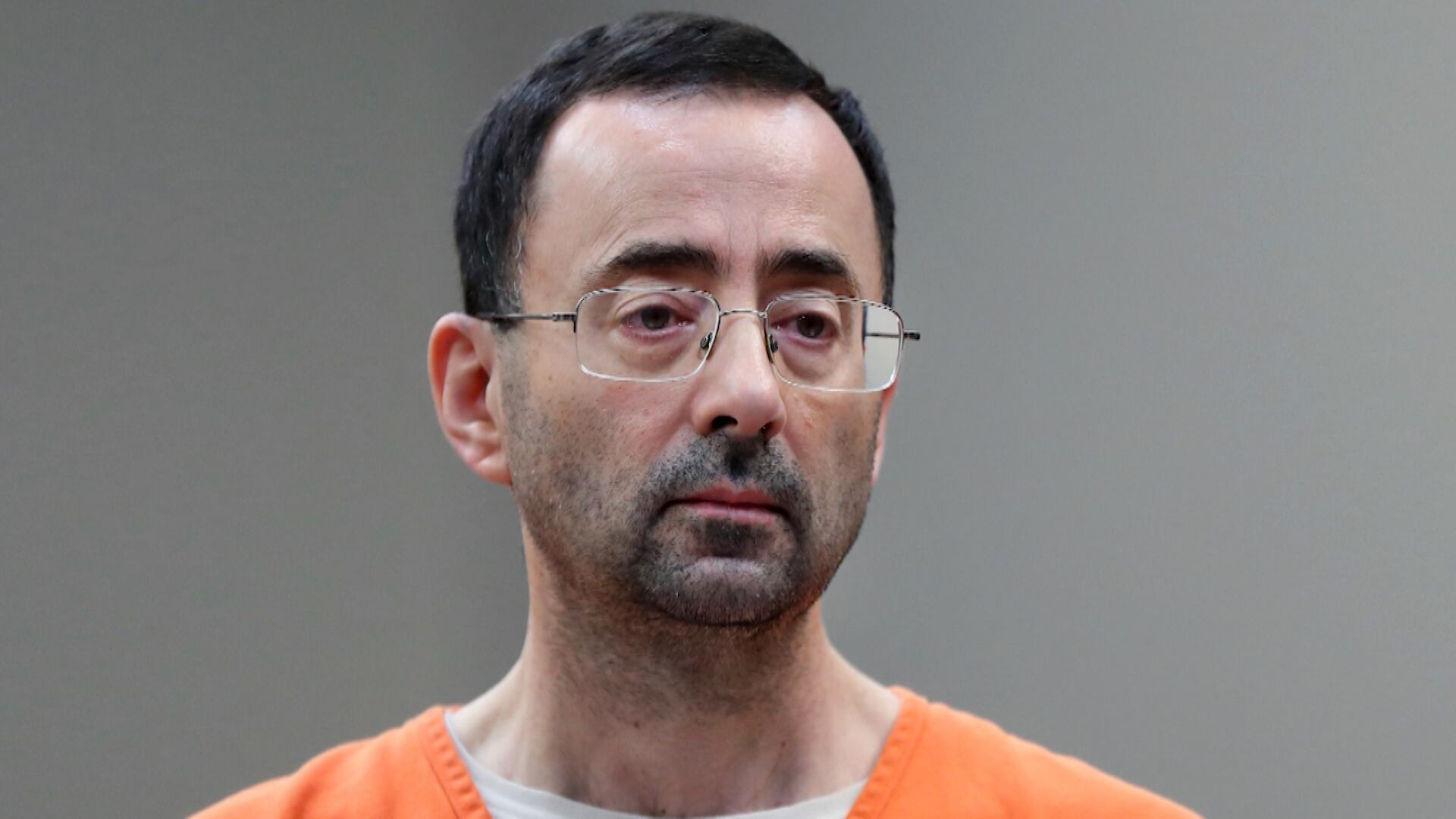
The victims from the USA gymnastics sexual abuse scandal continue to seek justice. Survivors of Larry Nassar are seeking more than one-billion dollars from the FBI for failing to stop the convicted sports doctor when the agency first received allegations. According to a report released by the Justice Department's Inspector General, FBI agents knew
in July of 2015 that Nassar was accused of abusing gymnasts; however, Nassar wasn't arrested until December of 2016. The group that filed the claim includes Olympic medalist Simone Biles and around 90 other women. Louise Radnofsky, sports reporter at The Wall Street Journal, joins Cheddar News' Closing Bell to discuss.
A controversial professional golf tour backed by Saudi Arabia tees off on Thursday. Today, two-time Major winner Dustin Johnson announced he's resigned from the PGA Tour ahead of headlining the Saudi-backed tour, called the LIV Golf Invitation Series. The announcement comes as the PGA tour has threatened disciplinary action for its golfers who take part in the Saudi golf league event, which will also feature notable golf stars like Phil Mickelson and Sergio Garcia; however, LIV Golf's CEO, Greg Norman, told The Washington Post that Tiger Woods rejected a contract worth 'high nine digits' to play in the tour. Chris Bumbaca, reporter for USA Today Sports, joins Cheddar News' Closing Bell to discuss.
CreditCards.com senior industry analyst Ted Rossman compares the Apple Pay Later offering to similar four-step processes at Affirm and Klarna, and says this is a way for the tech giant to dive deeper into the financial industry.
Tech analyst Rene Ritchie discusses new EU legislation that will force iPhones to use a USB-C charger in fall 2024 and what that means for Apple's strategy in Europe.
Catching you up on the stories you need to know this morning, mass shooting victims testify on Capitol Hill, the White House outlines its plan to vaccinate kids younger than five years old, and we break down how to protect yourself from monkeypox.