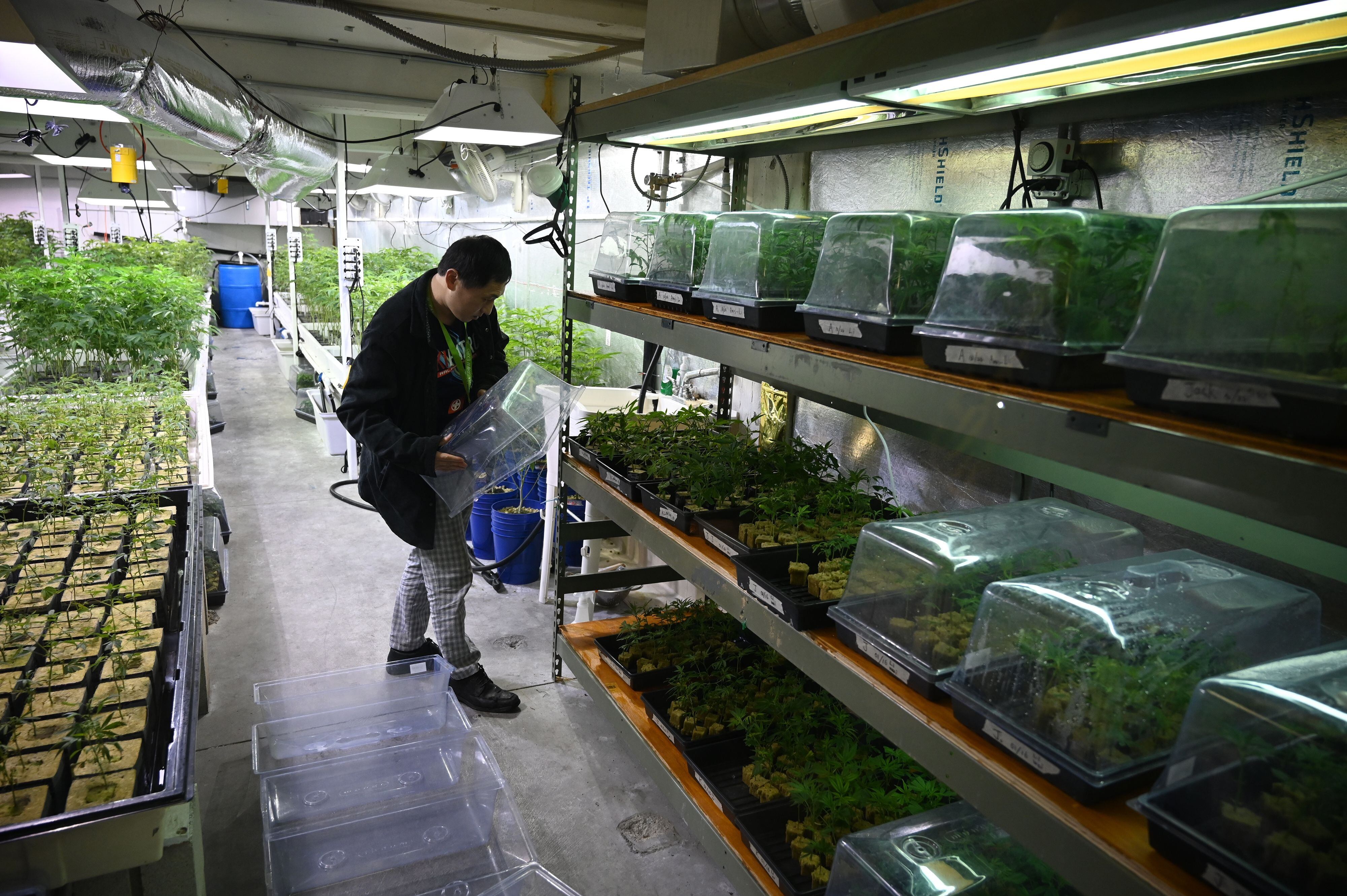
Malls, movie theaters, and retailers across the U.S. have been forced to close down to stem the spread of coronavirus, but cannabis dispensaries and retailers will stay open for business after a number of local governments deemed them “essential.”
San Francisco was among the first cities to make this distinction, permitting cannabis dispensaries to continue operations so long as they observe proper standards for sanitation and social distancing, such as allowing no more than 10 people inside at all times. The decision came Tuesday evening, hours after a “shelter in place” order for seven California counties took effect.
“Cannabis is an essential medicine for many San Francisco residents. Dispensaries can continue to operate as essential businesses during this time, while practicing social distancing and other public health recommendations,” San Francisco’s Department of Public Health wrote in a tweet.
San Francisco Mayor London Breed quickly endorsed the decision on social media, as well as later that evening during a press conference.
The decision followed intense backlash from the cannabis industry and consumers, SFGate reported.
“Medical cannabis access is essential to many seriously ill patients who rely on it for the treatment of otherwise intractable conditions,” Dale Gieringer, director of the California chapter of cannabis advocacy group NORML, said in a statement, pushing back at the health department’s initial orders.
The California Cannabis Industry Association, a trade group that represents hundreds of California cannabis businesses, also sent a letter to Gov. Gavin Newsom on Monday, imploring him to consider exempting cannabis businesses from shutdown orders in the event of a statewide crackdown — which ultimately came on Thursday. California NORML said Newsom had assured them that cannabis retailers are not included on his list of nonessential businesses that must close.
In the hours before cannabis dispensaries and retail shops were ordered to shut down in the Bay Area, there was a rush on retail shops. Local media reported long lines at dispensaries in the Bay Area, which contributed to massive surges in sales across the state. According to data and analytics company Headset, sales in California on March 16 were 56 percent higher than the preceding four Mondays, and sales of edibles surged 107 percent, nearly matching the volume seen on cannabis holiday 4/20.
On Thursday, Los Angeles became the latest California city to exempt cannabis businesses from shutdown orders. Mayor Eric Garcetti issued an emergency order called “Safer at Home,” which implores LA residents to stay home and limit activities outside of their homes to only what is essential. Cannabis dispensaries and “any related and/or ancillary healthcare services” were included under health care operations on a list of essential businesses that can remain open.
Meanwhile, New York Gov. Andrew Cuomo signed an executive order Friday implementing strict rules to prevent the spread of the virus. Included in the “New York State on PAUSE” order, which will go into effect Sunday, are mandates that all non-essential businesses close, and that New Yorkers stay six feet away from each other in public, among other things.
But the New York State Department of Health declared cannabis dispensaries “essential and allowed to remain open because they are considered medical providers,” according to a spokesperson from the Health Department.
The state of Nevada implemented similar protocols, permitting cannabis stores to operate so long as they adhere to proper health protocols, which prompted state operators to offer updates about how they’re attempting to keep employees and customers safe and healthy.
Meanwhile, the cannabis industry and advocates in other states are pushing for similar treatment. In Michigan, for example, the Michigan Cannabis Industry Association sent a letter to Gov. Gretchen Whitmer Thursday asking for cannabis dispensaries to be deemed essential and for doctors to be able to consult patients remotely. The trade group said its letter was “well received.”