By Melina Walling, Melissa Winder and Trisha Ahmed
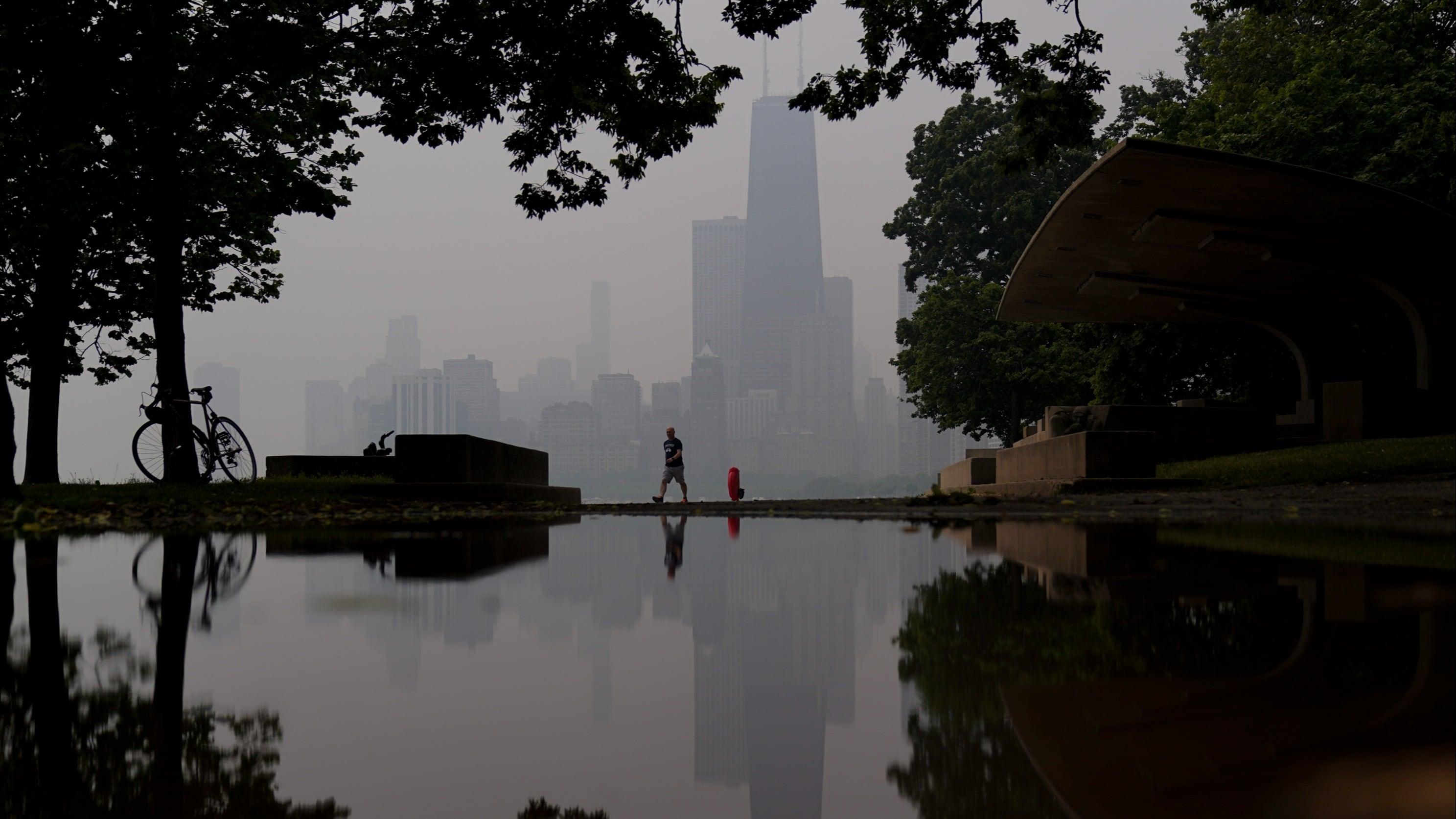
Drifting smoke from the ongoing wildfires across Canada is creating curtains of haze and raising air quality concerns throughout the Great Lakes region, and in parts of the central and eastern United States.
In Minnesota, a record 23rd air quality alert was issued Tuesday through late Wednesday night across much of the state, as smoky skies obscure the skylines of Minneapolis and St. Paul.
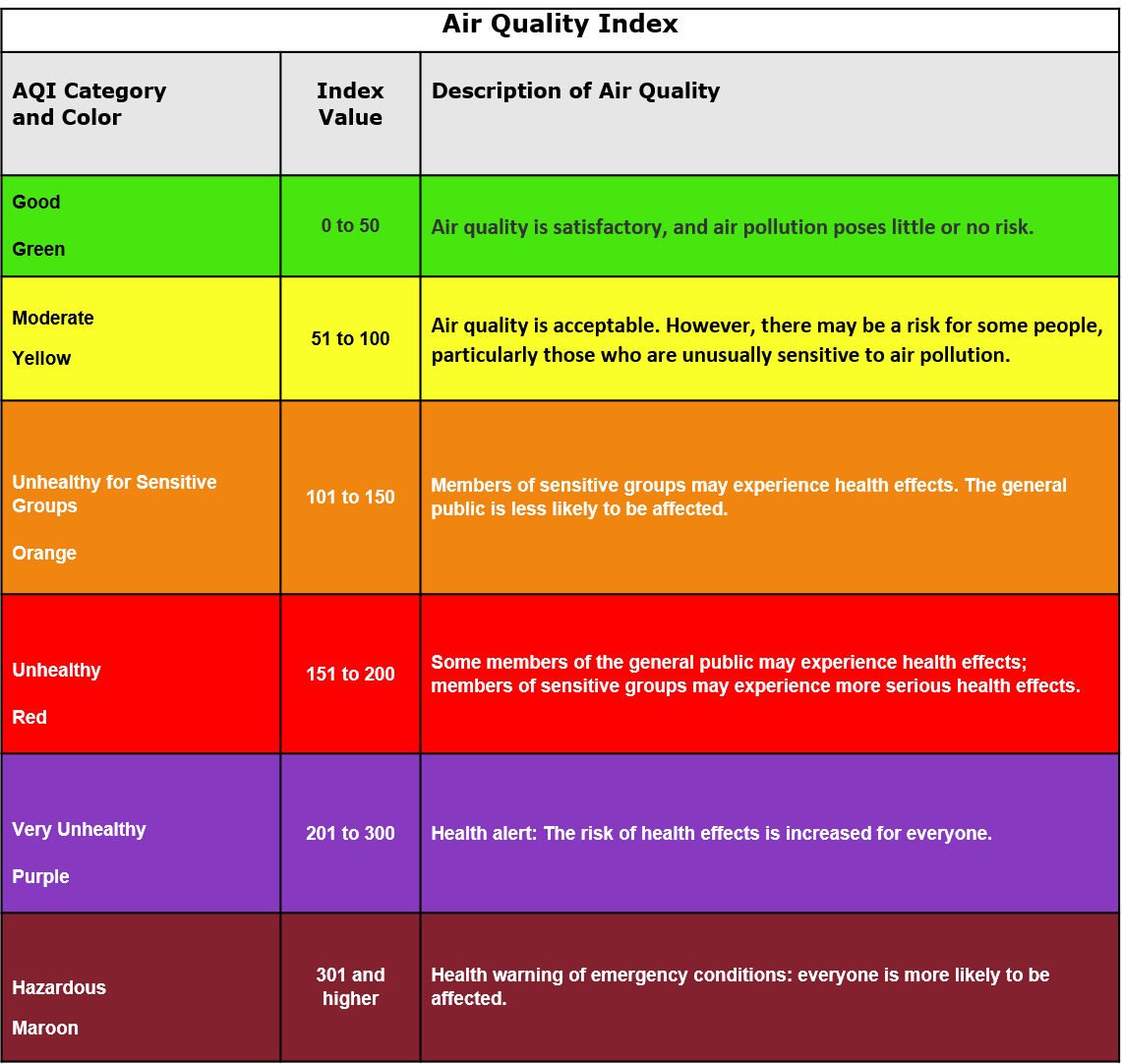
Michigan's Department of Environment, Great Lakes, and Energy on Tuesday issued an air quality alert for the entire state, while in Chicago — where the air quality has been categorized “unhealthy” by the U.S. Environmental Protection Agency — officials are urging young people, older adults and residents with health issues to spend more time indoors.
“Just driving into the zoo ... you could just see around the buildings, kind of just haze," said Shelly Woinowski, who was visiting the Lincoln Park Zoo in Chicago.
Some day care centers in the Chicago area have told parents that their children will remain indoors Tuesday due to the poor air quality, while one youth sports club says it adjusted its activities to add more time indoors.
“We recommend children, teens, seniors, people with heart or lung disease, and individuals who are pregnant avoid strenuous activities and limit their time outdoors,” Mayor Brandon Johnson said in a release. “As these unsafe conditions continue, the city will continue to provide updates and take swift action to ensure that vulnerable individuals have the resources they need to protect themselves and their families.”
Earlier this month, massive fires burning stretches of Canadian forests blanketed the northeastern United States and the Great Lakes region, turning the air yellowish gray, and prompting warnings for people to stay inside and keep windows closed.
The small particles in wildfire smoke can irritate the eyes, nose and throat, and can affect the heart and lungs, making it harder to breathe. Health officials say it’s important to limit outdoor activities as much as possible to avoid breathing in these particles.
Fires in northern Quebec and low pressure over the eastern Great Lakes are sending smoke through northern Michigan, and across southern Wisconsin and Chicago, said Bryan Jackson, a meteorologist with the National Weather Service.
Jackson added that a north wind would push the smoke further south, moving into Illinois, Indiana and Kentucky later Tuesday and overnight.
Southwestern Michigan has a high air quality index, over 200 on a 500-point index, he noted. That’s considered unhealthy for everyone because it denotes high levels of fine particle pollution, or PM2.5 particles.
“Until the fires are out, there’s a risk,” Jackson said. “If there’s any north component to the wind, there’s a chance it’ll be smoky.”
In early June, U.S. President Joe Biden said in a statement that hundreds of American firefighters and support personnel have been in Canada since May, and called attention to the fires as a reminder of the impacts of climate change.
The warming planet will produce hotter and longer heat waves, making for bigger, smokier fires, according to Joel Thornton, professor and chair of the department of atmospheric sciences at the University of Washington.
Priti Marwah, who was beginning a run along the city's lakefront, describes the haze in Chicago Tuesday as “bad.”
“Like, you can smell it bad," she said. "I run a hundred miles a week, so this is going to be dangerous today. You can feel it ... just even parking right there and coming out, I can feel it in my lungs.”
Smoke from the wildfires moved into Minnesota late Monday, and ground-level smoke is expected to linger across southern, east-central and northeastern Minnesota. That includes the Twin Cities area, up to the northeast corner of the state and down to the southwest and southeast corners.
The Minnesota Pollution Control Agency tweeted that Tuesday marked the 23rd air quality alert in Minnesota this year, breaking the previous record of 21 in 2021. Minnesota usually averages two or three alerts in a season.
St. Paul recorded the worst air quality in the United States two weeks ago due to smoke from Canadian wildfires. As of midday Tuesday, the air quality was rated “unhealthy” across eastern Minnesota from the Canadian border to the Iowa border.
The MPCA said a cold front will move across Minnesota on Wednesday, bringing cleaner air from the west across the region by early Thursday.
But on Tuesday, the coming respite meant little to Dan Daley, a resident of St. Louis Park, Minnesota.
“It’s kind of miserable some days because you can’t spend a lot of time outside,” he said.
Daley said he smelled – and tasted – smoke in the air when he left the house this morning. He saw a hazy sky and wondered if that will be the norm for future summers in the area. When the air quality makes it unhealthy to be outside, Daley struggles to do the things he enjoys like hiking, camping and walking around town.
He worries that people in other parts of the country who haven’t experienced days of bad air quality will think it’s not a big deal. “If they think the smoke’s not that bad, they should come up here and see it for themselves” Daley said.
Ahmed reported from Minneapolis. AP reporter Steve Karnowski in Minneapolis contributed to the story.