Canadian Pacific Railway train through Banff National Park, Canada. - stock photo. Credit: Natapong Supalertsophon / Getty Images
Canadian Pacific Railway Ltd. has agreed to buy Kansas City Southern for $25 billion in cash and stock, creating the first rail network linking the United States, Mexico, and Canada.
The deal values Kansas City Southern at $275 a share, based on Friday’s stock prices. Kansas City Southern shares closed Friday at $224 on the New York Stock Exchange.
The acquisition would need the approval of a U.S. regulator, the Surface Transportation Board. The companies said they expect the process to take until mid-2022.
The combined company would operate about 20,000 miles of railway, employ 20,000 people and generate annual revenue of about $8.7 billion. In a joint statement, the railroads said their merger is “expected to create jobs across the combined network.’’
They also said the deal would allow their customers seamless transportation throughout much of the U.S., Canada and Mexico.
The three countries last year entered into a revamped regional trade pact, negotiated by President Donald Trump, that is expected to encourage trade and investment across North America. Canadian Pacific CEO Keith Creel said that the so-called U.S.-Mexico-Canada Agreement “makes the efficient integration of the continent’s supply chains more important than ever before.’’
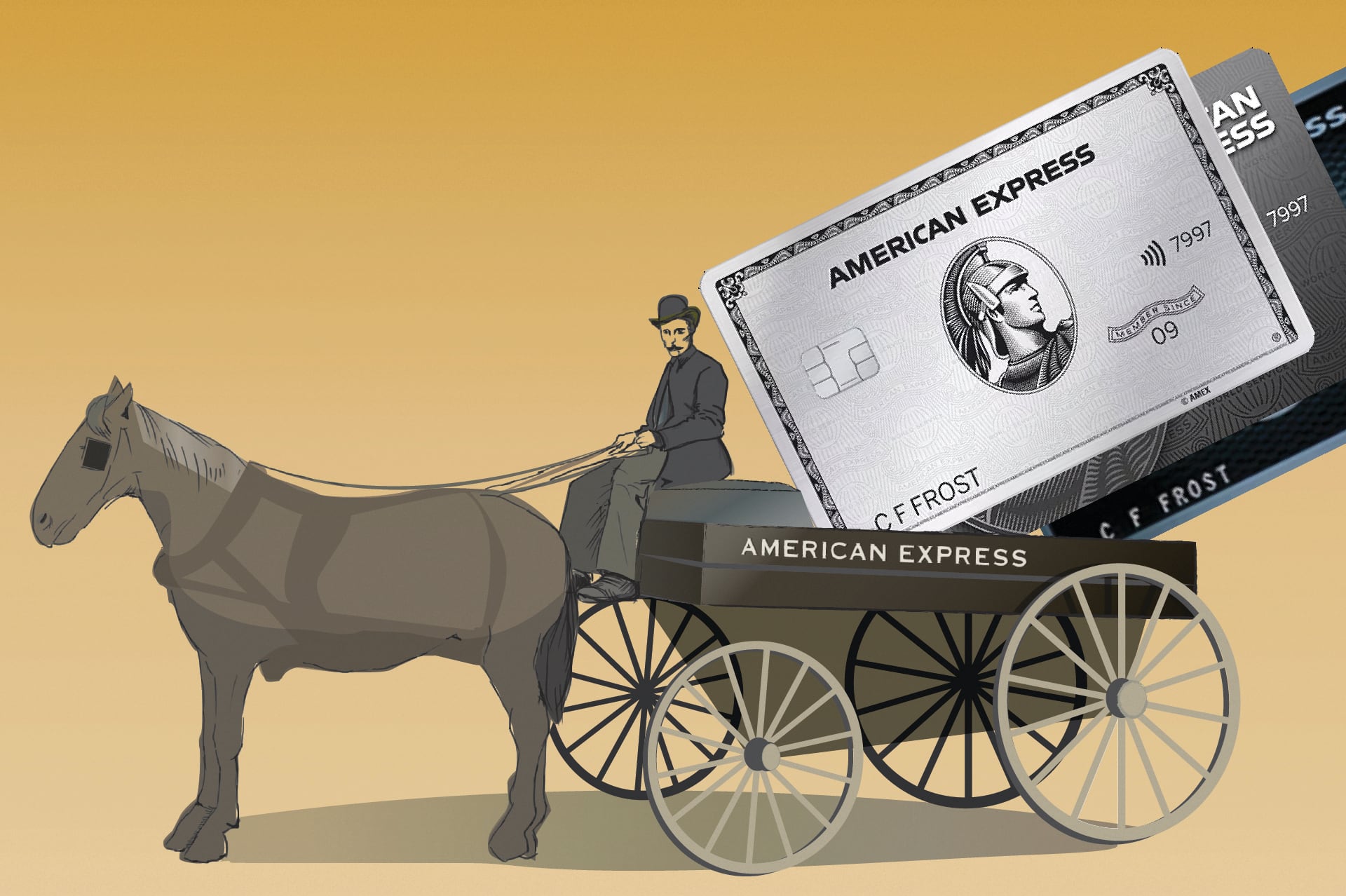
For 30 years Ira Galtman’s job has been to document how American Express went from an express stagecoach company in New York in 1850, to what it is today.
The Good Charcoal Company offers eco-friendly, chemical-free charcoal sourced from Namibian acacia wood, promoting sustainable grilling practices nationwide.
After a few months of positive data, the Fed chair says he’s in no rush to cut rates – and this analyst says inflation could stick around for the near future.
As the DOJ potentially prepares to file criminal charges against Boeing, an industry expert breaks down what went wrong – and how it could make things right.
The Fed chair seems pleased with how far inflation has fallen, but according to this analyst, we could be waiting until 2025 to hit that crucial 2% goal.