In this Sept. 7, 2020, file photo, a protester carries a Proud Boys banner, a right-wing group, while other members start to unfurl a large U.S. flag in front of the Oregon State Capitol in Salem, Ore. The Canadian government designated the Proud Boys group as a terrorist entity on Wednesday, Feb. 3, 2021, noting they played a pivotal role in the insurrection at the U.S. Capitol on Jan. 6. (AP Photo/Andrew Selsky, File)
By Rob Gillies
The Canadian government designated the Proud Boys group as a terrorist entity on Wednesday, noting they played a pivotal role in the insurrection at the U.S. Capitol on Jan. 6.
The Proud Boys have faced increased scrutiny after seizing on the former Trump administration’s policies and was a major agitator during earlier protests and the Capitol riot on Jan. 6. The Proud Boys is a far-right, male chauvinist extremist group known for engaging in violent clashes at political rallies. Canada is the first country to designate them as a terrorist entity.
During a September presidential debate, Donald Trump had urged them to “stand back and stand by” when asked to condemn them by a moderator.
A Canadian government senior official said the Jan. 6 insurrection at the U.S. Capitol contributed to the designation.
The terrorist designation means the group may have assets seized and face harsher terrorism-related criminal penalties. A government official said just because they are a member doesn't mean they will be charged with a crime, but if they do engage in violent acts they could be charged with terrorist crimes.
Sending money to the organization or buying Proud Boys paraphernalia would also be a crime.
“The group and its members have openly encouraged, planned, and conducted violent activities against those they perceive to be opposed to their ideology and political beliefs,” the Canadian government said in briefing materials.
“The group regularly attends Black Lives Matter (BLM) protests as counter-protesters, often engaging in violence targeting BLM supporters. On January 6, 2021, the Proud Boys played a pivotal role in the insurrection at the U.S. Capitol.”
The government calls the Proud Boys a neo-fascist organization with semiautonomous chapters located in the United States, Canada, and internationally. It said it engages in political violence and that members espouse misogynistic, Islamophobic, anti-Semitic, anti-immigrant, and white supremacist ideologies.
Public Safety Minister Bill Blair said 12 other groups were also added to the list.
“Canada will not tolerate ideological, religious or politically motivated acts of violence,” Blair said.
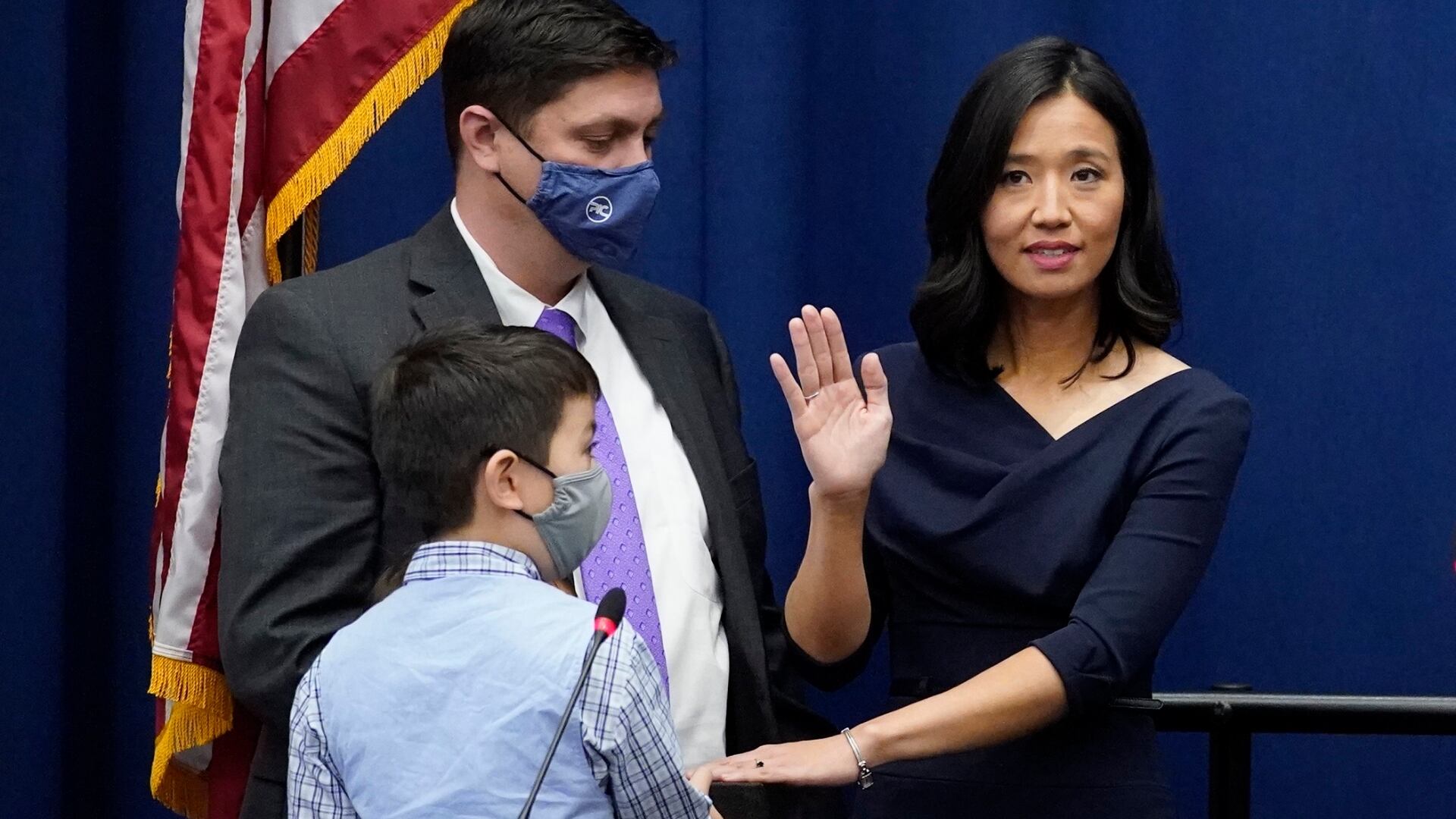
As the 2022 midterm elections fast approach, here are some politicians Americans should be on the lookout for. Democratic Massachusetts state senator Sonia Chang-Diaz, who was the first Latina and Asian American woman to be elected to the state's senate, now has her eye on the governorship with Republican Charlie Baker leaving. New Jersey GOP candidate for Congress, Billy Prempeh also bears watching, and while Boston's newest mayor, Democrat Michelle Wu, was already sworn in last month, all eyes will be on Beantown as the first woman and first person of color to hold the office tries to usher in a new era for the city.
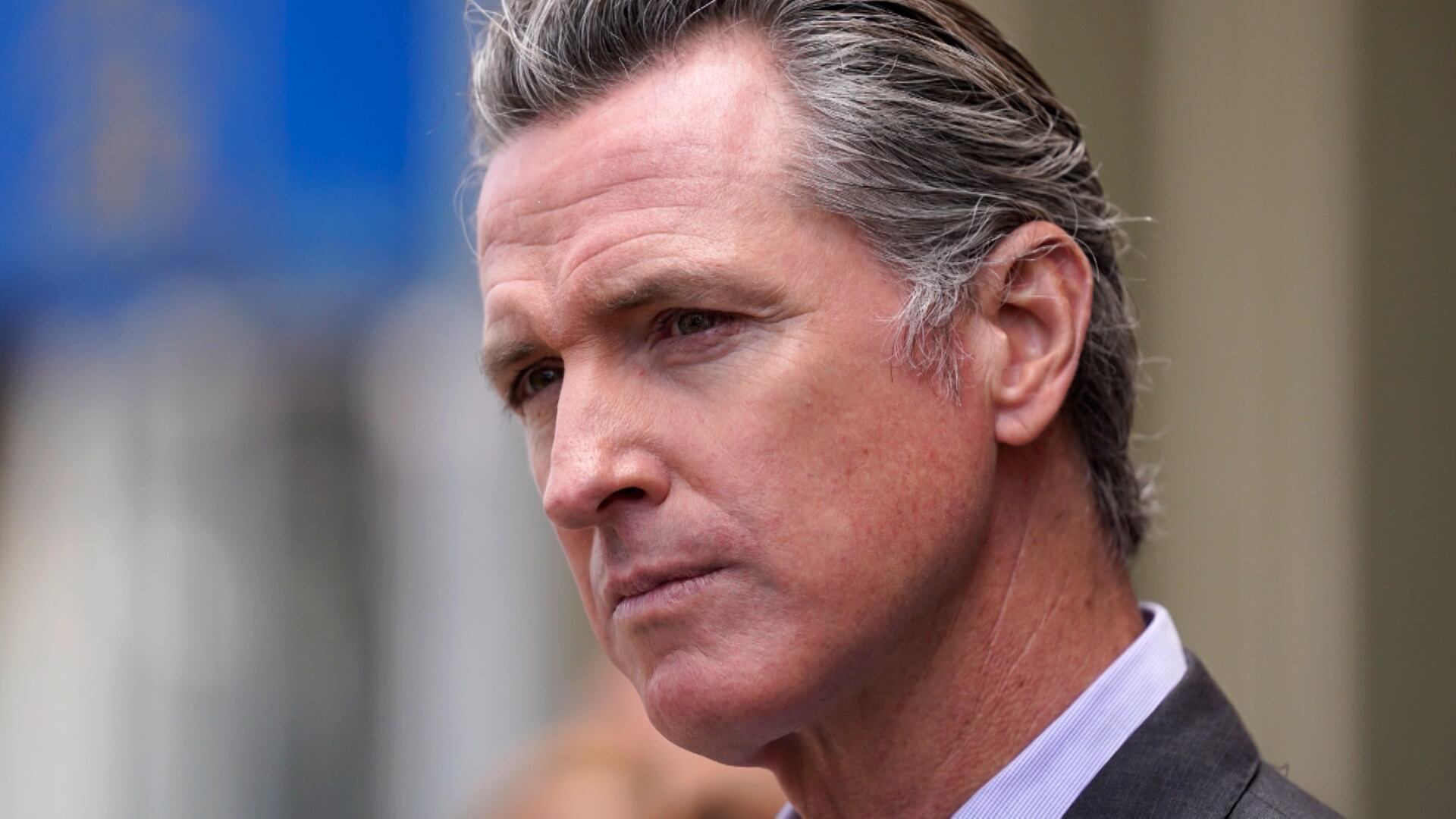
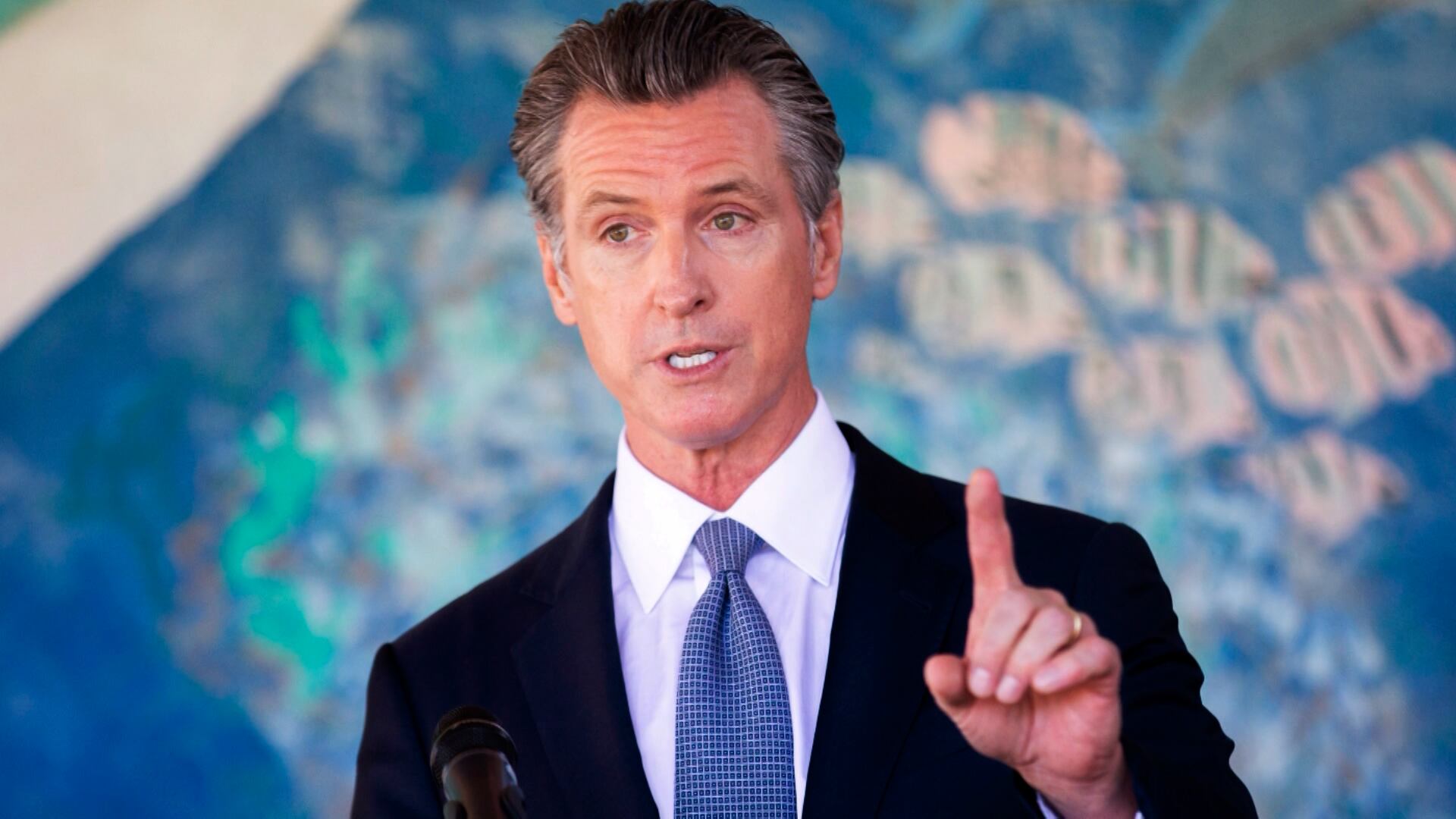
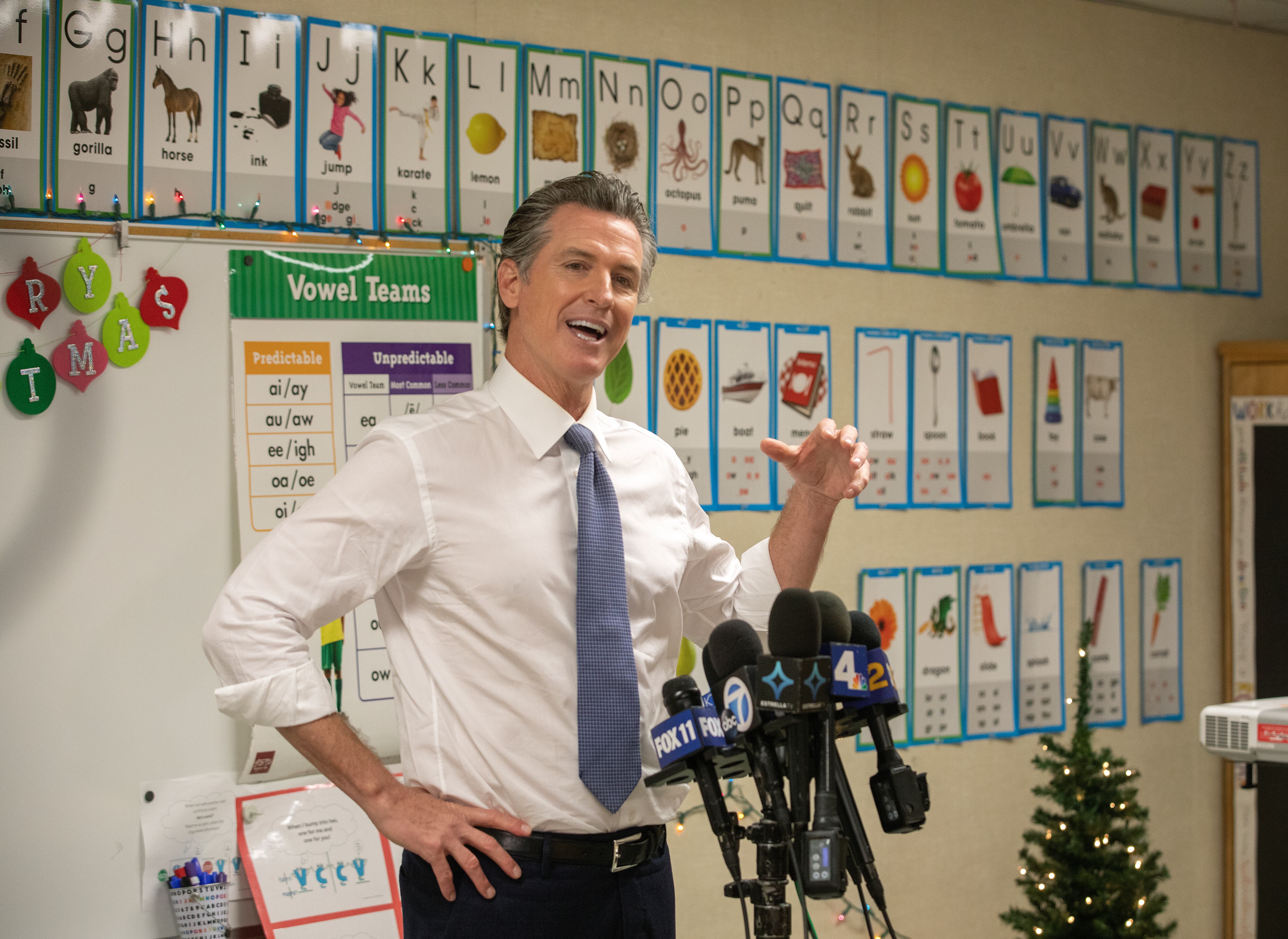
Emily Hoeven, newsletter editor at CalMatters, joins Cheddar News to discuss California Governor Gavin Newsom's gun law modeled after Texas's abortion law.
Chuck Rocha, host of 'Nuestro' podcast and opinion contributor at The New York Times, joins Cheddar News to discuss why Democrats are losing Hispanic voters.
More businesses are requiring workers to return to the office, but there is concern that many employees in the middle class, especially women and people of color, need remote work options for reasons including childcare and financial security. Joan Williams, director of the Center for WorkLife Law at the University of California, joined Cheddar to discuss why office mandates could be detrimental to the middle class. She noted that while companies claim a return to offices would help foster more collaboration and efficiency, reports show that they are successfully able to do their jobs from home.
The U.S. postal service has confirmed that it secretly developed and tested a blockchain-based mobile voting system ahead of the 2020 election. Susan Greenhalgh, senior advisor on election security, Free Speech for People, joins Cheddar News to discuss the cybersecurity complications of a mobile voting system.
The U.S. Supreme Court ruled to allow the controversial Texas abortion law to remain in effect, banning abortion at six weeks and allowing any private citizen to sue a person or doctor aiding or abetting someone seeking an abortion. Outraged at this decision, California Governor Gavin Newsom is working to draft a proposal in line with the law as it relates to guns. Shawn Hubler, California correspondent at the New York Times, joins Cheddar News to discuss.