Canadian Prime Minister Justin Trudeau comments on the shooting in Nova Scotia during a news conference April 20, 2020 in Ottawa, Canada. (Photo by Dave Chan / AFP) (Photo by DAVE CHAN/AFP via Getty Images)
By Rob Gillies
Prime Minister Justin Trudeau said Friday that Canada is banning the use and trade of assault-style weapons immediately.
Trudeau cited numerous mass shootings in the country, including the killing of 22 people in Nova Scotia April 18 and 19. He announced the ban of over 1,500 models and variants of assault-style firearms, including two weapons used by the gunman as well as the AR-15 and other weapons that have been used in a number of mass shootings in the United States
"Canadians need more than thoughts and prayers," Trudeau said.
The Cabinet order doesn’t forbid owning any of the military-style weapons and their variants but it does ban the use and trade in them. He said the order has a two-year amnesty period for current owners, and there will be a compensation program that will require a bill passed in Parliament.
In the meantime, they can be exported, returned to manufacturers, and transported only to deactivate them or get rid of them. In certain limited circumstances, they can be used for hunting.
“You do not need an AR-15 to take down a deer," Trudeau said. “So, effective immediately, it is no longer permitted to buy, sell, transport, import or use military-grade, assault weapons in this country.”
Trudeau said the weapons were designed for one purpose and one purpose only: to kill the largest number of people in the shortest amount of time.
"There is no use - and no place - for such weapons in Canada,” he said.
Mass shootings are relatively rare in Canada, but Trudeau said they are happening more often. Trudeau noted he was nearby when in Montreal when gunman Marc Lepine killed 14 women and himself at Montreal’s Ecole Polytechnique college in 1989. The Ruger Mini-14 Lepine used is among weapons included in the ban.
Trudeau has said his government would introduce further gun control legislation prohibiting military-style assault weapons, a measure that had already been planned before the coronavirus pandemic interrupted the current parliamentary session.
“As of today the market for assault weapons is closed. Enough is enough,” Public Safety Minister Bill Blair said.
The gunman in Nova Scotia, 51-year-old Gabriel Wortman, shot 13 people to death and set fires that killed nine others in one of the worst mass shootings in the country's history. Police have said he used a handgun that was obtained in Canada and long guns that he obtained in the U.S., but they have not specifically said what guns he used. The rampage started with an assault on his girlfriend and it ended with 22 people dead in communities across central and northern Nova Scotia. A number of people had disputes with the gunman.
Blair said two of the illegal long guns that Wortman used are now on the list of weapons banned. He declined to identify them. He said making such guns illegal in Canada will make it harder for criminals to obtain them.
“Every firearm begins legally and then moves into an illegal market,” Blair said.
Opposition Conservative leader Andrew Scheer accused Trudeau of using the “immediate emotion of the horrific attack in Nova Scotia to push the Liberals’ ideological agenda and make major firearms policy changes.”
Scheer said the Nova Scotia shooter did not have a firearms licence, so all of his guns were illegal.
“Taking firearms away from law-abiding citizens does nothing to stop dangerous criminals who obtain their guns illegally,” Scheer said in a statement. “The vast majority of gun crimes are committed with illegally obtained firearms. Nothing the Trudeau Liberals announced today addresses this problem."
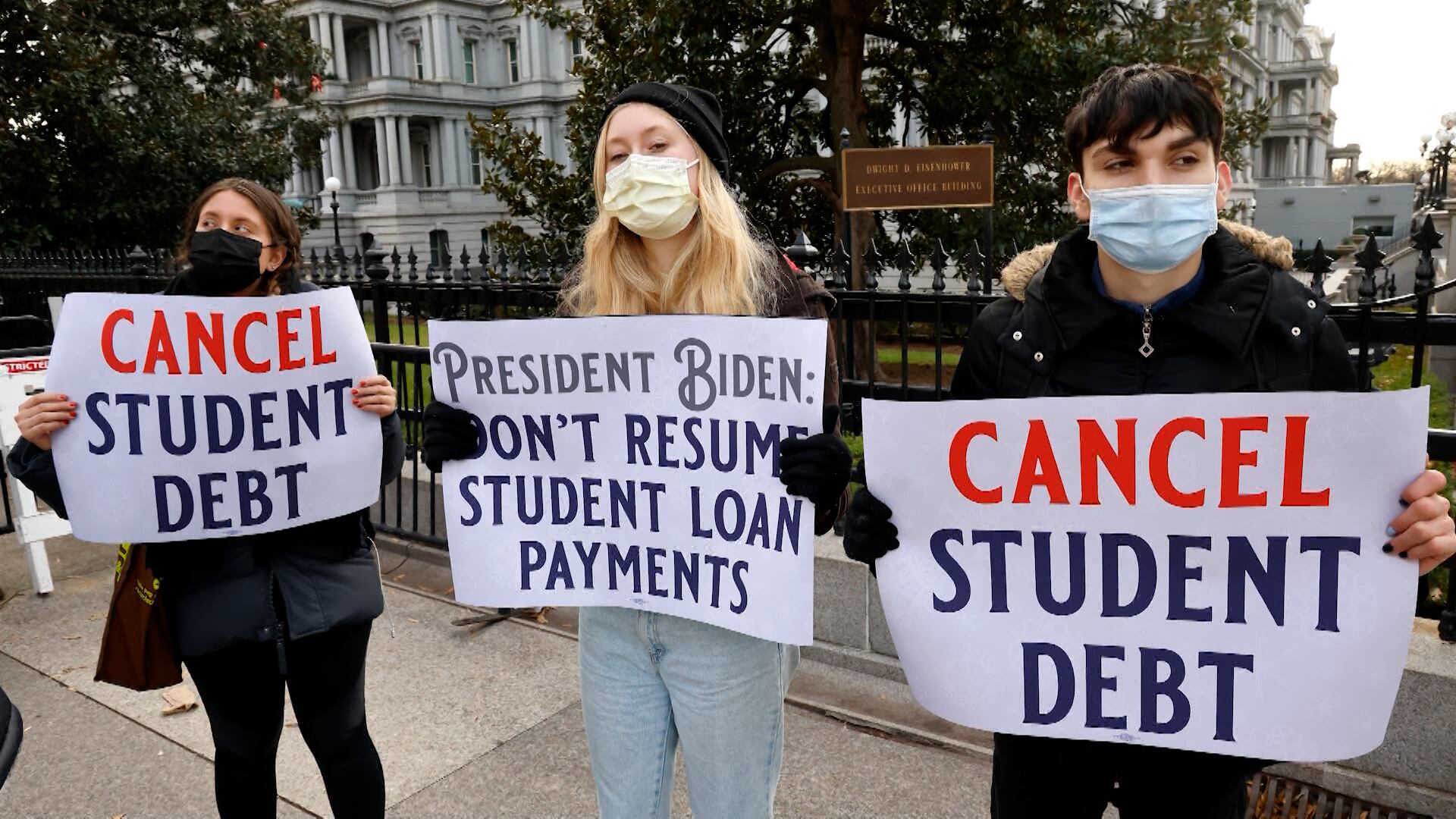
Student loan debt continues to be a major concern for tens of millions of Americans who collectively owe about $1.7 trillion. Black college students often take on larger amounts of student debt in order to pay for a higher education. In turn, they are more likely to struggle post-graduation with repaying their debt, creating a racial wealth gap divide. Andre Perry, senior fellow at Brookings Institution joined All Hands to help break down the black student debt crisis.
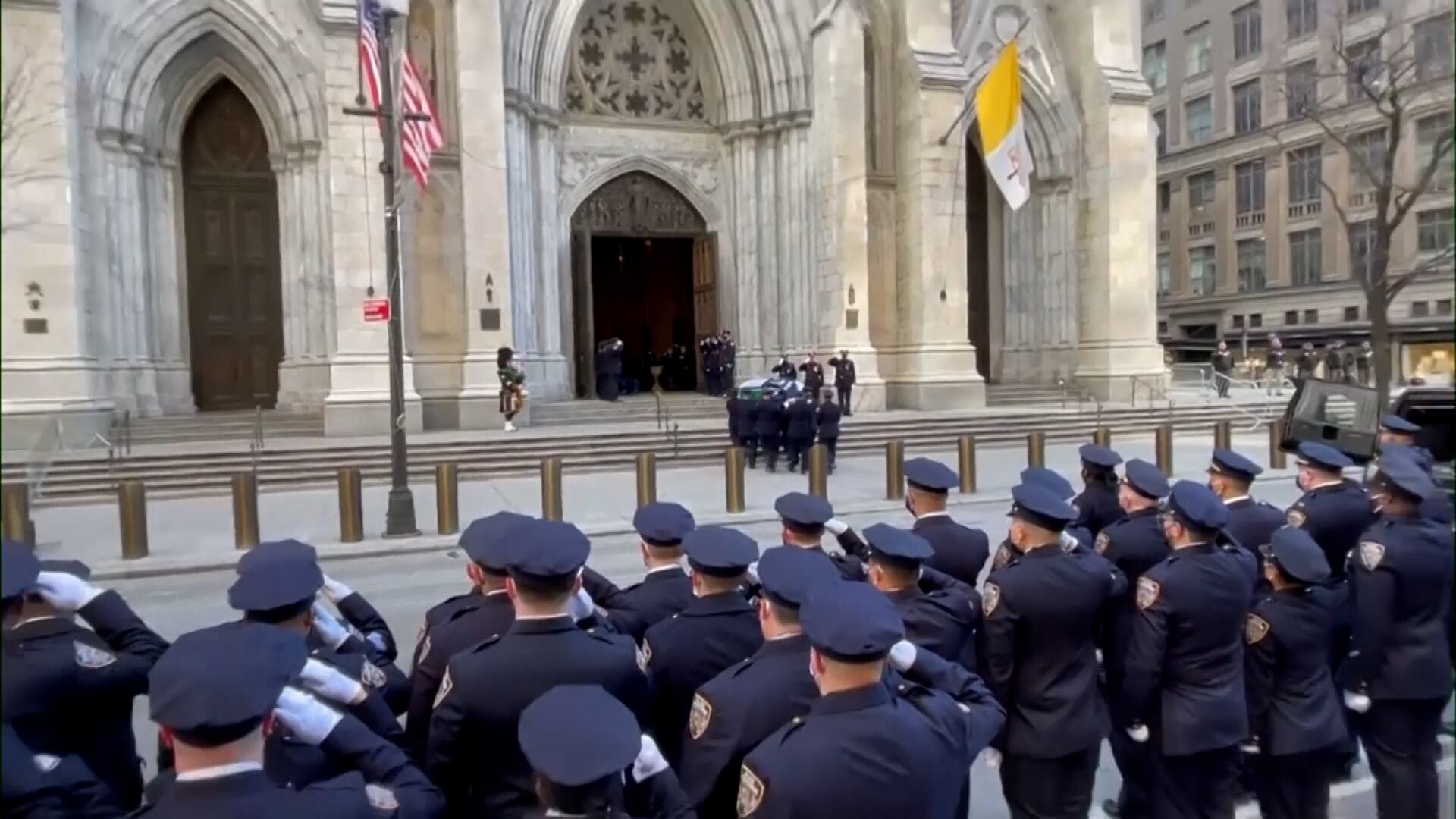
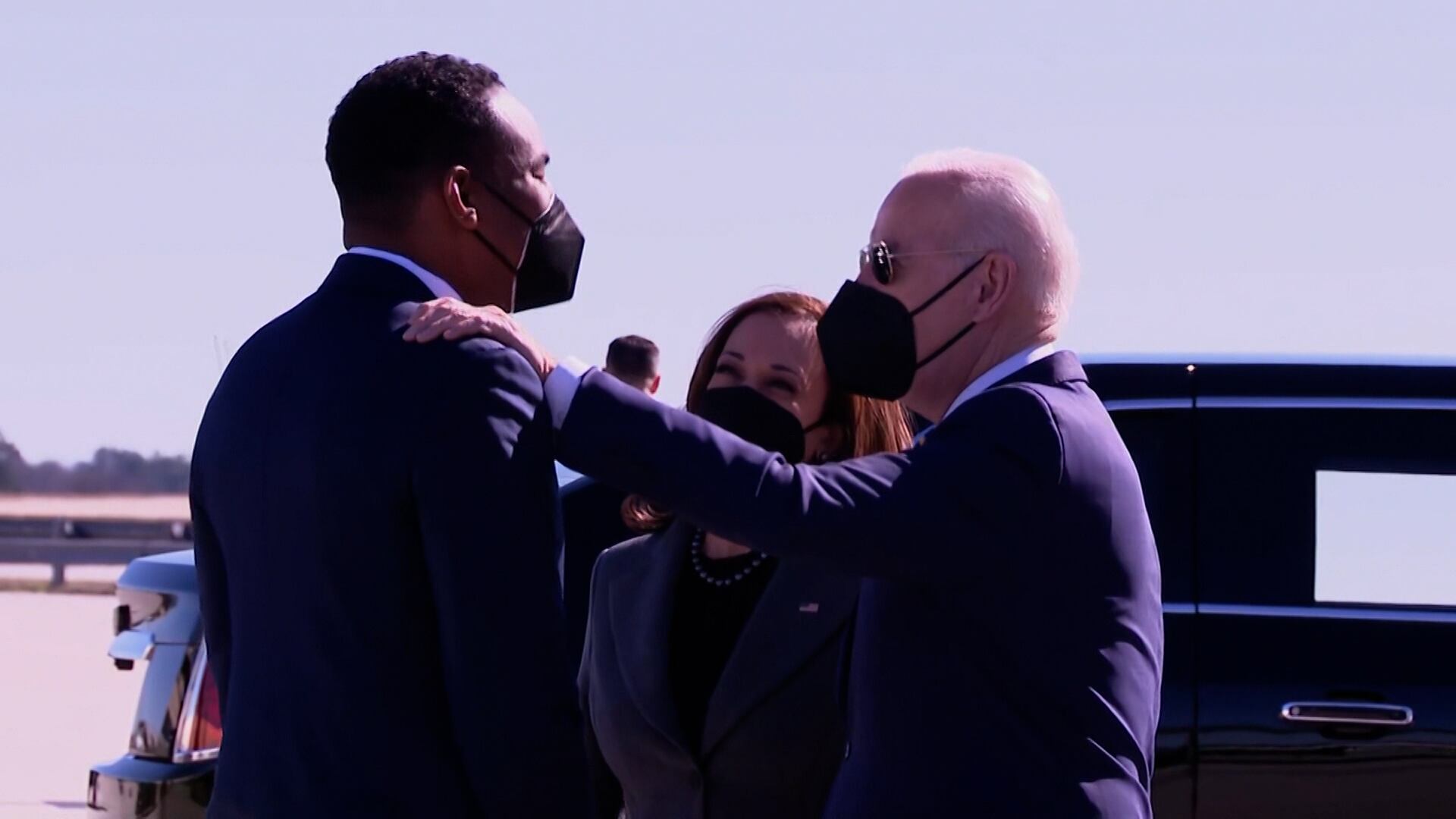
After two NYPD officers were killed with an illegal gun, President Biden made a trip to New York City to speak on the issue of gun violence fed by the "iron pipeline" of illegal firearms that make their way from the South to the Big Apple. Kris Brown, the president of the gun violence prevention organization Brady United, joined Cheddar to discuss what this visit from the president could mean for the future of gun laws in America. "He's asked Congress to pass things like expanding the Brady background check system, but with the filibuster a barrier to so much action right now in the Congress, he's looking at solutions that involve funding at the federal level and really involve enforcement."
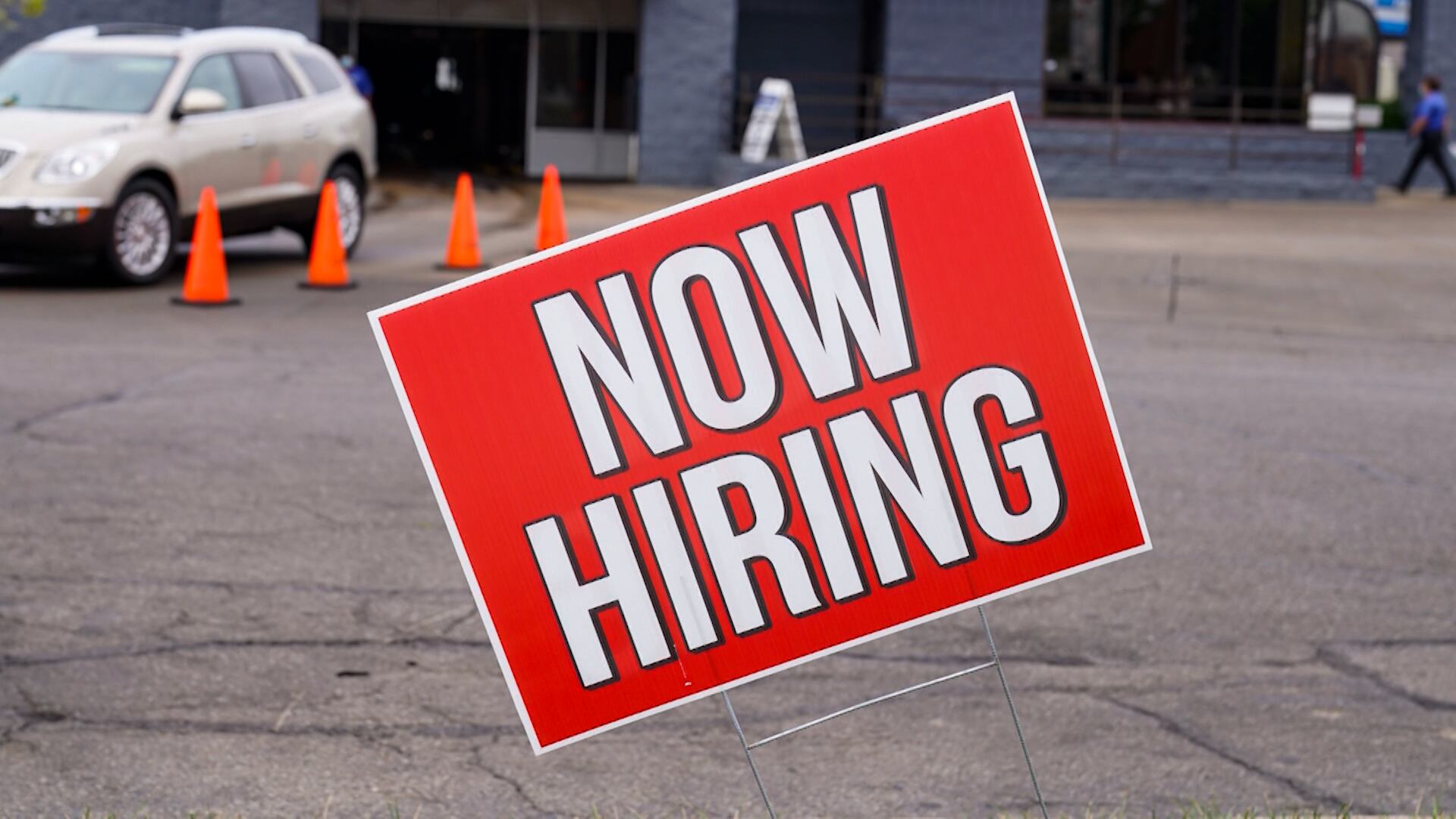
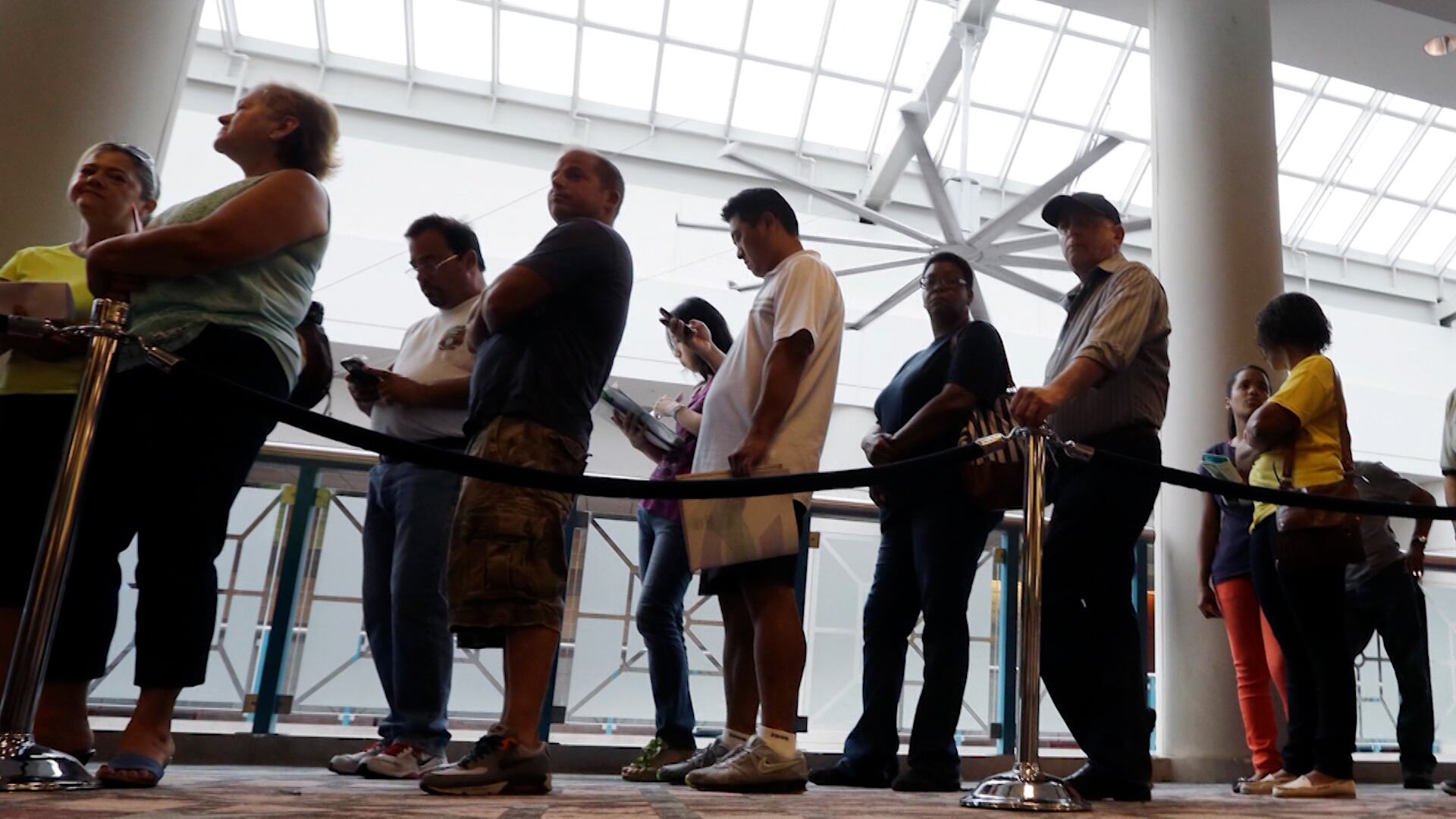
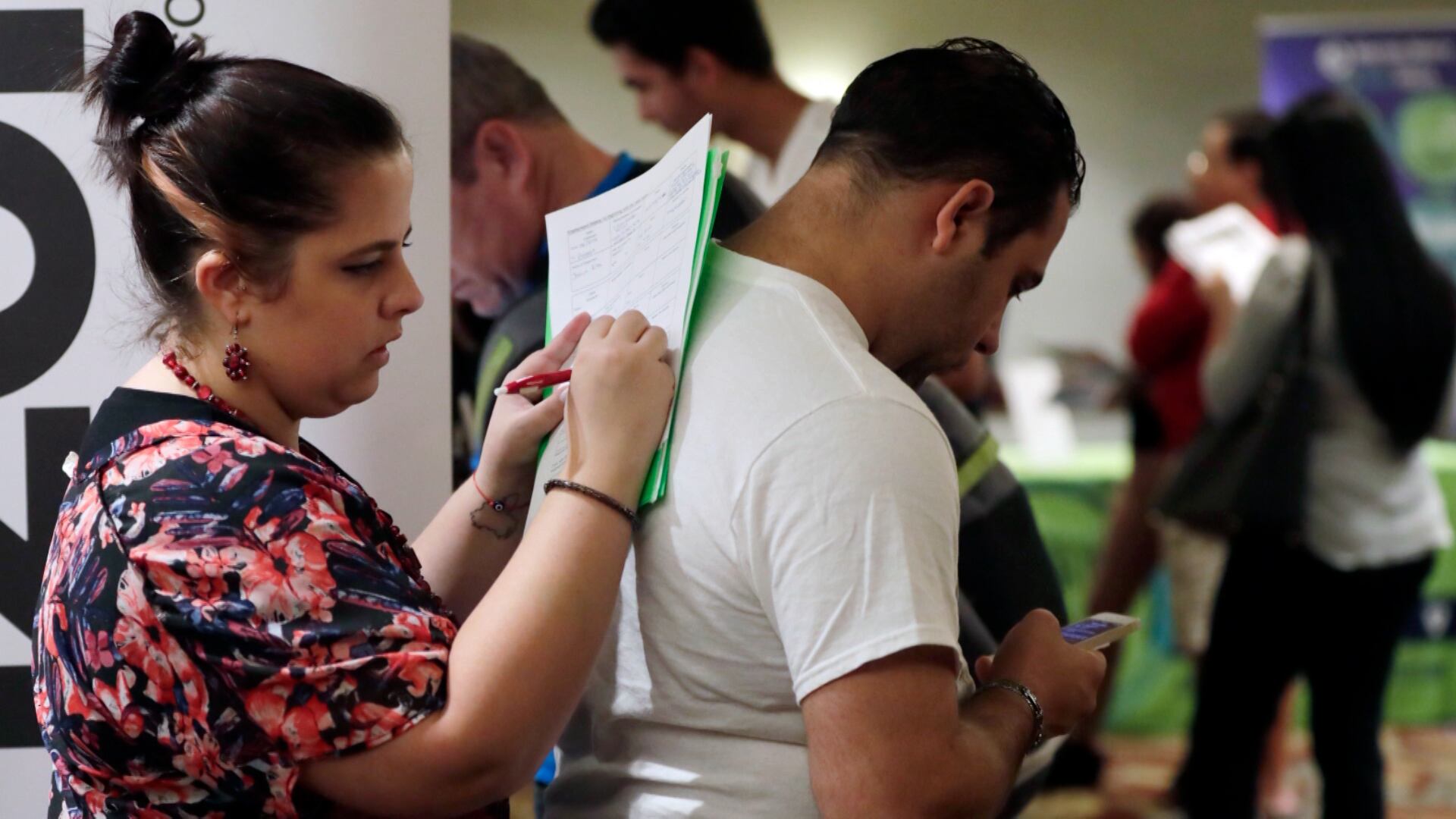
Following the surprising big beat on estimates for the January jobs report, William M. Rodgers III, vice president and director of the Institute for Economic Equity at the Federal Reserve Bank of St. Louis, joined Cheddar News to break down the data. “We ended 2021 with a strong crescendo to a recovery that had taken hold, and we started 2022 in good fashion." He also discussed the dueling pressures of wage growth and inflation.
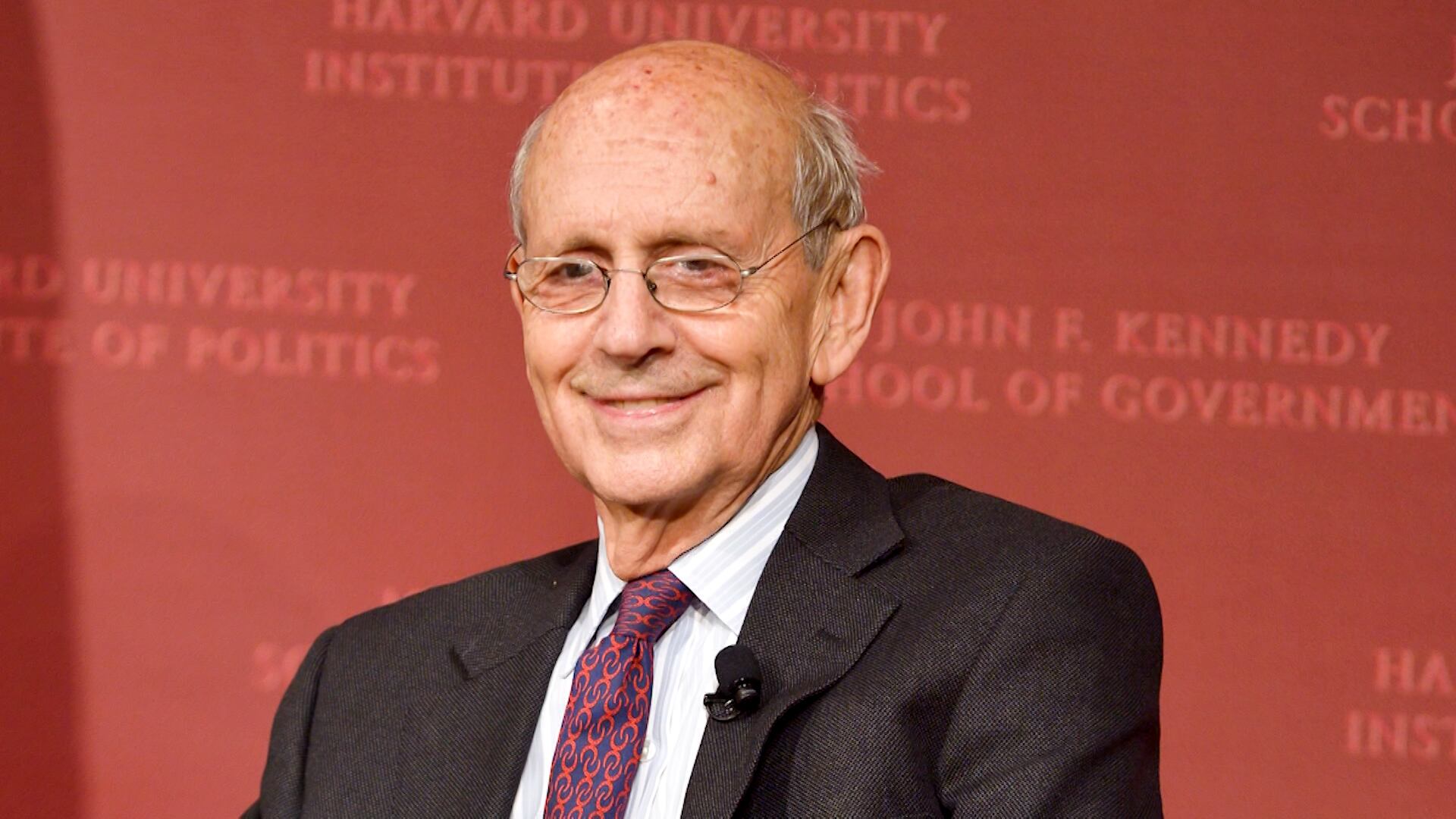
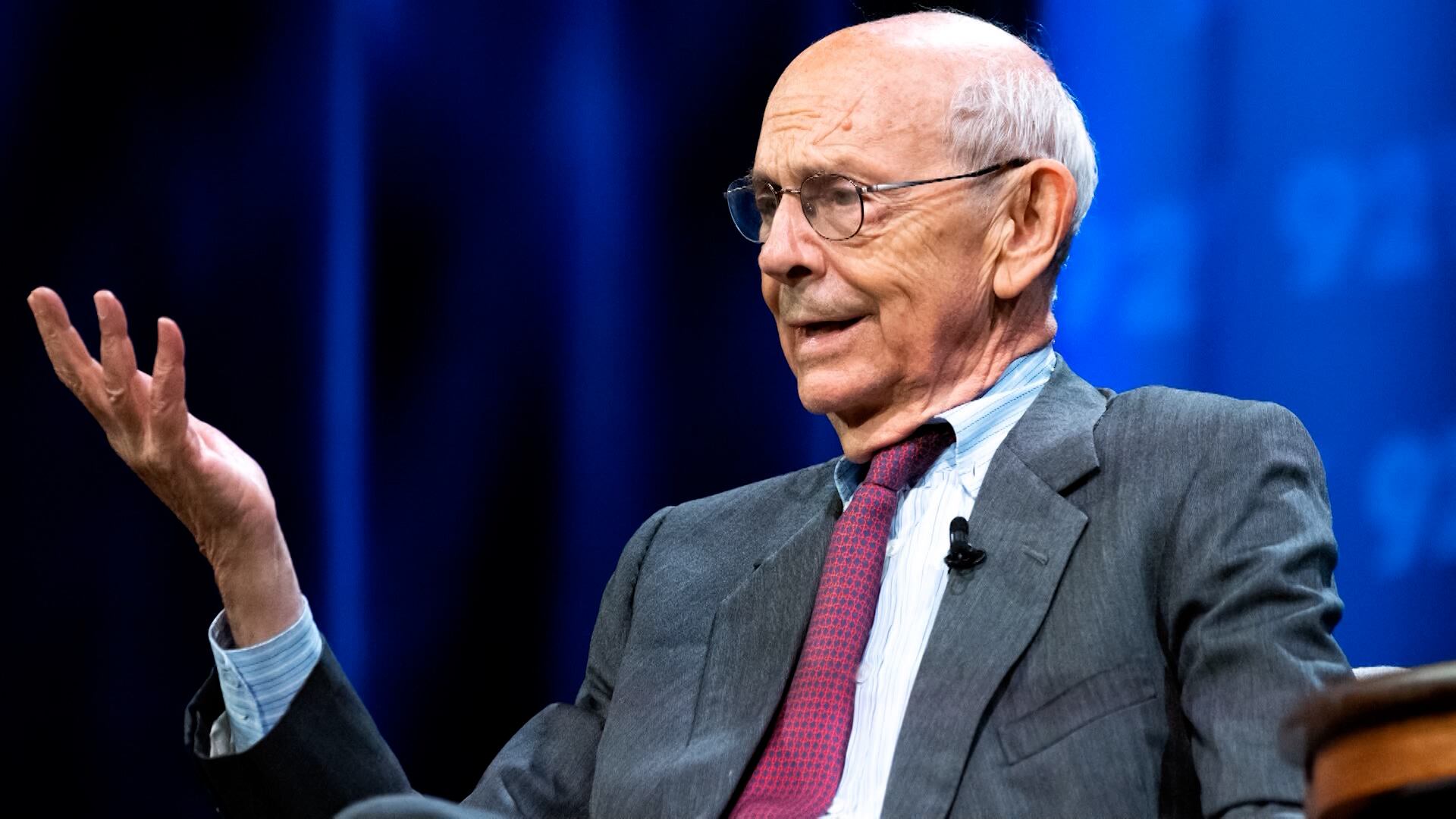
Jessica Mason Pieklo, senior vice president and executive editor of the Rewired News Group and co-host of the podcast. "Boom! Lawyered," joins Cheddar Politics to discuss Justice Stephen Breyer's retirement, legacy and potential replacement on the Supreme Court.
The Biden administration delivered a temporary win for student loan borrowers this year by extending the moratorium on federal payments for a few more months. That moratorium is coming to an end on May 1st and borrowers will again have their monthly loan payment plopped in their lap.
Stephanie Vanderslice, a creative writing professor paying off debt through the Parent Plus program, and Mike Pierce, executive director of the Student Borrower Protection Center, join Cheddar Politics to discuss.
2022 was already going to be a big year for the Supreme Court. We have decisions on major issues like abortion and gun rights on the way. Then, Justice Stephen Breyer announced his retirement and that set up a major confirmation fight for later this year. Amy Howe, co-founder of SCOTUSblog, joins Cheddar Politics to discuss.
The Labor Department released a better-than-expected report of 467,000 jobs added in January. Heather Boushey, Council of Economic Advisers Member for President Biden, joined Cheddar to tout the administration's handling of the economy amid the pandemic and the upward revisions for the previous month. "It also shows that, because of the revisions, the economy was stronger over the past couple of months," she said. "I don't think that this can be said enough, but economic forecasting during an historic pandemic is extremely difficult." Boushey also addressed issues involving wage growth versus the rapid rise of inflation.
The Labor Department's January jobs report showed 467,000 jobs were added, compared to the 150,000 that were projected, a sign that employment is continuign to return to pre-pandemic levels. Lindsey Piegza, chief economist at investment bank Stifel, joined Cheddar to break down the report, noting the big gains but adding a note of caution. "Remember, even with this morning's stellar report, we're still millions below that level that we had reached prior to the onset of COVID-19," she said." Yes, we are recapturing jobs. We still have further ground that needs to be made before we can talk about reaching that previous peak." Piegza also discussed the role of the Federal Reserve going forward as the employment figures turn more positive.