Canadian Prime Minister Justin Trudeau comments on the shooting in Nova Scotia during a news conference April 20, 2020 in Ottawa, Canada. (Photo by Dave Chan / AFP) (Photo by DAVE CHAN/AFP via Getty Images)
By Rob Gillies
Prime Minister Justin Trudeau said Friday that Canada is banning the use and trade of assault-style weapons immediately.
Trudeau cited numerous mass shootings in the country, including the killing of 22 people in Nova Scotia April 18 and 19. He announced the ban of over 1,500 models and variants of assault-style firearms, including two weapons used by the gunman as well as the AR-15 and other weapons that have been used in a number of mass shootings in the United States
"Canadians need more than thoughts and prayers," Trudeau said.
The Cabinet order doesn’t forbid owning any of the military-style weapons and their variants but it does ban the use and trade in them. He said the order has a two-year amnesty period for current owners, and there will be a compensation program that will require a bill passed in Parliament.
In the meantime, they can be exported, returned to manufacturers, and transported only to deactivate them or get rid of them. In certain limited circumstances, they can be used for hunting.
“You do not need an AR-15 to take down a deer," Trudeau said. “So, effective immediately, it is no longer permitted to buy, sell, transport, import or use military-grade, assault weapons in this country.”
Trudeau said the weapons were designed for one purpose and one purpose only: to kill the largest number of people in the shortest amount of time.
"There is no use - and no place - for such weapons in Canada,” he said.
Mass shootings are relatively rare in Canada, but Trudeau said they are happening more often. Trudeau noted he was nearby when in Montreal when gunman Marc Lepine killed 14 women and himself at Montreal’s Ecole Polytechnique college in 1989. The Ruger Mini-14 Lepine used is among weapons included in the ban.
Trudeau has said his government would introduce further gun control legislation prohibiting military-style assault weapons, a measure that had already been planned before the coronavirus pandemic interrupted the current parliamentary session.
“As of today the market for assault weapons is closed. Enough is enough,” Public Safety Minister Bill Blair said.
The gunman in Nova Scotia, 51-year-old Gabriel Wortman, shot 13 people to death and set fires that killed nine others in one of the worst mass shootings in the country's history. Police have said he used a handgun that was obtained in Canada and long guns that he obtained in the U.S., but they have not specifically said what guns he used. The rampage started with an assault on his girlfriend and it ended with 22 people dead in communities across central and northern Nova Scotia. A number of people had disputes with the gunman.
Blair said two of the illegal long guns that Wortman used are now on the list of weapons banned. He declined to identify them. He said making such guns illegal in Canada will make it harder for criminals to obtain them.
“Every firearm begins legally and then moves into an illegal market,” Blair said.
Opposition Conservative leader Andrew Scheer accused Trudeau of using the “immediate emotion of the horrific attack in Nova Scotia to push the Liberals’ ideological agenda and make major firearms policy changes.”
Scheer said the Nova Scotia shooter did not have a firearms licence, so all of his guns were illegal.
“Taking firearms away from law-abiding citizens does nothing to stop dangerous criminals who obtain their guns illegally,” Scheer said in a statement. “The vast majority of gun crimes are committed with illegally obtained firearms. Nothing the Trudeau Liberals announced today addresses this problem."
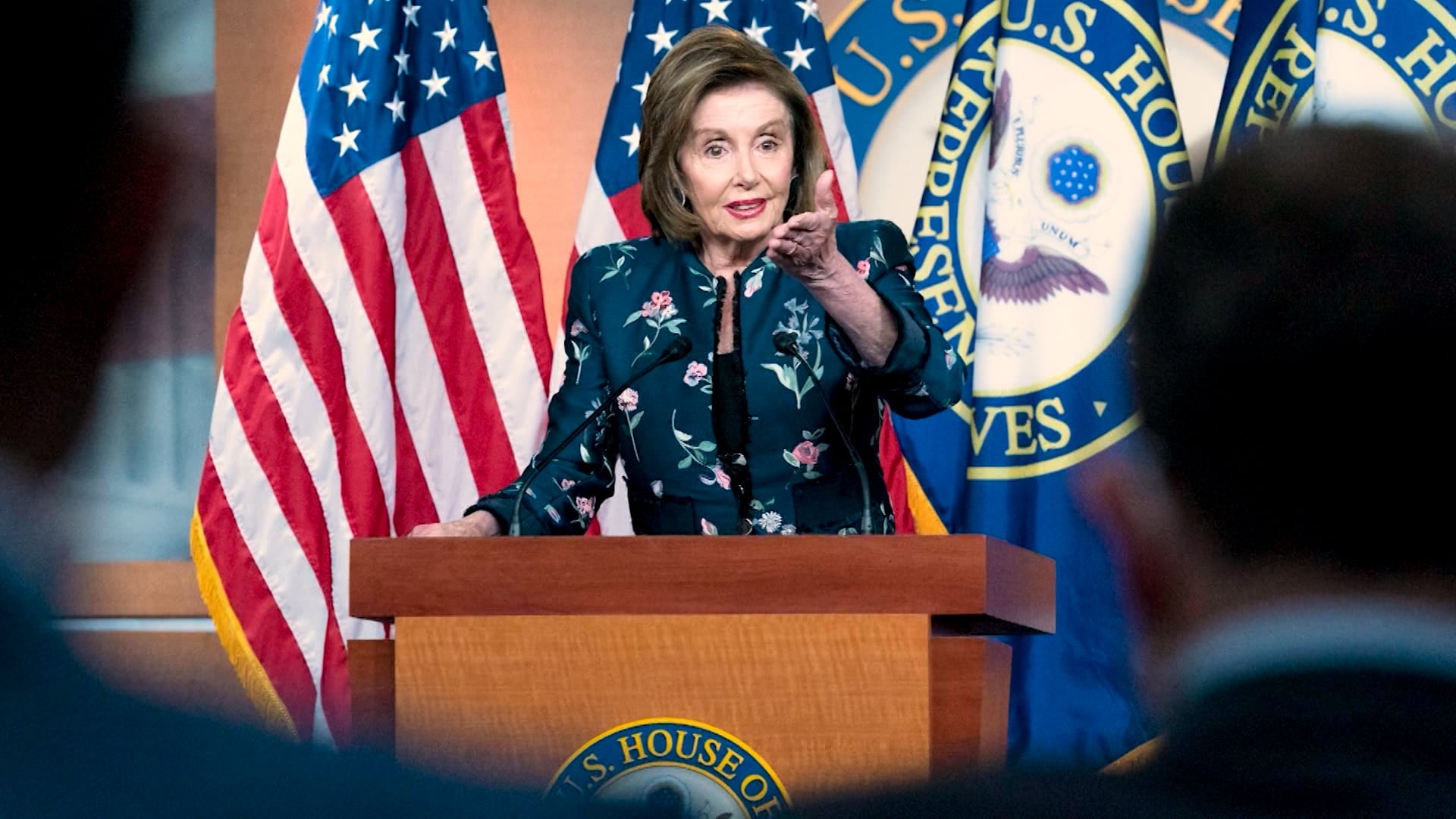
Nancy Pelosi and House Democratic leaders are now planning to amend the stop trading on congressional knowledge act, otherwise known as the 'Stock' Act. This 2012 law governs how members disclose the purchase or sale of stocks and amending it would close a loophole, eliminating the trading of individual stocks by members of congress. Pelosi has consistently opposed a ban on stock trading by lawmakers and congressional staff...so what's changed? Kedric Payne, Vice President of Campaign Legal Center, joins Cheddar News to discuss.
In a 5-4 vote, the U.S. Supreme Court allowed for a controversial new version of the Alabama congressional map to remain in place. The lower court had previously ordered that the state must redraw that congressional map because it violates the Voting Rights Act by diluting the political power of Black voters. Redistricting expert Yurij Rudensky joins Cheddar News to weigh in.
Florida lawmakers have introduced a controversial bill restricting some discussion of sexual orientation and gender identity in classrooms with young students. Supporters say the move empowers parents to have more of a say in what their children learn. Florida State Senator Shevrin Jones joins Cheddar News to discuss more.
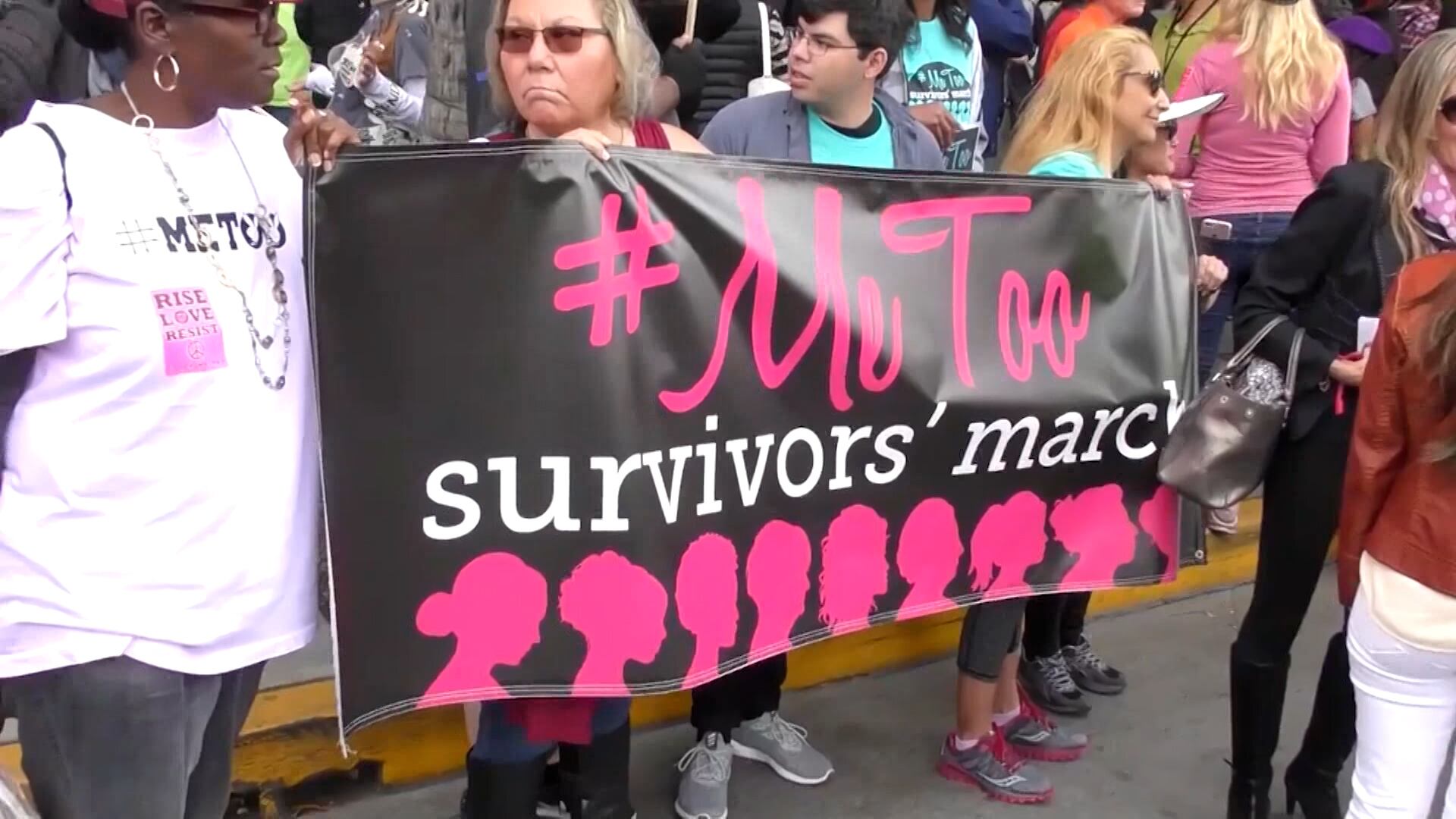
Congress this week passed a bill that would end forced arbitration for workplace sexual assault and harassment, one of the most significant changes to employment law in years. Cheddar News speaks with Marjorie Mesidor, Sexual Harassment Attorney, who explains that arbitrators are often retired judges or attorneys who "tends to have a more conservative view both to law and rewards."
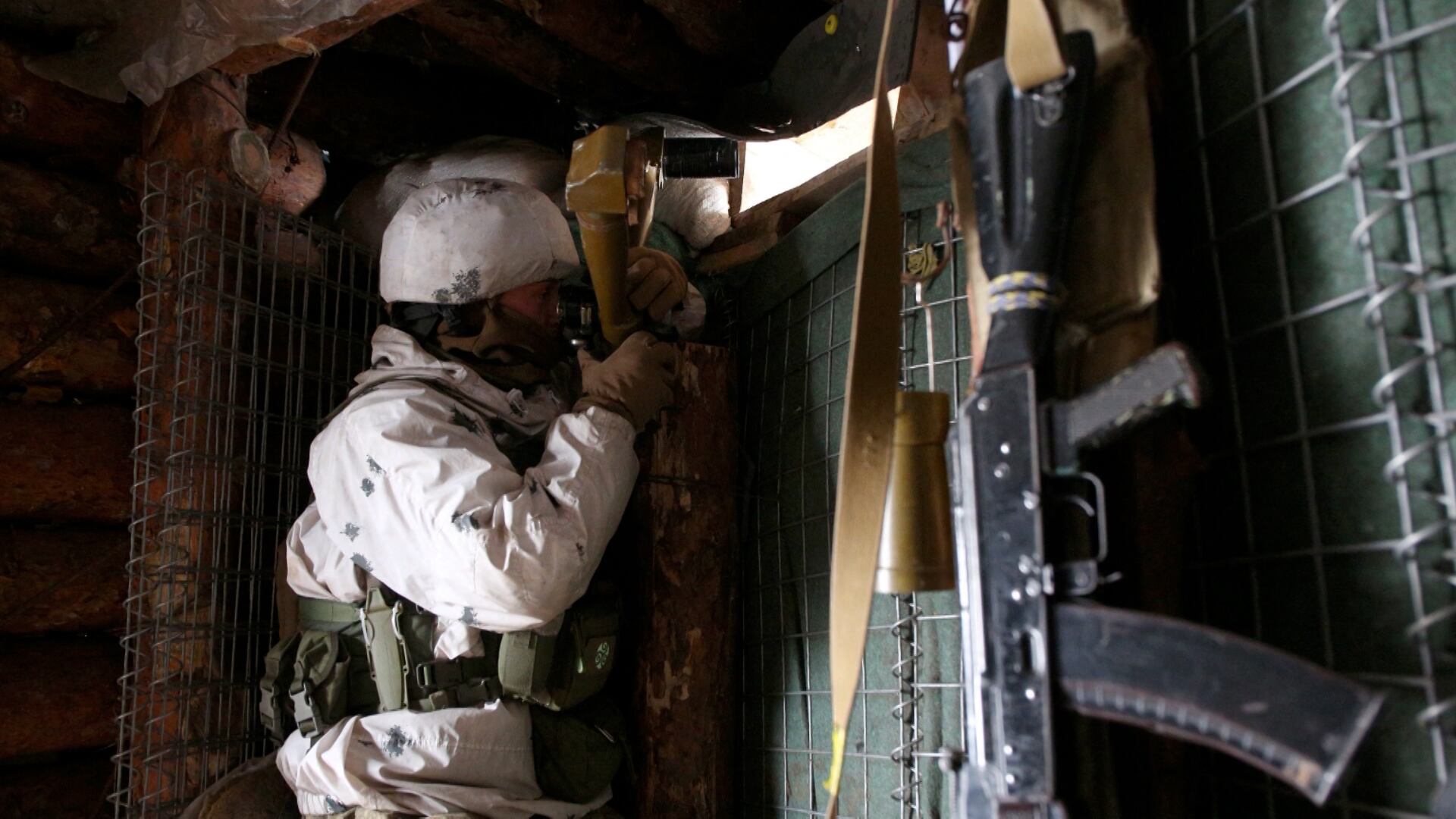
As the situation with Russia has grown more precarious, the White House urged Americans remaining in Ukraine to leave immediately. The Biden administration that it sees continuing signs of escalation but did not have specific information detailing a timetable for a potential invasion. Kristine Berzina, senior fellow and head of the geopolitics team at the Alliance for Securing Democracy, joined Cheddar News to provide her analysis. "There's talk of an impending phone call between President Putin, President Biden," Berzina said. "That is certainly a good sign to indicate that there would be significant cost."
Terrell Starr, host of 'Black Diplomats' podcast and senior nonresident fellow at the Eurasia Center for Atlantic Council, joins Cheddar News from Kyiv, Ukraine to discuss the mounting tension there.
The White House laid out plans for a $5 billion investment into a national network of charging stations to ease EV driving anxiety. Bruce Brimacombe, CEO of EV infrastructure GOe3 joined Cheddar News to discuss how much needs to be done for drivers to get over the fear of running out of energy. "People need to be able to do what they're doing now," he said. "But that is the way that if you're going to buy an electric car, you got to feel like you're not changing your world." Brimacombe noted that building out the infrastructure between cities was GOe3's own focus.
U.S. automakers are saying that the blockade of the Ambassador Bridge, a crucial border crossing between the U.S. and Canada, is affecting their production lines. Michelle Krebs of Cox Automotive warns that the disruption "couldn't come at a worst time," amid chip and labor shortages in Detroit.
AND DETROIT-BASED AUTO MAKERS SAY THEY ARE SHUTTING DOWN PLANTS OR SCALING BACK PRODUCTION BECAUSE OF PARTS SHORTAGES.
Plans to add affordable housing to a development in Yellow Springs, Ohio, were squashed after comedian Dave Chappelle and other community members spoke out against the project. Chappelle threatened to pull the plug on his local comedy club and restaurant projects if the development had been approved.