No car company is making more headlines right now than Tesla. Can the electric vehicle company stay ahead in the battle for electric car dominance?
Mark Rechtin, Executive Editor at Motor Trend, says Tesla's competitors are quickly gaining ground. Motor Trend tested out the Tesla Model 3, Nissan Leaf, and Chevrolet Bolt. Rechtin says that the Leaf and Bolt offer the best options, especially if you don't have $60,000 to spend on a Tesla.
Rechtin also discusses the ongoing problems Tesla is having with its Model 3 production. The company continues to fall behind its original target numbers, while its CEO Elon Musk is tweeting about a possible Tesla pickup truck. Rechtin says Musk should focus more on the Model 3 and less on his dream projects.
Recompose | SEATTLE recently unveiled renderings for what it says will be the world's first site for composting human remains, or what it's calling the first truly "sustainable option for after-death care."
Kroger's Business Development Leader Ethan Grob says that his company is trying to capitalize on the larger industry trend of delivery-only restaurants by partnering with the cloud-kitchen platform ClusterTruck.
Ducati’s e-bikes have been selling overseas since last year, but 2020 will marks its first time selling the products stateside.
According to Coffee Meets Bagel co-founder Dawoon Kang, post-Christmas until the New Year is the biggest time for online dating.
U.S. automaker General Motors and Korean chemical giant LG Chem will invest $2.3 billion by 2023 in a new joint venture to create battery cells for electric cars in Lordstown, Ohio.
CEO Zac Prince said the decision to build a trading function was a response to feedback from existing users interested in buying and selling crypto assets on the same platform they already keep their funds.
The retail giant invested $250 million in interactive video platform Eko last year. Eko creates choose-your-own adventure shows for the modern age.
Critics slammed Amazon.com for selling Christmas ornaments, bottle openers and other trinkets that featured scenes of the Auschwitz concentration camp ー all made by a third party seller called "Fcheng."
Offensive trinkets sold on the Amazon Marketplace may be part of a bigger problem facing retailers: the rise of robots using algorithms to generate an endless variety of cheap products--all to entice even one buyer. Juozas Kaziukėnas, founder of e-commerce analysis company Marketplace Pulse, explains how these sellers work.
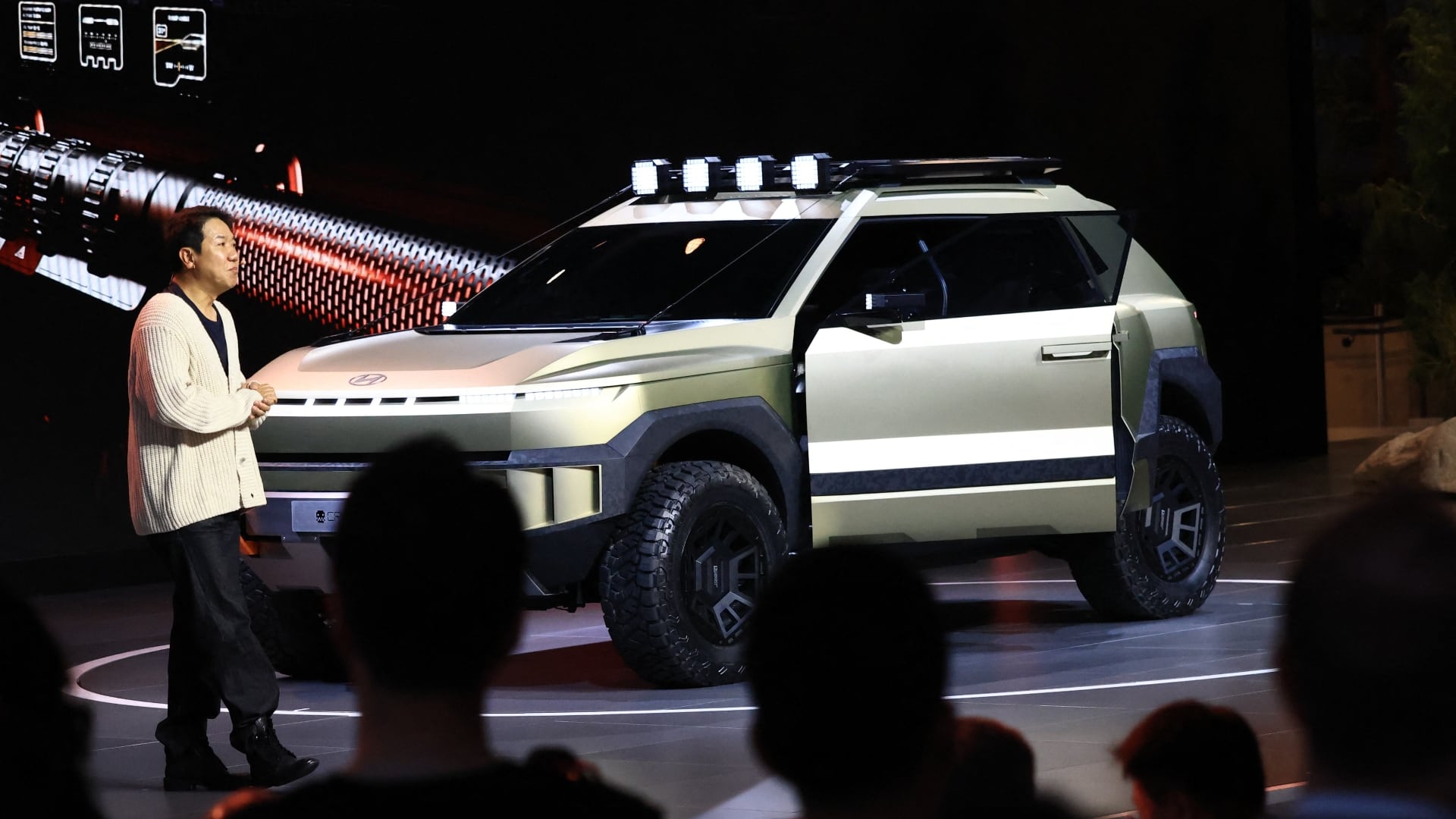
The automaker and breakfast purveyor announced a collaboration to create plastic vehicle parts out of coffee bean waste from the roasting process.