Samsung’s new Galaxy S9 may be meant to compete with the iPhone 8, but Android Central’s Russell Holly says the latest device could give even Apple’s high-end smartphone a run for its money.
“It’s going to be an interesting price for people who are looking to not spend that $1,000 price tag [for an iPhone X],” the senior editor told Cheddar.
At $720, the S9 is priced a little higher than the iPhone 8 ($700) but less than the 8 Plus ($800) and comes in well under Apple’s premium product.
The lack of a sticker shock isn’t the only draw for consumers, says Holly. Though the phone looks a lot like Samsung’s well-received S8, it's packed with a few attractive upgrades.
The S9’s camera operates at 960 frames per second in slow motion and also has “a physical aperture for better low-light and daylight situations,” says Holly. And the S9’s new processor gives its battery a lot more juice than the S8.
Another notable feature is the S9’s AR emoji function, which is built into the camera itself. This allows users to share their AR emojis across other apps “instead of just the one purpose that you have with Apple [animojis in the iPhone X].”
Samsung dropped the S9 and S9+ at the World Mobile Congress in Barcelona, which takes place this week through Friday.
For the full interview, [click here](https://cheddar.com/videos/calling-the-2018-mobile-world-congress-to-order).
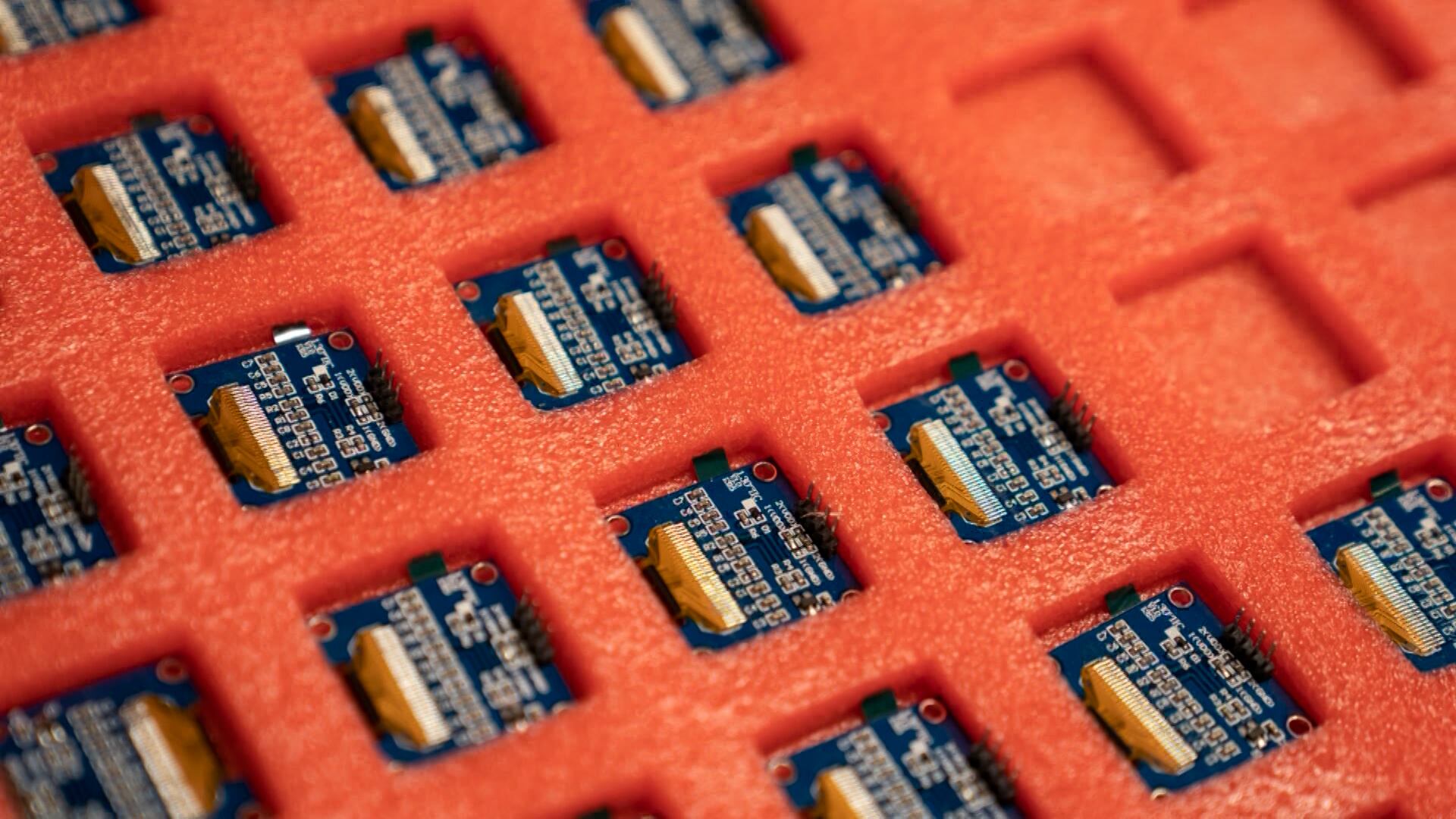
Daniel Newman, Founding Partner and Principal Analyst at Futurum Research, joins Cheddar News' Closing Bell, where he says the markets are going to feel very uncomfortable receiving news of more potential setbacks for chip manufacturers after already enduring a lengthy chip shortage.
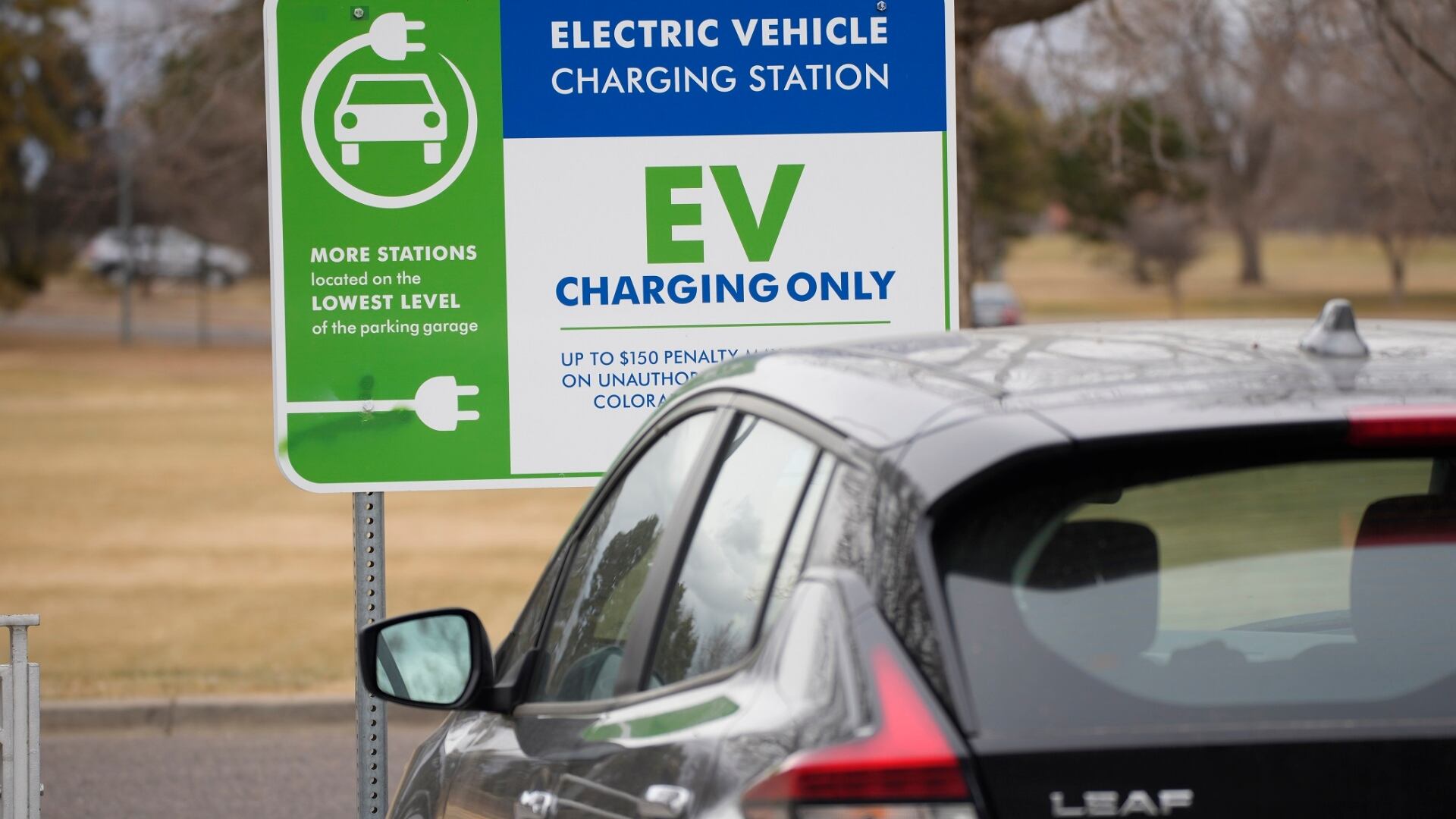
The federal government and numerous industries have been preparing for a greener future, setting goals to reduce greenhouse emissions by switching to electric vehicles. But the next hurdle to clear is convincing the wider public to get on board. Arun Kumar, managing director in automotive practice at AlixPartners, spoke to Cheddar's Ken Buffa about consumer trends related to EV transition and said he believes a widespread switch is imminent in 2022. Despite this, he acknowledged there are still significant obstacles to overcome, including high prices and more charging stations. "Without charging infrastructure, people are going to struggle with increasing adoption of electric vehicles in the future," Kumar told Cheddar. "I think by 2030 our estimate is that about a million chargers need to be put in place nationally in the U.S."
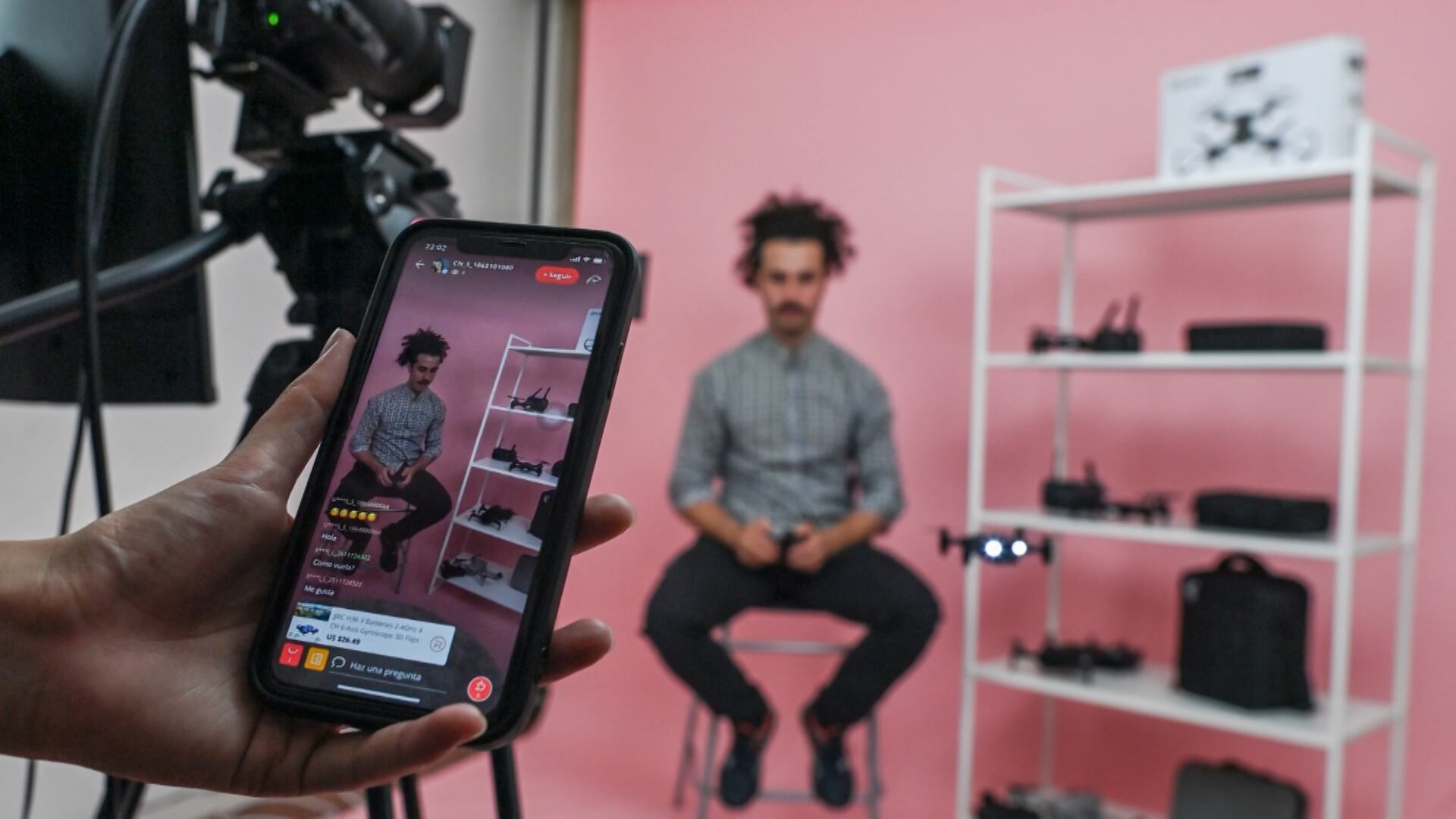
The pandemic has supercharged the creator economy, and there are no signs of it slowing down no matter when the pandemic officially ends. Creators prove to be a key factor in driving purchasing decisions and retail sales, and an increasing amount of platforms are taking advantage of the social influence. Karissa Bell, senior editor at Engadget, joins cheddar news to discuss the creator economy boom.
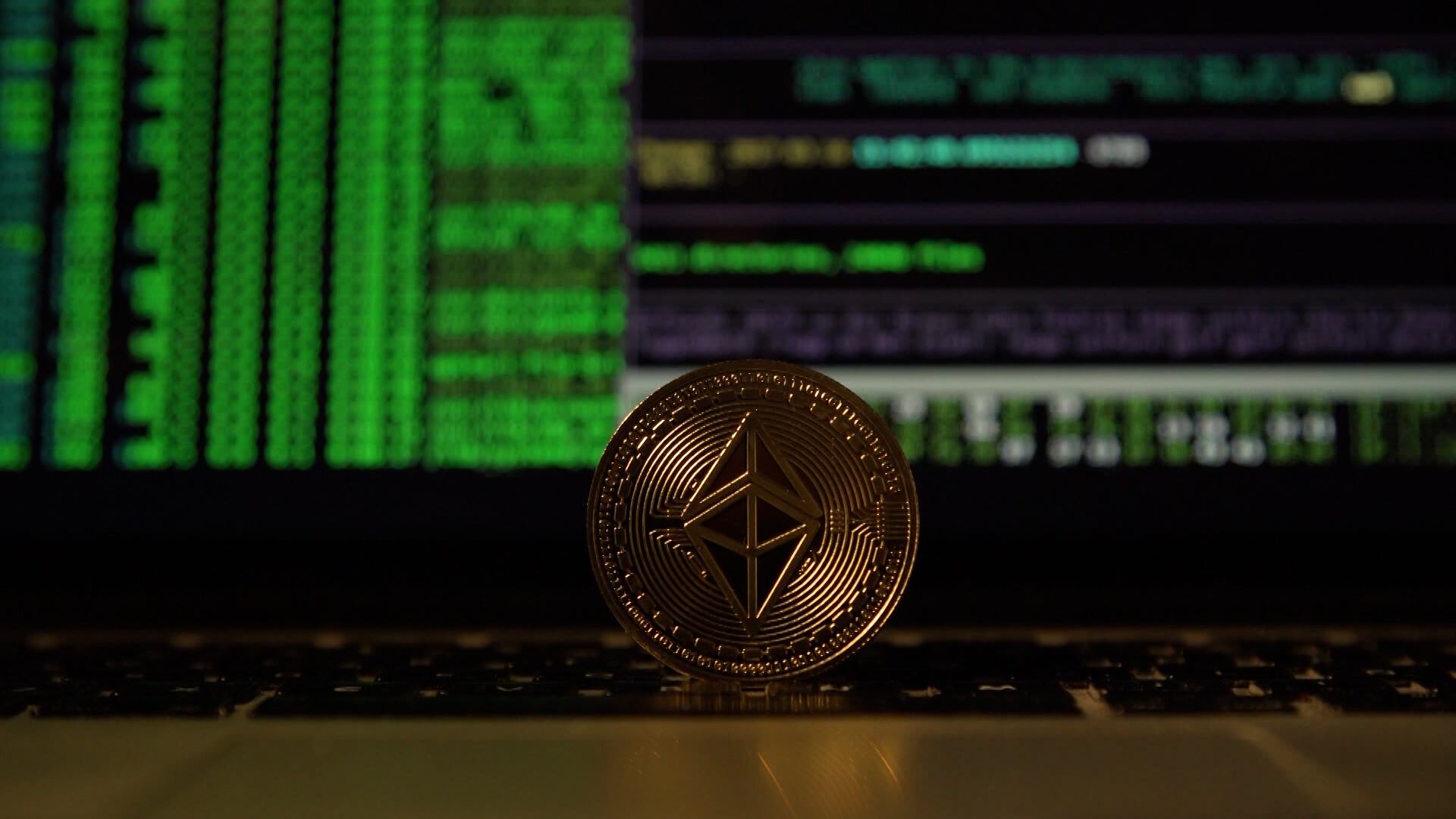
The National Women's Soccer League is partnering with Voyager Digital as its first-ever cryptocurrency brokerage in a multi-year deal. Marla Messing, interim CEO of the NWSL, and Steve Ehrlich, CEO of Voyager Digital, joined Cheddar to discuss benefitting the league and educating players and fans as a way of democratizing cryptocurrency. Messing explained that the players themselves will own half the assets as part of how the deal is structured. "My hope is, just in terms of the expectations of crypto over the long term, that I hope a lot of them are able to just let it sit there," she said. "And that one day this will be a nice retirement account for them."
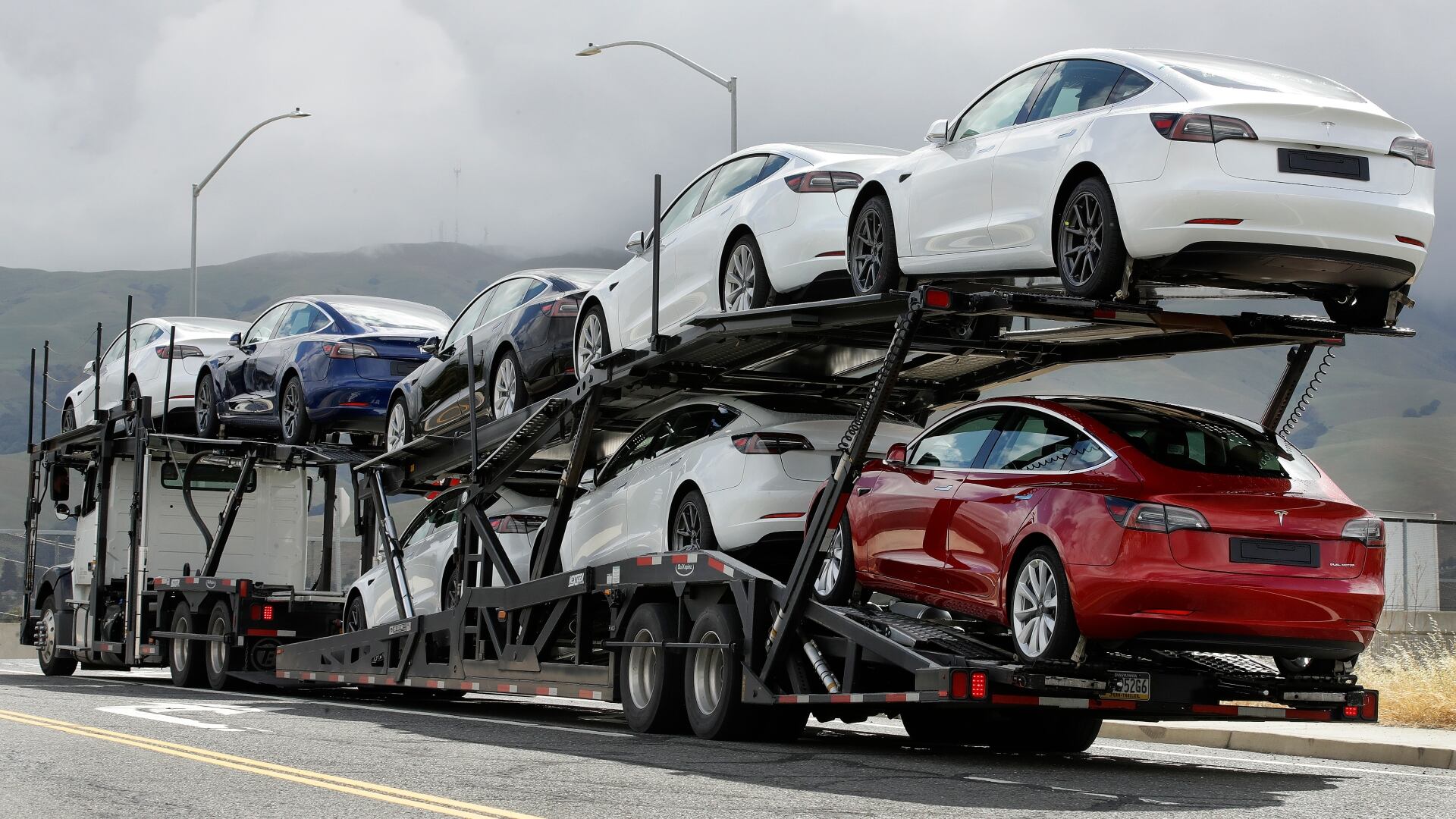
The E-V maker Tesla has had a wild year. The company managed to continue to dominate the U.S. electric vehicle space despite growing competition and production delays. As the end comes to an end, Tesla finds itself growing richer and richer. Author of Risk Ritual Newsletter Richard Smith, joined Cheddar to discuss more.