Samsung’s new Galaxy S9 may be meant to compete with the iPhone 8, but Android Central’s Russell Holly says the latest device could give even Apple’s high-end smartphone a run for its money.
“It’s going to be an interesting price for people who are looking to not spend that $1,000 price tag [for an iPhone X],” the senior editor told Cheddar.
At $720, the S9 is priced a little higher than the iPhone 8 ($700) but less than the 8 Plus ($800) and comes in well under Apple’s premium product.
The lack of a sticker shock isn’t the only draw for consumers, says Holly. Though the phone looks a lot like Samsung’s well-received S8, it's packed with a few attractive upgrades.
The S9’s camera operates at 960 frames per second in slow motion and also has “a physical aperture for better low-light and daylight situations,” says Holly. And the S9’s new processor gives its battery a lot more juice than the S8.
Another notable feature is the S9’s AR emoji function, which is built into the camera itself. This allows users to share their AR emojis across other apps “instead of just the one purpose that you have with Apple [animojis in the iPhone X].”
Samsung dropped the S9 and S9+ at the World Mobile Congress in Barcelona, which takes place this week through Friday.
For the full interview, [click here](https://cheddar.com/videos/calling-the-2018-mobile-world-congress-to-order).
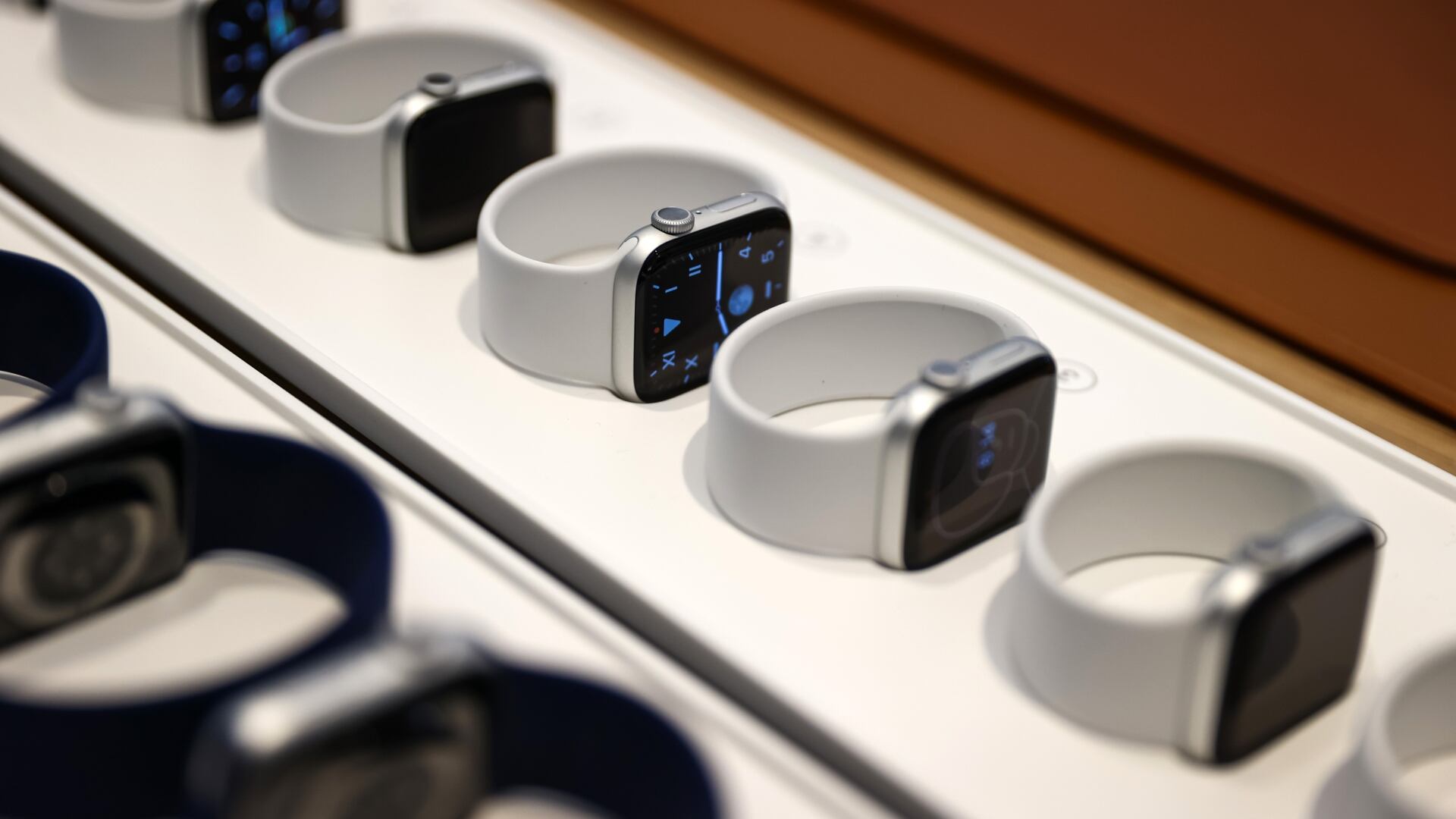
Google could be gearing up to release its own wearable device as rumors swirl about a potential smartwatch with the Pixel brand. Jon Prosser, the creator of Front Page Tech, who tweeted a possible leak about the product, joined Cheddar's "Closing Bell" to discuss potential the benefits of it entering the same space as the Apple Watch. Prosser said, while he doesn't expect it to launch until at least 2023, the Pixel Watch will be "one of the most vital, most important wearables that we can have on the market," noting that it won't likely challenge Apple for much market share but will set the standard for other Android wearables to come.
Members of Congress have voted to advance a bill meant to address antitrust concerns related to tech giants including Amazon, Apple, Google, and Meta. The 'American Innovation and Choice Online Act' is largely seen as one of the best chances for the government to reign in Big Tech's dominance
Seth Schachner, Managing Director StratAmericas; Digital Business Executive joined Cheddar's Opening Bell to discuss.
The Federal Reserve released its highly-anticipated research weighing the pros and cons of a digital dollar in the U.S. The report comes as economic rivals like china have already piloted their own central bank digital currencies. Edward Moya, Senior Market Analyst, The Americas, Oanda, joined Cheddar's Opening Bell to discuss.
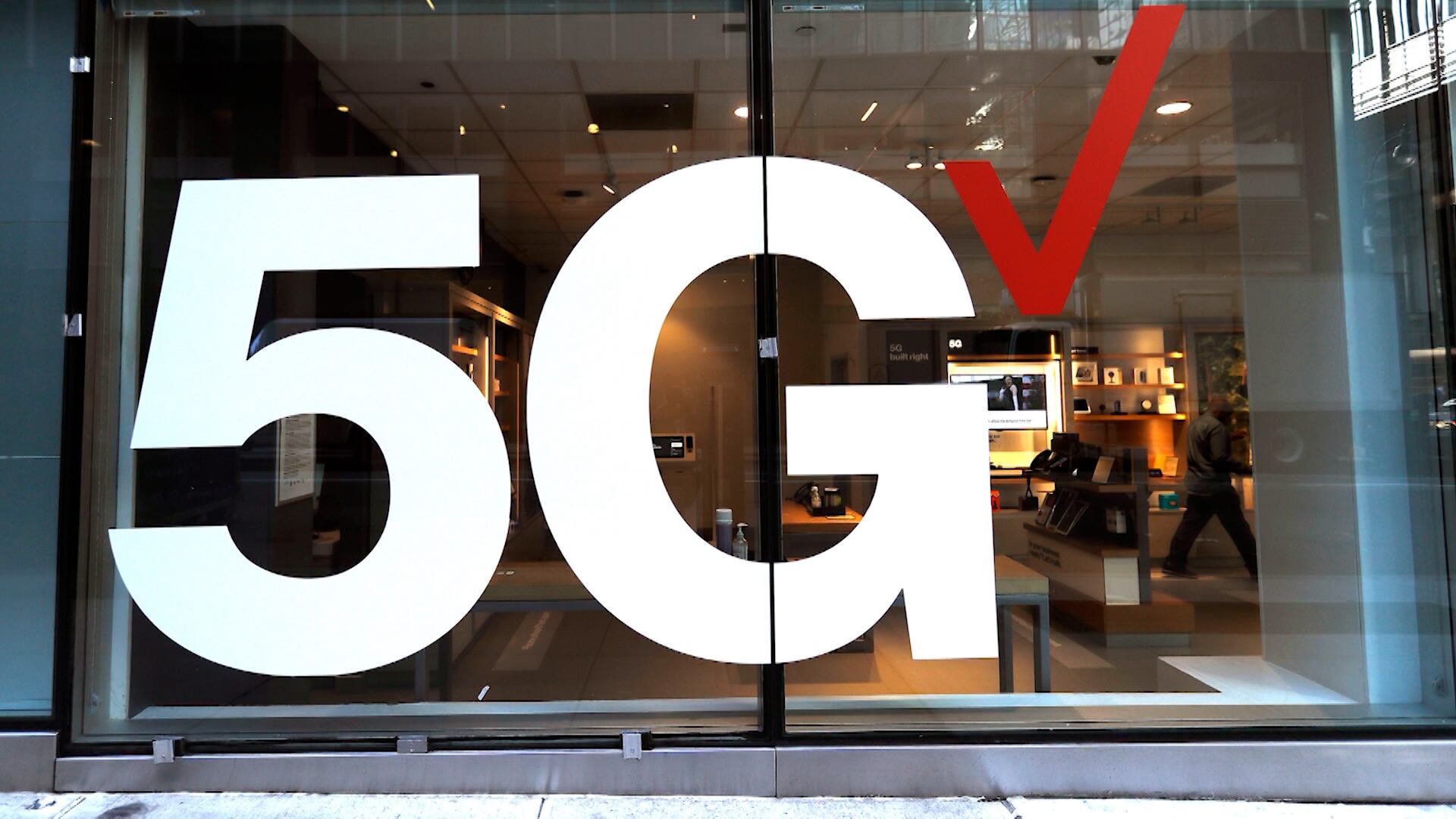
Verizon and AT&T officially launched their 5G wireless services Wednesday across the U.S. Despite pushback from U.S. airlines and the FAA over safety concerns, the telecom giants rolled out the next generation of wireless cellular technology, with speeds up to 20 times faster than 4G LTE. John Biggs, Editor, Tech Crunch joined Cheddar's Opening Bell to discuss.
Earnings season kicks into high gear this week as big players are on tap to report their Q4 numbers, including Microsoft, Apple, and Tesla. Investors will be watching for key indicators on how the companies are dealing with inflation, Omicron and interest rates. Christine Short, VP of Research, Wall Street Horizon joined Cheddar's Opening Bell to discuss.
Stan Farnsworth, chief marketing officer at PulseForge, joined Cheddar to talk about his company's debut at CES 2022 and how it plans to innovate the sustainable tech manufacturing space. PulseForge is bringing a new approach to industrial thermal processing, which contributes to 30 percent of global greenhouse gas emissions, according to Farnsworth. "By using 85 percent less energy in the processing of materials through a variety of manufacturing processes, we can make a direct impact in reducing carbon output and reducing carbon footprint associated with manufacturing," he said.