Cambridge Analytica CEO Suspended, and the FTC Probes Facebook
Cambridge Analytica suspended its CEO Alexander Nix Tuesday after an undercover recording showed him bragging about illegally influencing political campaigns.
The firm was already under fire for its role in the Facebook data scandal. Many of that company’s top executives, including CEO Mark Zuckerberg, have stayed silent the last few days and even skipped out on a company-wide meeting Tuesday.
These two strands together indicate potential turmoil at the top of both companies, according to Jesse Byrnes, Associate Editor of The Hill.
“I think we’re seeing the gravity of the issue playing out now,” he told Cheddar. “We’re seeing lawmakers...calling for the top executives to make public appearances and to be answering questions.”
Late last week, news broke that data company Cambridge Analytica had used Facebook to collect data on millions of Americans without their permission. It then used that information to create personality profiles which were allegedly passed on to President Donald Trump’s campaign team before the 2016 election.
Its transgressions may have surpassed that -- in a video from Britain’s Channel 4 news, Nix talked about entrapping politicians with sex workers and his willingness to take bribes. The exec further boasted about the company’s role in electing Trump.
Also on Tuesday, Facebook came into the crosshairs of the Federal Trade Commission, which launched a probe into how the social media company used data from Cambridge.
“[They’re] going to be interested to see if Facebook allowed Cambridge Analytica to access this information and...whether they were at least knowledgeable about this,” said Byrnes.
Facebook said in a statement that in 2015 it asked Cambridge Analytica to delete all the data it had collected. It denied it knew Cambridge ignored that request and so suspended the company from its platform.
Not only does this controversy add to questions about Facebook’s privacy and data protection policies, it’s also given rise to the #DeleteFacebook campaign, which some say could eventually gain traction.
“I think people are going to reach a moment where the straw kind of breaks the camel’s back,” said Damon Beres, Executive Editor at Mashable. “We’ve been hearing so much about all these bad things that are happening because of Facebook...I would not be surprised if eventually people say enough is enough.”
Investors may be nearing that breaking point too. Facebook’s stock continued its downward trajectory on Tuesday, slipping another 2.5 percent after Monday’s near seven percent drop.
For the full interview, [click here](https://cheddar.com/videos/facebook-under-fire-what-the-u-s-could-learn-from-the-eu).
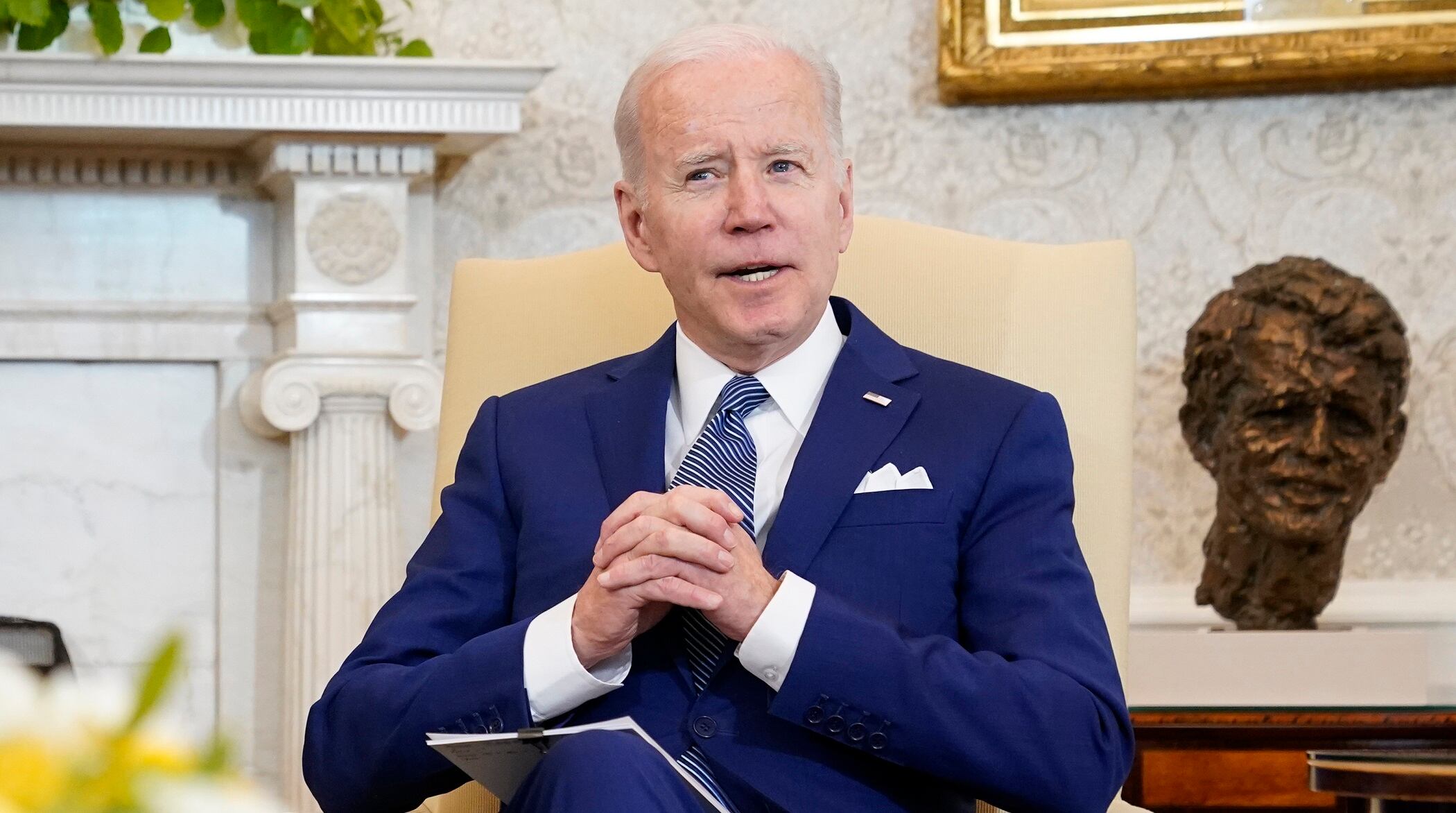
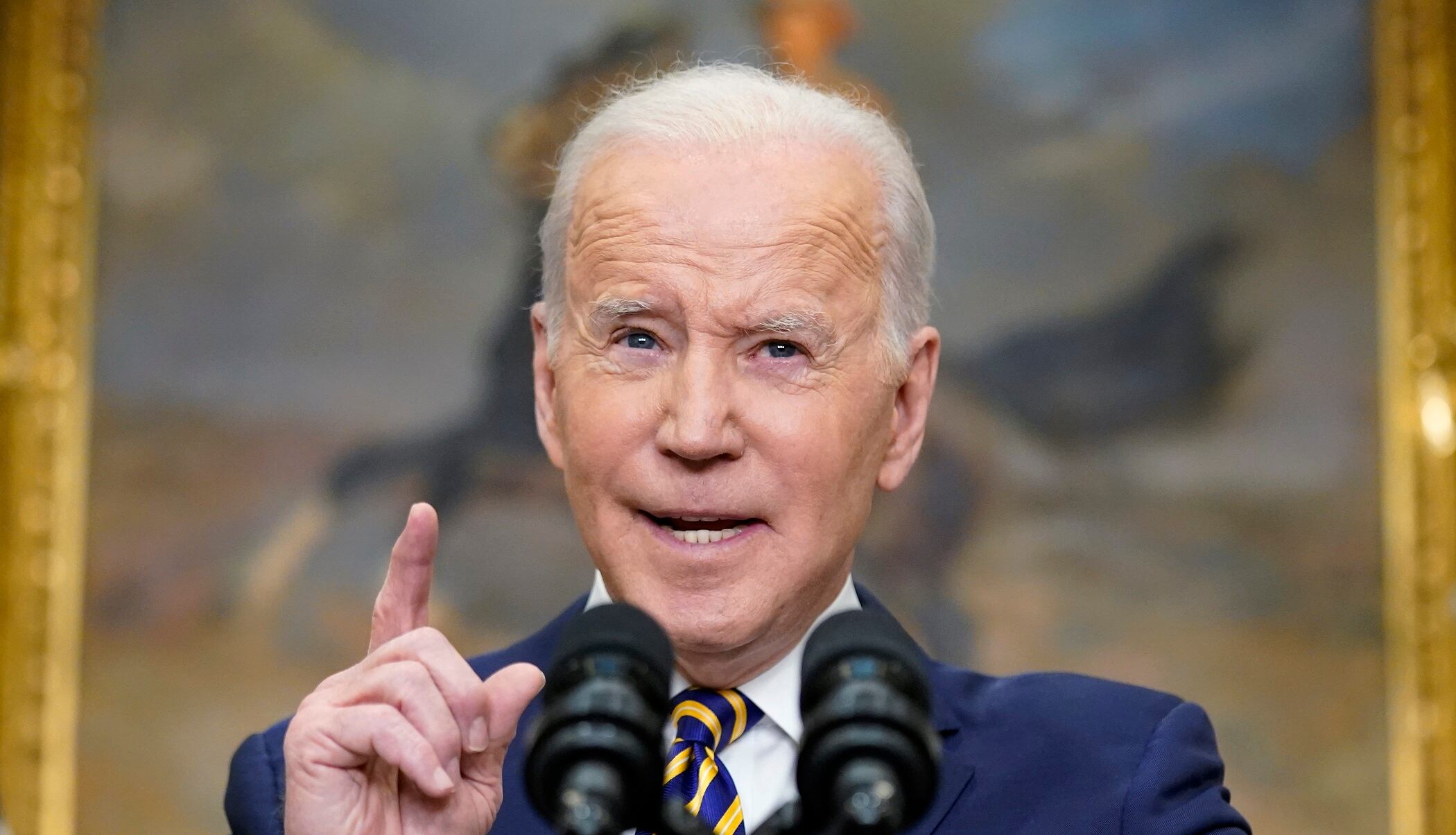
President Joe Biden on Wednesday signed a long-awaited executive order on cryptocurrencies, striking a careful balance between highlighting the risks of digital assets and touting their potential benefits.
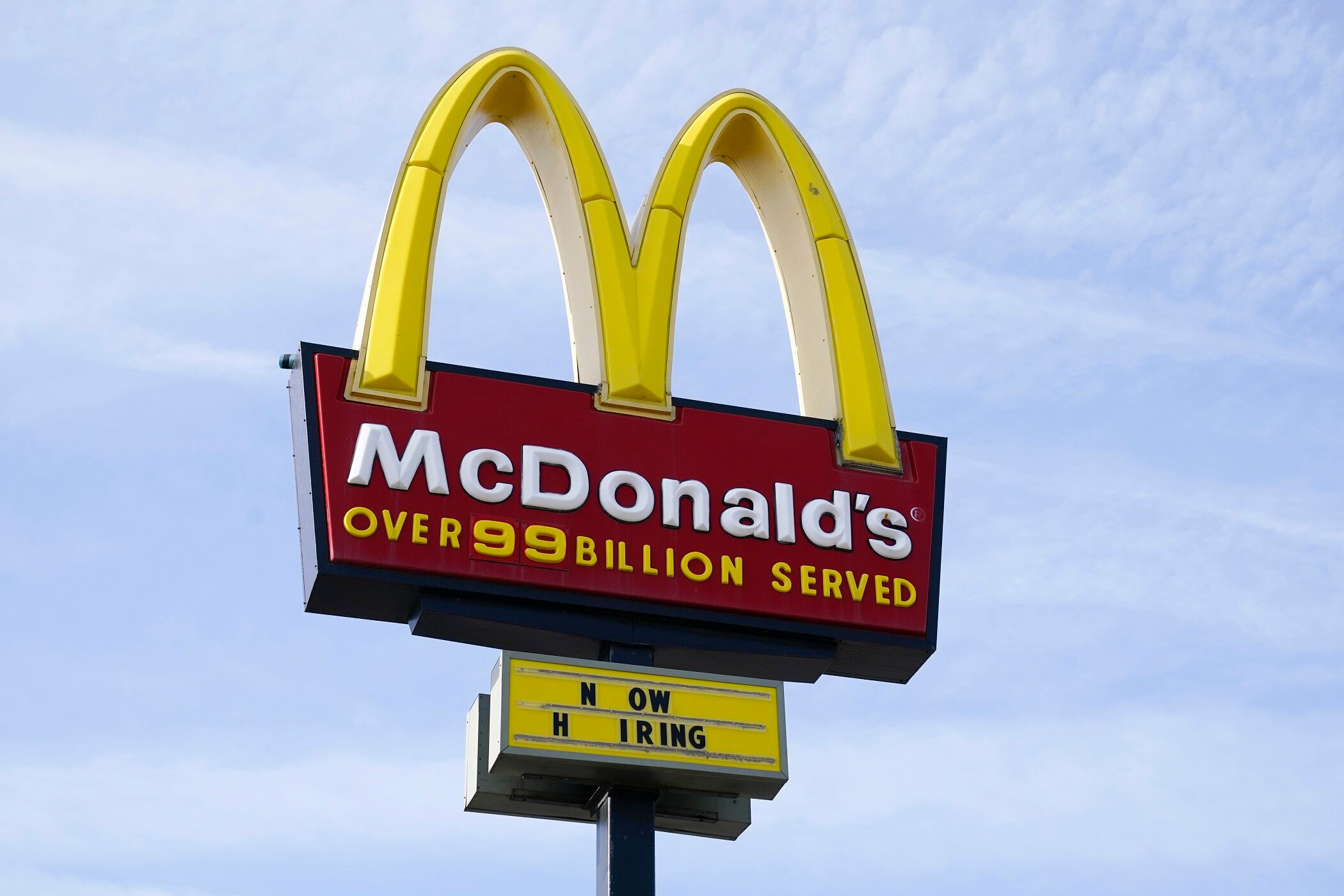
McDonald’s said Tuesday it is temporarily closing all of its 850 restaurants in Russia in response to the country's invasion of Ukraine. The burger giant said it will continue paying its 62,000 employees in Russia.
The price of nickel, one of the key minerals needed to produce stainless steel and lithium-ion batteries, saw an unprecedented surge Tuesday amid fears that Western sanctions could cut off Russian supplies of the crucial commodity.
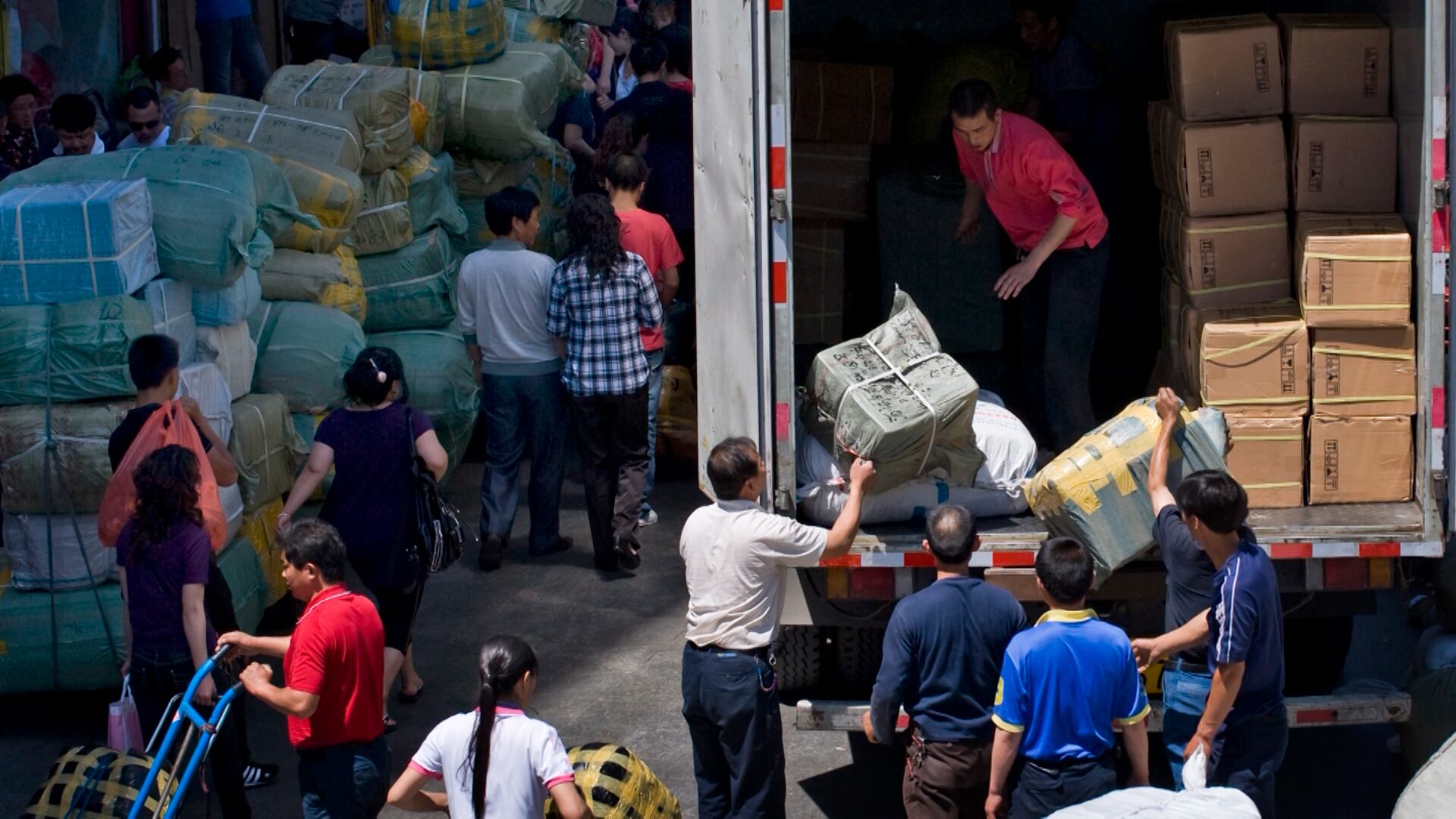
As Western companies cut ties with Russia over its invasion of Ukraine, there's a possibility their Chinese rivals could move in and fill the void. Major corporations such as Apple, Samsung, Dell, and more have halted sales in Russia in hopes of encouraging Putin to back down, but now it seems those sanctions could be presenting a unique opportunity for China. Michael Friedson, Co-founder and Executive Editor of The Media Line News Agency, joined Cheddar's Opening Bell to discuss how these Western boycotts are reshaping geopolitical alignments, the global economy, and international trade.
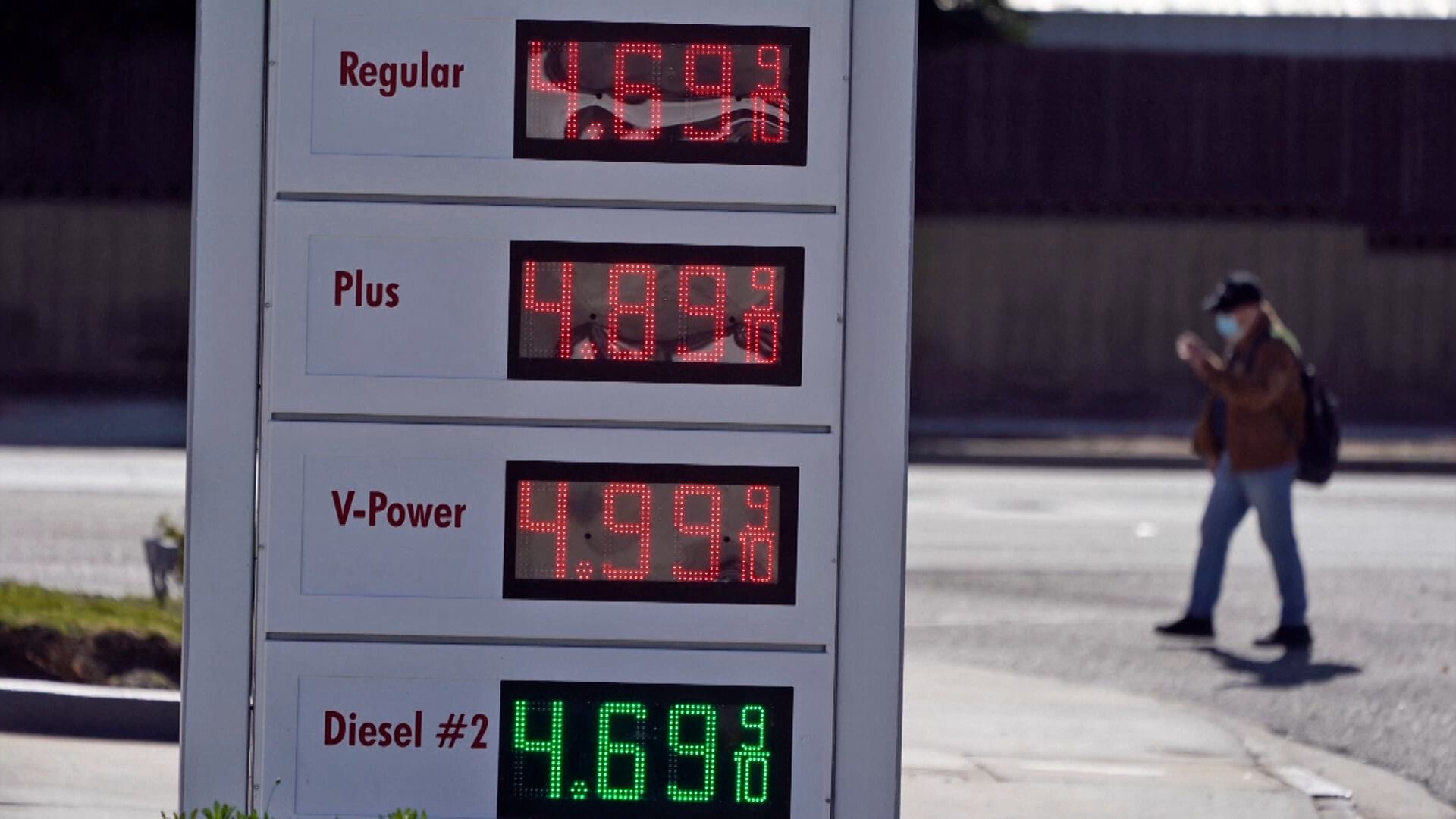
Gas prices have reached their highest level since 2008, topping an average of $4 across the country. The surge comes as Russia's invasion of Ukraine triggers supply concerns in what was already an extremely tight oil market. Jay Hatfield, Chief Investment Officer at ICAP, breaks down why costs at the pump are so high right now, and just how high they could go.
President Joe Biden has announced that the U.S. will ban all Russian oil imports, toughening the toll on Russia’s economy in retaliation for its invasion of Ukraine.
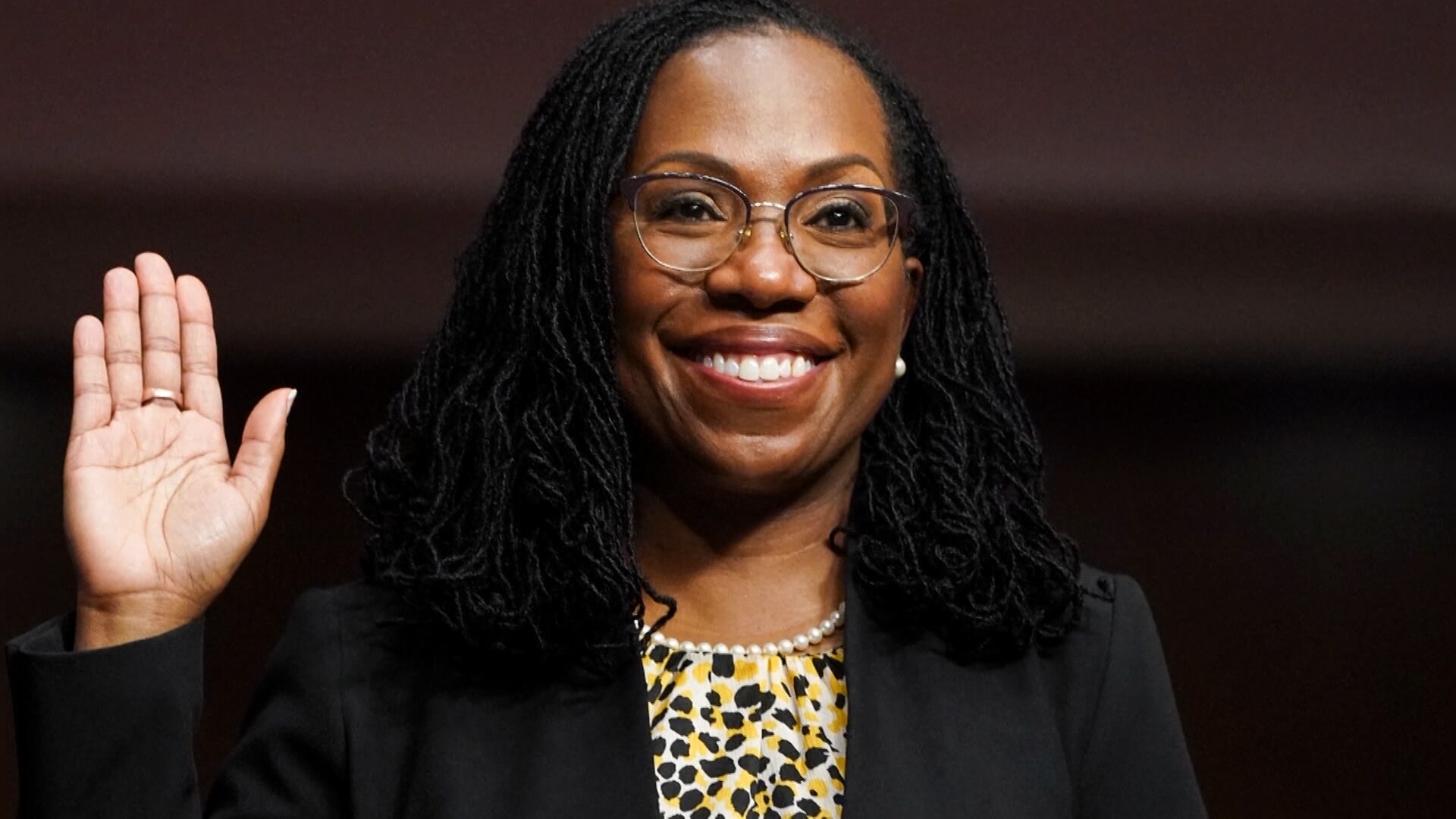
If confirmed, judge Ketanji Brown Jackson could become the first black woman on the bench of the U.S. Supreme Court. Cheddar News speaks with Katie Barlow, Chief Legal Correspondent at Fox 5 to discuss the significance of the nomination.
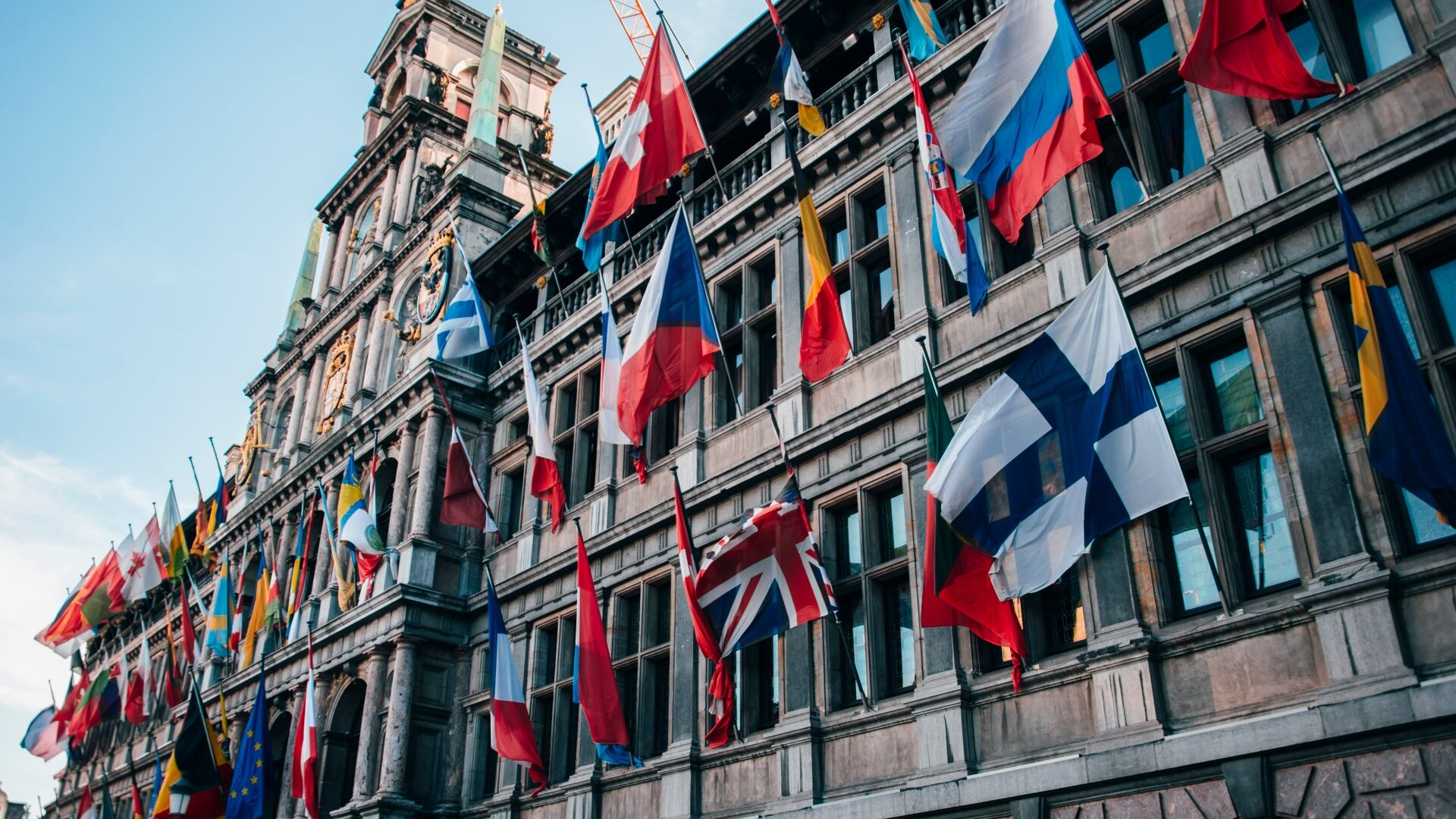
The European Union is historically divided and slow when it comes to decision-making, but in the recent weeks, the 27 members have agreed upon several sanctions and decisions regarding foreign policy and defense. The EU has cut off Russian banks from the swift payment system, blocked Russian propaganda channels, and closed European skies for air travel to and from Russia. Germany, for example, who has refused to send any deadly weapons to conflict zones, has now agreed to send lethal weapons to Ukraine. Rupert Steiner, London Bureau Chief at Barron's, joins cheddar news to discuss.
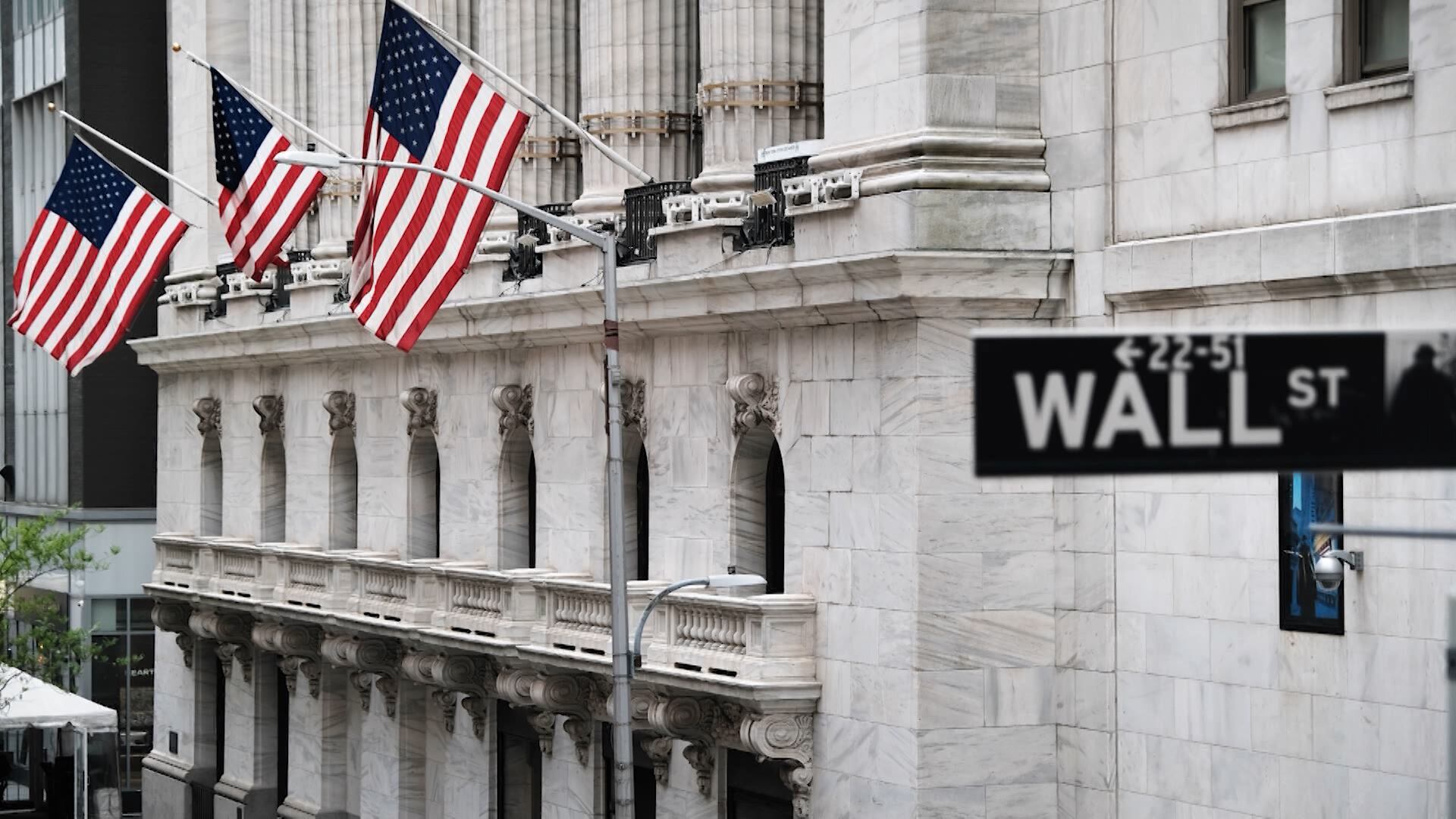
Sam Stovall, Chief Investment Strategist at CFRA Research, joins Cheddar News' Closing Bell where he dives into the factors contributing to Monday's market plunge and what could be in store when February's CPI data comes out on Tuesday.
Derek Shearer, former U.S. Ambassador to Finland and contributing writer for Washington Monthly, joins Cheddar News to discuss the latest developments in the Russia-Ukraine conflict.