Cambridge Analytica CEO Suspended, and the FTC Probes Facebook
Cambridge Analytica suspended its CEO Alexander Nix Tuesday after an undercover recording showed him bragging about illegally influencing political campaigns.
The firm was already under fire for its role in the Facebook data scandal. Many of that company’s top executives, including CEO Mark Zuckerberg, have stayed silent the last few days and even skipped out on a company-wide meeting Tuesday.
These two strands together indicate potential turmoil at the top of both companies, according to Jesse Byrnes, Associate Editor of The Hill.
“I think we’re seeing the gravity of the issue playing out now,” he told Cheddar. “We’re seeing lawmakers...calling for the top executives to make public appearances and to be answering questions.”
Late last week, news broke that data company Cambridge Analytica had used Facebook to collect data on millions of Americans without their permission. It then used that information to create personality profiles which were allegedly passed on to President Donald Trump’s campaign team before the 2016 election.
Its transgressions may have surpassed that -- in a video from Britain’s Channel 4 news, Nix talked about entrapping politicians with sex workers and his willingness to take bribes. The exec further boasted about the company’s role in electing Trump.
Also on Tuesday, Facebook came into the crosshairs of the Federal Trade Commission, which launched a probe into how the social media company used data from Cambridge.
“[They’re] going to be interested to see if Facebook allowed Cambridge Analytica to access this information and...whether they were at least knowledgeable about this,” said Byrnes.
Facebook said in a statement that in 2015 it asked Cambridge Analytica to delete all the data it had collected. It denied it knew Cambridge ignored that request and so suspended the company from its platform.
Not only does this controversy add to questions about Facebook’s privacy and data protection policies, it’s also given rise to the #DeleteFacebook campaign, which some say could eventually gain traction.
“I think people are going to reach a moment where the straw kind of breaks the camel’s back,” said Damon Beres, Executive Editor at Mashable. “We’ve been hearing so much about all these bad things that are happening because of Facebook...I would not be surprised if eventually people say enough is enough.”
Investors may be nearing that breaking point too. Facebook’s stock continued its downward trajectory on Tuesday, slipping another 2.5 percent after Monday’s near seven percent drop.
For the full interview, [click here](https://cheddar.com/videos/facebook-under-fire-what-the-u-s-could-learn-from-the-eu).
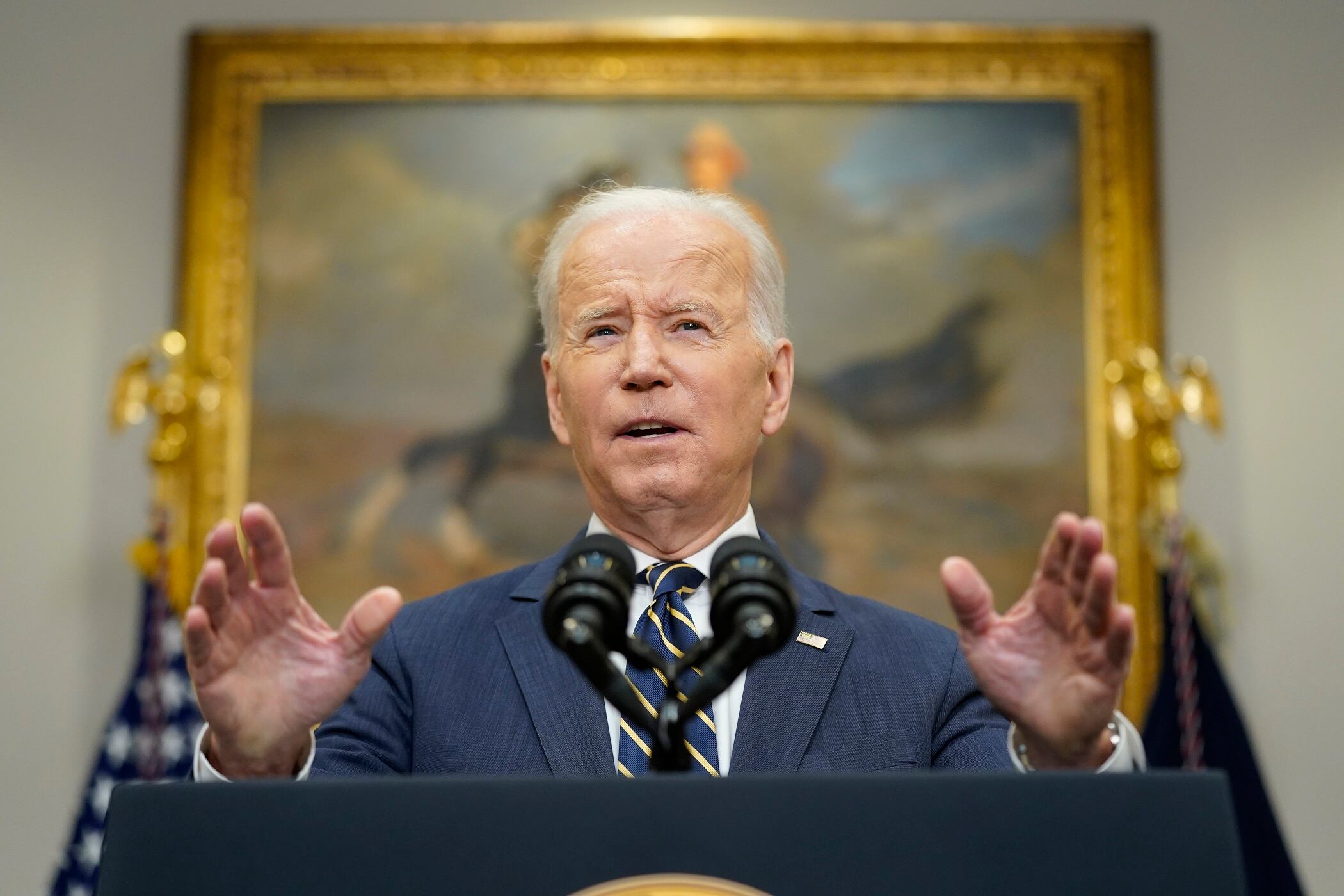
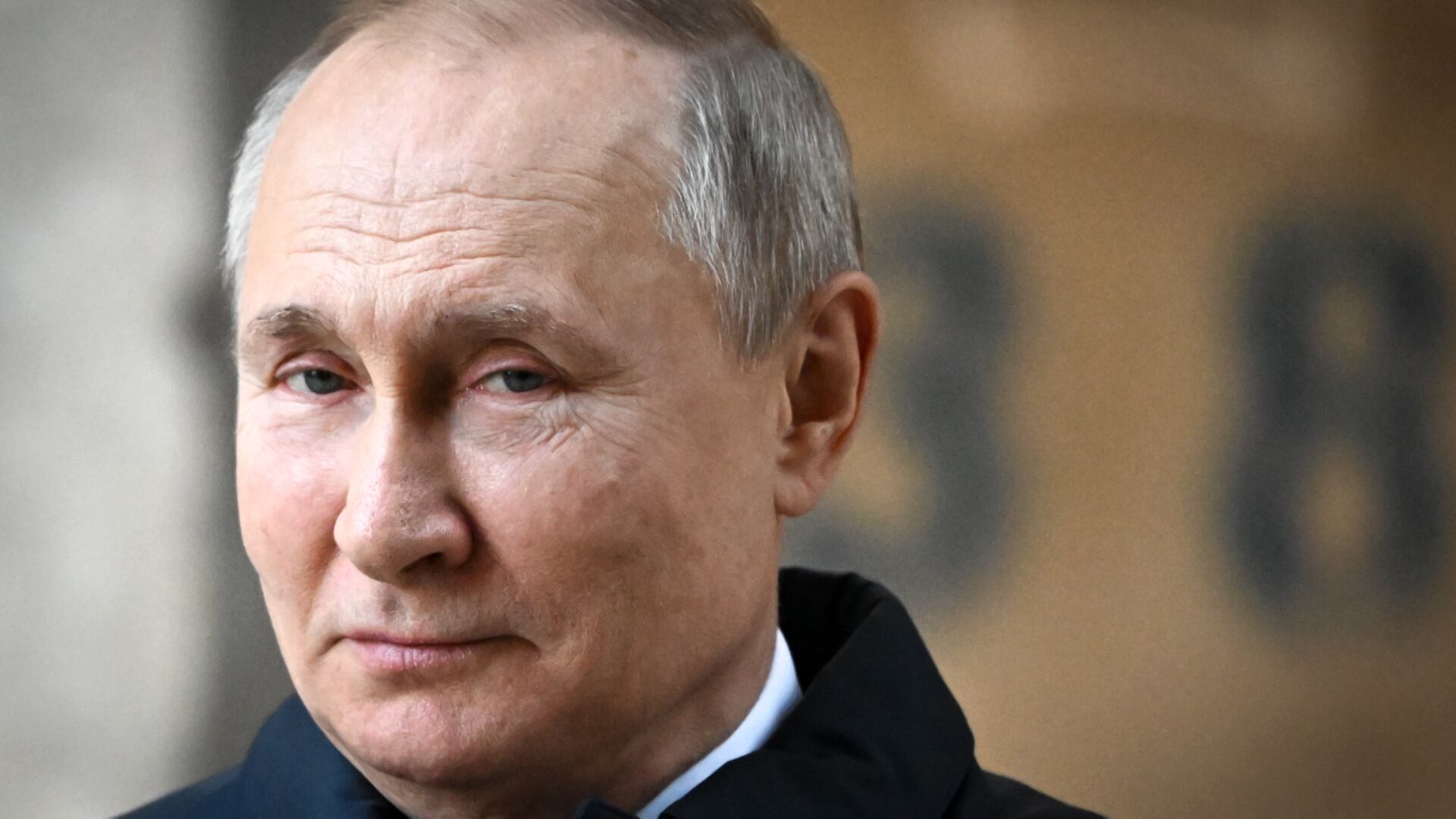
President Joe Biden announced Friday that along with the European Union and the Group of Seven countries, the U.S. will revoke “most favored nation” trade status for Russia over its invasion of Ukraine.
The consumer price index jumped 7.9 percent in February, marking a 40-year high for inflation in the U.S. This report comes less than a week ahead of the Fed's all important meeting. Kayla Bruun, Economic Analyst, Morning Consult, joined Cheddar's Opening Bell to discuss.
Markets opened lower amid hotter-than-expected inflation data, which surged to its highest level in nearly 40 years. Lisa Erickson, Senior Vice President and Co-Head, Public Markets Group, U.S. Bank joined Cheddar's Opening Bell to discuss the significance of this figure ahead of the Federal Reserve's FOMC meeting.
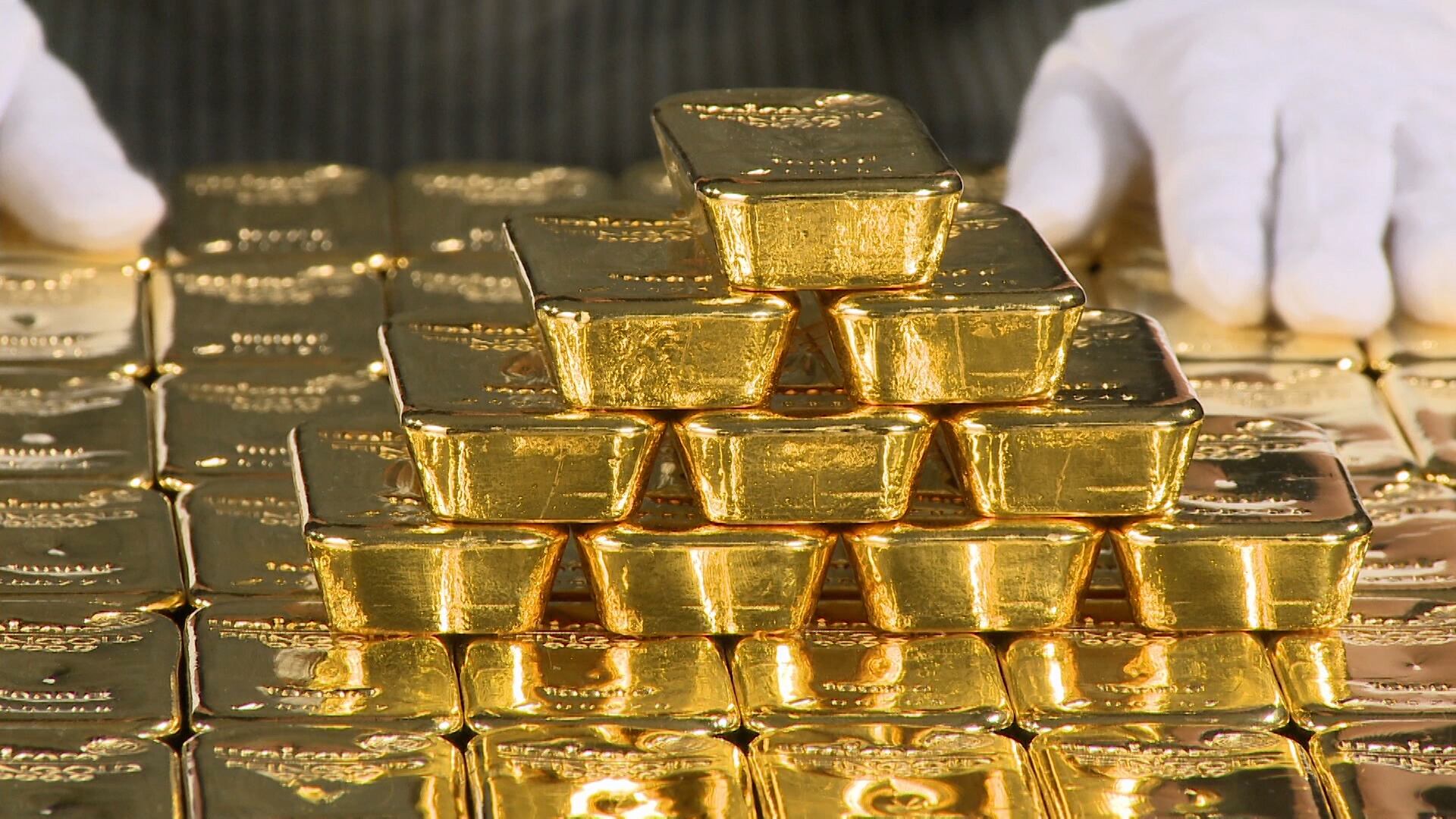
As the Russia-Ukraine war disrupts the global economy, sending markets on a roller coaster ride, gold remains hovering around $2,000 an ounce. Often seen as a safe haven in times of economic crisis, Jason Cozens, founder and CEO of gold-as-currency platform Glint Pay, joined Cheddar’s Opening Bell to discuss the latest gold rush, how the war is impacting prices, and how people can use Glint to trade in the precious metal. “You know the stock markets and cryptocurrencies are risky investments," he stated. "Whereas gold is just reliable money. It's no one else's liability if you own."
As Western sanctions weigh on Russia's economy, the country is at the risk of defaulting on its debt. Fitch ratings agency has downgraded Russia's debt for the second time in a week, warning a "sovereign default is imminent." Jesse Wheeler, Economic Analyst at Morning Consult, explains what that means, and how it could have ripple effects across the global economy.
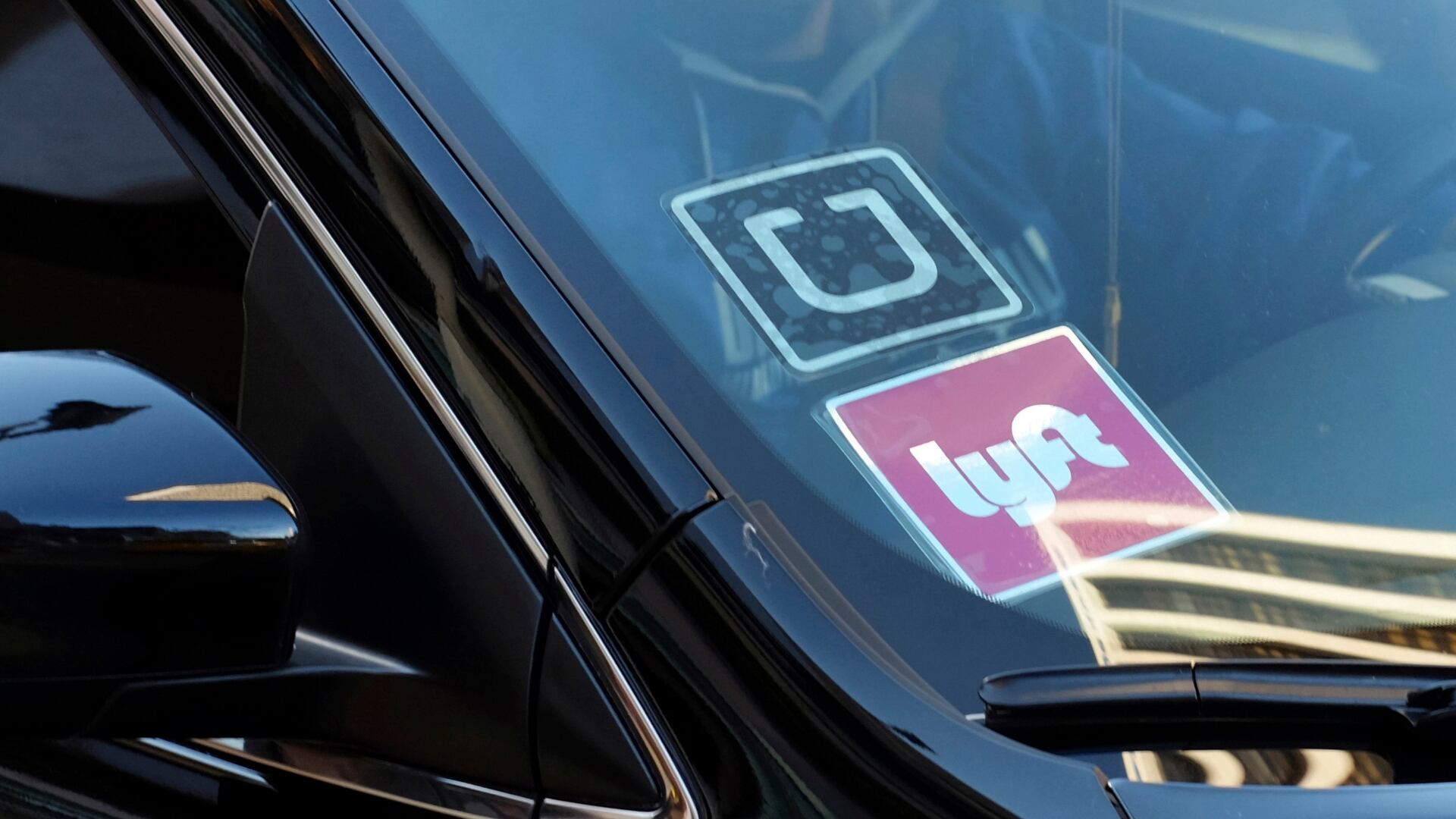
Uber Lyft and Doordash are all set to spend $1 million dollars on a campaign and efforts to stop lawmakers from classifying their gig workers as employees. The campaign features TV and online ads highlighting Washington area workers who say they prefer the flexibility of being an independent contractor rather than following the model of a company employee. Professor at NYU. Stern School of Business and author of the sharing economy, Arun Sundararajan, joined Cheddar to discuss more.
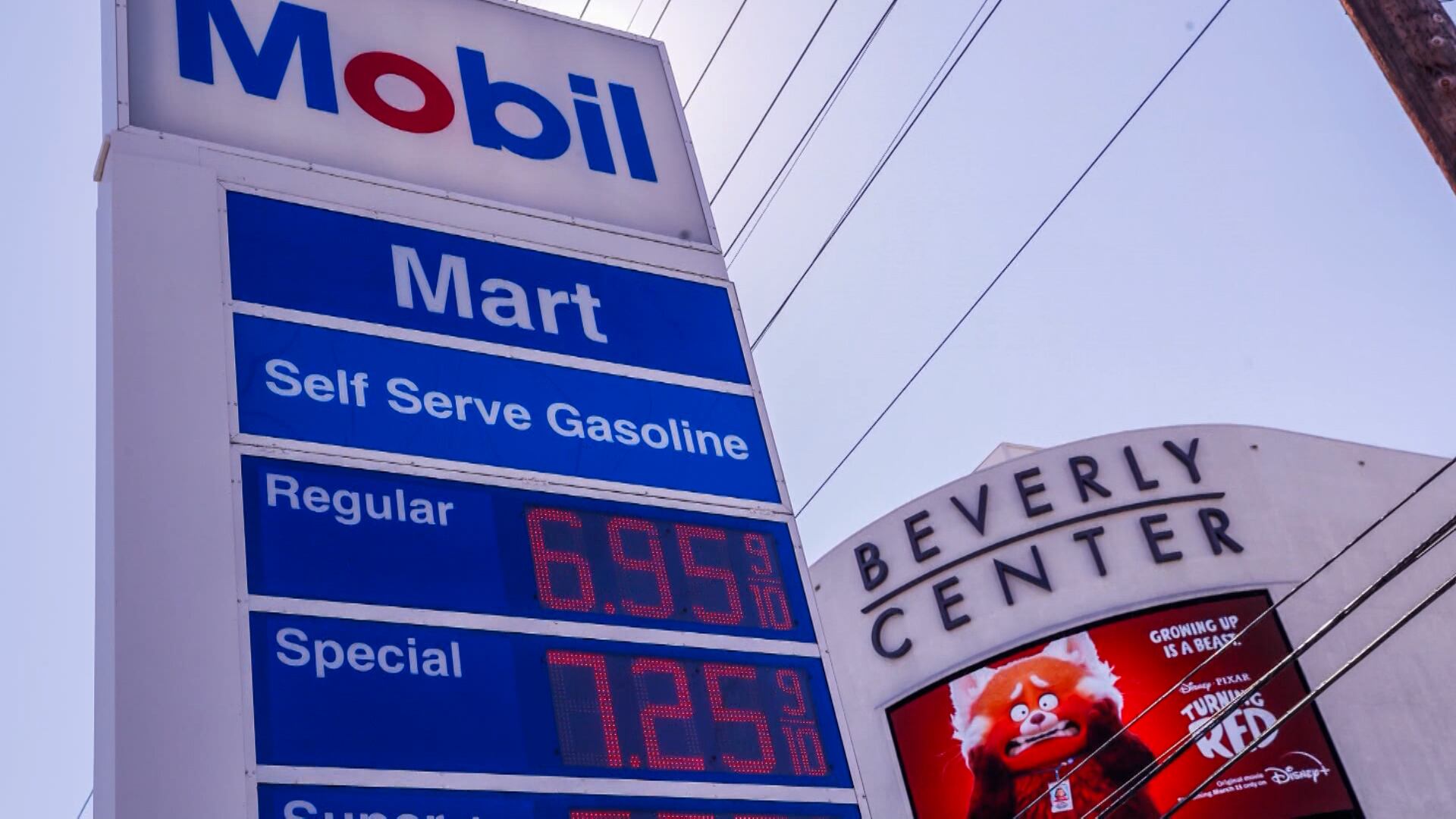
President Biden is looking at unlikely partners to buy oil, after banning all Russian energy imports. Among them is Venezuela, a regime that has been sanctioned by the U.S. since 2019. Ariel Cohen of the Atlantic Council explains to Cheddar News why that might not be a bad choice.