Cambridge Analytica CEO Suspended, and the FTC Probes Facebook
Cambridge Analytica suspended its CEO Alexander Nix Tuesday after an undercover recording showed him bragging about illegally influencing political campaigns.
The firm was already under fire for its role in the Facebook data scandal. Many of that company’s top executives, including CEO Mark Zuckerberg, have stayed silent the last few days and even skipped out on a company-wide meeting Tuesday.
These two strands together indicate potential turmoil at the top of both companies, according to Jesse Byrnes, Associate Editor of The Hill.
“I think we’re seeing the gravity of the issue playing out now,” he told Cheddar. “We’re seeing lawmakers...calling for the top executives to make public appearances and to be answering questions.”
Late last week, news broke that data company Cambridge Analytica had used Facebook to collect data on millions of Americans without their permission. It then used that information to create personality profiles which were allegedly passed on to President Donald Trump’s campaign team before the 2016 election.
Its transgressions may have surpassed that -- in a video from Britain’s Channel 4 news, Nix talked about entrapping politicians with sex workers and his willingness to take bribes. The exec further boasted about the company’s role in electing Trump.
Also on Tuesday, Facebook came into the crosshairs of the Federal Trade Commission, which launched a probe into how the social media company used data from Cambridge.
“[They’re] going to be interested to see if Facebook allowed Cambridge Analytica to access this information and...whether they were at least knowledgeable about this,” said Byrnes.
Facebook said in a statement that in 2015 it asked Cambridge Analytica to delete all the data it had collected. It denied it knew Cambridge ignored that request and so suspended the company from its platform.
Not only does this controversy add to questions about Facebook’s privacy and data protection policies, it’s also given rise to the #DeleteFacebook campaign, which some say could eventually gain traction.
“I think people are going to reach a moment where the straw kind of breaks the camel’s back,” said Damon Beres, Executive Editor at Mashable. “We’ve been hearing so much about all these bad things that are happening because of Facebook...I would not be surprised if eventually people say enough is enough.”
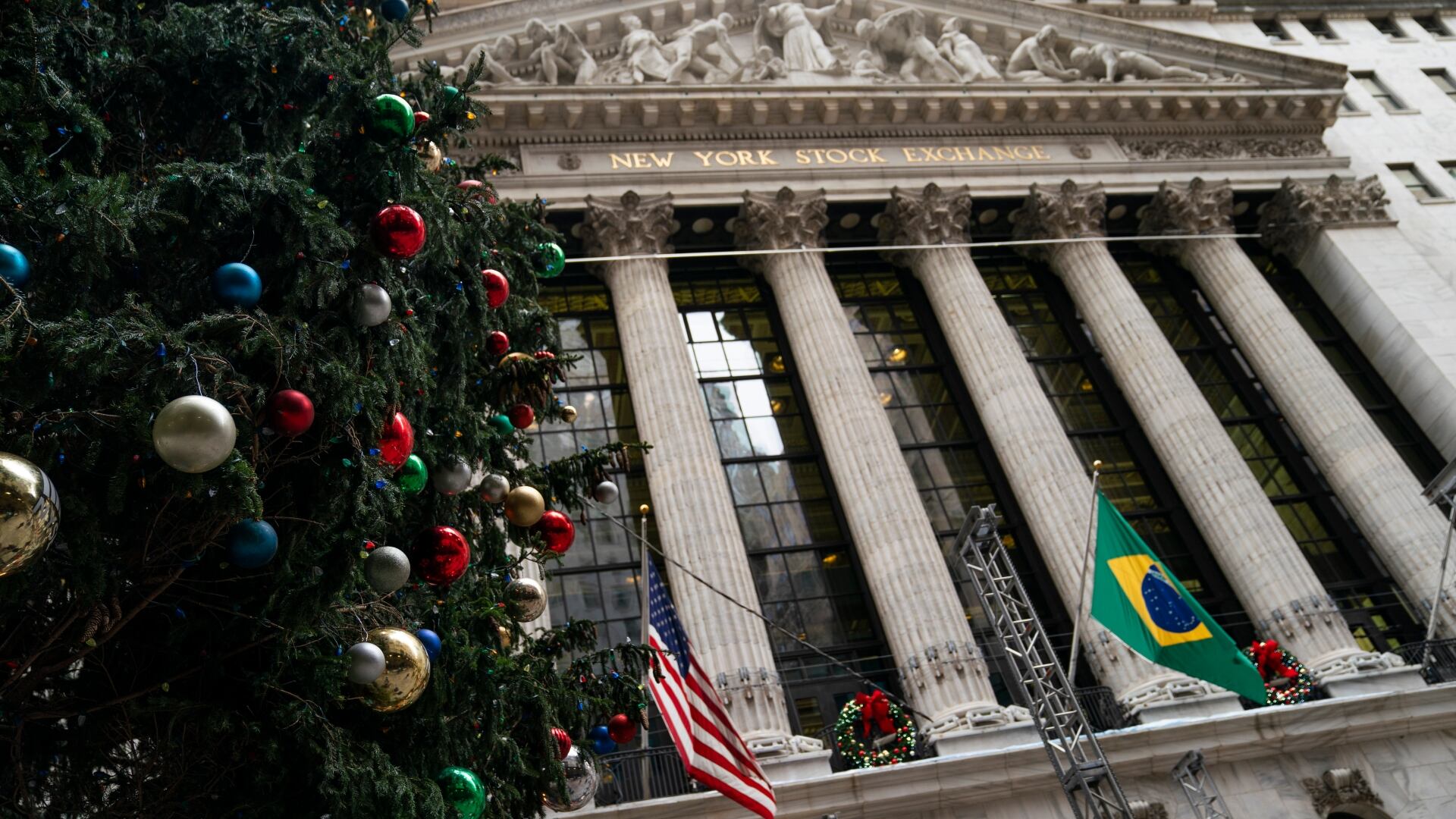
Investors may be nearing that breaking point too. Facebook’s stock continued its downward trajectory on Tuesday, slipping another 2.5 percent after Monday’s near seven percent drop.
For the full interview, [click here](https://cheddar.com/videos/facebook-under-fire-what-the-u-s-could-learn-from-the-eu).
2021 saw markets continue to be impacted by the onslaught of the coronavirus pandemic -most recently in the form of the Omicron variant- in addition to the global supply chain shortage, and increased inflation. But it wasn't all bad news, as crypto soared throughout the year, and meme stocks continued to have a moment. With the year coming to a close, investors are keeping an eye out to see if they should expect more of the same in the new year. Chris Vecchio, Senior Analyst, at DailyFX tells us what market trends to be on the watch for in 2022.
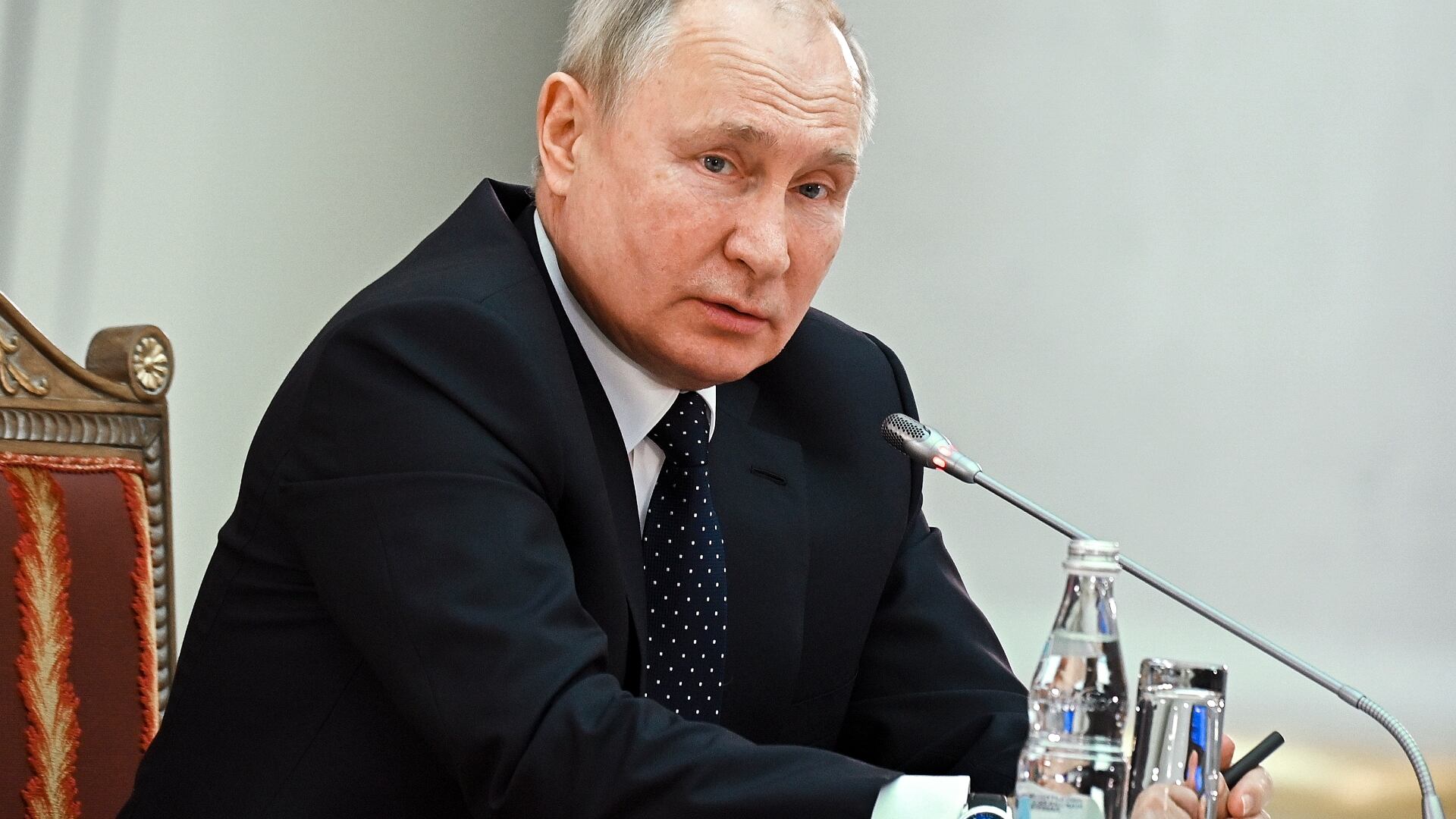
Matt Hayden, vice president of govtech solutions at Exiger and a former assistant secretary of cyber at Department of Homeland Security, joined Cheddar to discuss the surprise phone call initiated by Russian President Vladimir Putin to President Joe Biden, ahead of January security talks about the rising tensions over Ukraine. "We're hoping to hear that we're able to talk about the aggression and the leadup of the Ukrainian militarization," Hayden said. "But we're also looking to hear is how the Kremlin leveraged their talking points to try to test their negotiation stance with the United States leading into this January 10th meeting."
The No Surprises Act begins implementation on January 1, 2022. The legislation is meant to curb the practice of unexpected billing for care from providers the patient was unaware were out-of-network from their insurance. Patricia Kelmar, director of health care campaigns for U.S. PIRG joined Cheddar to describe the hundreds, sometimes thousands, of dollars charged to unsuspecting patients and how things will change under the new law. "If we are picking an in-network doctor and an in-network hospital, we should not see those added costs from anesthesiologists, radiologists, scrub-in surgeons," she said. "The other area it protects you is in air ambulances — not ground ambulances, unfortunately — but the helicopters or the airplanes you might need to transport you in an emergency situation."
President Joe Biden and Russian President Vladmir Putin are expected to have another conversation surrounding escalating tensions between Russia and Ukraine. Ariel Cohen, senior fellow at the Atlantic Council, joined Cheddar's Ken Buffa to discuss the ongoing tensions and why Putin's request for a conversation with Biden comes now. "This is very serious. This is the worst security crisis we had since the collapse of the Soviet Union," Cohen told Cheddar.
Stocks closed mixed on Wednesday, but two indexes - the Dow and the S&P 500 - ended the session with a new record. Akshata Bailkeri, Equity Analyst at Bruderman Asset Management, joins Cheddar News' Closing Bell, where she says there is a consensus for robust consumer spreading in 2022, especially as the Omicron variant is proving to be milder than other COVID-19 strains.