*By Alisha Haridasani*
California, the state most aggressively pursuing clean energy policies, became the first in the country to require almost all new homes have solar panels.
The new rule, adopted by the California Energy Commission on Wednesday, will apply to all residential buildings up to three stories tall built after January 1, 2020.
This change in the building code is expected to add around [$10,000](http://www.energy.ca.gov/title24/2019standards/documents/2018_Title_24_2019_Residential_Standards.pdf) to the cost of a new home. But the commission [estimated](http://www.energy.ca.gov/releases/2018_releases/2018-05-09_building_standards_adopted_nr.html) the panels could save home owners around $80 a month on utility bills, and will slash greenhouse gas emissions “by an amount equivalent to taking 115,000 fossil fuel cars off the road.”
The requirement is part of California’s push to get half the state's electricity from renewable sources by 2030. The state already relies on renewables for around 25 percent of its electricity, and it is expected to rise to around 33 percent by 2020.
The California Building Standards Commission must formally adopt the rule, which it is expected to do, said Mark Kaufman, Mashable’s science reporter. “California is really keen on solar, just like Texas is really keen on wind,” Kaufman said.
Shares of solar companies, such as SunRun and First Solar, rallied on Thursday.
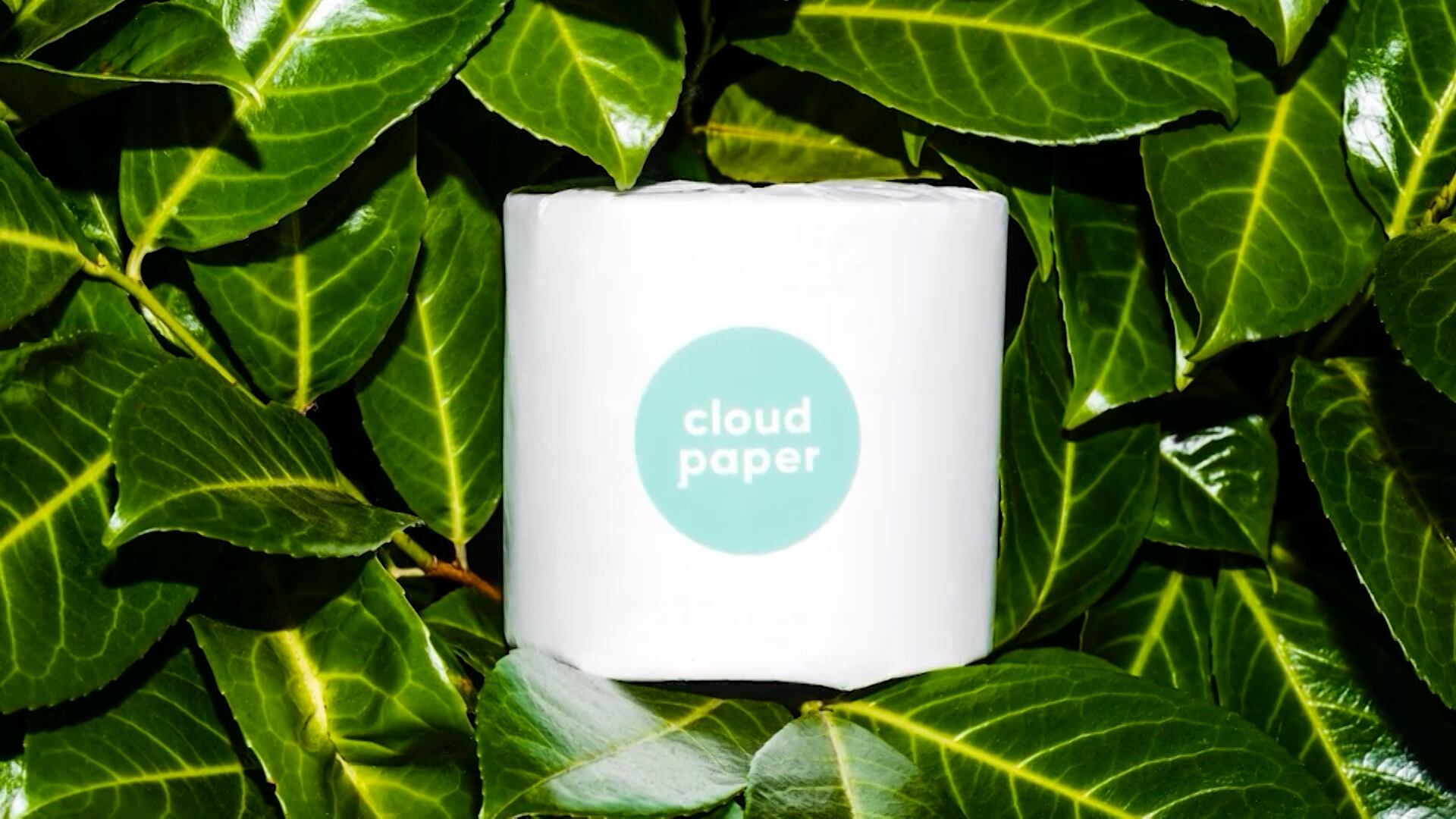
Bamboo-based toilet paper company Cloud Paper raised $5 million in a recent funding round. Its product is a bamboo-based alternative to traditional toilet paper made from trees, and its mission is to end the deforestation caused by traditional paper products. Cloud Paper says the raise will allow it to make significant investments in its supply chain, product development, and hiring. Ryan Fritsch, a co-founder of Cloud Paper, joined Cheddar News' Closing Bell to discuss.
The Biden Administration has now issued new guidelines when it comes to carbon capture. The new guidelines handed down this week encouraged the widespread use of climate attacks that traps and stores carbon emissions. The goal here is the process would help keep carbon out of the atmosphere without requiring a whole lot of change by big companies and manufacturing plants. Several scientists say that this method would be crucial to help us decrease the use of carbon emissions by the year 2050. Professor of Civil and Environmental Engineering at Stanford University, Mark Jacobson, joined Cheddar to discuss more.
Ellen Goodwin, Co-Founder and Chief Solutions Officer of Artifcts, joins ChedHER to discuss how she's creating a platform to preserve the history of your belongings, and her experience succeeding in male-dominated industries.