Flags fly half-mast at Dodgers Stadium in honor of the recent passing of the Hall of Fame manager Tommy Lasorda overlooking Los Angeles City Hall Monday, Jan. 11, 2021. (AP Photo/Damian Dovarganes)
By Don Thompson
California is transforming baseball stadiums, fairgrounds and even a Disneyland Resort parking lot into mass vaccination sites as the coronavirus surge overwhelms hospitals and sets a deadly new record in the state.
California's COVID-19 death toll reached 30,000 on Monday, according to data collected by Johns Hopkins University.
It took six months for the nation's most populous state to reach 10,000 deaths but barely a month to jump from 20,000 to 30,000 deaths. California ranks third nationally for COVID-19-related deaths, behind Texas and New York, which is No. 1 with nearly 40,000.
Public health officials have estimated about 12% of those who catch the virus will require hospital care, usually several weeks after infection as they get sicker.
Gov. Gavin Newsom and public health officials are counting on widespread vaccinations to help stem the tide of new infections, starting with medical workers and the most vulnerable elderly, such as those in care homes.
Newsom acknowledged the rollout of vaccines has been too slow and he pledged 1 million shots will be administered this week, more than twice what’s been done so far.
That effort will require what Newsom called an “all-hands-on-deck approach,” including having vaccinations dispensed by pharmacists and pharmacy technicians, dentists, paramedics and emergency medical technicians, and members of the California National Guard.
Orange County, south of L.A. County, announced Monday that its first mass vaccination site will be at a Disneyland Resort parking lot in Anaheim. It's one of five sites to be set up to vaccinate thousands of people daily.
The sites are “absolutely critical in stopping this deadly virus," county Supervisor Dough Chaffee said in a statement.
The state will vastly expand its effort with new mass vaccination sites at parking lots for LA’s Dodger Stadium, Petco Park in San Diego and the CalExpo fairgrounds in Sacramento.
Cars lined up early Monday near the downtown stadium in San Diego, where officials aimed to inoculate 5,000 health care workers a day.
“It’s kind of like a Disneyland ride” with cars moving through, said Heather Buschman, spokeswoman for UC San Diego Health, whose medical staff was administering the shots. She said people seemed eager to be vaccinated, with more than 12,500 health care workers in San Diego County initially scheduling an appointment.
By week's end, the city of Los Angeles planned to convert its huge COVID-19 testing site at Dodger Stadium into a vaccination center that can handle 12,000 inoculations daily.
Los Angeles County is an epicenter for the COVID-19 outbreak, accounting for some 40% of California's virus-related deaths and a huge number of new cases.
On Monday, nearly 8,000 people were hospitalized in Los Angeles County, which had fewer than 50 intensive care units available in an area with a population of 10 million people, said Dr. Christina Ghaly, county director of Health Services.
While the county saw a dip in new cases, the director of public health, Barbara Ferrer, said that probably is due to decreased testing after the New Year's holiday. She predicted another increase in cases from people who gathered together unsafely over the holiday.
Ferrer also said COVID-19 is still killing someone in the county every eight minutes, on average.
There is a sliver of hope, with new hospitalizations statewide down from about 3,500 a day earlier this month to about 2,500. Some forecasts say the hospitalizations will level off by the end of the month.
Yet recent frightening jumps in new positive cases show the state may simply have bought itself time to prepare for what officials still expect to be a “surge on top of a surge” in the next few weeks driven by New Year's celebrations, officials said.
Still, the state may get “a little breathing room” for hospitals that have seen their staff and oxygen supplies stretched thin, and for 1,000 newly arriving contract medical workers to be augmented by another 1,000 or so before the surge peaks, said Dr. Mark Ghaly, secretary of the California Health and Human Services Agency.
Lawmakers also continued to plead with people to keep social distancing to slow the spread of infection. In L.A. County, residents were being urged to wear a mask even when at home if they go outside regularly and live with someone elderly or otherwise at high risk.
“Dying from COVID in the hospital means dying alone,” county Board of Supervisors Chair Hilda Solis said. “Visitors are not allowed into hospitals for their own safety. Families are sharing their final goodbyes on tablets and mobile phones."
“One of the more heartbreaking conversations that our health care workers share is about these last words when children apologize to their parents and grandparents for bringing COVID into their homes, for getting them sick," Solis said. “And these apologies are just some of the last words that loved ones will ever hear."
Watson reported from San Diego. Associated Press writers John Antczak, Robert Jablon and Christopher Weber in Los Angeles contributed to this report.
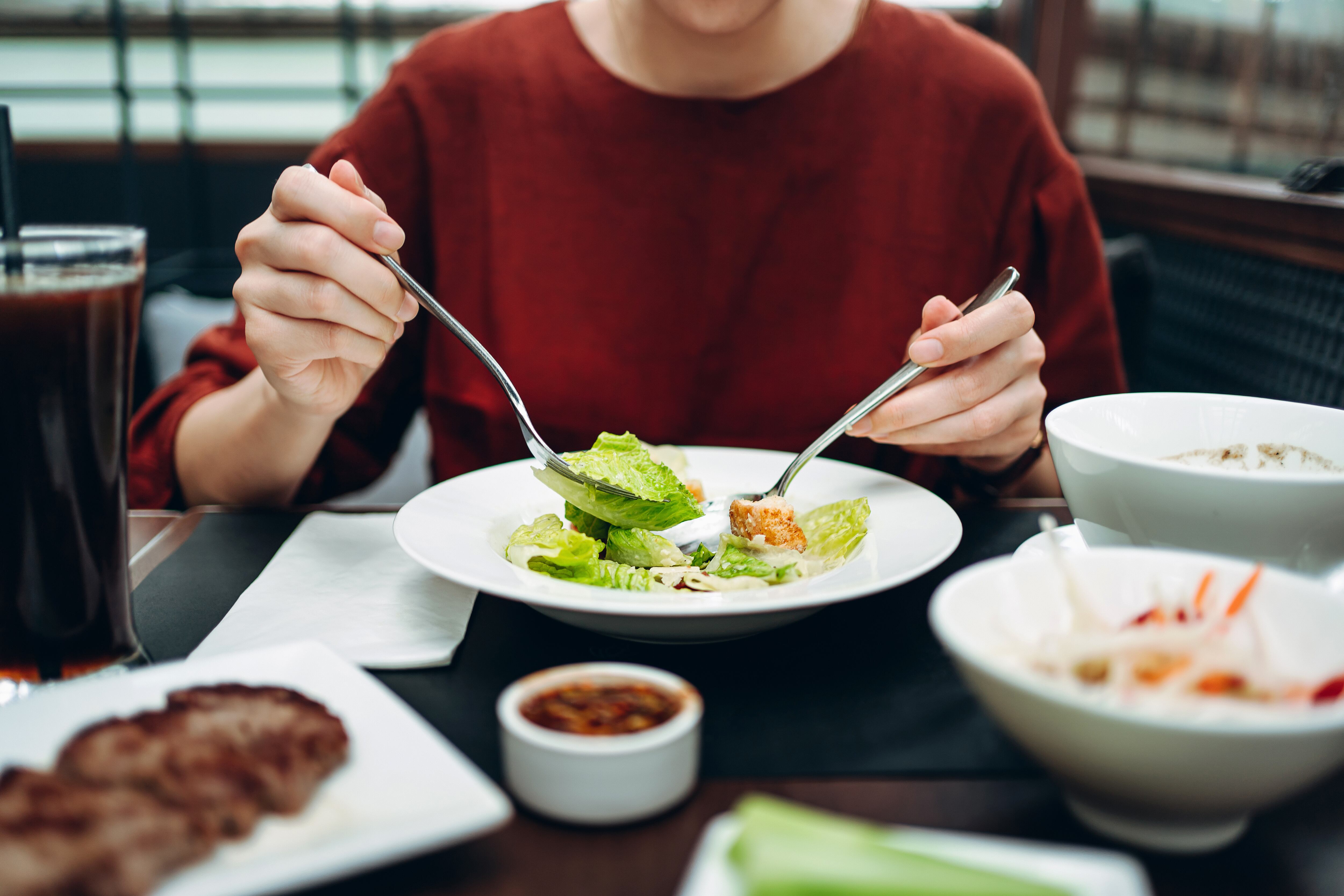
Ellen Fitzsimmons-Craft, assistant professor of psychiatry at Washington University School of Medicine, joins Cheddar News to discuss how chatbots can help prevent eating disorders and the research that uncovered these findings.
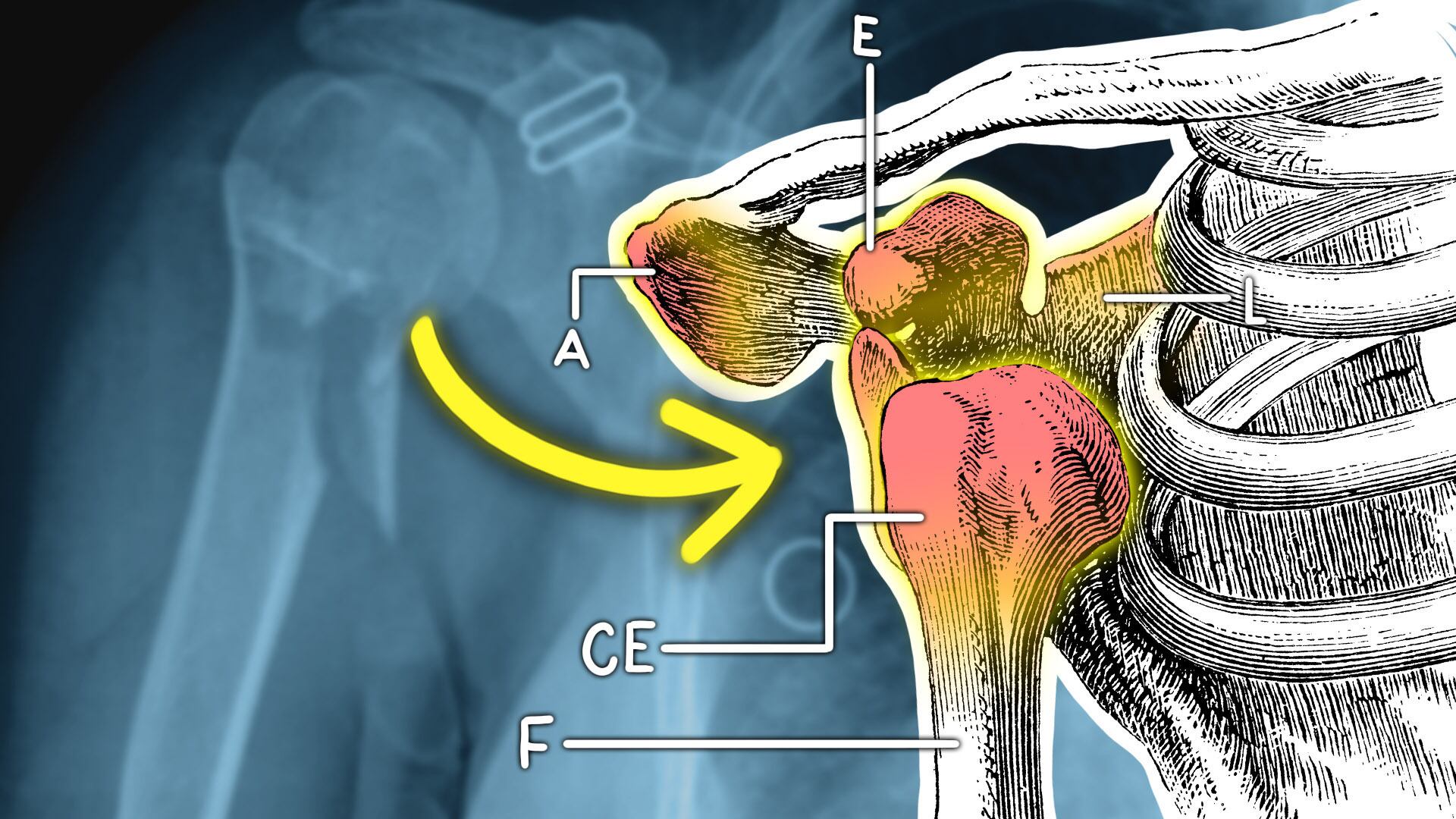
Shoulder injuries are one of the most common orthopedic injuries – and they're also one of the most commonly ignored. But chimpanzees, with whom we share nearly 99% of our DNA, don’t encounter the same issues we do. So why are human shoulders such a design disaster? Well, we can trace the answer back to a very particular moment in our evolution.
As the Omicron variant continues to sweep across the country. The US Supreme Court is expected to hear arguments at the end of this week on whether or not the Biden administration can force private companies to vaccinate or test millions of their employees. In addition, the National Nurses United has spearheaded legal action to protect nurses and health care workers, patients, and the public while on the job. President of the National Nurses Union, Zenei Cortez, joined Cheddar to discuss more.
Digital medical care provider Pear Therapeutics rang the closing bell on the Nasdaq Friday and President and CEO Dr. Corey McCann, joined Cheddar to talk about how the company plans to grow the business of software-based therapeutics and how the first FDA authorized prescription digital therapeutics company will go about treating illnesses like insomnia and addiction. "These really are pieces of software. In many cases, they're apps and in the cases of our addiction products, these are based on something called cognitive behavioral therapy or CBT," he said. "These products change the patient's brain circuitry to help them be abstinent, to help them stay in treatment, and that's exactly what we see in randomized clinical trials and that's what we see in the real world." He also addressed the ongoing mental health crises brought on by the pandemic. **copy updated to remove IPO information as Pear Therapeutics went public in December**
Jake Carbone, senior data analyst at InfluenceMap joins Cheddar News to talk about a new report by The Guardian and InfluenceMap that reveals how companies are creating fossil fuel ads designed to look like Google search results.
Satellite launch service Virgin Orbit has gone public on the Nasdaq via a SPAC merger with NextGen Acquisitions with a valuation of about $3.2 billion. CEO Dan Hart joined Cheddar's "Between Bells" from in front of his LauncherOne rocket in New York City's Times Square to talk about what's next after the IPO, an upcoming "Above the Clouds" mission to deliver commercial and national security payloads, and the benefits of their rockets being launched from commercial 747 aircraft. "We can launch anywhere in the world," he said. "There are almost 80 space agencies across the world, for instance, and about 10 of them have space launch. We can give them a space flight capability overnight by taking a runway and turning it into a spaceport."
The year 2021 saw numerous natural disasters around the world, including extreme heat and wildfires, rare deep freezes, and historic flooding. This year's United Nations COP26 conference was key for getting world leaders on board with emissions reductions and other climate-focused policies as the UN Secretary-General said the agency's report on global warming is a 'code red for humanity.' In the U.S., President Joe Biden has focused most of his domestic agenda on slashing emissions and building climate-focused infrastructure. Guests from The Economist, UNC-Chapel Hill, Global Rescue, and more join Cheddar Climate's year-end special to discuss how the climate changed in 2021, and what to expect in 2022.
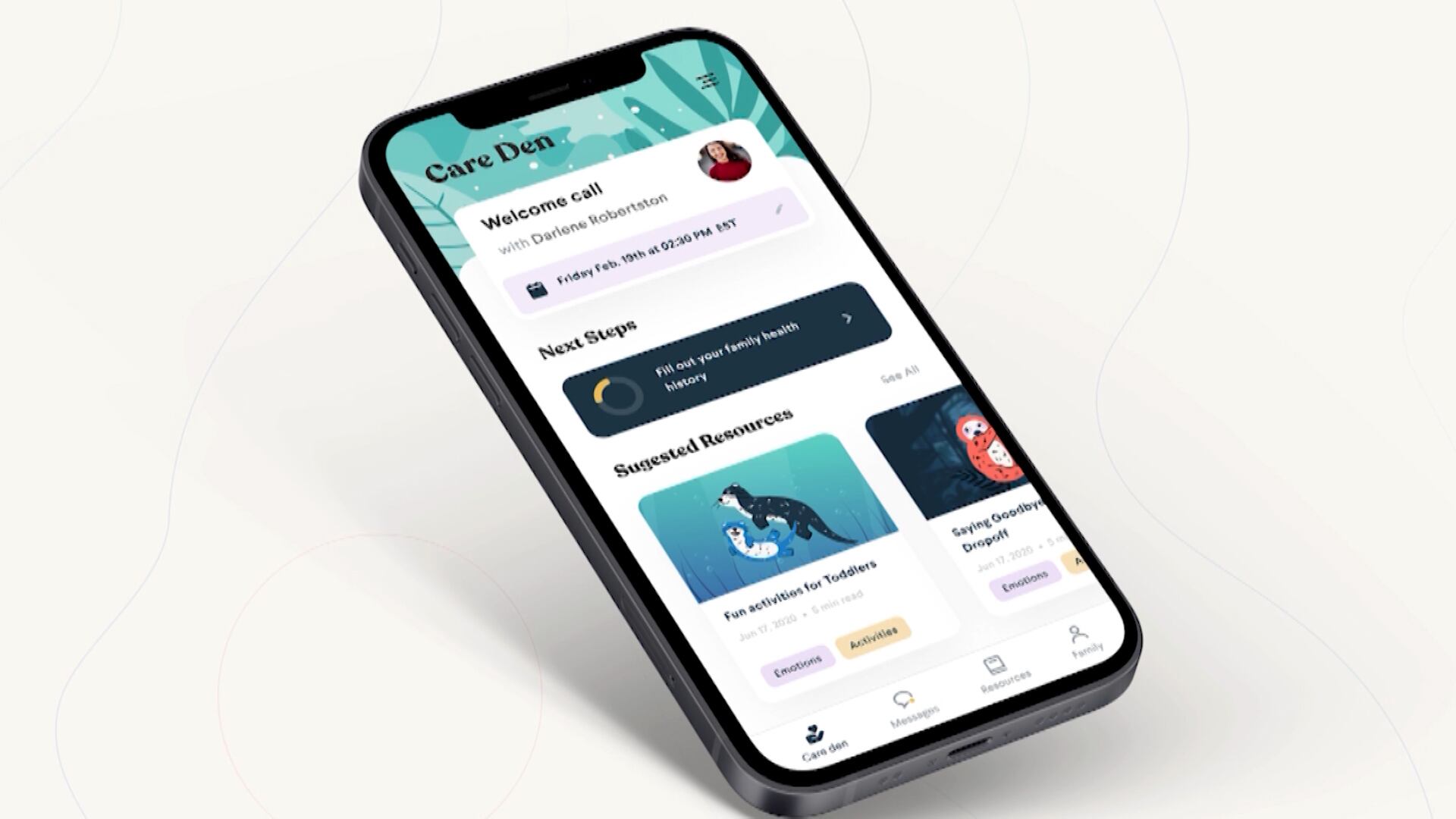
Digital mental health company Little Otter recently announced it closed a $22 million Series A round. Little Otter was founded in 2020 by a mother-daughter team, which based the company on the idea that a child's mental health can only be addressed by treating the whole family through technology available to everyone. Little Otter CEO and co-founder Rebecca Egger and her mother, Little Otter Chief Medical and Scientific Officer and co-founder Dr. Helen Egger joined Cheddar News' Closing Bell to discuss.
Among all the other events of the last few years, you may have missed this one: Spermageddon. This is the fun name for the idea that sperm counts among mainly ‘Western’ men are in freefall. The Spermageddon hype began with the publication of a 2017 study showing a nearly 60% drop in overall sperm counts in men living in North America, Europe, Australia, and New Zealand.
But four years later, it seems that Spermageddon has been overblown. By a lot. And all that hype has obscured the real issue behind declining male fertility.
Covid-19 has changed the way we view wellness. Jillian Hughes, communications director of Mental Health America, joins Cheddar News to discuss breaking the stigma around mental health. Justin Davis, CEO and co-founder of Spectrum Labs, weighs in on how social media impacts our wellbeing. Lastly, Precision Nutrition CEO Timothy Jones advices us on what trends to watch in 2022.