Senator Kamala Harris, who was once seen as a top tier contender for the 2020 Democratic presidential nomination, dropped out of the race on Tuesday.
"I've taken stock and looked at this from every angle, and over the last few days have come to one of the hardest decisions of my life," the California senator wrote in a note to supporters. "My campaign for president simply doesn't have the financial resources we need to continue."
Harris spent the early days of her campaign as a promising candidate, rising as high as second place in the Real Clear Politics poll average in July, but has struggled with finances as well as reports of staff disorganization and infighting, according to the New York Times.
By November, she was polling in the low single digits and laid off her New Hampshire field team to increase her focus on Iowa's first-in-the-nation caucuses on February 3.
Though she had shifted focus to the Hawkeye State, she lacked the cash to run TV ads in Iowa, a state in which Harris had not run an ad in three months. Only recently, support for a super PAC made up of former aides to pay for advertising began to gain traction within the campaign.
Harris was one of seven candidates who had already qualified for the sixth debate, which will be held in her home state of California, before today's announcement.
The senator had started her campaign in front of a crowd of20,000 in Oakland, according to her campaign, and said she is withdrawing "with deep regret — but also with deep gratitude."
This week's episode of Cheddar's Crypto Craze tackles the latest news and trends in this emerging market. Dropbox files to go public. The dow closes the week up more than 300 points. TV personality Kelly Killoren Bensimon is out with a fur slipper line.
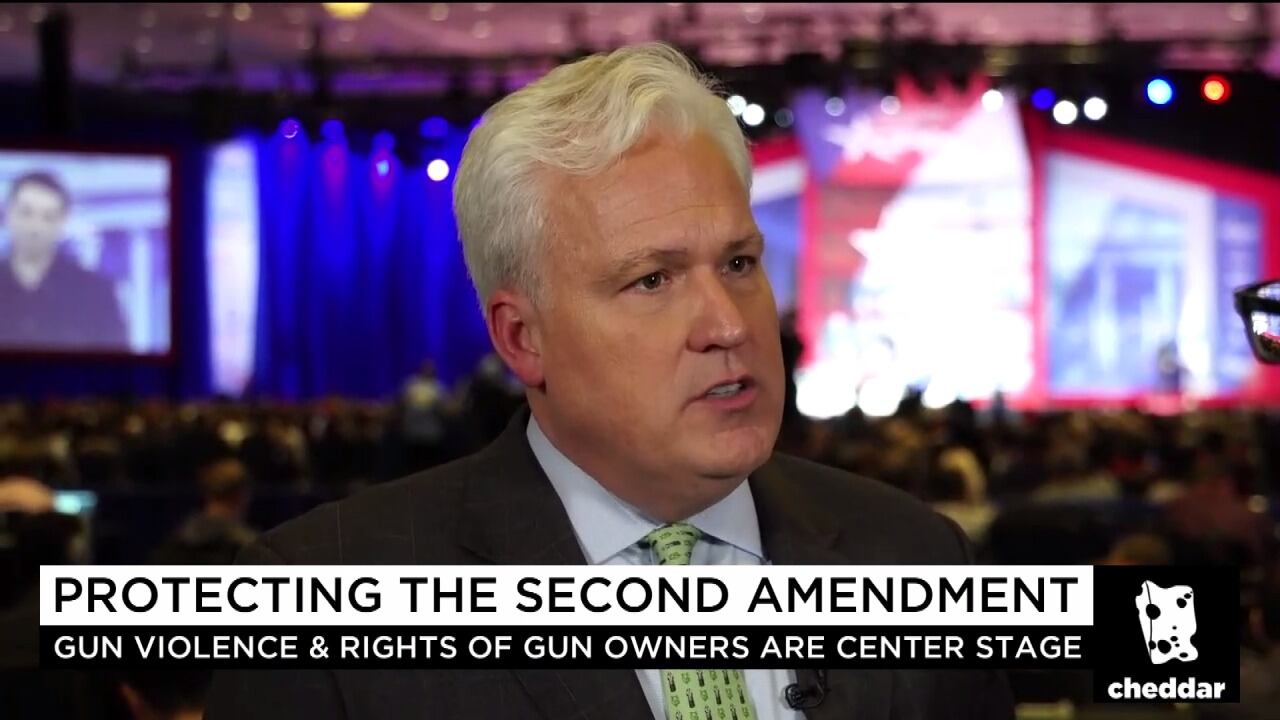
CPAC Chairman Matt Schlapp says places that have stricter gun control laws generally have higher crime rates. But he's open to "listening and learning and hearing people out."
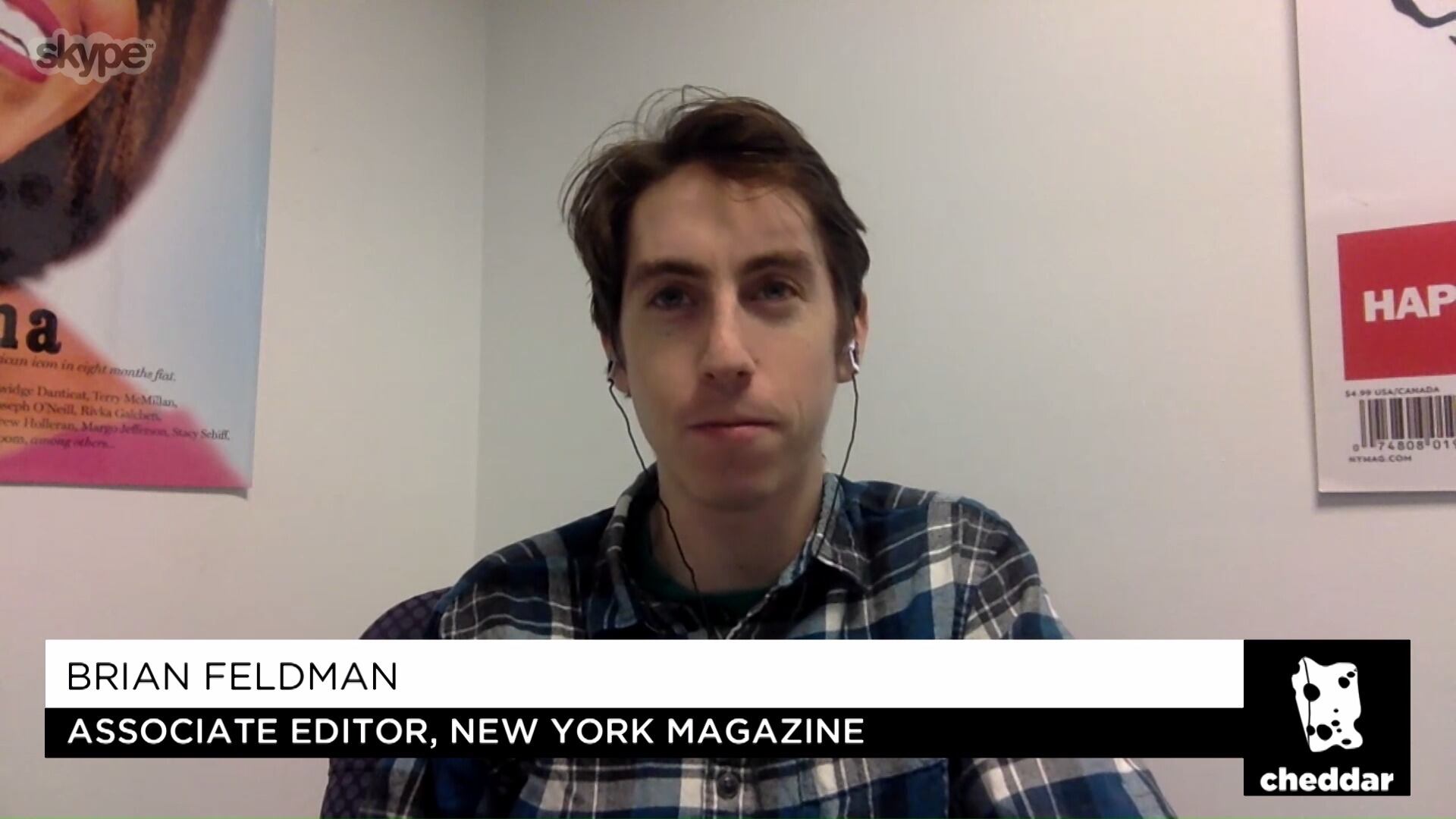
Gun control isn't the only issue being thrust into the spotlight in the wake of the Parkland school shooting. The concept of "trending" news is facing criticism after conspiracies about some of the students seeped into the top stories sections of leading online content platforms. New York Magazine's Brian Feldman joins Cheddar to explain why he thinks it's time to put all things trending to an end.
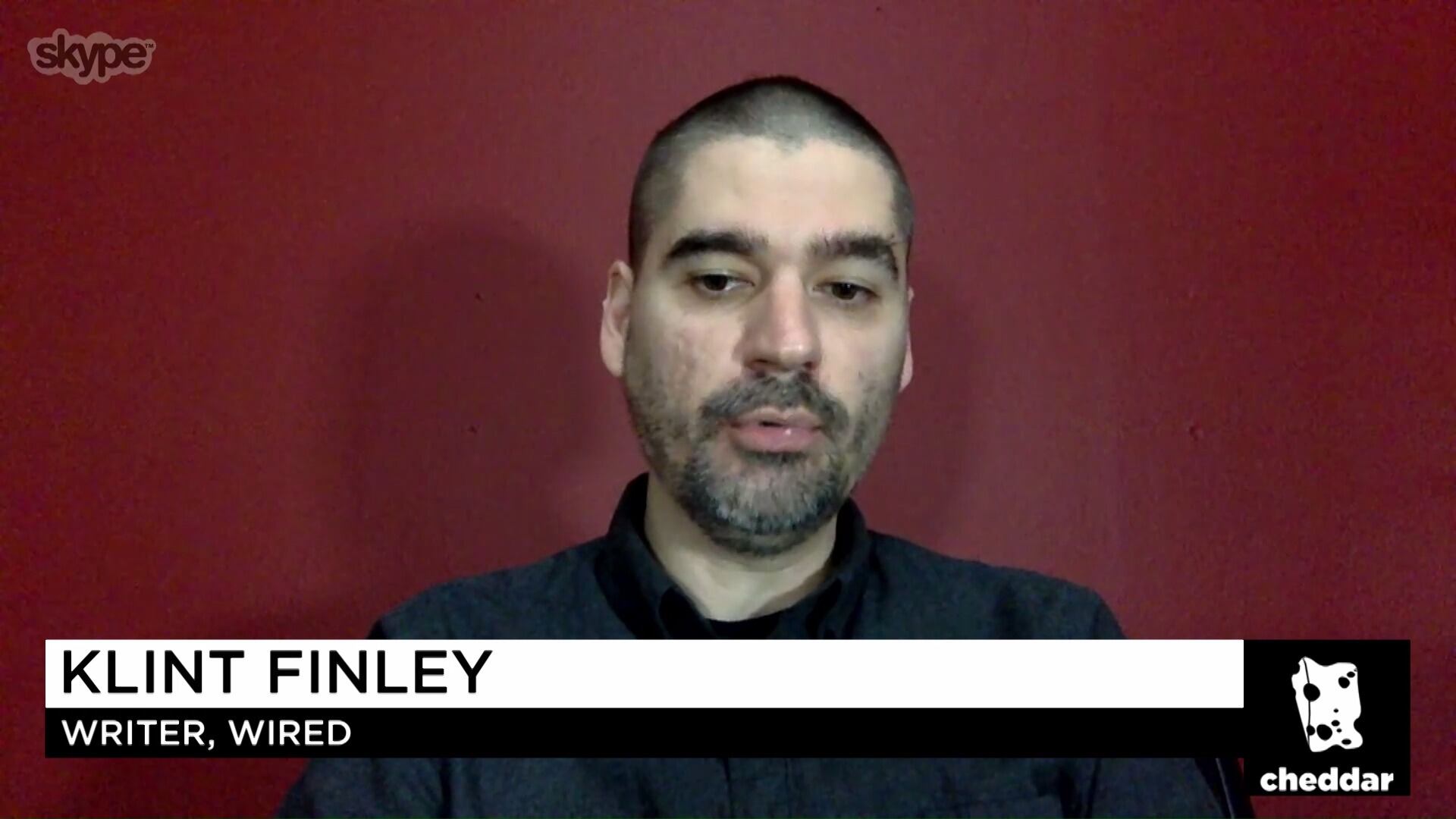
After months of debate, net neutrality is on the way out. The FCC officially published its new regulations in the Federal Register Thursday, February 22. So how will that affect you, and how can you see if your connection is being throttled? WIRED's Klint Finley weighs in.
On Your Future Home: Housing trends and tips with Quicken Loans. On Between Bells: Is trending over? With New York Magazine, WIRED, GameSpot, actor Eugene Simon, and more.
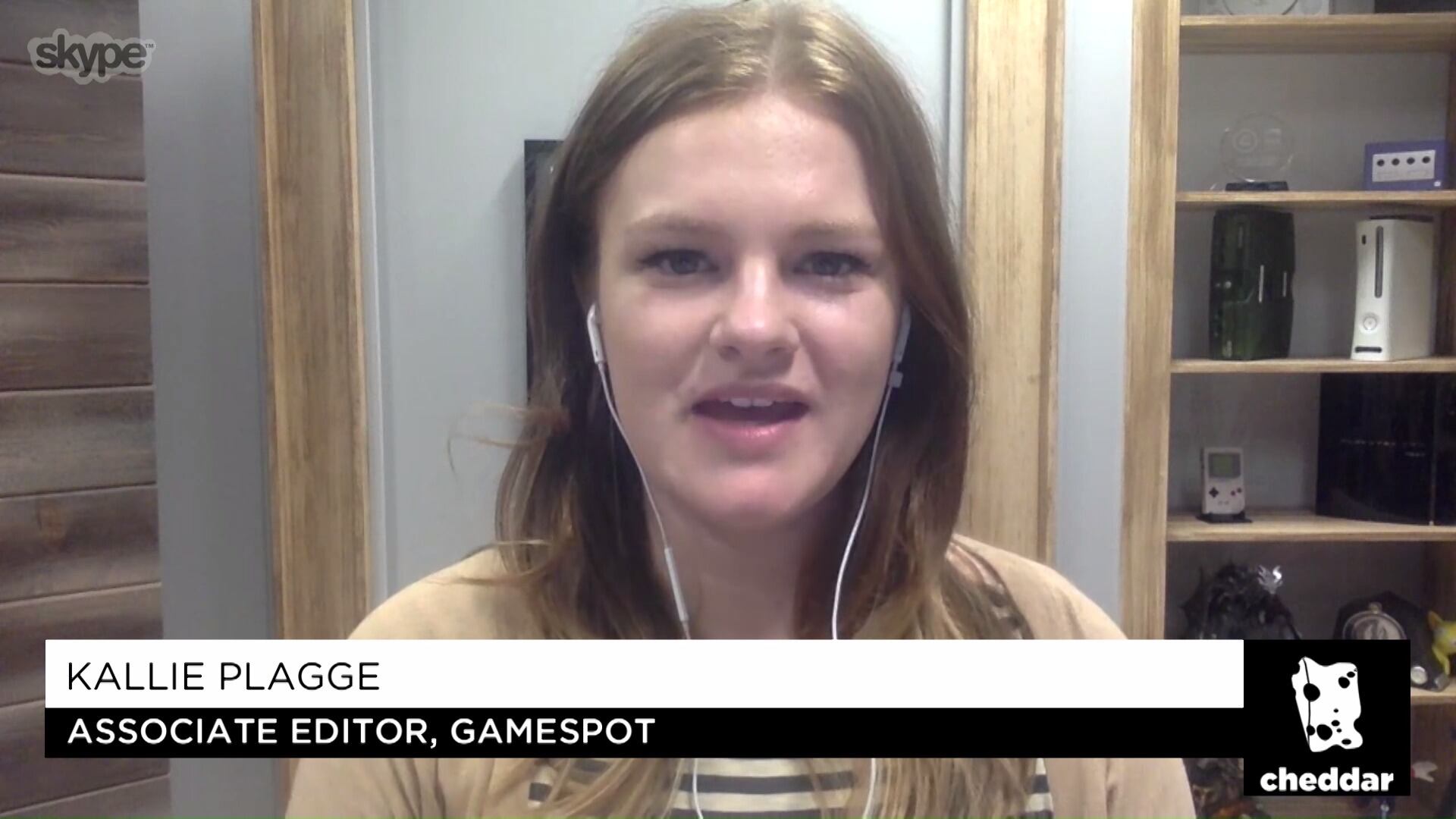
President Trump thinks violent video games are at least partially responsible for the increase in gun violence. Gamespot's Kallie Plagge joins Cheddar to discuss the reignited debate around the issue.
NRA backlash intensifies, the end of net neutrality, and Maybelline takes cues from Kylie Jenner on Snapchat engagement.
A number of businesses are cutting ties with the National Rifle Association in the days following the Parkland school shooting. Cheddar speaks with David Hogg, a student at Marjory Stoneman Douglas High School, about the tragic shooting in Parkland and the #NeverAgain movement. In other news, General Mills is buying natural pet food maker Blue Buffalo for $8 billion in cash. And Chris Tung, Chief Marketing Officer at Alibaba, discusses the company's first official partnership with the International Olympic Committee.
David Hogg, a student at Marjory Stoneman Douglas High School, discusses President Trump's recent rhetoric on guns and arming teachers in the days following the mass shooting.
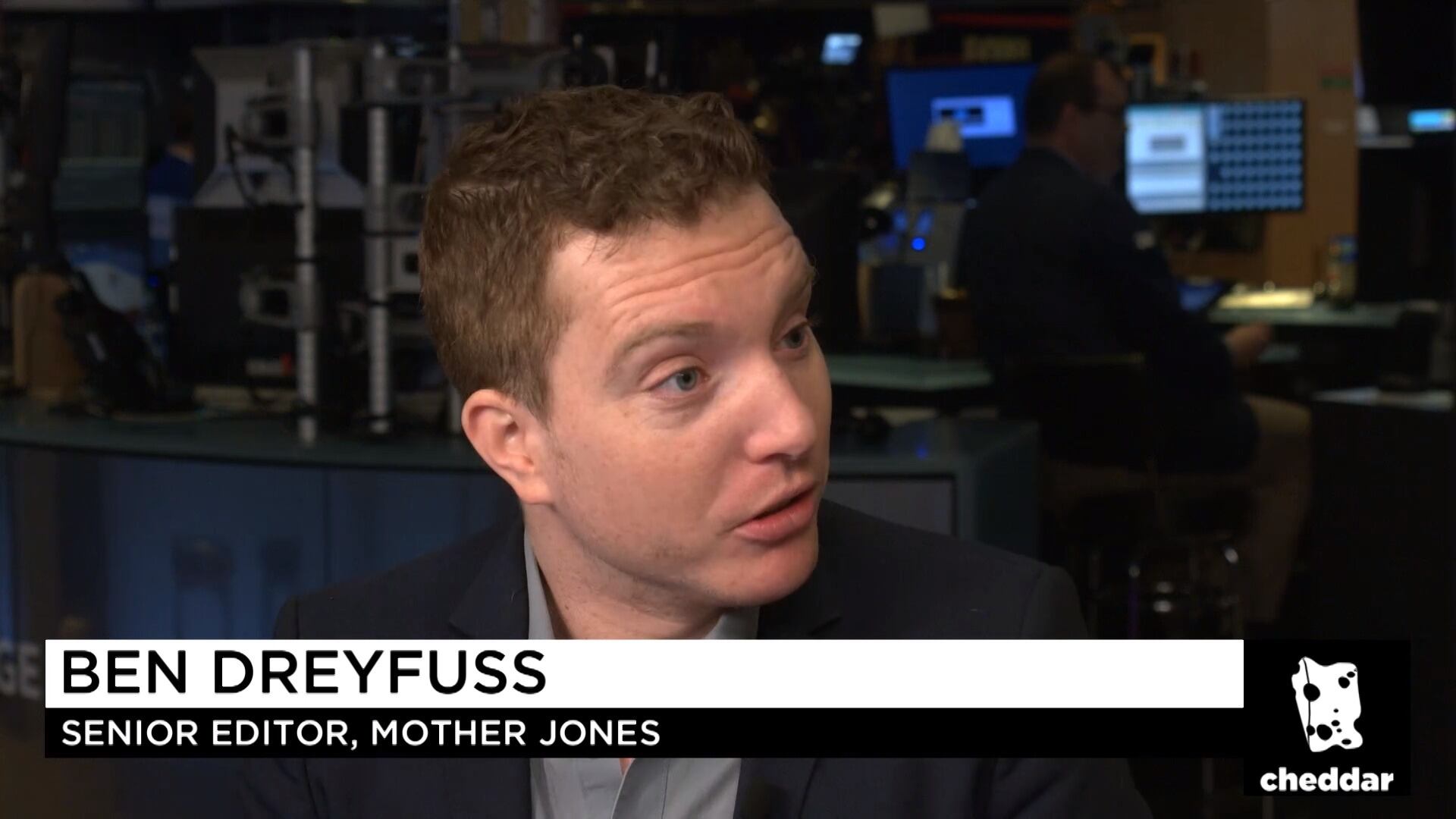
Ben Dreyfuss, senior editor at Mother Jones, discusses special counsel Robert Mueller's new charges against former Trump campaign aides Paul Manafort and Rick Gates.