Senator Kamala Harris, who was once seen as a top tier contender for the 2020 Democratic presidential nomination, dropped out of the race on Tuesday.
"I've taken stock and looked at this from every angle, and over the last few days have come to one of the hardest decisions of my life," the California senator wrote in a note to supporters. "My campaign for president simply doesn't have the financial resources we need to continue."
Harris spent the early days of her campaign as a promising candidate, rising as high as second place in the Real Clear Politics poll average in July, but has struggled with finances as well as reports of staff disorganization and infighting, according to the New York Times.
By November, she was polling in the low single digits and laid off her New Hampshire field team to increase her focus on Iowa's first-in-the-nation caucuses on February 3.
Though she had shifted focus to the Hawkeye State, she lacked the cash to run TV ads in Iowa, a state in which Harris had not run an ad in three months. Only recently, support for a super PAC made up of former aides to pay for advertising began to gain traction within the campaign.
Harris was one of seven candidates who had already qualified for the sixth debate, which will be held in her home state of California, before today's announcement.
The senator had started her campaign in front of a crowd of20,000 in Oakland, according to her campaign, and said she is withdrawing "with deep regret — but also with deep gratitude."
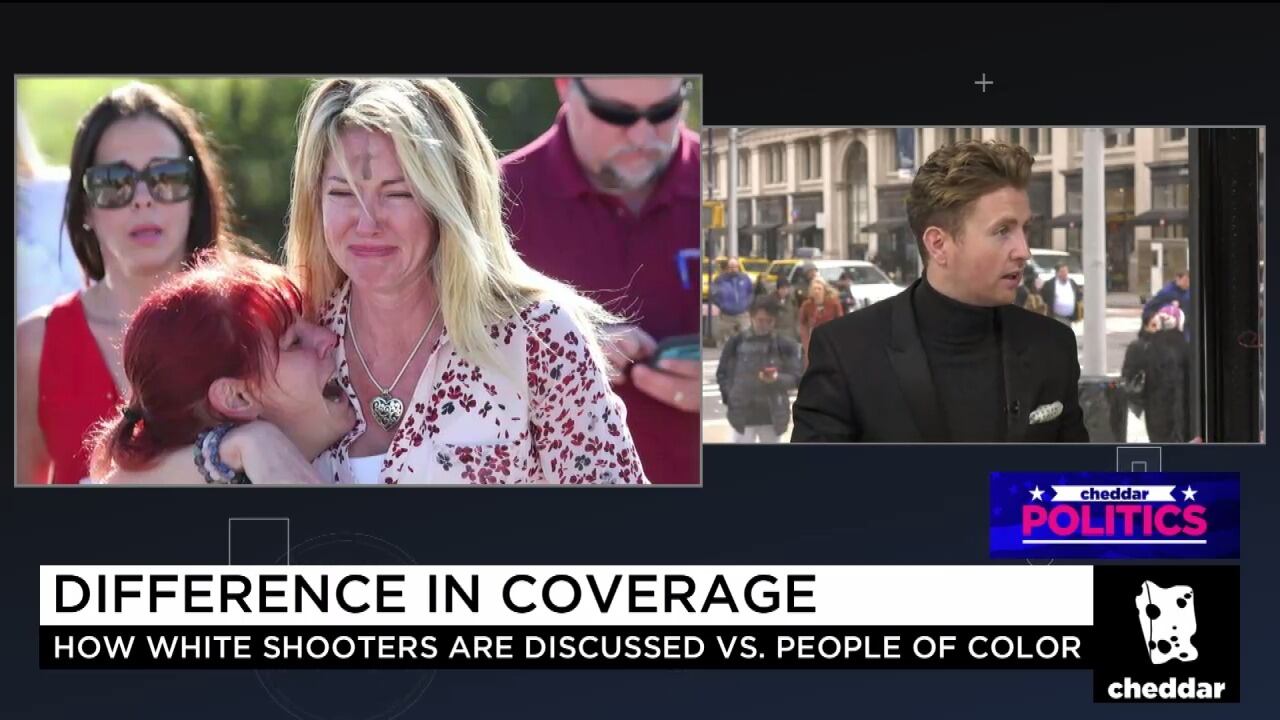
In the wake of the shooting at Marjory Stoneman Douglas High School in Parkland, Florida, many people quickly pointed to mental health as the issue at hand. The quick pivot from guns to mental health once again raises the question - how does the media treat white shooters versus people of color?
In the wake of the Parkland shooting, President Trump and a number of Republicans have suggested raising the minimum age for buying a gun to 21. Will President Trump actually follow through? The Root's Michael Harriott and CRTV's Jon Miller discuss.
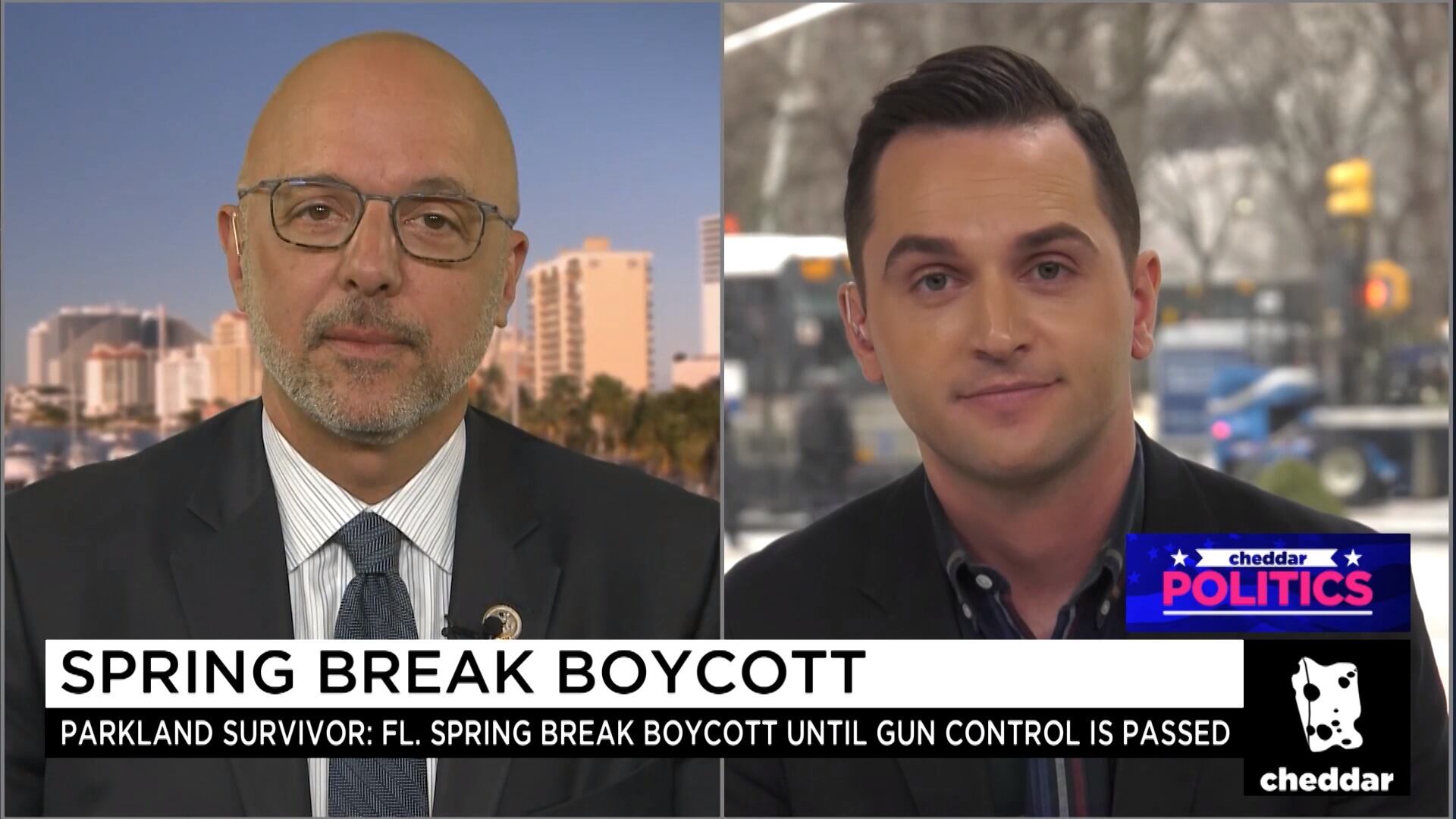
Congressman Ted Deutch (D-FL) represents Parkland, Florida and the victims of the Marjory Stoneman Douglas High School shooting. He joins Cheddar to discuss the state of gun control reform as Congress returns to Capitol Hill.
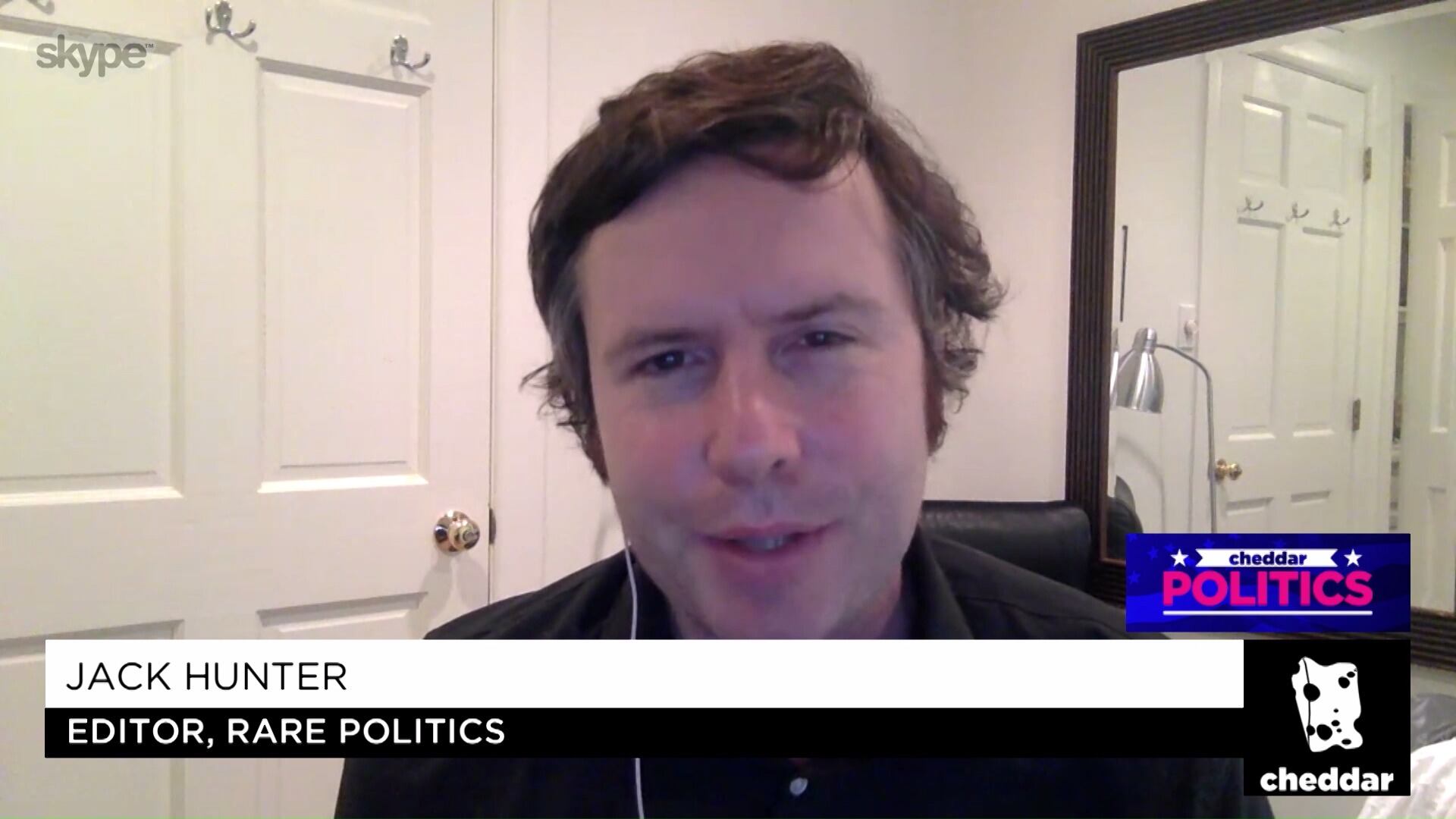
Congress is back in Washington as gun control jumps to the top of the legislative docket. Rare Politics' Jack Hunter joins Cheddar to break down the current state of the gun reform debate.
The Supreme Court declined to take up the Trump Administration's appeal on DACA. The nation's highest court refused to hear Trump's challenge to a lower court ruling that temporarily block the government from winding down the Obama-era immigration program. Rafael Bernal, Staff Writer at The Hill Latino, explains what this means for Congress's March 5 deadline on immigration reform.
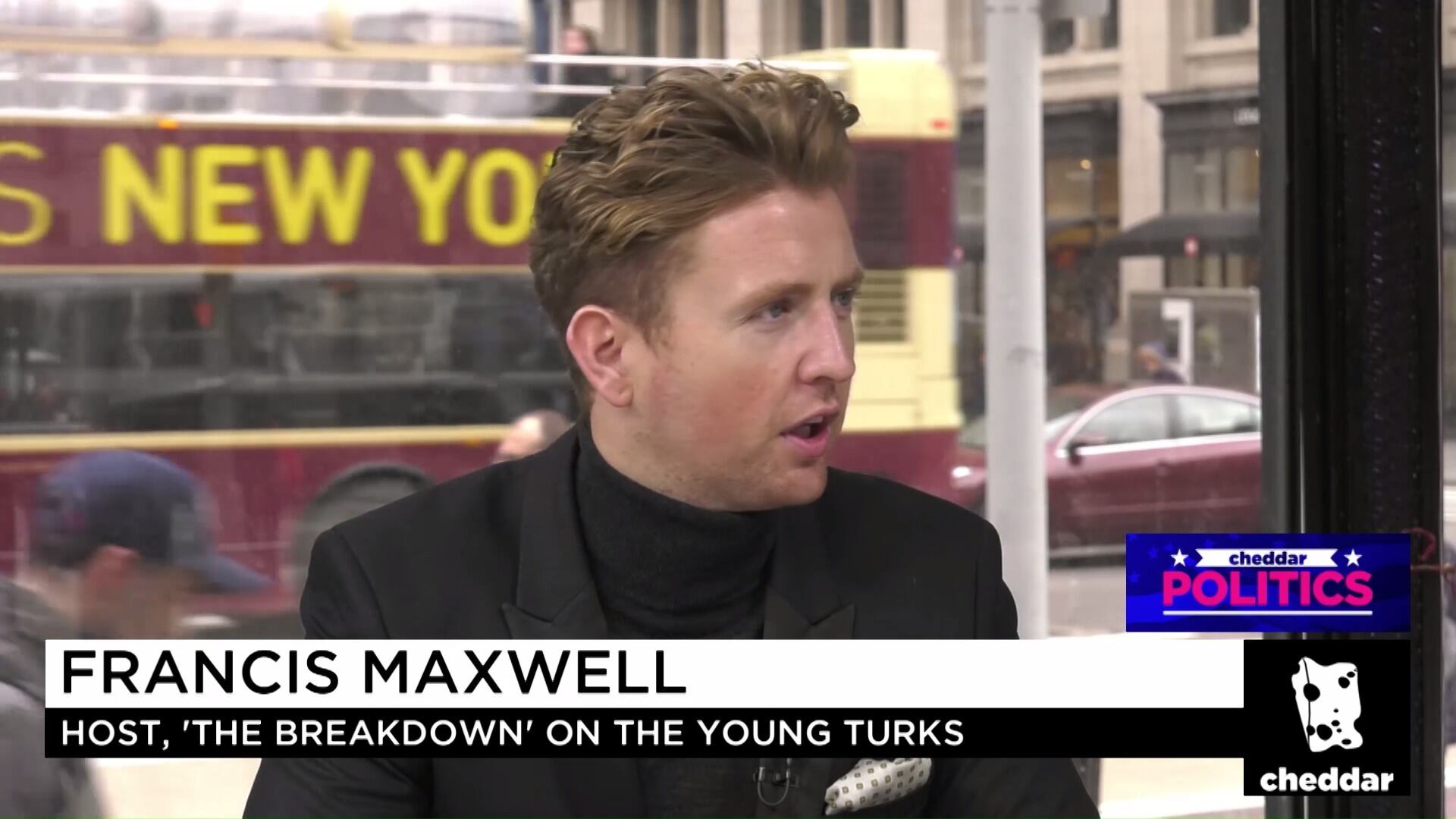
When the shooter is white, we focus on mental health issues, says The Young Turks' Francis Maxwell. But when he's a person of color, we focus on immigration.
Florida Congressman Ted Deutch says he's hearing from lawmakers on both sides of the aisle that this could be the opportunity to get "weapons of war" off the streets.
James Yoder, founder and CEO of Chat Sports, shares his thoughts on the biggest moments from the PyeongChang Winter Olympics. Yoder says he was underwhelmed by the closing ceremony and the performance of the U.S. team.
Kelly Macias, staff writer for Daily Kos, and James Arkin, congressional reporter for RealClearPolitics, discuss the release of the Democratic counter memo in response to the Republican memo released weeks earlier.
There is no shortage of opinions on Barack and Michelle Obama's official portraits. Both break the mold, and look completely different from any other presidential portrait hanging in the National Portrait Gallery. Cheddar Chief Art Correspondent Cheryl McGinnis explains the historical significance of the two works of art.