Senator Kamala Harris, who was once seen as a top tier contender for the 2020 Democratic presidential nomination, dropped out of the race on Tuesday.
"I've taken stock and looked at this from every angle, and over the last few days have come to one of the hardest decisions of my life," the California senator wrote in a note to supporters. "My campaign for president simply doesn't have the financial resources we need to continue."
Harris spent the early days of her campaign as a promising candidate, rising as high as second place in the Real Clear Politics poll average in July, but has struggled with finances as well as reports of staff disorganization and infighting, according to the New York Times.
By November, she was polling in the low single digits and laid off her New Hampshire field team to increase her focus on Iowa's first-in-the-nation caucuses on February 3.
Though she had shifted focus to the Hawkeye State, she lacked the cash to run TV ads in Iowa, a state in which Harris had not run an ad in three months. Only recently, support for a super PAC made up of former aides to pay for advertising began to gain traction within the campaign.
Harris was one of seven candidates who had already qualified for the sixth debate, which will be held in her home state of California, before today's announcement.
The senator had started her campaign in front of a crowd of20,000 in Oakland, according to her campaign, and said she is withdrawing "with deep regret — but also with deep gratitude."
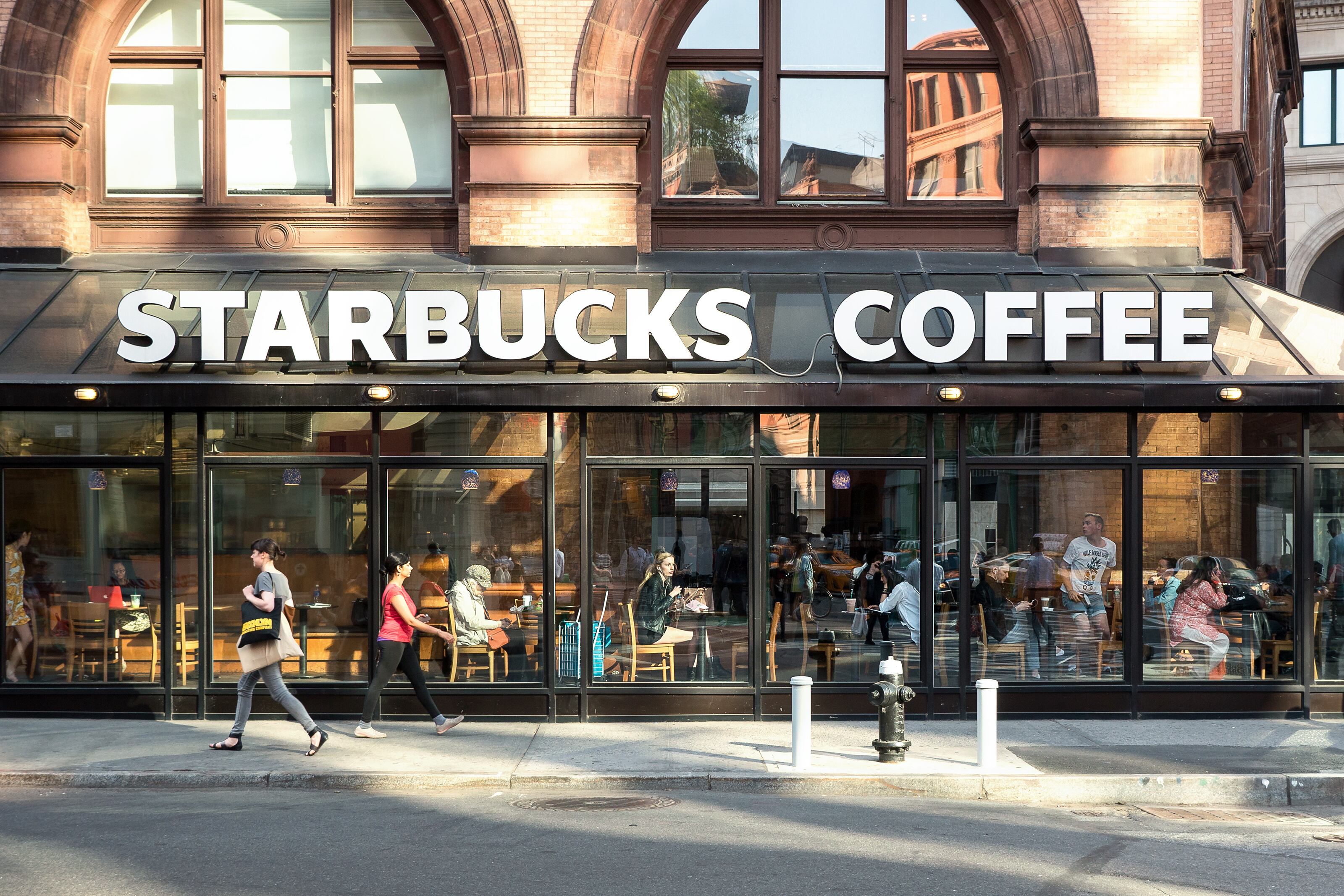
The coffee chain announced anyone who walks into a store can use the bathrooms, even if they didn't make a purchase. This is "the absolute right thing" to do, says communication and reputation strategist Deirdre Latour. Starbucks came under fire last month after arresting two black men accused of "loitering" at one of its stores.
The president laid out a plan that promised to bring down the costs of drugs. But it could amount to just minimal changes that don't end up pressuring drug makers enough to bring down prices, says Adriel Bettelheim, health care editor at Politico.
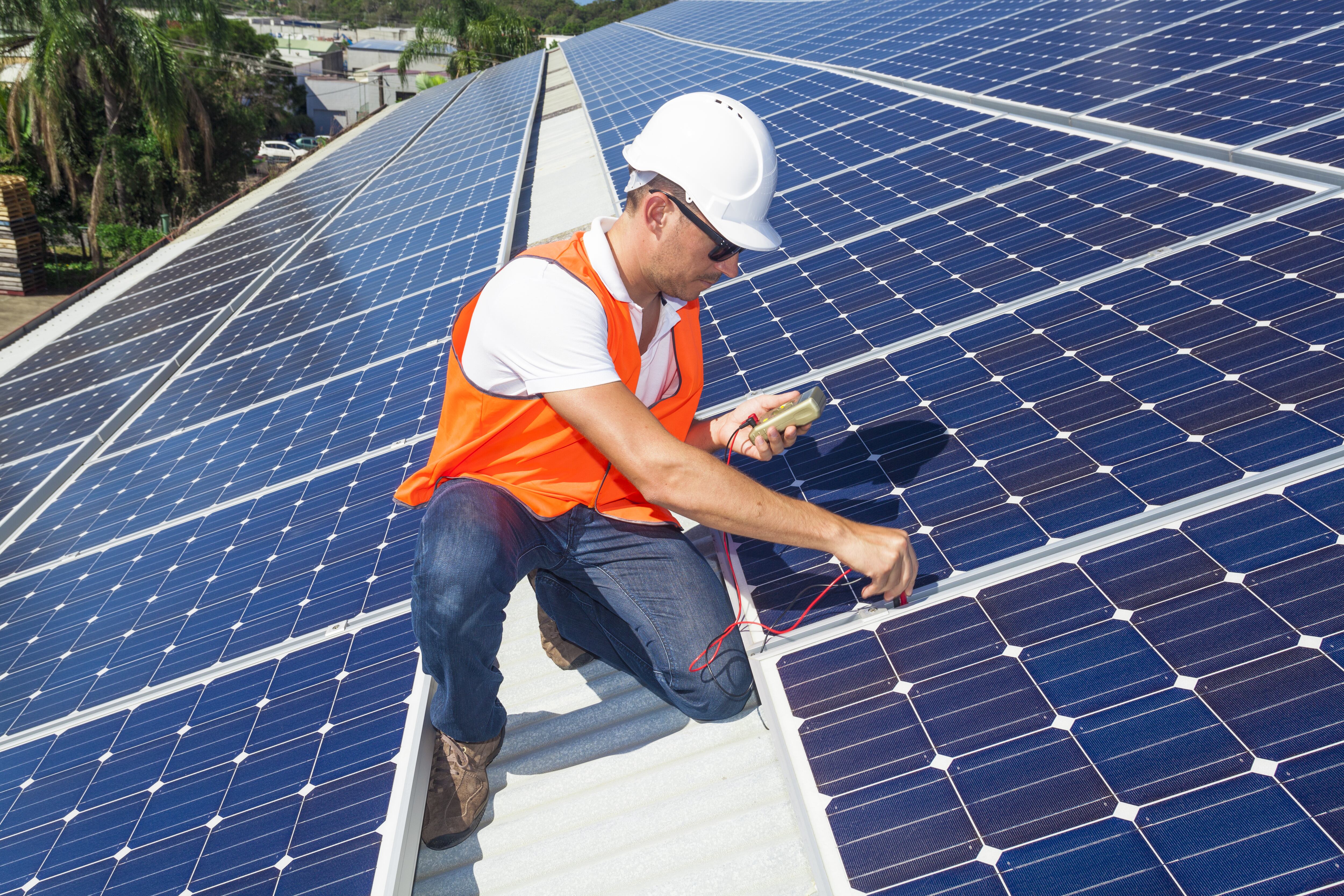
The state became the first in the U.S. to require almost all new homes to have solar panels, part of an effort to get half the state's electricity from renewable sources by 2030.
The three detainees, who have been in captivity for over a year, landed in Maryland early Thursday, where President Trump and the First Lady welcomed them back home.
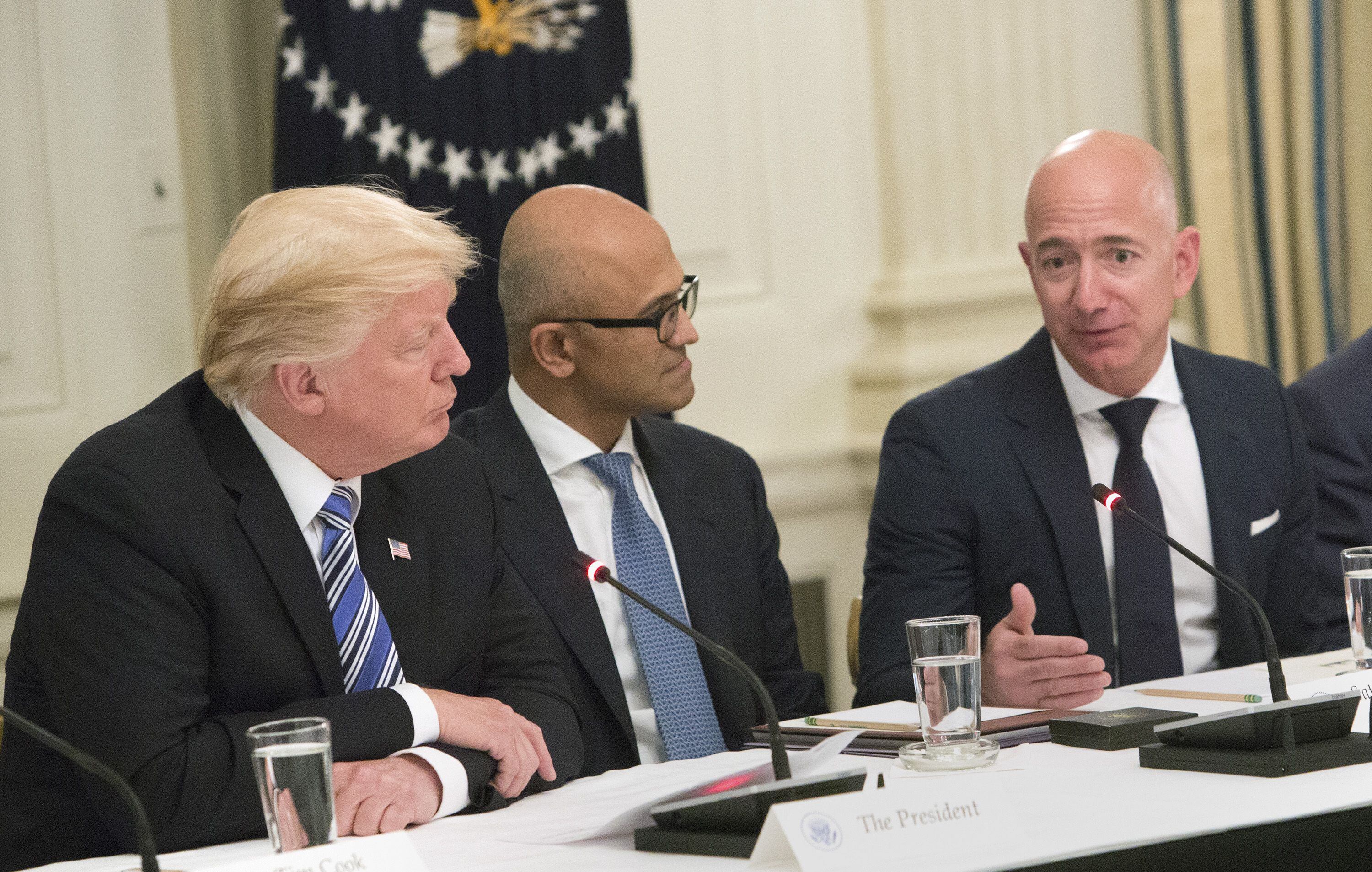
The White House will host dozens of Silicon Valley executives on Thursday to discuss artificial intelligence, with a focus on how it could impact jobs in the future.
The three U.S. prisoners were released during Secretary of State Mike Pompeo's visit to the capital city of Pyongyang, marking a significant reduction in tensions between the two countries ahead of President Trump's meeting with North Korean leader Kim Jong-un.
Pulling out of the Iran nuclear deal may make it harder for the United States to have any influence over Tehran, says Laura Secor, a journalist and author who has written extensively about Iran. America's European allies may "prefer to work with the Iranians," leaving the U.S. out.
President Trump's announcement that the U.S. is abandoning the Iran deal will lead to volatility in oil prices, says Patrick DeHaan, the head of petroleum analysis at GasBuddy. "The more fiery the response from President Trump, the more oil prices could eventually rally," he said.
The First Lady launched her 'Be Best' initiative on Monday, focusing on children's mental health, opioid abuse, and cyberbullying. Erin Delmore, senior political correspondent at Bustle, said there are still some details missing, and others that are eerily familiar to Obama-era guidelines.
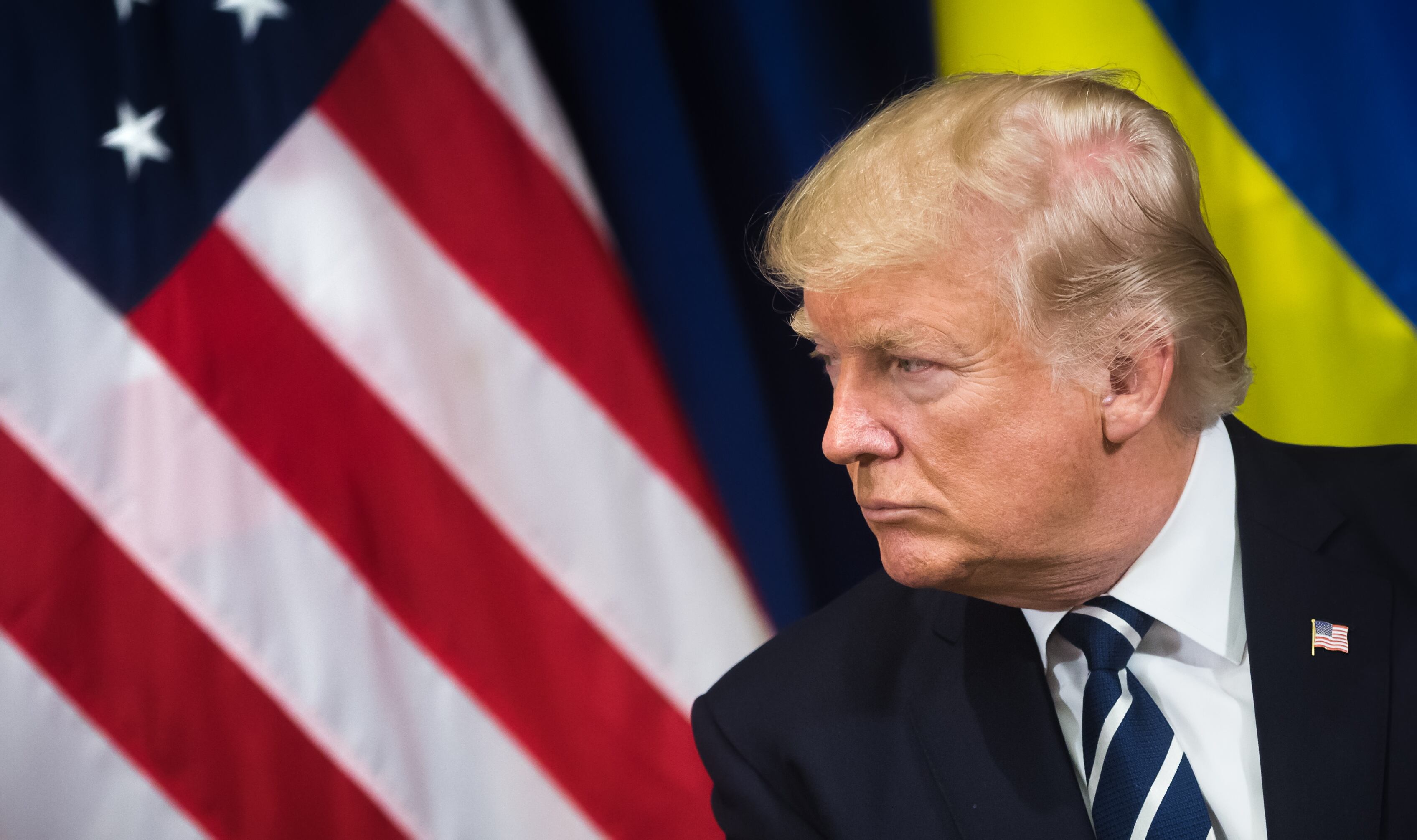
The president said the pact, which was intended to keep Iran from developing a nuclear weapon, was "a horrible one-sided deal that should have never, ever been made." He said the United States would reinstate "powerful sanctions" against Iran.