Senator Kamala Harris, who was once seen as a top tier contender for the 2020 Democratic presidential nomination, dropped out of the race on Tuesday.
"I've taken stock and looked at this from every angle, and over the last few days have come to one of the hardest decisions of my life," the California senator wrote in a note to supporters. "My campaign for president simply doesn't have the financial resources we need to continue."
Harris spent the early days of her campaign as a promising candidate, rising as high as second place in the Real Clear Politics poll average in July, but has struggled with finances as well as reports of staff disorganization and infighting, according to the New York Times.
By November, she was polling in the low single digits and laid off her New Hampshire field team to increase her focus on Iowa's first-in-the-nation caucuses on February 3.
Though she had shifted focus to the Hawkeye State, she lacked the cash to run TV ads in Iowa, a state in which Harris had not run an ad in three months. Only recently, support for a super PAC made up of former aides to pay for advertising began to gain traction within the campaign.
Harris was one of seven candidates who had already qualified for the sixth debate, which will be held in her home state of California, before today's announcement.
The senator had started her campaign in front of a crowd of20,000 in Oakland, according to her campaign, and said she is withdrawing "with deep regret — but also with deep gratitude."
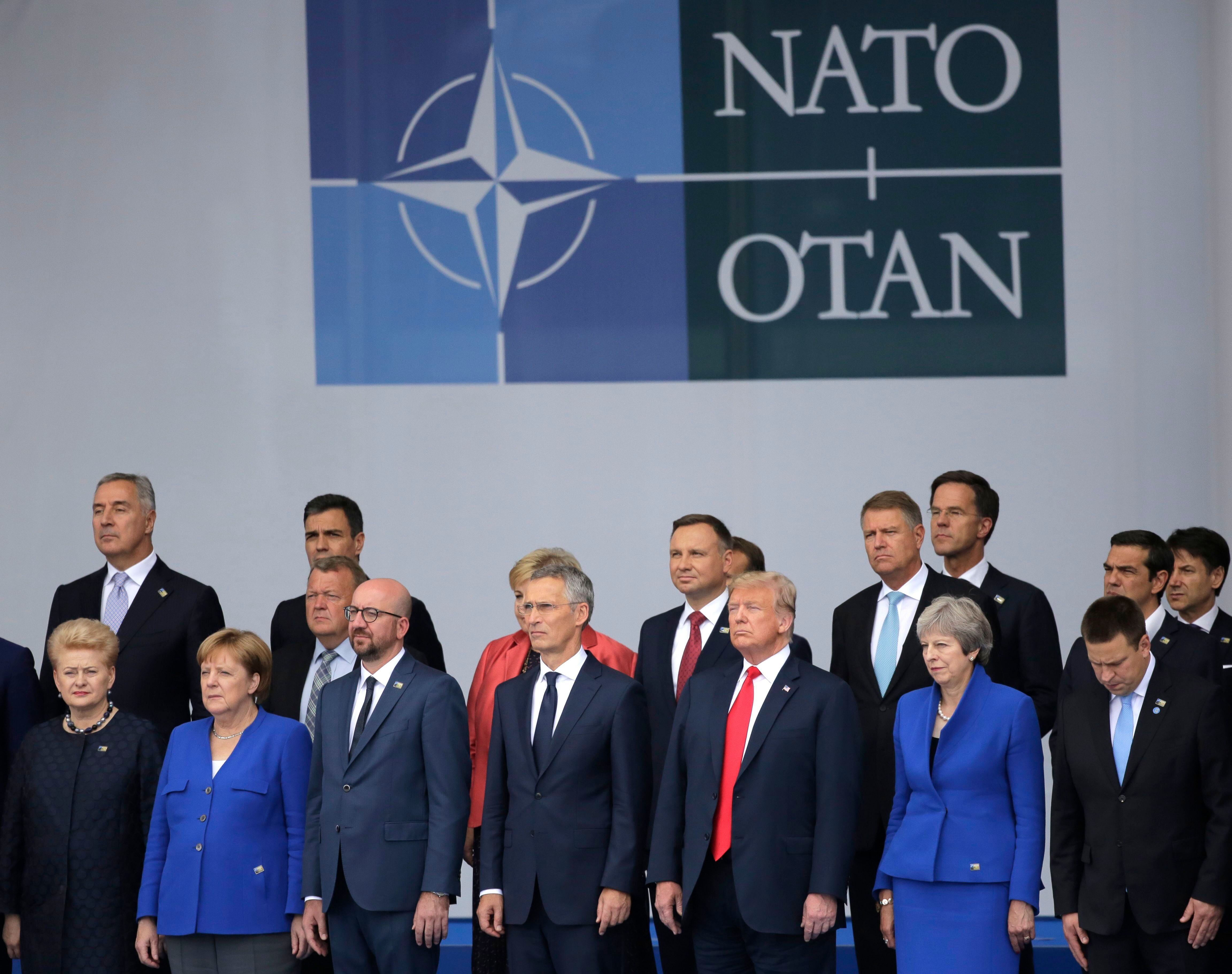
President Donald Trump's aggressive stance at the two-day NATO summit in Brussels, on top of his antagonizing trade policies, have "brought the transatlantic alliance to the lowest point,” says Joshua Meltzer, senior fellow of global economy and development at the Brookings Institute.
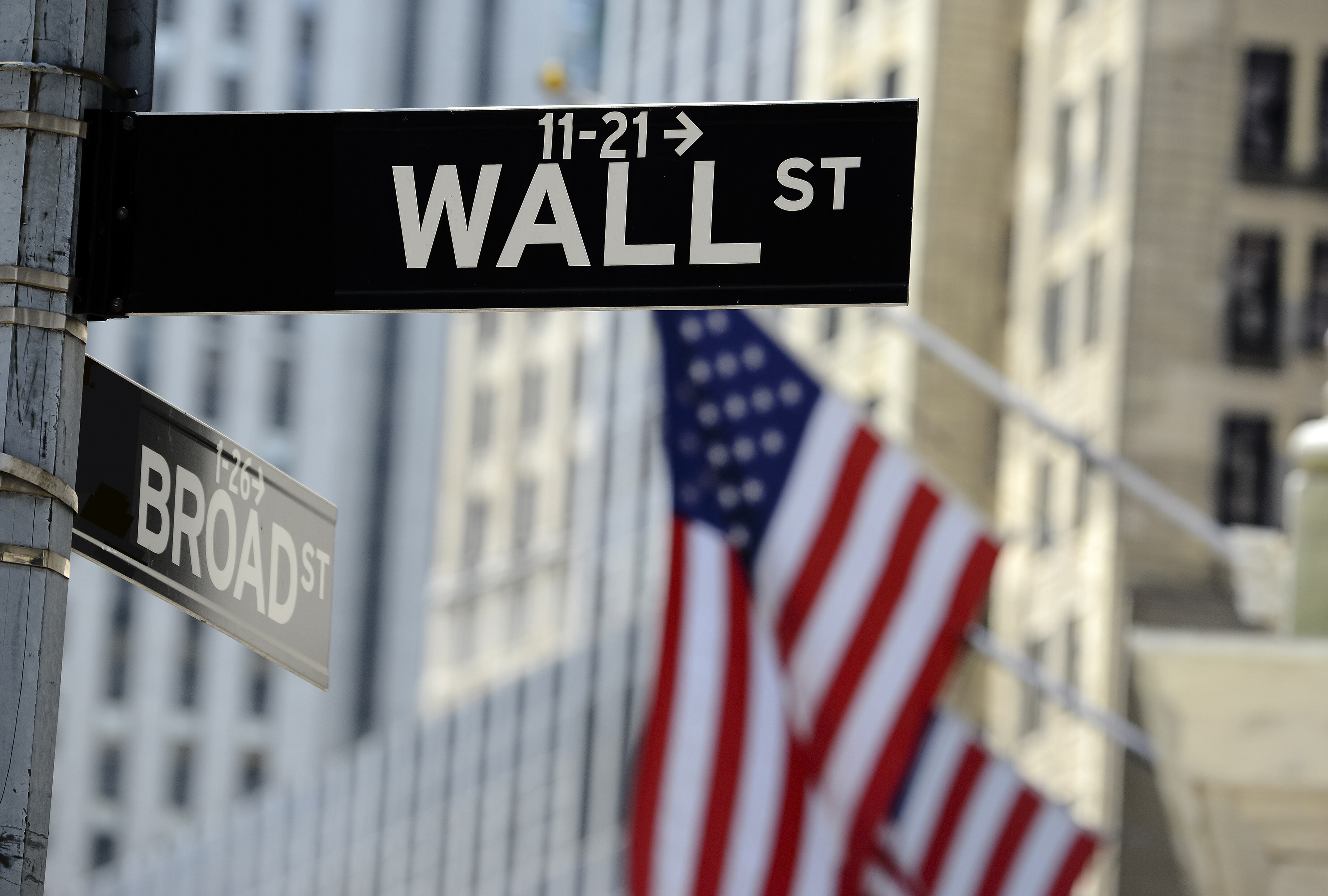
Stocks dipped today after the White House threatened to impose a new set of tariffs on China on $200 billion worth of goods. However, Kate Warne, investment strategist at Edward Jones, says this could be an opportunity for investors. "Put money to work today."
These are the headlines you Need2Know:
The NATO Summit got off to a heated start as President Trump already criticized member countries for not paying their fair share of defense spending.
The Trump administration also missed its promised deadline to reunite dozens of migrant families.
A natural gas leak in Sun Prairie, Wisc., turned deadly when an explosion erupted for several hours.
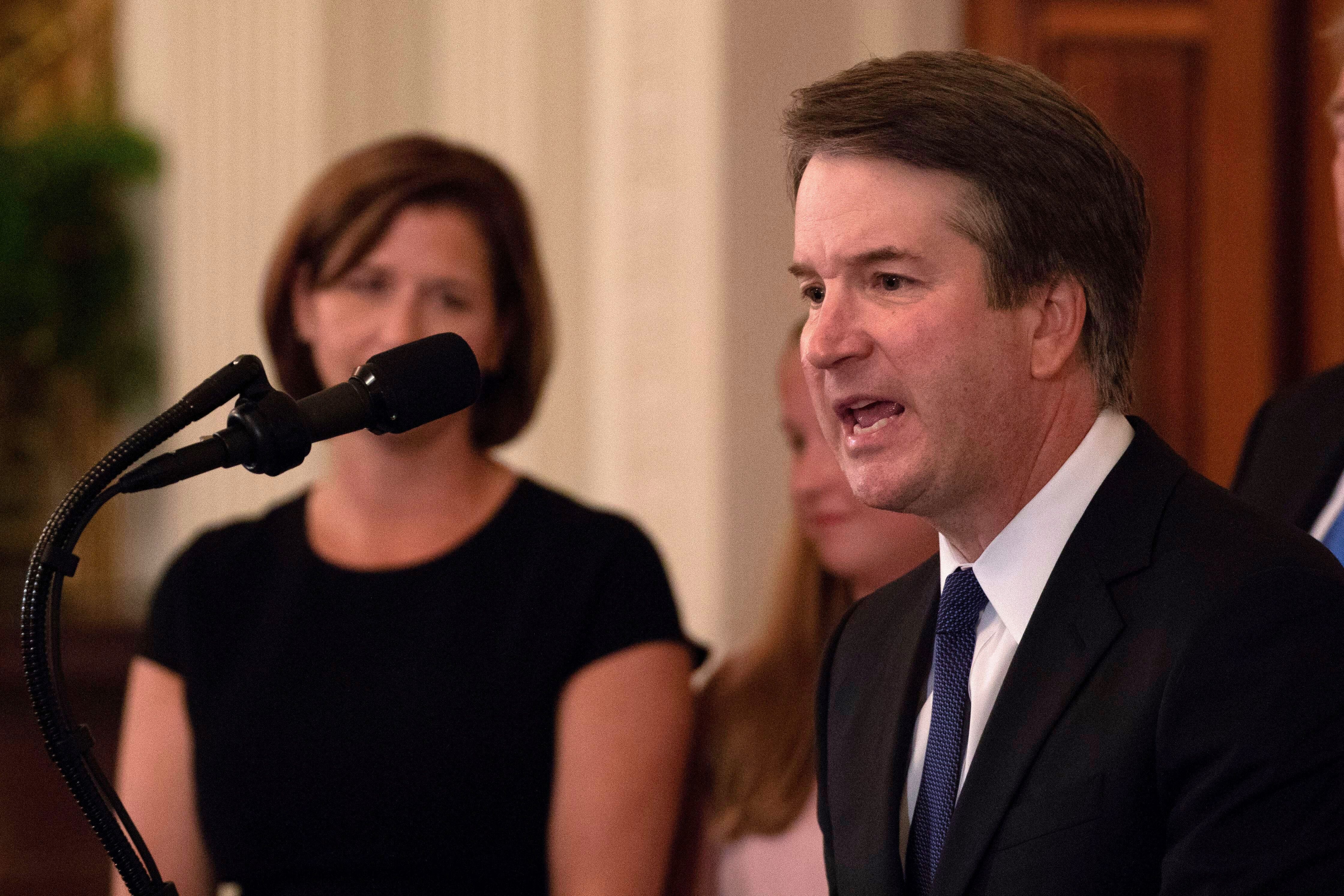
Brett Kavanaugh, the president's pick for the open Supreme Court seat, met on Capitol Hill with the vice president and senators yesterday.
The NFL Players Association is challenging the anti-kneeling policy, which requires players to remain in the locker room if they choose to protest the national anthem.
Hurricane Chris makes its way up the East Coast, but shouldn't make a major impact on land.
Cheddar Big News' Jill Wagner gives us the details.
President Trump has already spurned key allies at the annual summit, accusing Germany of being a "captive of Russia." Cheddar's J.D. Durkin, who is on the ground in Brussels, gets into the latest.
The U.S. tariffs would only end up hurting the consumer and the automakers employees across its plants and distribution centers in America, says Zack Hicks, CEO and president of the Toyota Connected unit in North America.
President Donald Trump nominated the DC appellate court judge to replace Supreme Court Justice Anthony Kennedy, who's retiring at the end of the month.
A study finds male political reporters in Washington, D.C., retweet other men more than women. “Men and women are operating in gender echo chambers in Washington on Twitter,” says Nikki Usher, the lead author of the study.
Members of the military alliance are prepared to be spurned by the president and worry he may start to unravel the organization. But the Trump administration has, in fact, increased its spending on NATO, suggesting that worries surrounding the event might not turn transpire, says Dan Michaels, the Wall Street Journal Brussels bureau chief.
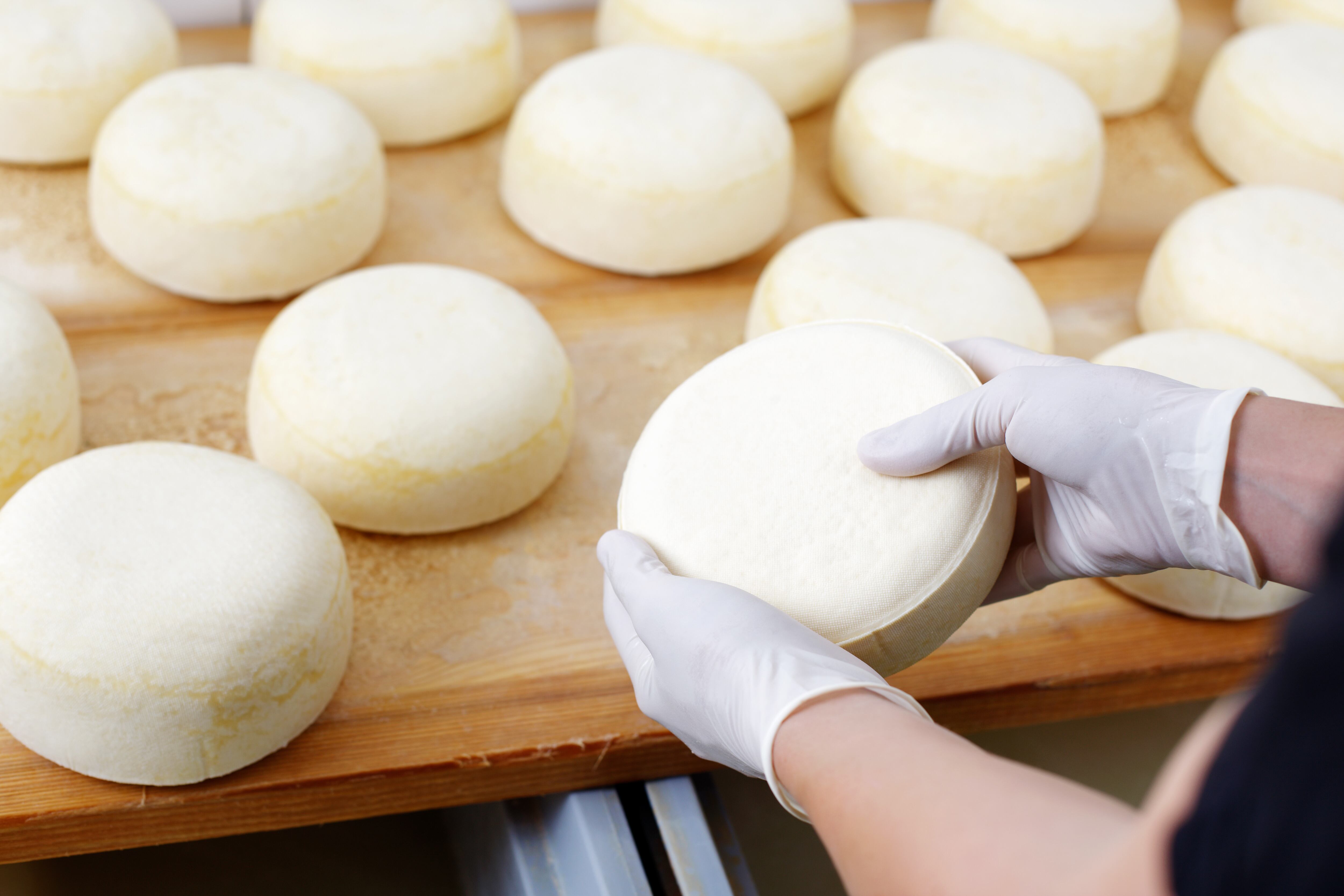
American cheese producers that rely heavily on exports are already feeling the impact of tariffs on their products, forcing them to reconsider their strategy completely, says Heather Hadden, a reporter for the Wall Street Journal.
Although the recent job report showed the U.S. economy added 213,000 jobs in June, the trade war is predicted to have a significant impact on the economy. "Unless we get either isolated resolutions of these disputes or global resolutions ... we don't see any momentum in that space," Mark Hamrick, senior economic analyst at Bankrate.com, tells Cheddar.