Senator Kamala Harris, who was once seen as a top tier contender for the 2020 Democratic presidential nomination, dropped out of the race on Tuesday.
"I've taken stock and looked at this from every angle, and over the last few days have come to one of the hardest decisions of my life," the California senator wrote in a note to supporters. "My campaign for president simply doesn't have the financial resources we need to continue."
Harris spent the early days of her campaign as a promising candidate, rising as high as second place in the Real Clear Politics poll average in July, but has struggled with finances as well as reports of staff disorganization and infighting, according to the New York Times.
By November, she was polling in the low single digits and laid off her New Hampshire field team to increase her focus on Iowa's first-in-the-nation caucuses on February 3.
Though she had shifted focus to the Hawkeye State, she lacked the cash to run TV ads in Iowa, a state in which Harris had not run an ad in three months. Only recently, support for a super PAC made up of former aides to pay for advertising began to gain traction within the campaign.
Harris was one of seven candidates who had already qualified for the sixth debate, which will be held in her home state of California, before today's announcement.
The senator had started her campaign in front of a crowd of20,000 in Oakland, according to her campaign, and said she is withdrawing "with deep regret — but also with deep gratitude."
These are the headlines you Need 2 Know.
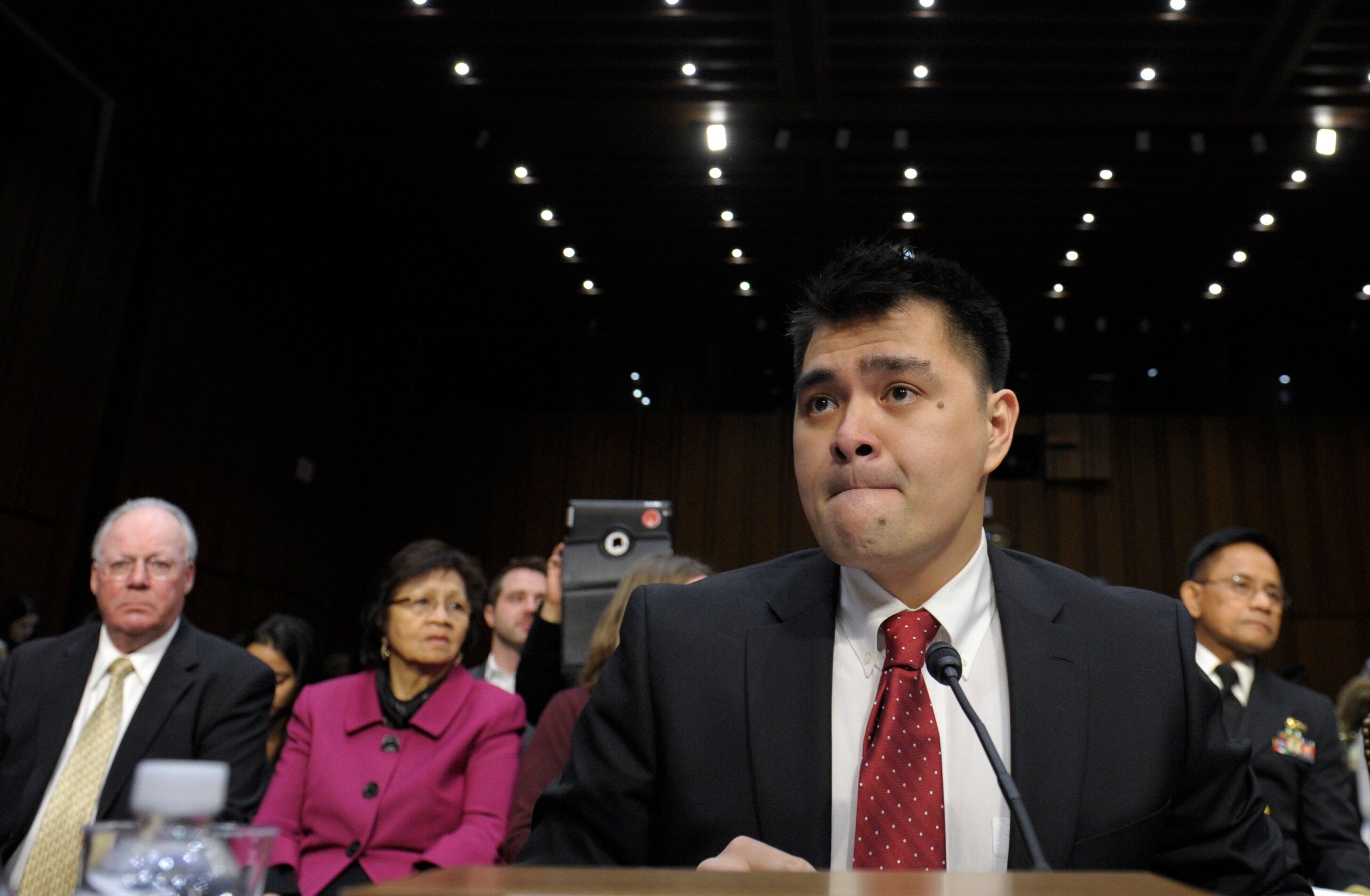
Jose Antonio Vargas rose to prominence when he wrote an essay for the New York Times in 2011 essentially outing himself as an undocumented immigrant. Since then, he's crisscrossed the country, advocating on behalf of immigrants. With a new memoir, "Dear America: Notes of an Undocumented Citizen," Vargas points out immigration is a "humanitarian crisis" that long predates Donald Trump.
These are the headlines you Need 2 Know.
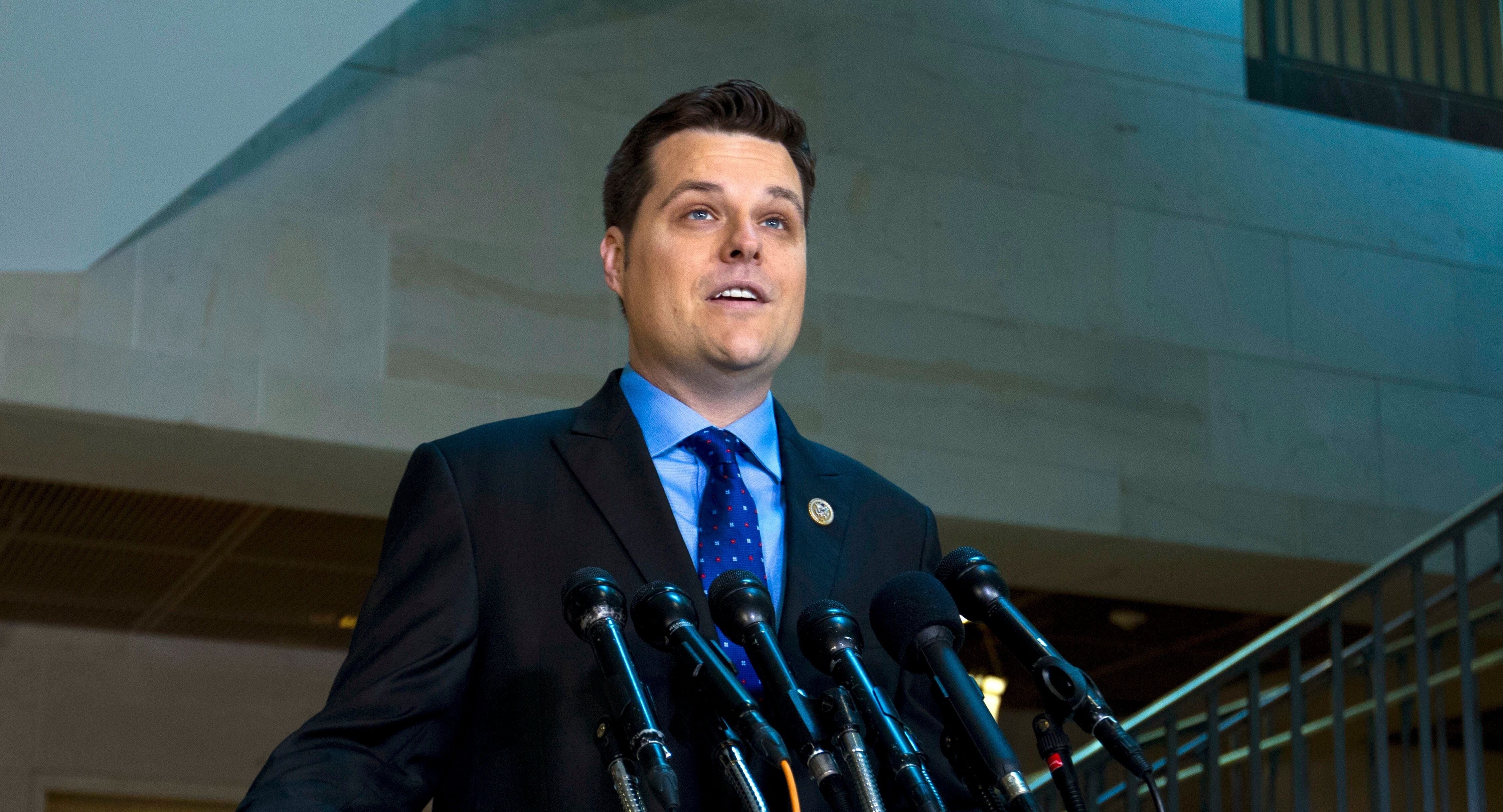
Florida Rep. Matt Gaetz, a conservative Republican congressman, is championing a medical cannabis research act, signaling the bipartisan shift in attitudes toward medical marijuana.
Apple appears to have dodged a bullet with the latest round of tariffs on Chinese imports. But if the trade war continues, the risks to the company get more serious, said Tom Forte, senior research analyst at D.A. Davidson. Apple currently gets 20 percent of its revenue from China
Gov. John Hickenlooper (D-CO) said the political action committee will help him "evaluate" the presidential landscape. The moderate Democrat is perhaps best known for overseeing Colorado's creation of a full-fledged cannabis economy.
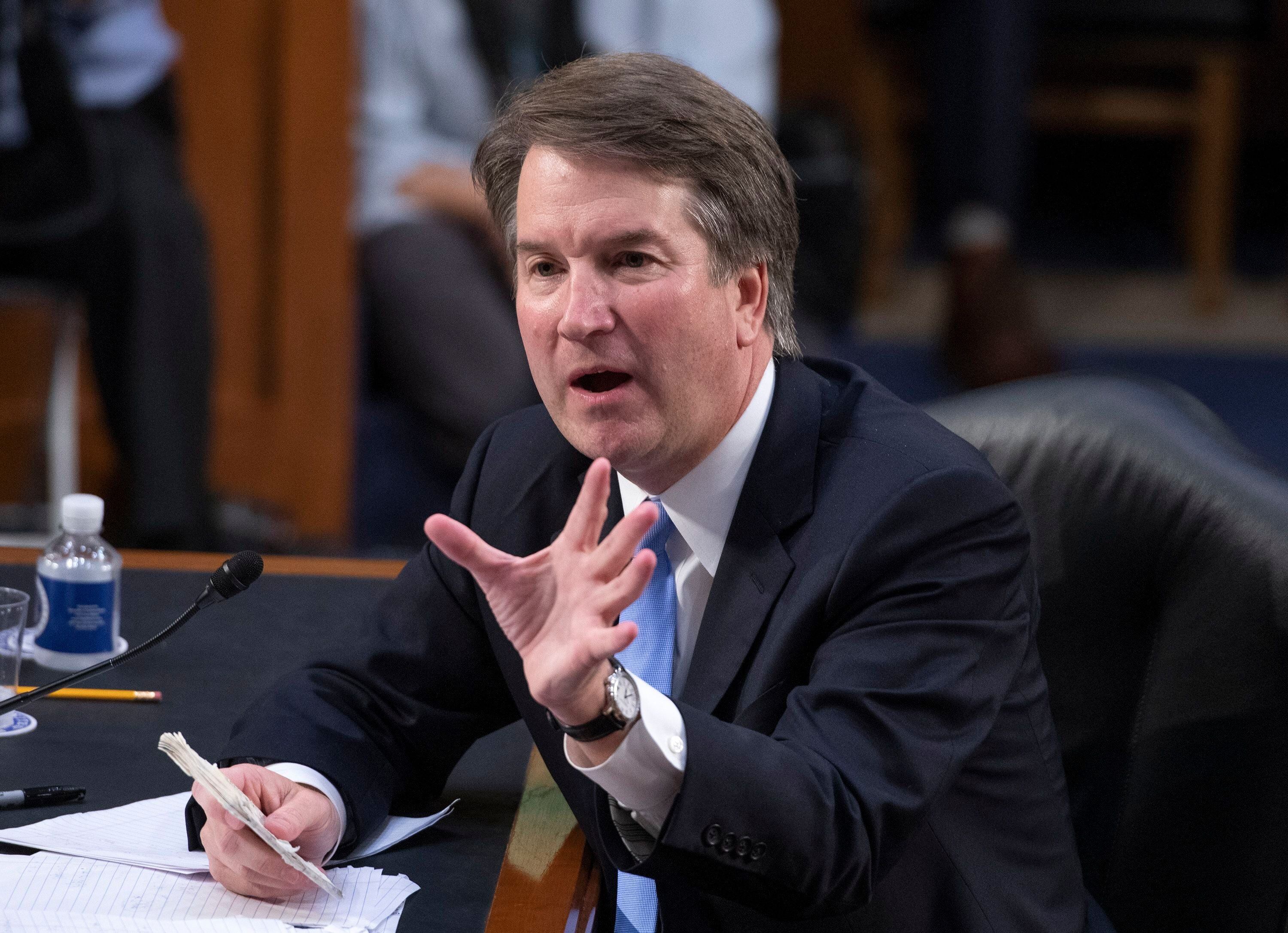
Judge Brett Kavanaugh's confirmation to the Supreme Court is now more like a "jump shot in traffic," said Philip Wegmann of the Washington Examiner. Kavanaugh's nomination was put on hold following accusations of sexual assault by Christine Blasey Ford when they were both teenagers. Ford and Kavanaugh will testify at a Senate hearing next Monday, delaying the confirmation vote originally scheduled for this week and putting his place on the top court it peril less than two months before the midterm elections.
These are the headlines you Need 2 Know.
China retaliated to the latest round of tariffs announced by the Trump administration, announcing import taxes on $60 billion in U.S. goods. That came after the White House said it would impose tariffs on $200 billion of Chinese goods, though many of Apple's products will be exempt.
Kate Shaw, professor at Cardozo School of Law, breaks down the similarities between the current accusations against Supreme Court nominee Brett Kavanaugh and the accusations from Anita Hill in 1991 against Supreme Court Justice Clarence Thomas -- the latter largely considered to have been the basis for how workplace harassment is thought of today.