Senator Kamala Harris, who was once seen as a top tier contender for the 2020 Democratic presidential nomination, dropped out of the race on Tuesday.
"I've taken stock and looked at this from every angle, and over the last few days have come to one of the hardest decisions of my life," the California senator wrote in a note to supporters. "My campaign for president simply doesn't have the financial resources we need to continue."
Harris spent the early days of her campaign as a promising candidate, rising as high as second place in the Real Clear Politics poll average in July, but has struggled with finances as well as reports of staff disorganization and infighting, according to the New York Times.
By November, she was polling in the low single digits and laid off her New Hampshire field team to increase her focus on Iowa's first-in-the-nation caucuses on February 3.
Though she had shifted focus to the Hawkeye State, she lacked the cash to run TV ads in Iowa, a state in which Harris had not run an ad in three months. Only recently, support for a super PAC made up of former aides to pay for advertising began to gain traction within the campaign.
Harris was one of seven candidates who had already qualified for the sixth debate, which will be held in her home state of California, before today's announcement.
The senator had started her campaign in front of a crowd of20,000 in Oakland, according to her campaign, and said she is withdrawing "with deep regret — but also with deep gratitude."
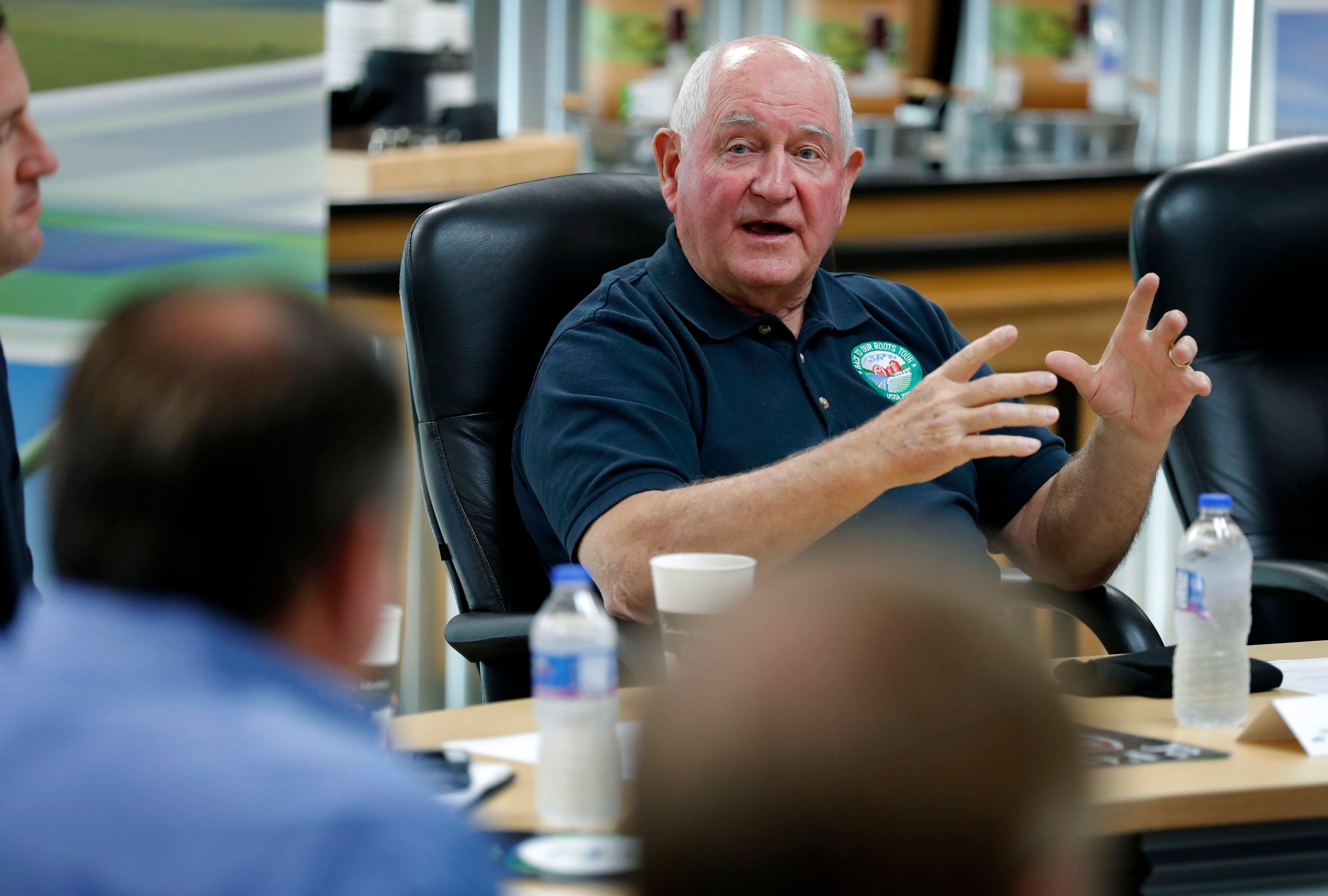
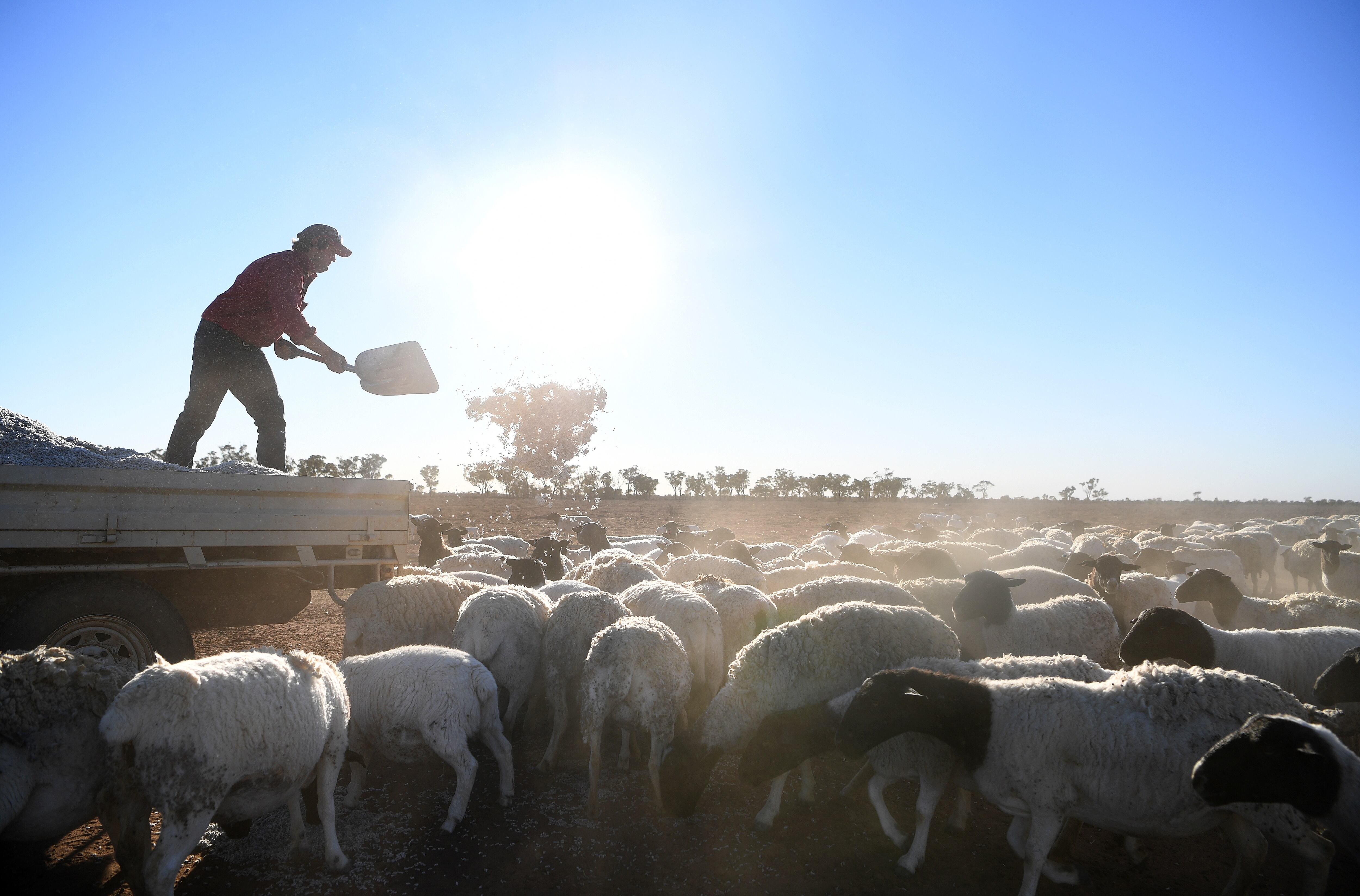
Sonny Perdue, U.S. Secretary of Agriculture, said American farmers understand the need for tariffs on Chinese imports, even if they might feel some short-term pain. After President Trump imposed tariffs on China, American farmers began to feel the effects. China is the largest importer of American soybeans and that revenue stream has now been cut off. The federal government pledged $12 billion as temporary relief for farmers affected by Trump's tariffs.
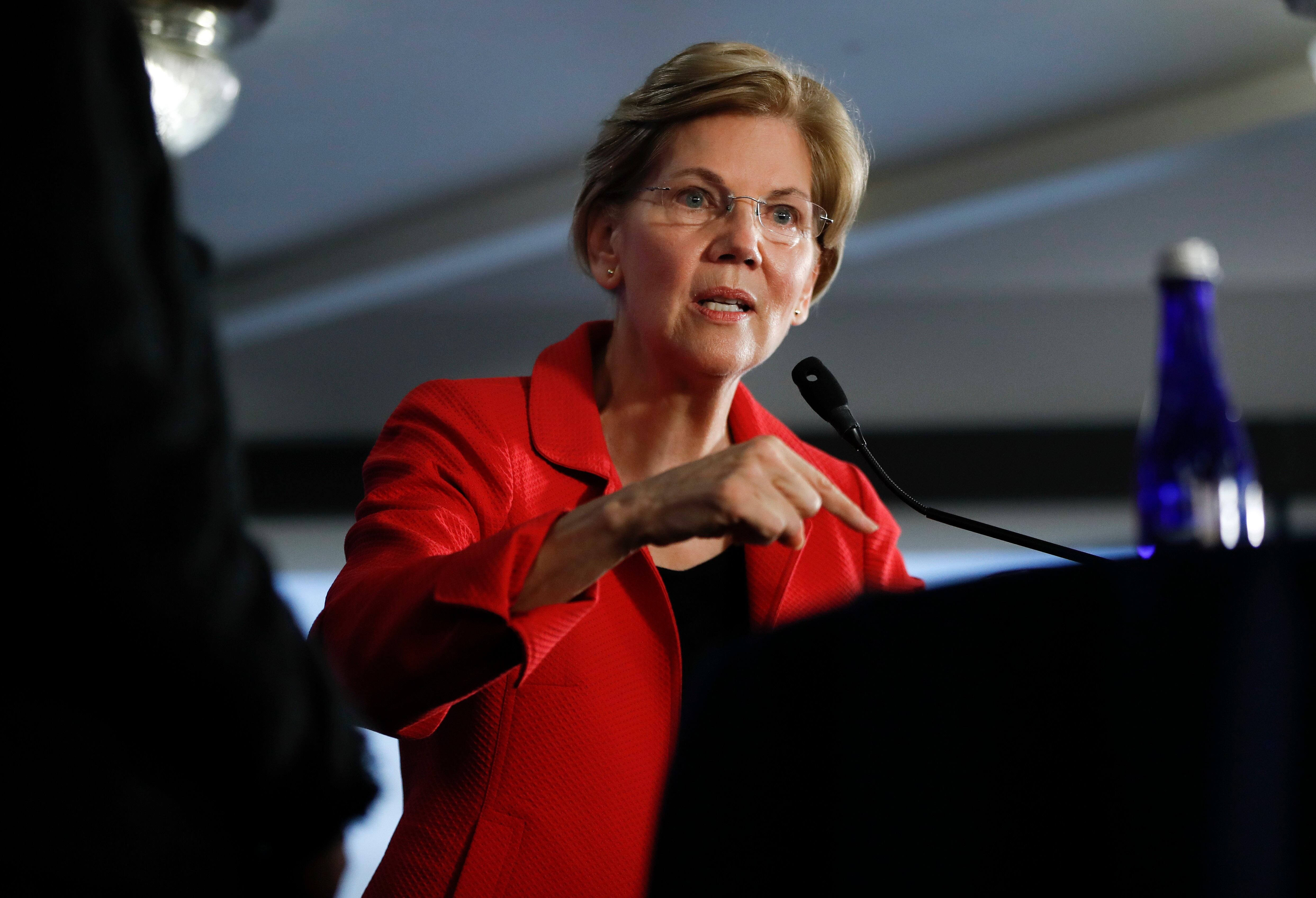
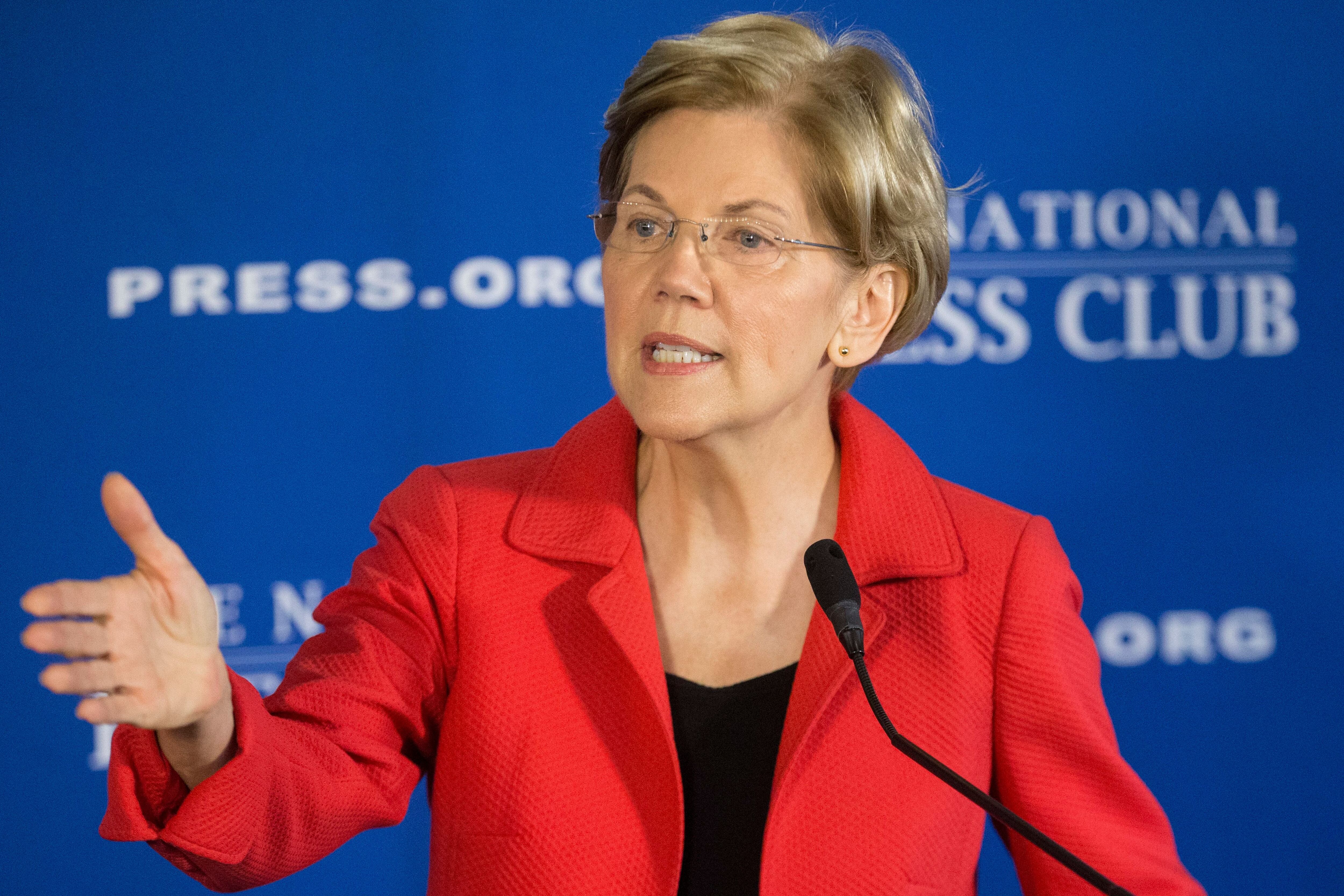
Sen. Elizabeth Warren (D-MA) is currently promoting a new housing bill that calls for $450 billion to build and renovate affordable housing over the next 10 years. Warren is suggesting an estate tax on the 10,000 top earners in the U.S. to fund the bill. Warren said it's not about "punishing" people for their economic success, but rather for everyone to pay their fair share and allow middle Americans to accrue wealth through homeownership.
These are the headlines you Need 2 Know.
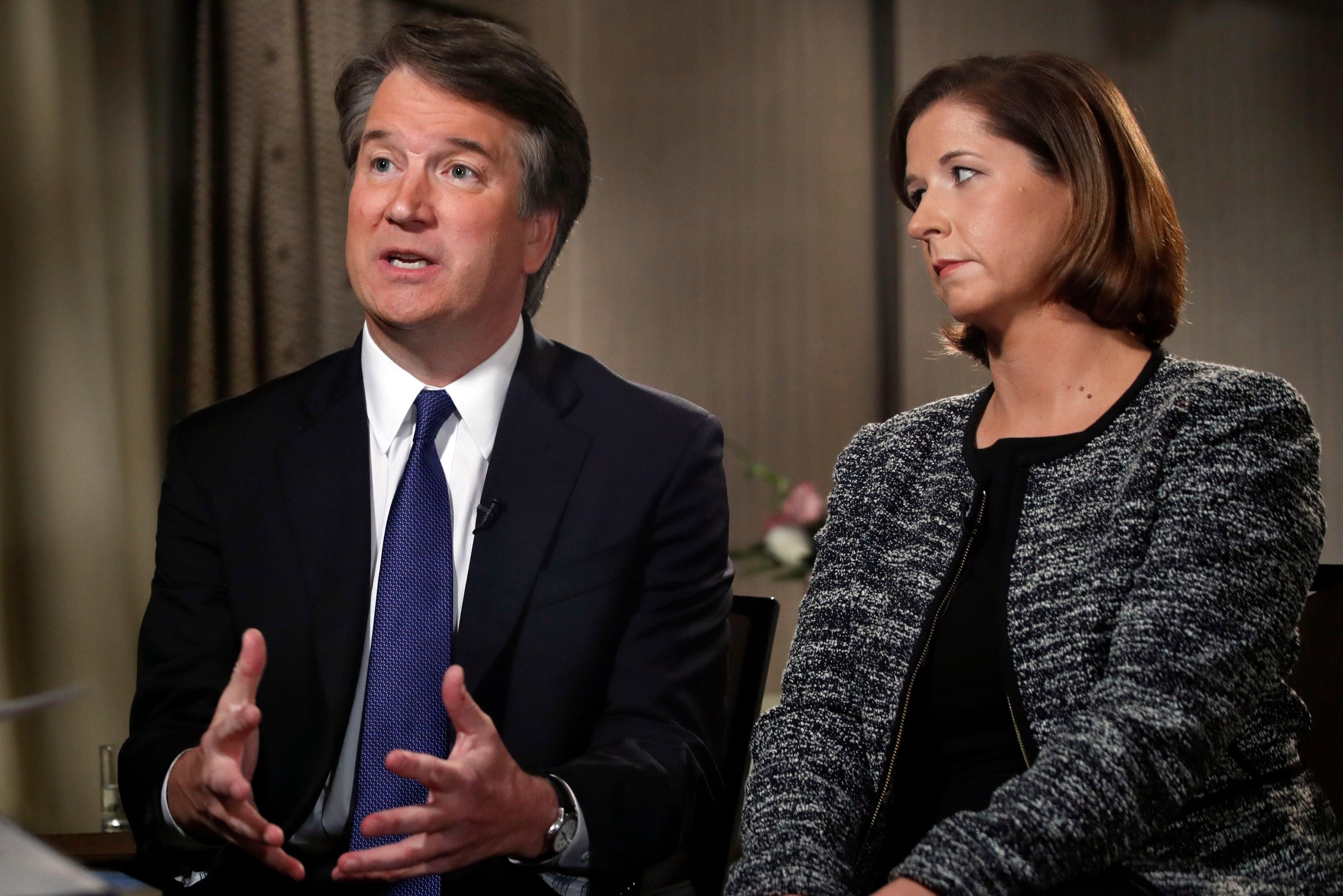
Sen. Elizabeth Warren spoke with J.D. Durkin about the accusations against Supreme Court nominee Brett Kavanaugh and the response from President Trump that Democrats are engaging in a "con game." She says if the president really believes the accusations aren't true then he must want a full investigation by the FBI. "Have at it, Mr. President," she said.
Stocks were mixed Tuesday, a day after tariffs on $200 billion worth of Chinese imports went into effect. Art Hogan, chief market strategist for B. Riley FBR, said investors have been taking the escalating trade war in stride, but whether that can last under these new tariffs will be the question to watch in the weeks ahead.
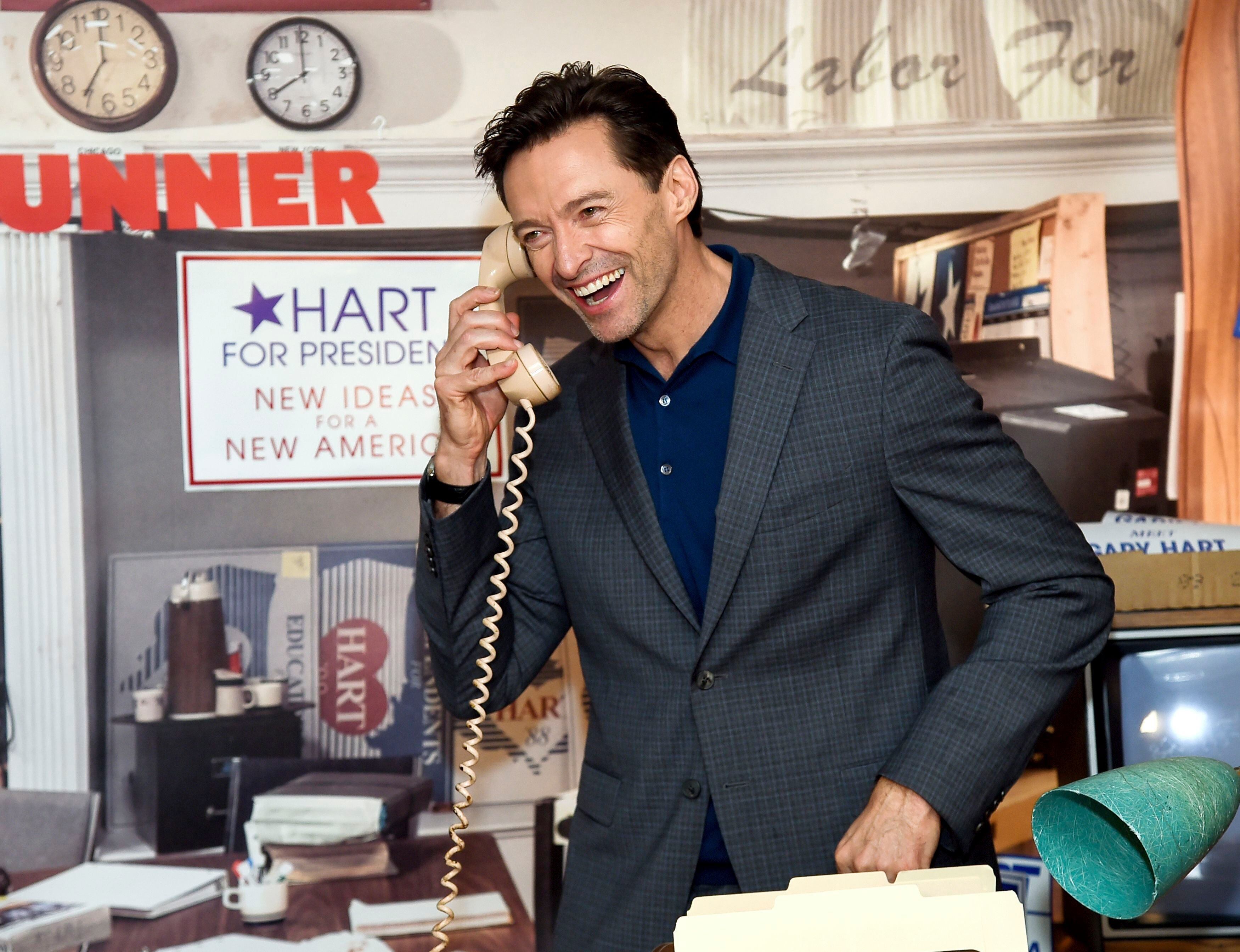
Hugh Jackman's forthcoming film "The Front Runner" follows former Sen. Gary Hart and his rise and fall in the 1988 presidential election. Cheddar spoke with Jackman about how he approached the role and why it was so important for him to meet Hart.
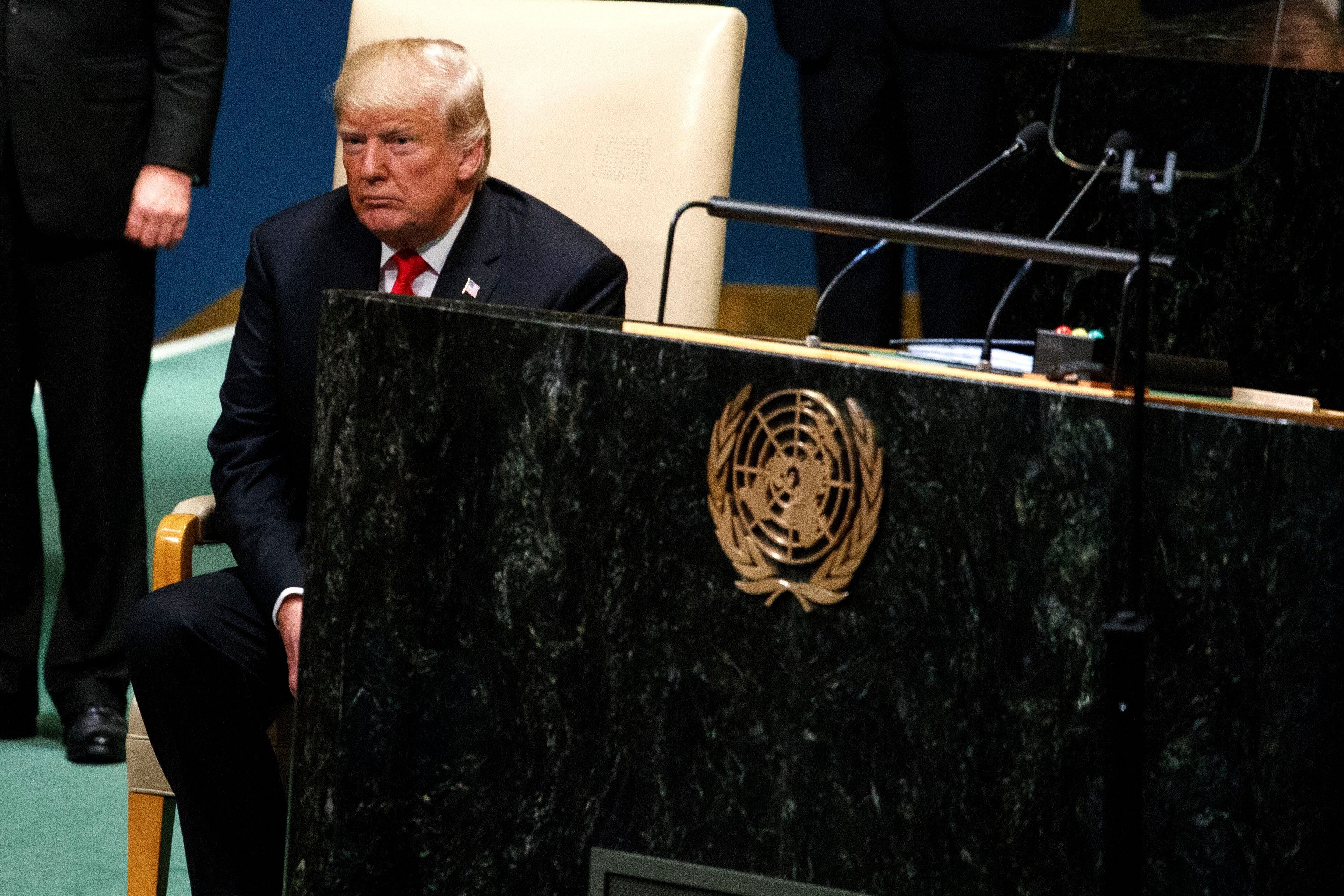
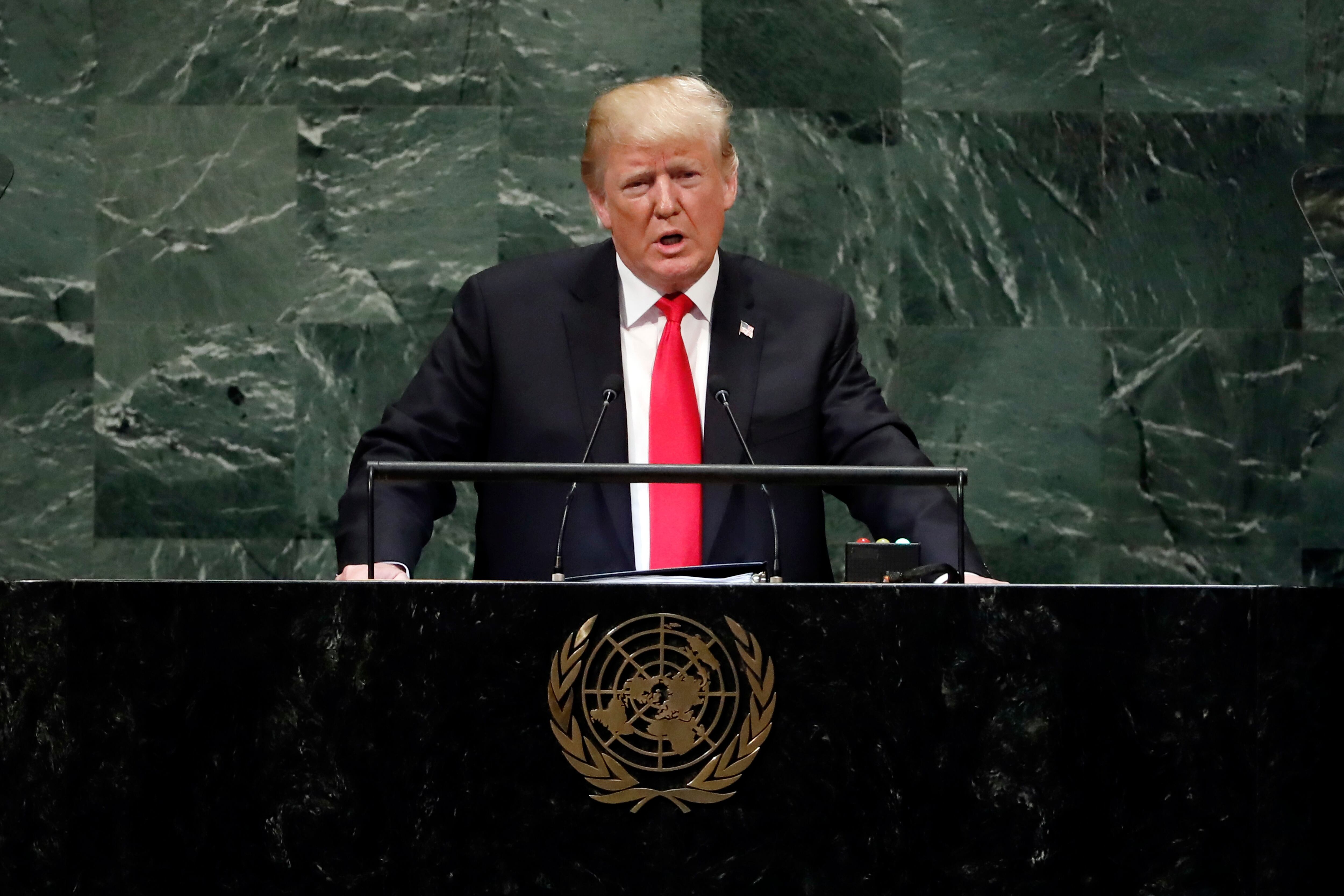
A year after delivering his "fire and fury" speech that threatened to annihilate North Korea and its "little rocket man" leader, President Trump addressed the annual United Nations General Assembly Tuesday, expanding on his "America First" motto and replacing North Korea with Iran as the major antagonist.
These are the headlines you Need 2 Know.
The newest round of tariffs on China imposed by the Trump administration will be damaging for American farmers, particularly soybean and corn growers, said Kimbal Musk, the restaurateur (and brother of Elon) who founded the Kitchen Restaurant Group. Because farmers can only "innovate once a year" during harvest, what they need most is certainty.
U.S. markets dropped Monday as questions over the future of Deputy Attorney General Rod Rosenstein added to investor concerns, which were already heightened by the onset of the latest round of tariffs on Chinese goods. "The political environment seems to be mayhem on a daily basis, and we're just going to have to get used to that," said Jason Moser, analyst at The Motley Fool, in an interview on Cheddar Monday.