Senator Kamala Harris, who was once seen as a top tier contender for the 2020 Democratic presidential nomination, dropped out of the race on Tuesday.
"I've taken stock and looked at this from every angle, and over the last few days have come to one of the hardest decisions of my life," the California senator wrote in a note to supporters. "My campaign for president simply doesn't have the financial resources we need to continue."
Harris spent the early days of her campaign as a promising candidate, rising as high as second place in the Real Clear Politics poll average in July, but has struggled with finances as well as reports of staff disorganization and infighting, according to the New York Times.
By November, she was polling in the low single digits and laid off her New Hampshire field team to increase her focus on Iowa's first-in-the-nation caucuses on February 3.
Though she had shifted focus to the Hawkeye State, she lacked the cash to run TV ads in Iowa, a state in which Harris had not run an ad in three months. Only recently, support for a super PAC made up of former aides to pay for advertising began to gain traction within the campaign.
Harris was one of seven candidates who had already qualified for the sixth debate, which will be held in her home state of California, before today's announcement.
The senator had started her campaign in front of a crowd of20,000 in Oakland, according to her campaign, and said she is withdrawing "with deep regret — but also with deep gratitude."
As the partial government shutdown spans its 18th day, furloughed federal workers like Sam Shirazi who have been placed on unpaid leave are struggling with both an immediate financial reality and a more amorphous sense of uncertainty. "We don't know when it's going to end, and it doesn't seem like it's going to end anytime soon," Shirazi told Cheddar's J.D. Durkin on Tuesday.
These are the headlines you Need 2 Know for Tuesday, Jan. 8, 2018.
When freshman Democratic Rep. Alexandria Ocasio-Cortez floated the idea to Anderson Cooper on "60 Minutes" Sunday that the very wealthy pay a marginal tax rate as high as 70 percent, it got pundits and politicians all worked up. What exactly was the newly-elected, self-proclaimed radical proposing?
The head of security for Huawei, the embattled Chinese tech giant that has been accused of working as a front for Chinese intelligence services, told Cheddar's Hope King on Monday that "no government has ever asked us to spy" and that those accusations were part of a "drumbeat of anti-Huawei criticism."
These are the headlines you Need 2 Know for Monday, Jan. 7, 2019.
From Wall Street to Silicon Valley, these are the top stories that moved markets and had investors, business leaders, and entrepreneurs talking this week on Cheddar.
For the vast majority of Americans, the partial shutdown of the federal government is felt in small ways. For Native Americans, a prolonged shutdown could mean life or death. Aaron Payment, chairman of the Sault Ste. Marie tribe, told Cheddar that he's focused on one date: Jan. 15. That's when the tribe's next drawdown of federal funds is scheduled.
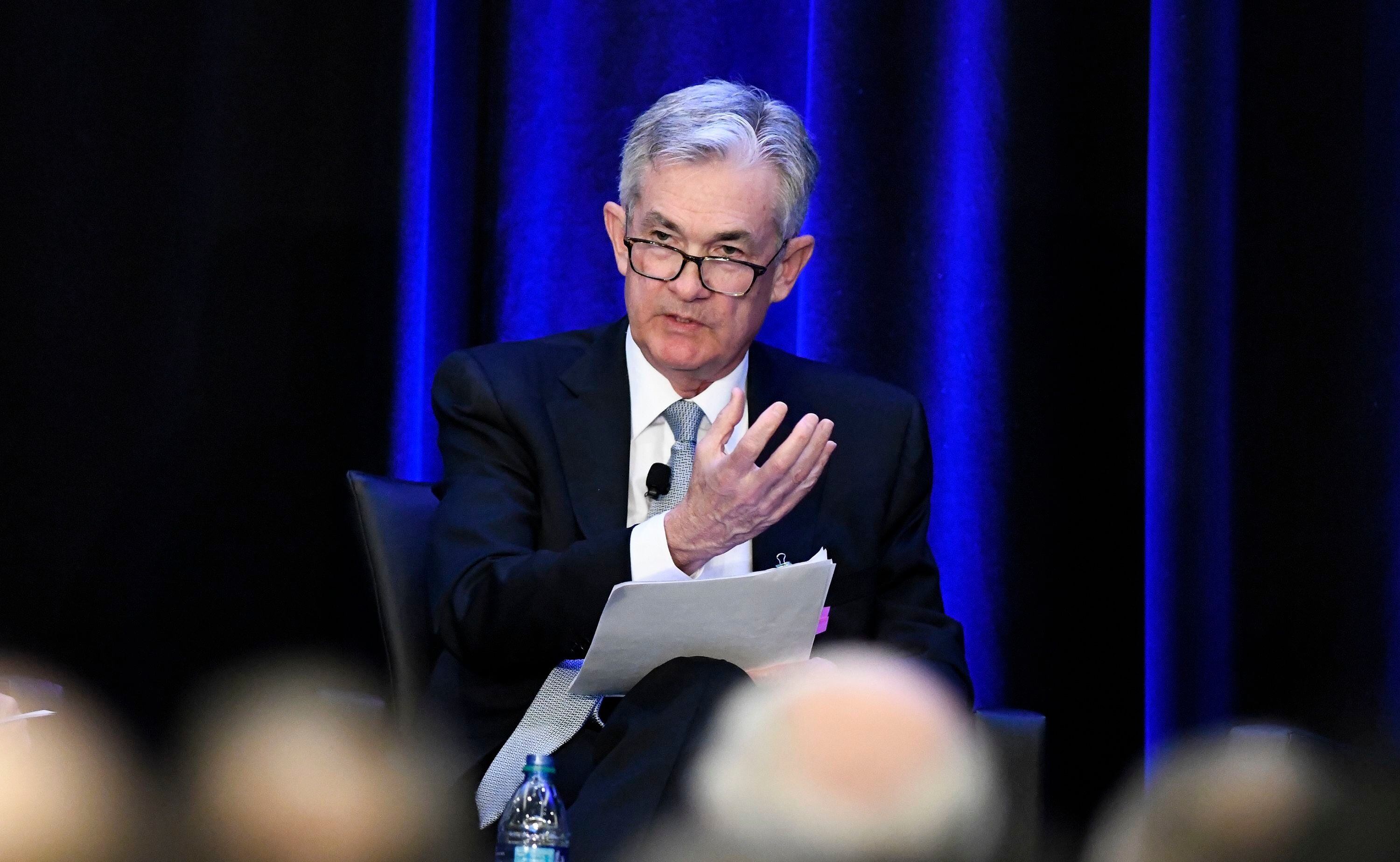
Markets soared on Friday ー the Dow Jones Industrial Average leading gaining more than 670 points ーfollowing comments by Fed Chair Jerome Powell on monetary policy and reports that the jobs market is not slowing.
New York is getting into a crypto state of mind with plans to create the nation's first Crypto Task Force. "New York State is the financial capital of the world, and we must have the proper regulations and proper balance to be able to figure out how to regulate in this space," N.Y. Assemblyman Clyde Vanel told Cheddar.
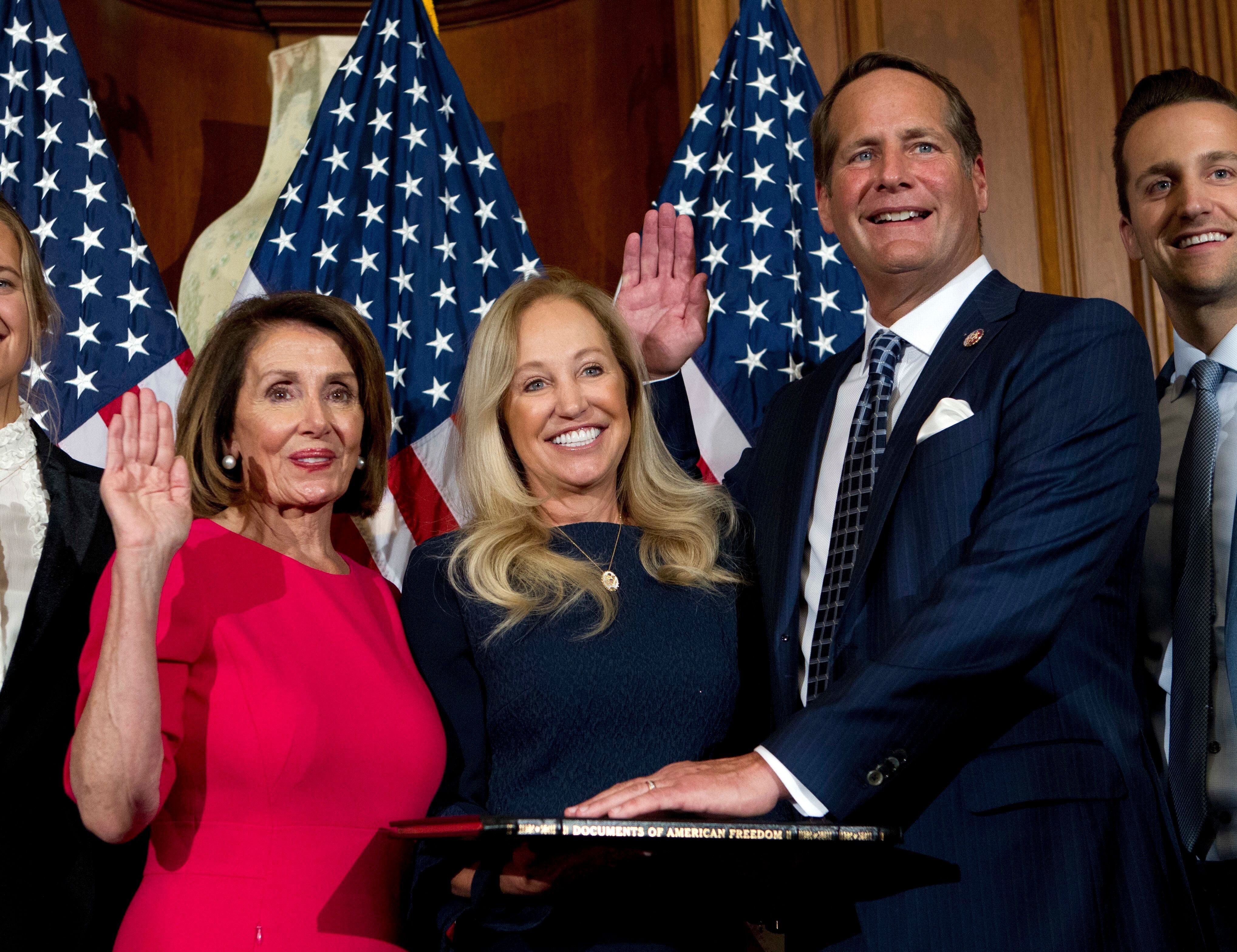
Rep. Harley Rouda, the newly elected Democrat from California's 48th district, doesn't want to waste any time getting legislation to the floor that will stimulate wage growth, which showed better-than-expected strength in Friday's blowout jobs report but remains a concern for economists.