Senator Kamala Harris, who was once seen as a top tier contender for the 2020 Democratic presidential nomination, dropped out of the race on Tuesday.
"I've taken stock and looked at this from every angle, and over the last few days have come to one of the hardest decisions of my life," the California senator wrote in a note to supporters. "My campaign for president simply doesn't have the financial resources we need to continue."
Harris spent the early days of her campaign as a promising candidate, rising as high as second place in the Real Clear Politics poll average in July, but has struggled with finances as well as reports of staff disorganization and infighting, according to the New York Times.
By November, she was polling in the low single digits and laid off her New Hampshire field team to increase her focus on Iowa's first-in-the-nation caucuses on February 3.
Though she had shifted focus to the Hawkeye State, she lacked the cash to run TV ads in Iowa, a state in which Harris had not run an ad in three months. Only recently, support for a super PAC made up of former aides to pay for advertising began to gain traction within the campaign.
Harris was one of seven candidates who had already qualified for the sixth debate, which will be held in her home state of California, before today's announcement.
The senator had started her campaign in front of a crowd of20,000 in Oakland, according to her campaign, and said she is withdrawing "with deep regret — but also with deep gratitude."
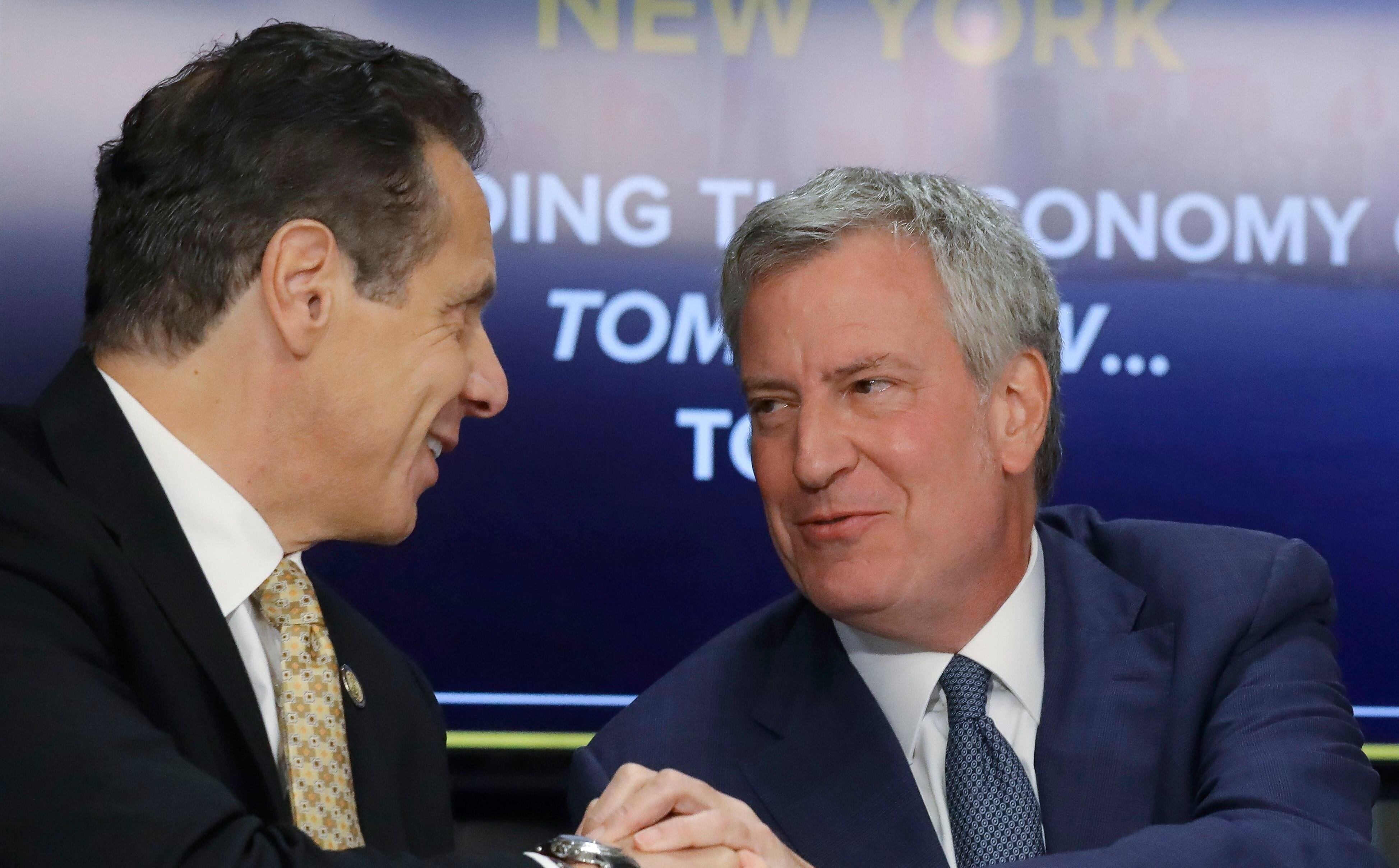
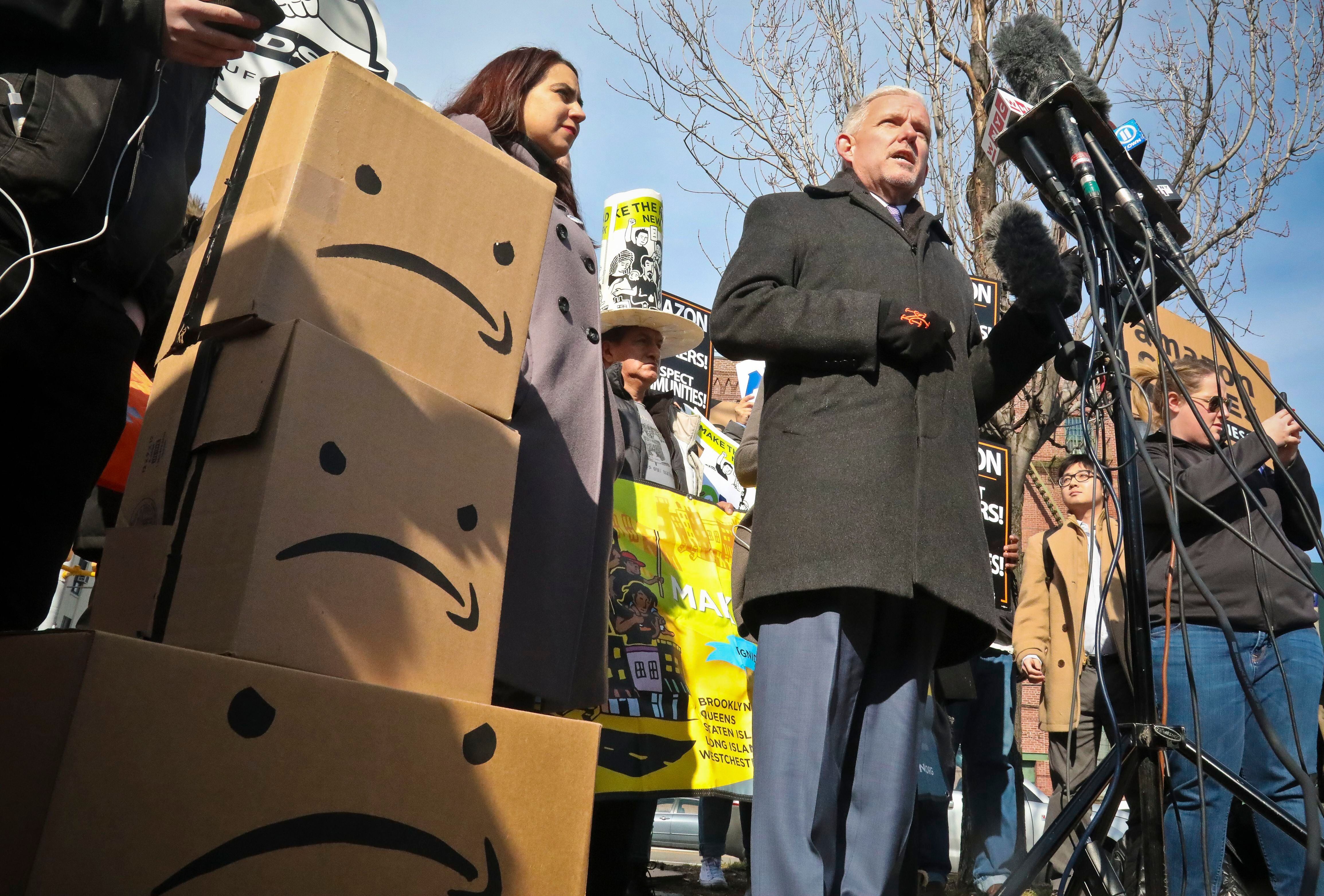
Bradley Tusk, the founder and CEO of Tusk Strategies and former campaign manager of Mayor Michael Bloomberg, knows exactly why Amazon's HQ2 plans in New York City fell apart. "It's not that we didn't get it because of some geopolitical economic trend or something out of our control. We didn't get it because our own politicians and Amazon themselves were too incompetent and too arrogant and too tone deaf to get it right," Tusk told Cheddar.
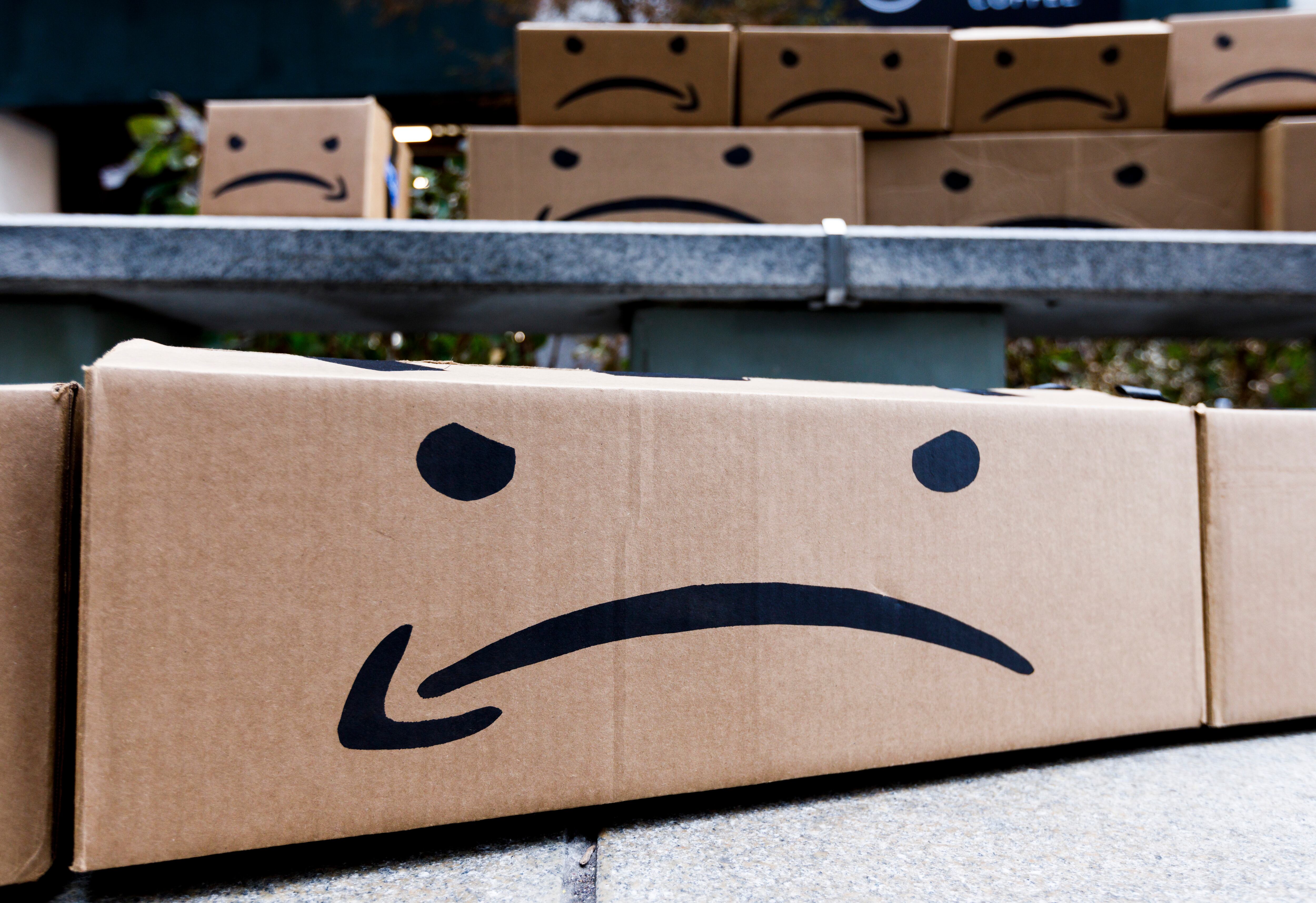
Amazon's blog post announcing it will pull the plug on its New York City headquarters is nothing but a bluff to bring politicians back to the negotiating table, said D.A. Davidson Analyst Tom Forte. "Absolutely Amazon's bluffing," Forte told Cheddar Friday.
From Wall Street to Silicon Valley, these are the top stories that moved markets and had investors, business leaders, and entrepreneurs talking this week on Cheddar.
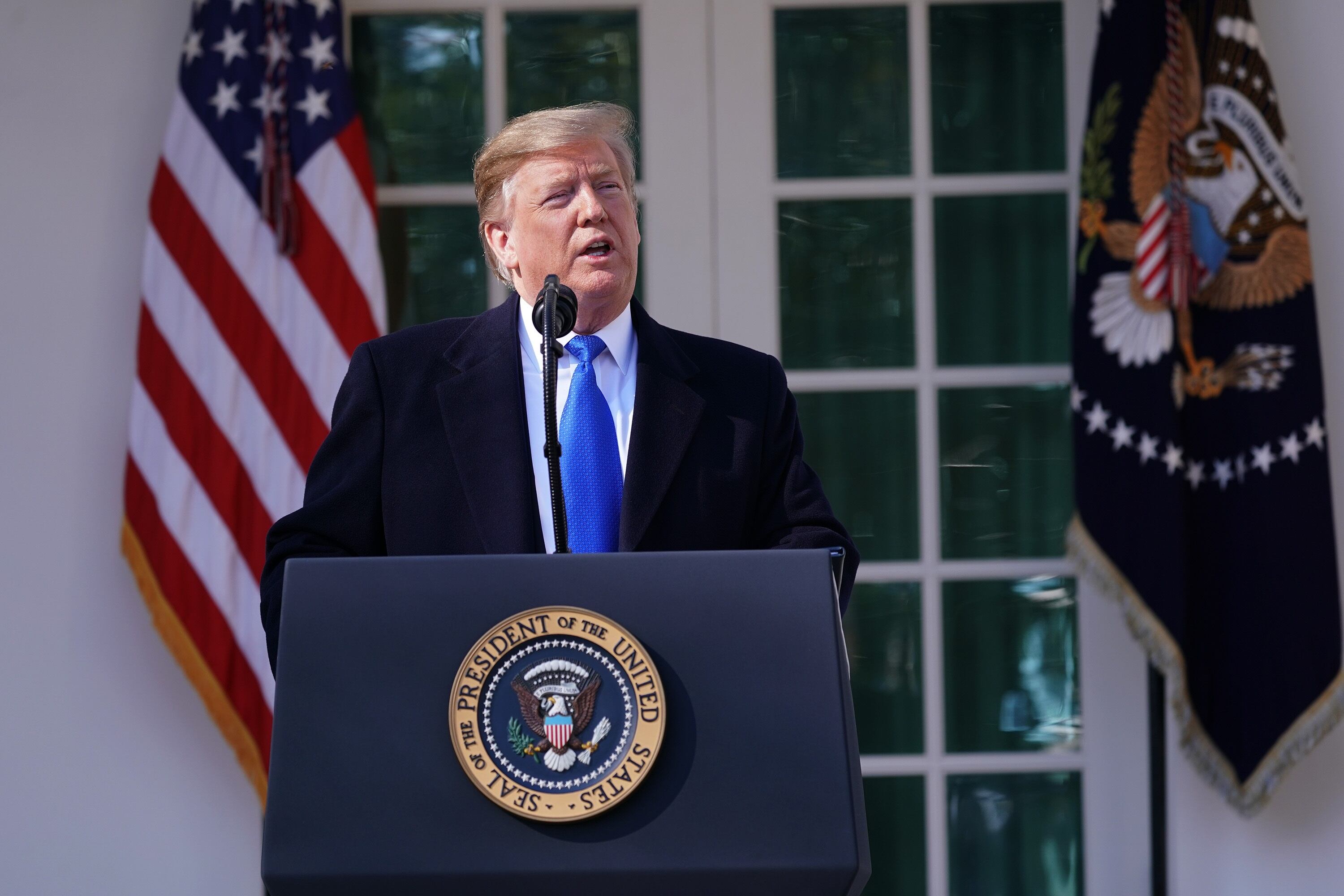
The National Emergencies Act of 1976 was passed in an attempt to regulate the president's ability to declare open-ended national emergencies. The point of the law, commentators said at the time, was to give Congress the power of oversight on matters of national urgency. It is perhaps ironic then that President Trump announced he will, under the provisions of that law, declare a national emergency as a way to circumvent Congress and build a border wall.
These are the headlines you Need 2 Know for Friday, Feb, 15, 2019.
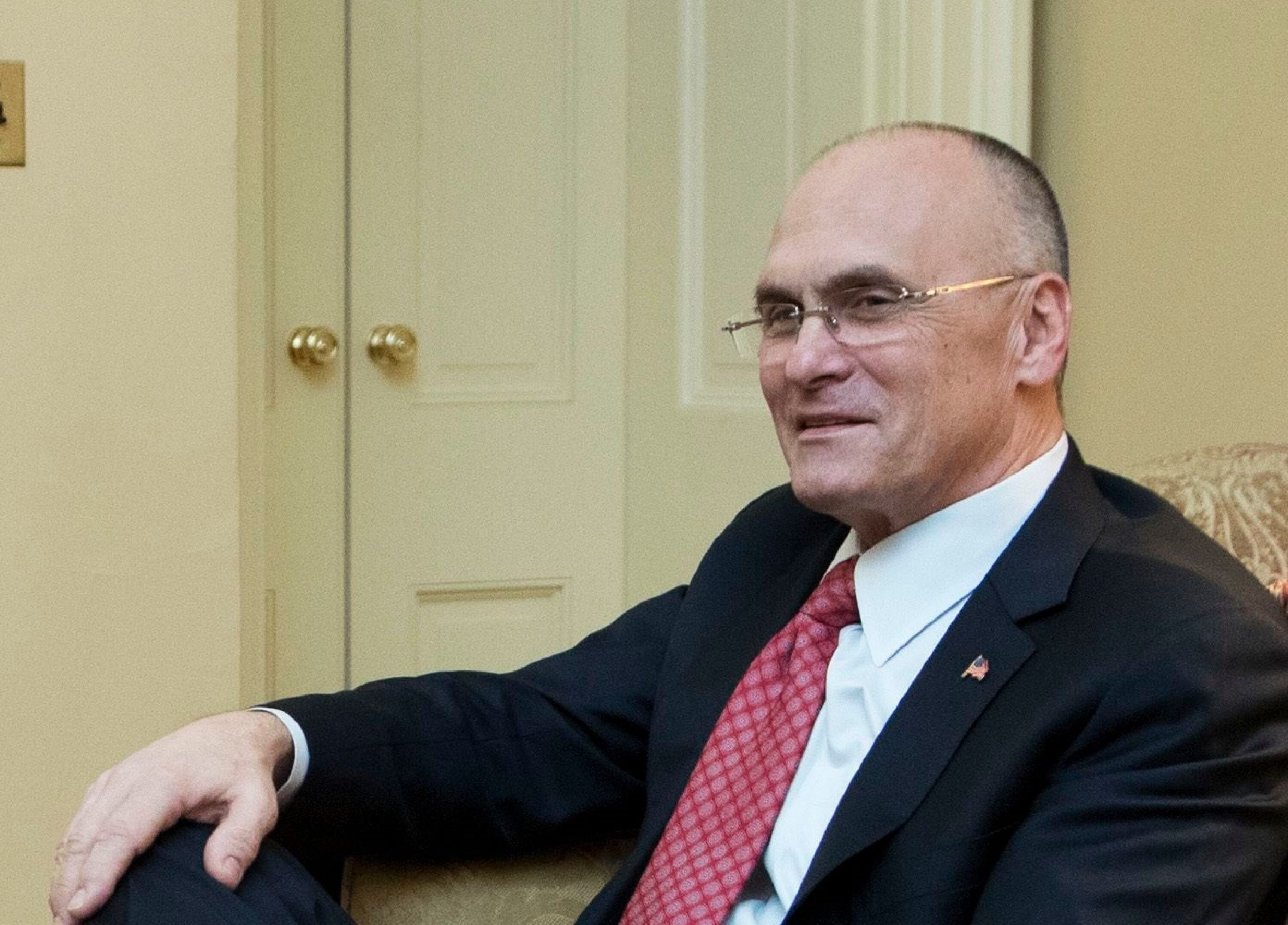
Amazon's decision to pull its new HQ2 out of New York City is very bad for the city ー and a sign that the home of Wall Street is falling victim to anti-business attitudes, according to former CKE Restaurants CEO Andy Puzder. "I think it's a hit to the New York economy. New York is a big city, it's a strong city, but it used to be the home to capitalism. Now it's coming under some of these socialist policies and it's going to lose companies like Amazon ($AMZN)," Puzder told Cheddar on Thursday.
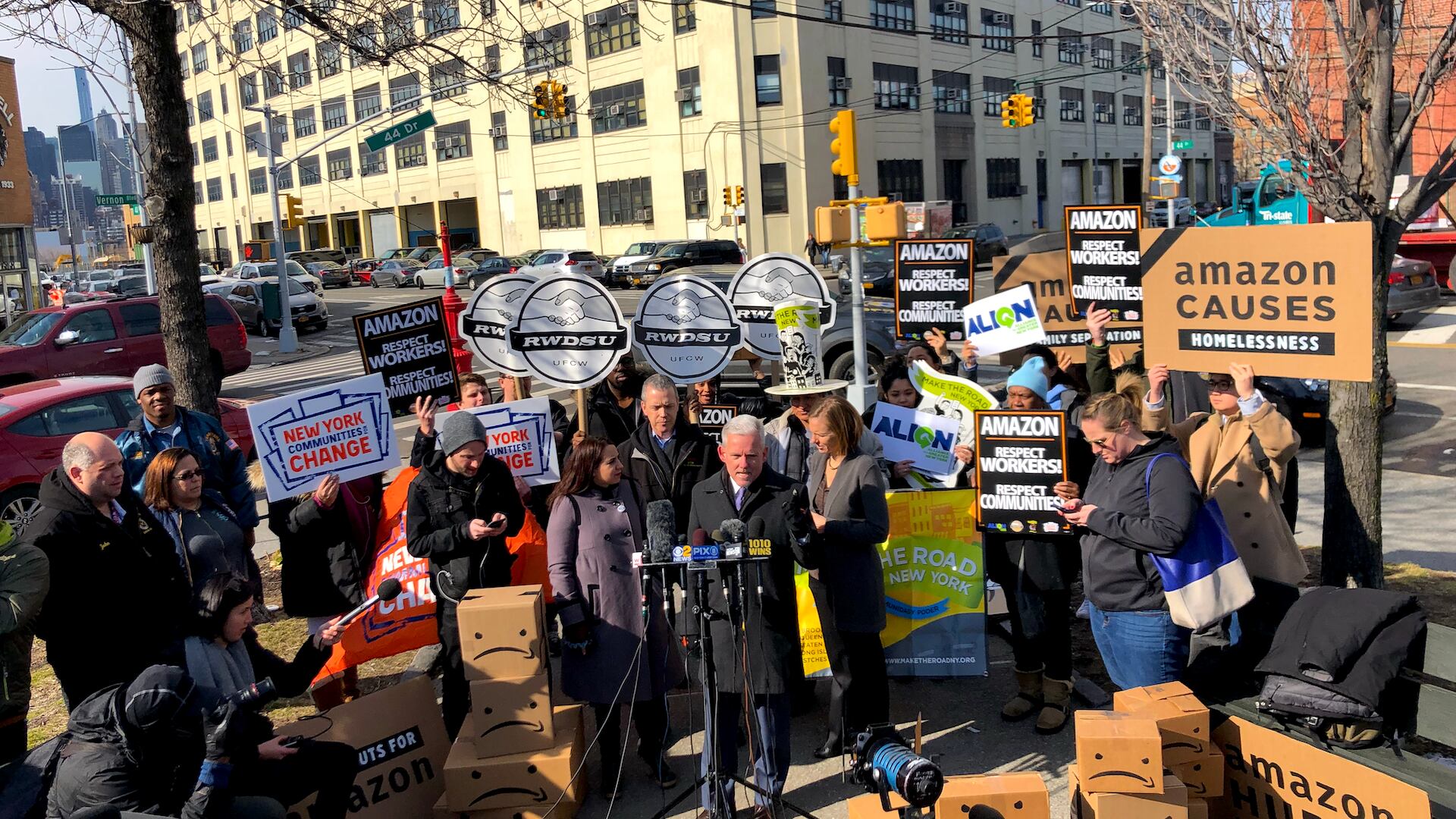
Amazon has backed out of its plan to build a second headquarters in Queens, New York. The abrupt decision shocked even those who opposed Amazon's planned expansion in Long Island City. Cheddar spoke with Jimmy Van Bramer, deputy leader of the New York City Council.
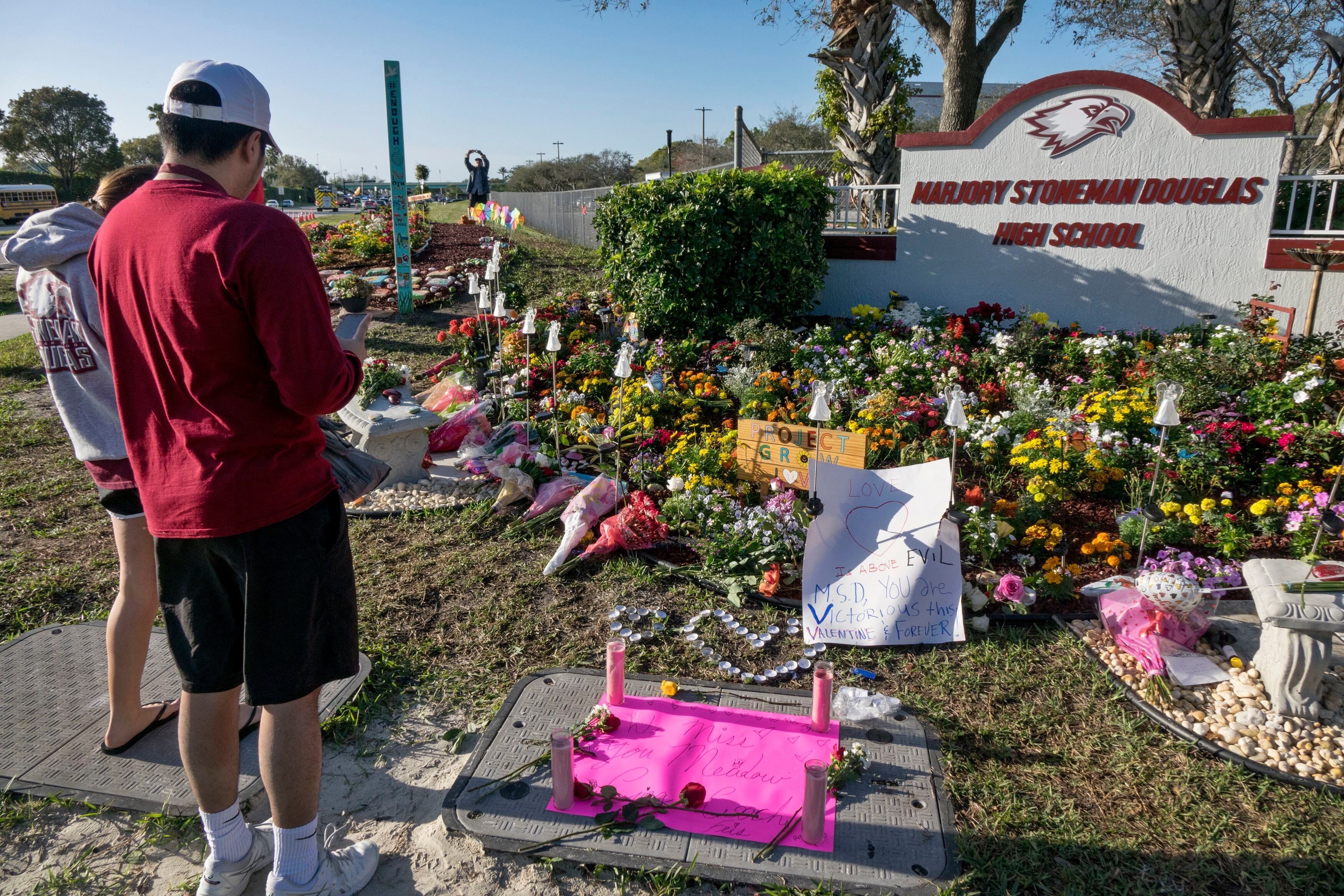
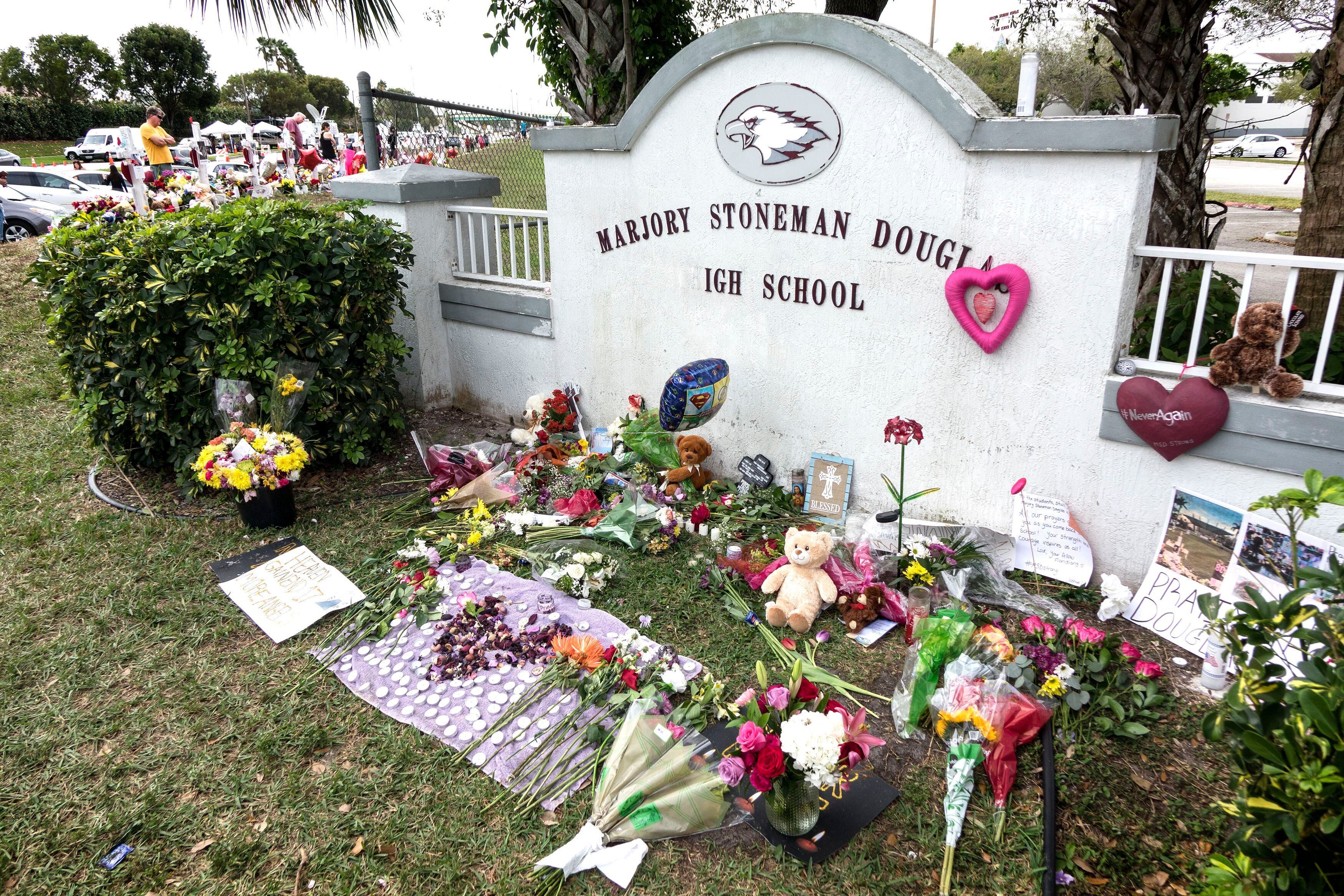
A day before the anniversary of the Parkland shooting, a massacre that re-framed the debate over gun control as a defining cause of Gen Z, Congress advanced its first piece of gun legislation in decades. Rep. Debbie Mucarsel-Powell, a newly elected Democrat from a Parkland-adjacent district who sits on that committee, discussed the victory with Cheddar.
These are the headlines you Need 2 Know for Thursday, Feb. 14, 2019.
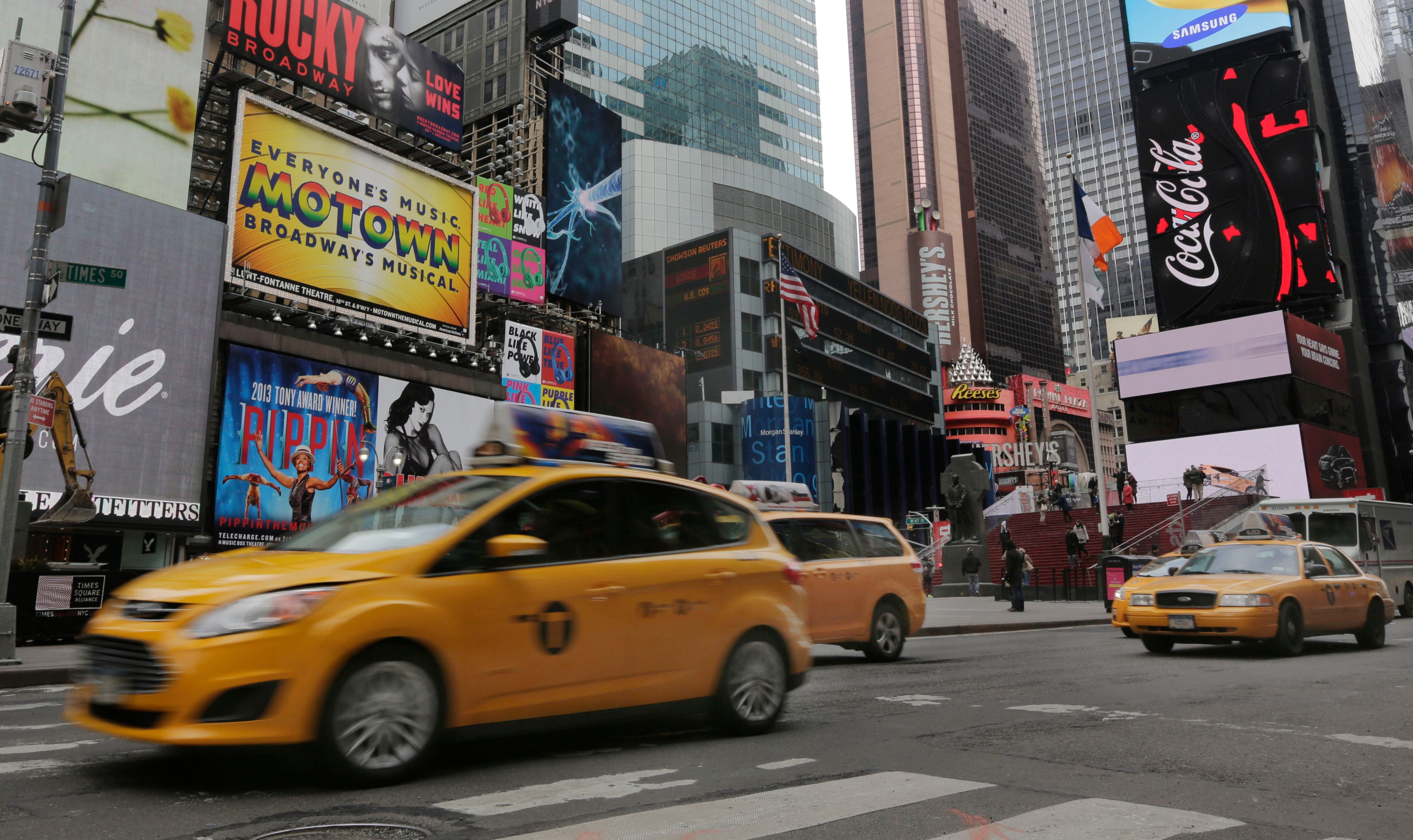
Catching a ride in New York just got more expensive, and passengers aren't the only ones complaining. "It's a problem for the drivers," Aleksey Medvedovskiy, the president of NYC Taxi Group, told Cheddar Wednesday. "It's a problem for the general public."