Senator Kamala Harris, who was once seen as a top tier contender for the 2020 Democratic presidential nomination, dropped out of the race on Tuesday.
"I've taken stock and looked at this from every angle, and over the last few days have come to one of the hardest decisions of my life," the California senator wrote in a note to supporters. "My campaign for president simply doesn't have the financial resources we need to continue."
Harris spent the early days of her campaign as a promising candidate, rising as high as second place in the Real Clear Politics poll average in July, but has struggled with finances as well as reports of staff disorganization and infighting, according to the New York Times.
By November, she was polling in the low single digits and laid off her New Hampshire field team to increase her focus on Iowa's first-in-the-nation caucuses on February 3.
Though she had shifted focus to the Hawkeye State, she lacked the cash to run TV ads in Iowa, a state in which Harris had not run an ad in three months. Only recently, support for a super PAC made up of former aides to pay for advertising began to gain traction within the campaign.
Harris was one of seven candidates who had already qualified for the sixth debate, which will be held in her home state of California, before today's announcement.
The senator had started her campaign in front of a crowd of20,000 in Oakland, according to her campaign, and said she is withdrawing "with deep regret — but also with deep gratitude."
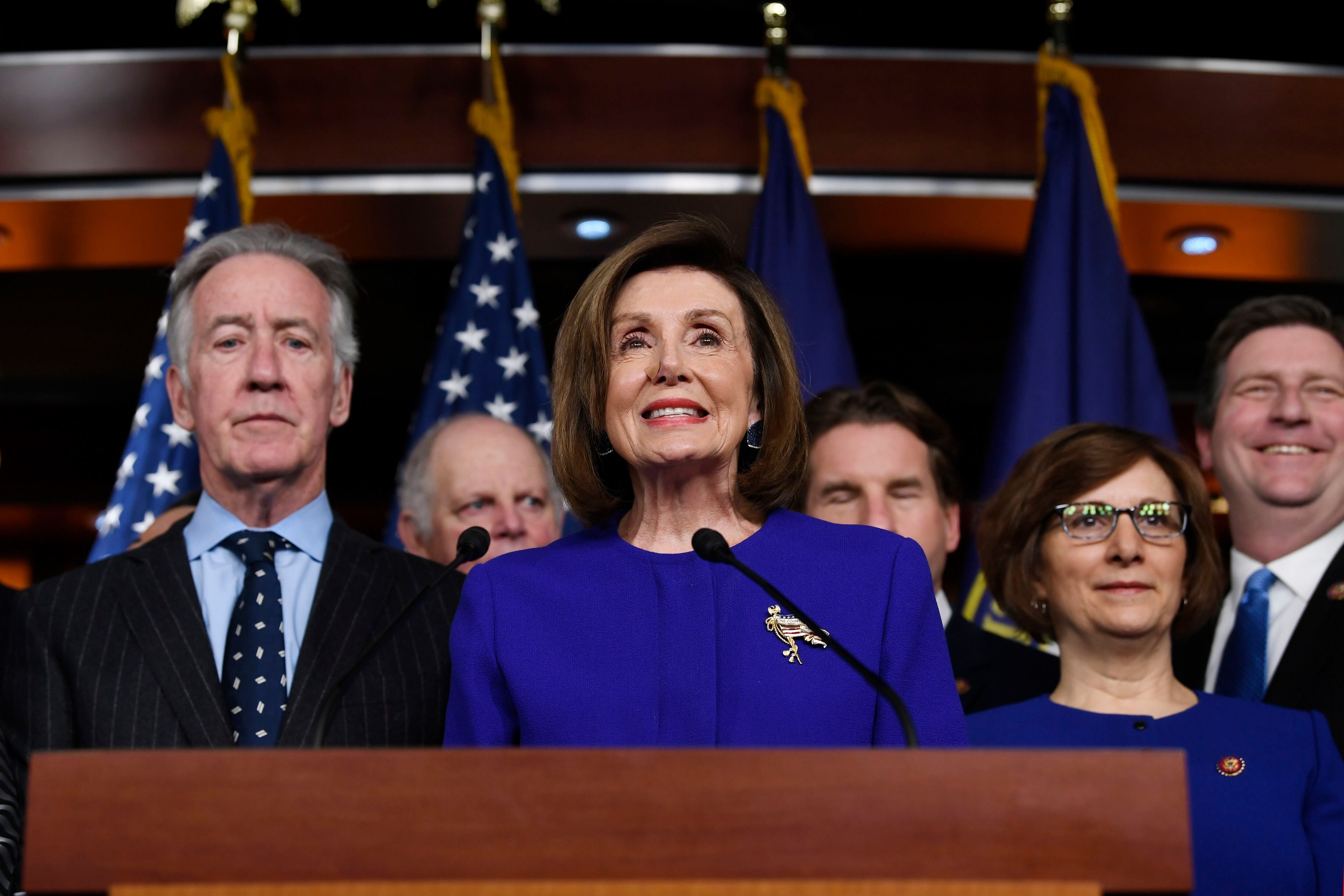
House Democrats handed the president one of his biggest legislative victories, the United States-Mexico-Canada Agreement (USMCA) to replace NAFTA, even as they announce articles of impeachment against him.
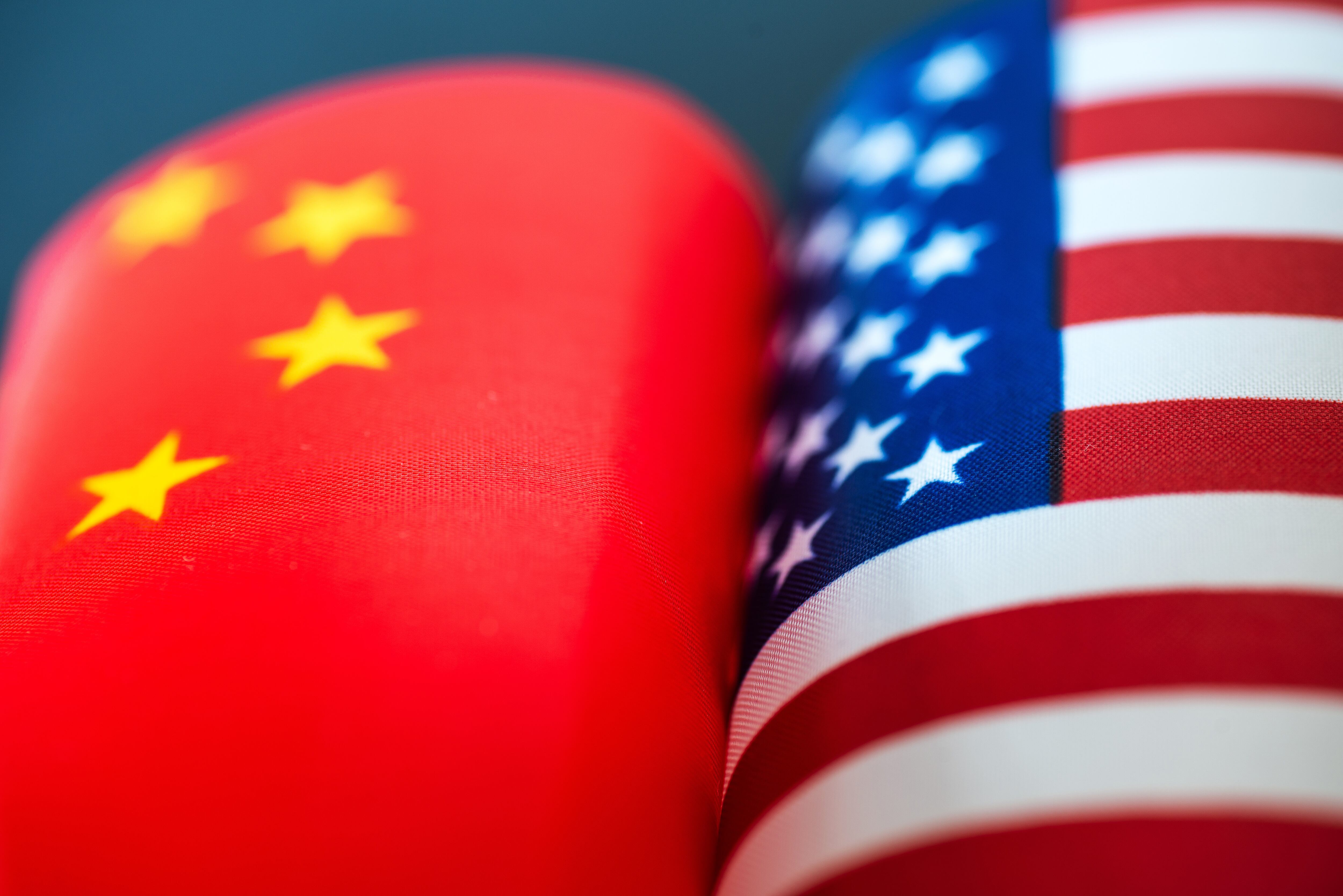
Stocks in the U.S. opened higher Tuesday, reversing pre-market losses after a report in the Wall Street Journal signified that American and Chinese negotiators were preparing to delay the next round of tariffs, scheduled to go into effect Sunday. The Journal cited sources close to the matter on both sides of the table.
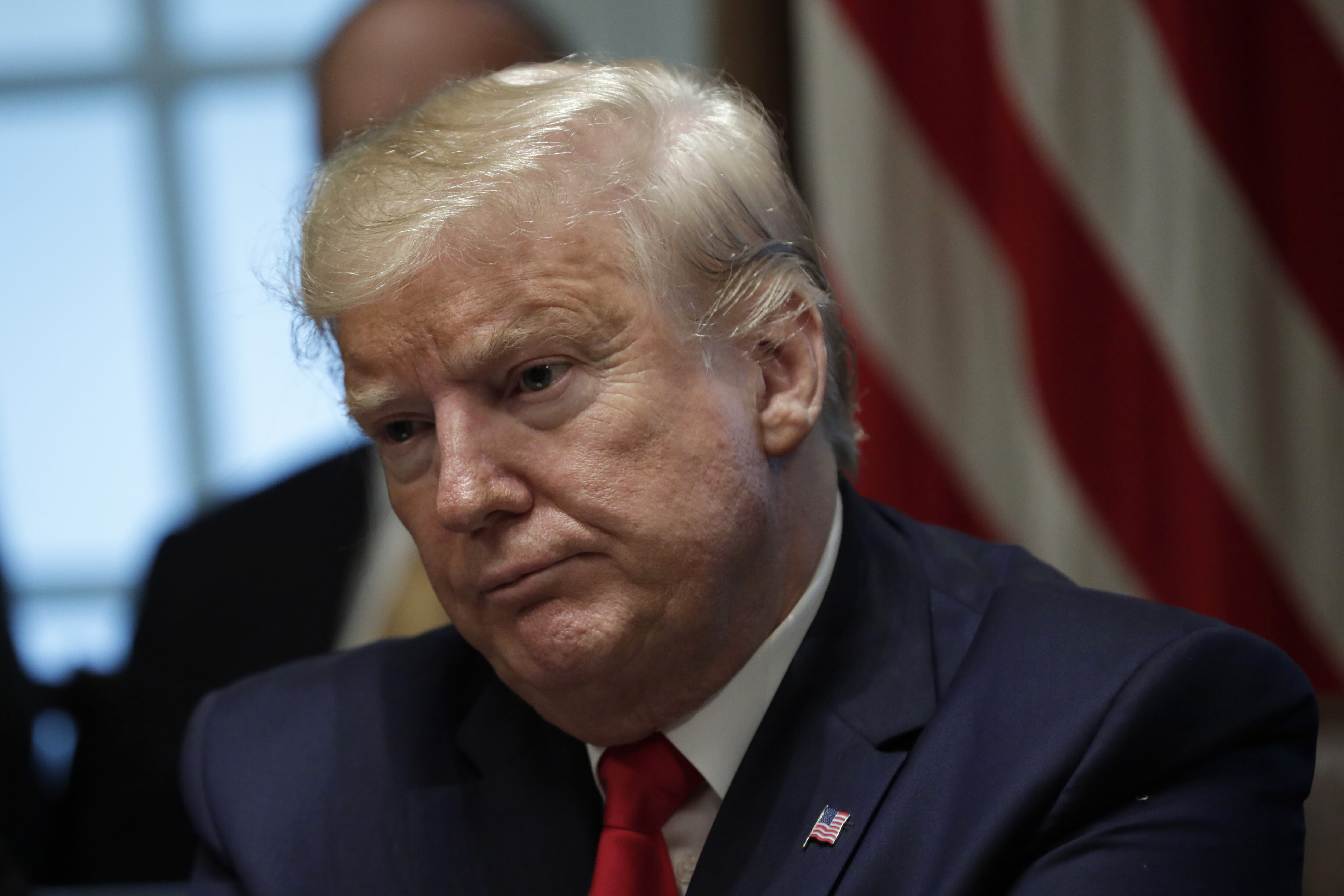
House Democrats announced two articles of impeachment against President Donald Trump Tuesday morning: abuse of power and obstruction of Congress.
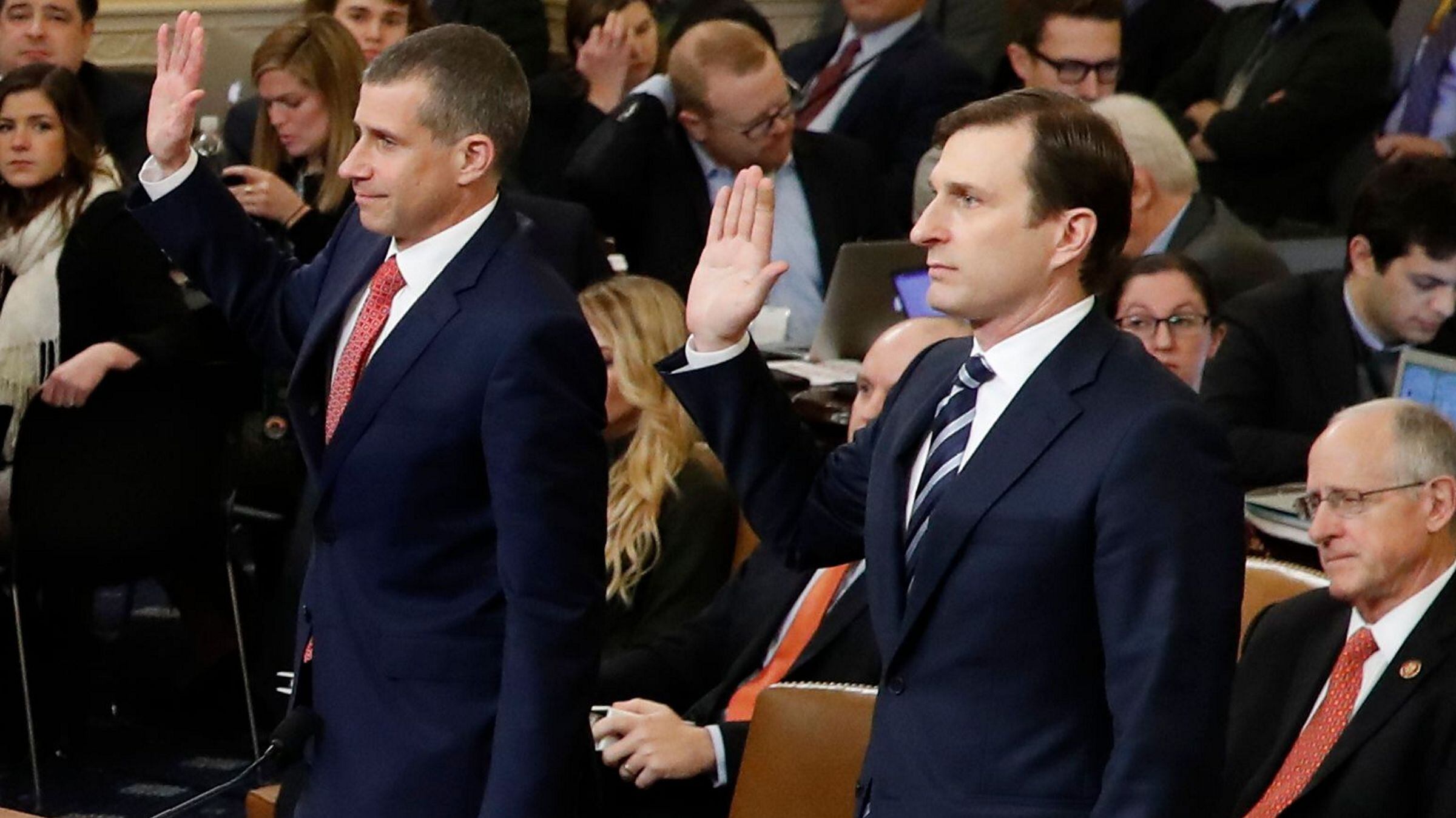
The lawyers for both parties on the Intelligence Committee where the initial public hearings were held last month, had the opportunity to present findings from their respective investigations.
The company confirmed late Friday that it will move 1,500 employees into 350,000 square feet of space in a new building in the Hudson Yards development on the far west side of Manhattan.
These are the headlines you Need 2 Know for Monday, December 9, 2019.
Rep. Debbie Mucarsel-Powell said the House Judiciary Committee could be drafting the articles as early as next week, but while abuse of power is sure to be included, she is unsure if other articles, like obstruction of justice and obstruction of Congress, will be drafted.
From Wall Street to Silicon Valley, these are the top stories that moved markets and had investors, business leaders, and entrepreneurs talking this week on Cheddar.
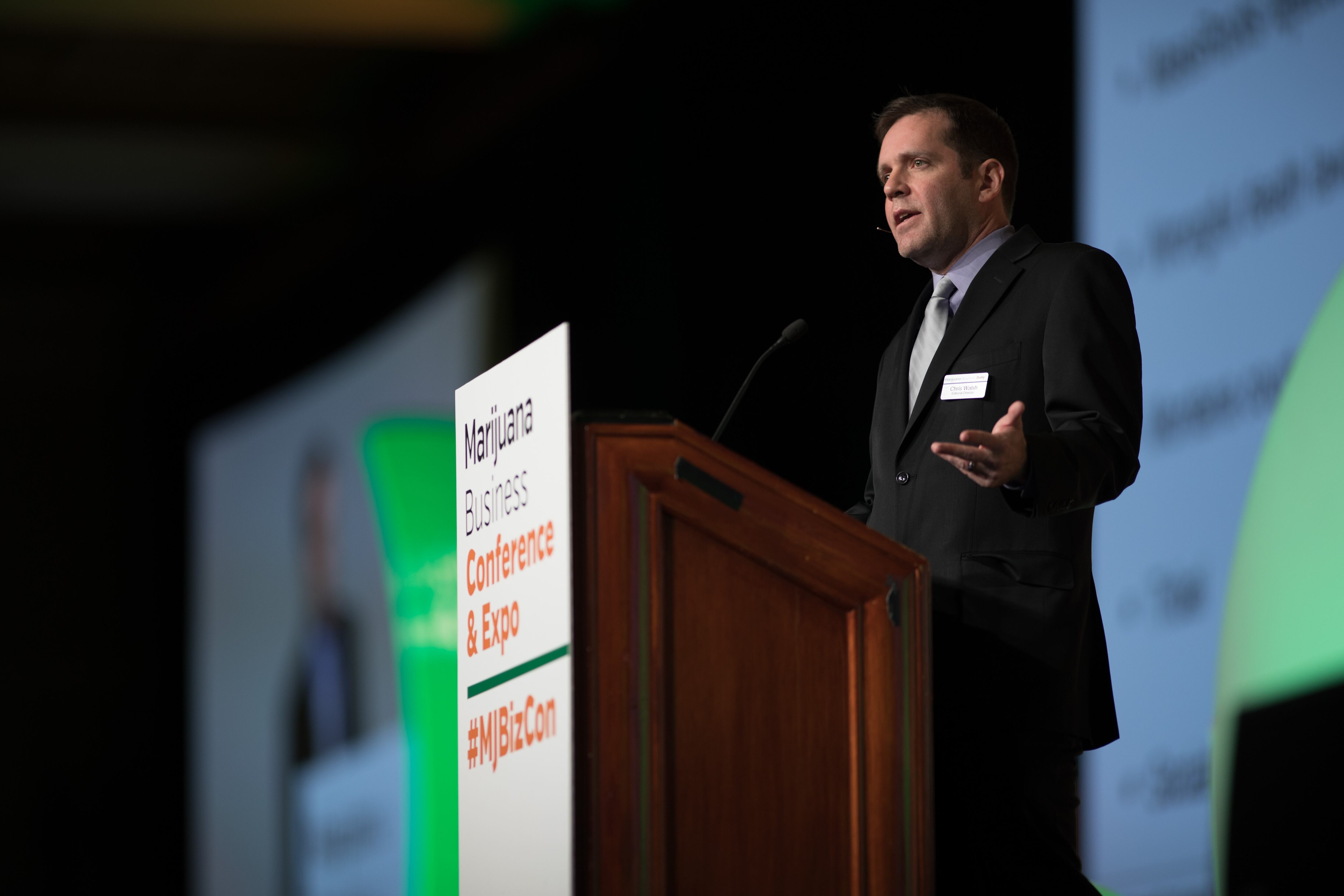
Chris Walsh, founding editor and vice president, will take over at the start of 2020. Cheddar caught up with Walsh in advance of his new appointment to hear his thoughts on MJBizCon, vaping, cannabis politics, and the future of the industry.
The numbers crushed analyst expectations of 180,000. However, the strong numbers could make it unlikely the Federal Reserve will cut interest rates for a fourth time this year.