Senator Kamala Harris, who was once seen as a top tier contender for the 2020 Democratic presidential nomination, dropped out of the race on Tuesday.
"I've taken stock and looked at this from every angle, and over the last few days have come to one of the hardest decisions of my life," the California senator wrote in a note to supporters. "My campaign for president simply doesn't have the financial resources we need to continue."
Harris spent the early days of her campaign as a promising candidate, rising as high as second place in the Real Clear Politics poll average in July, but has struggled with finances as well as reports of staff disorganization and infighting, according to the New York Times.
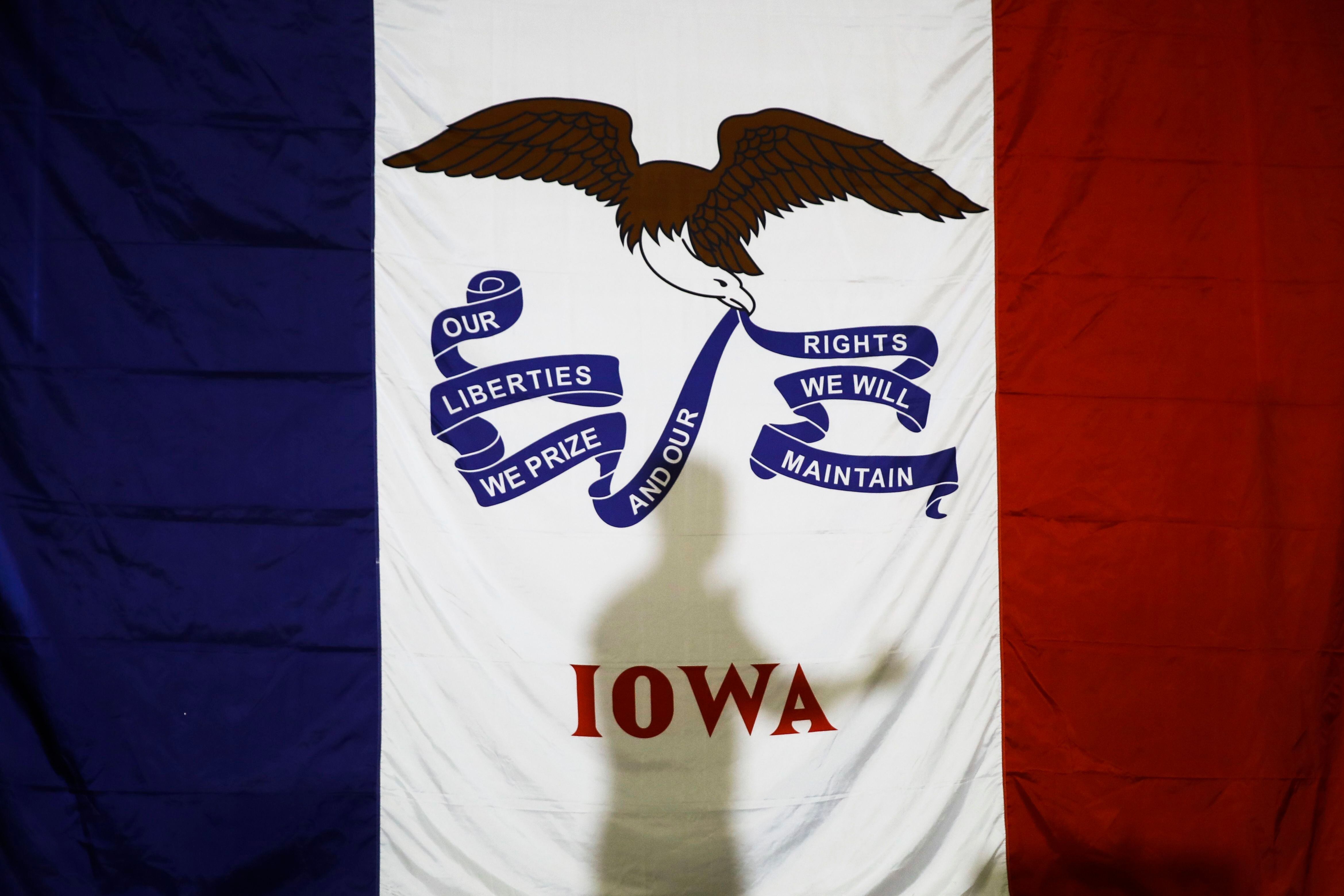
By November, she was polling in the low single digits and laid off her New Hampshire field team to increase her focus on Iowa's first-in-the-nation caucuses on February 3.
Though she had shifted focus to the Hawkeye State, she lacked the cash to run TV ads in Iowa, a state in which Harris had not run an ad in three months. Only recently, support for a super PAC made up of former aides to pay for advertising began to gain traction within the campaign.
Harris was one of seven candidates who had already qualified for the sixth debate, which will be held in her home state of California, before today's announcement.
The senator had started her campaign in front of a crowd of20,000 in Oakland, according to her campaign, and said she is withdrawing "with deep regret — but also with deep gratitude."
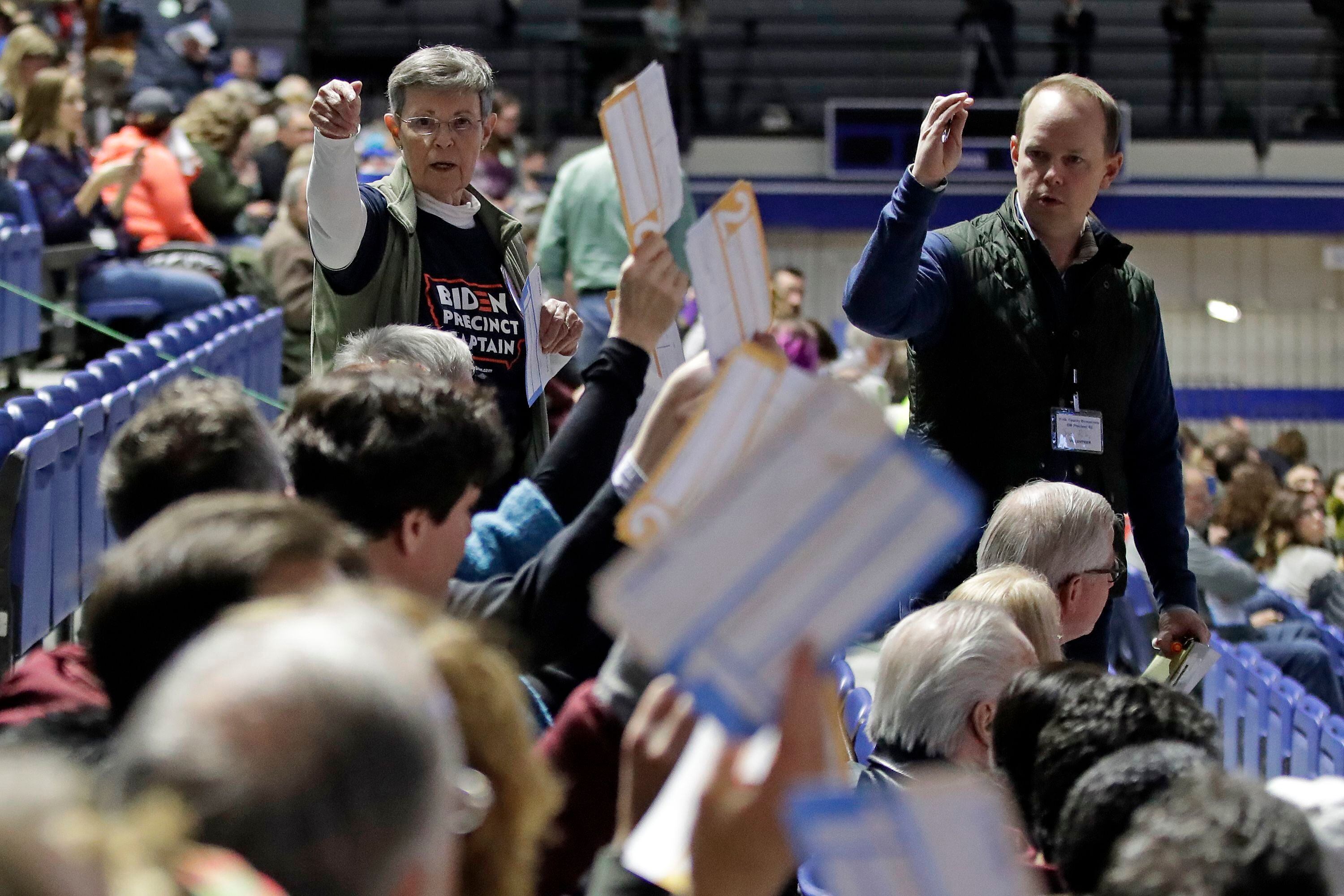
Voting in the 2020 election kicks off today, exactly nine months before Election Day, as Iowans gather at more than 1,600 caucus sites to pick their favorite candidate.
Councilman Ritchie Torres told Cheddar that cashless businesses might uphold institutionalized racism and discriminate against low-income people who are unbanked or underbanked.
Since the 1970s, Iowa has been the home of the first caucus, but it hasn't always selected the eventual nominees for each political party.
These are the headlines you Need 2 Know for Monday, February 3, 2020.
The Senate approved a resolution that will allow a final impeachment vote on Wednesday, after both the Iowa caucuses and the State of the Union address.
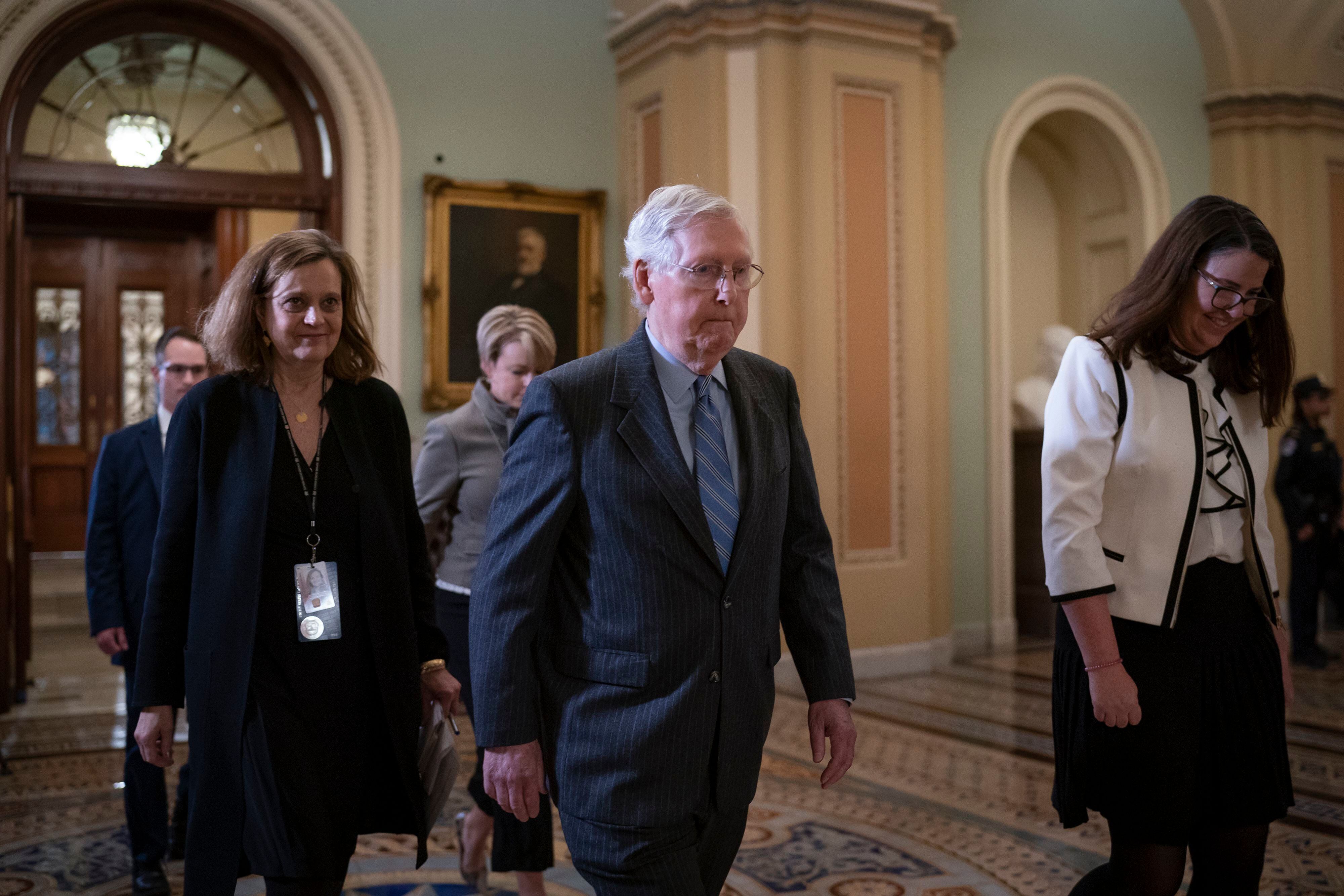
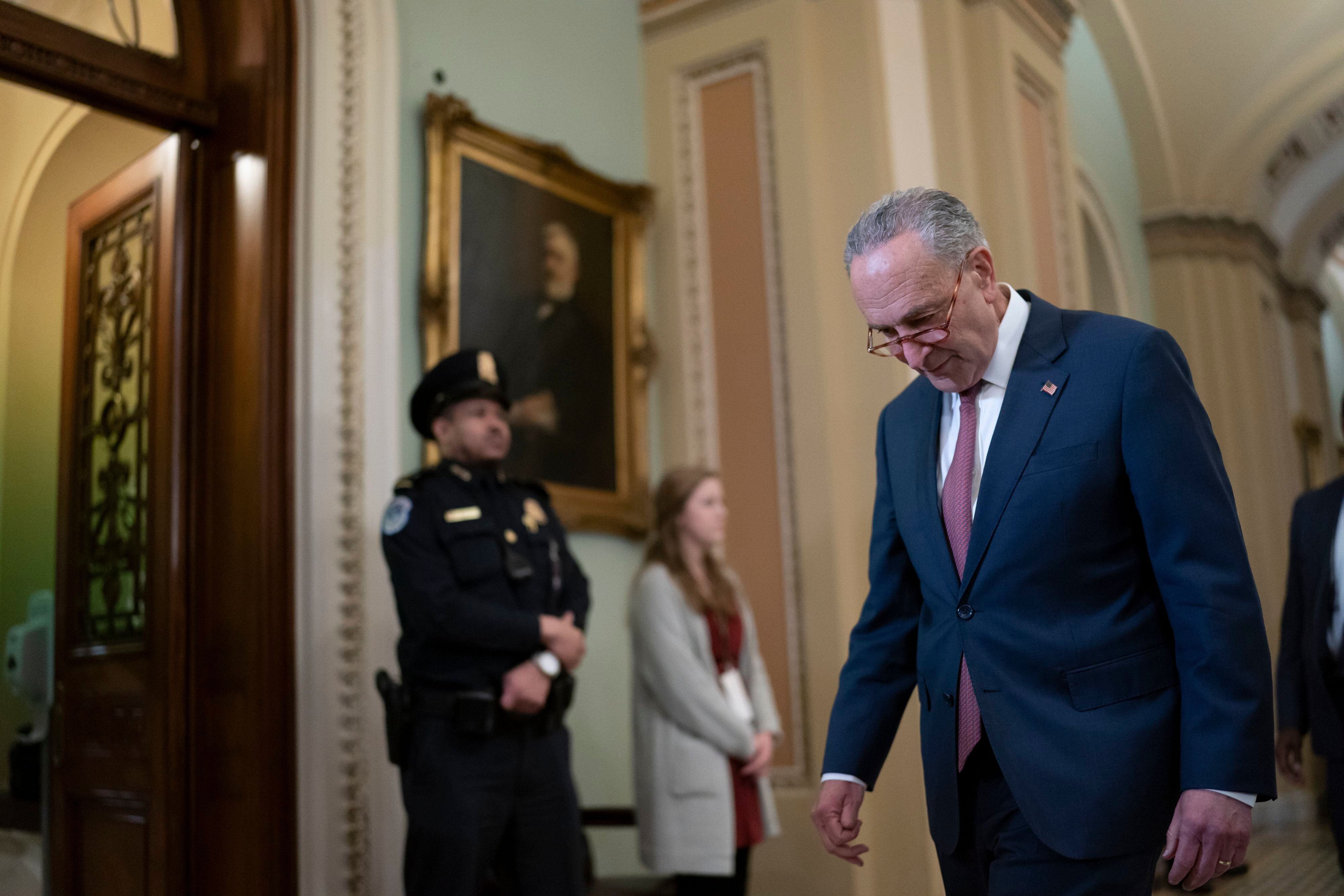
Senators voted against calling more witnesses today, after Senator Mitch McConnell called a quorum call, during which McConnell and his Democratic counterpart Chuck Schumer were seen huddling on the floor of the senate, likely discussing how to proceed.
Senators will get four hours of debate Friday before voting on whether to call witnesses and introduce documents — a vote expected to fail.
These are the headlines you Need 2 Know for Friday, January 31, 2020.
While the sitting president faces charges of abuse of power and obstruction of Congress, his two predecessors are also facing a reckoning in the Guantánamo Bay military tribunal. President Trump’s Senate impeachment trial and the Guantánamo Bay tribunal both hinge in large part on the same unresolved issue: how much information can the executive withhold in the name of national security?
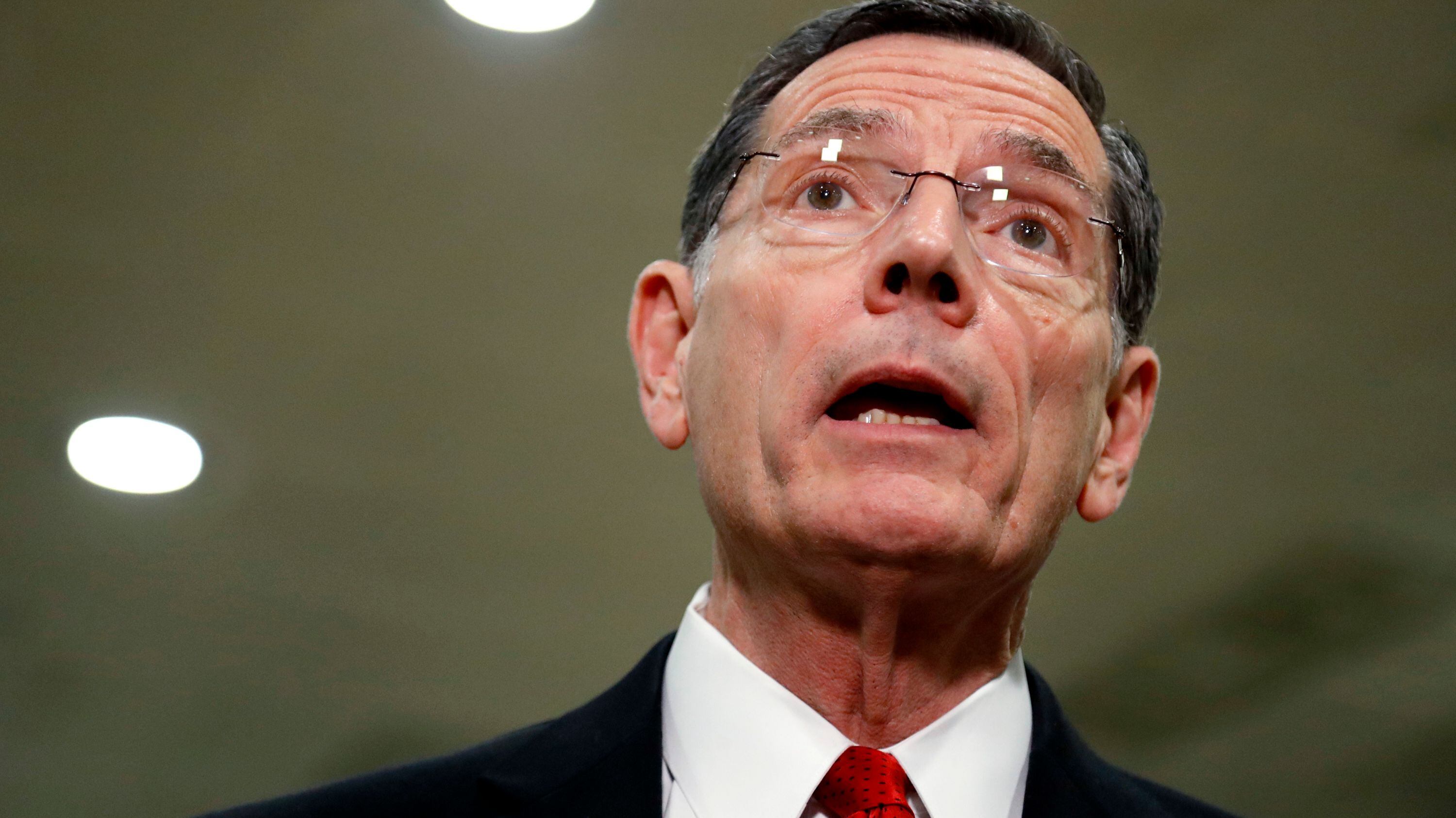
Senator John Barrasso (R-Wyo.) told reporters during the break that Republicans have the ”momentum” to move to end the trial tomorrow without witnesses.