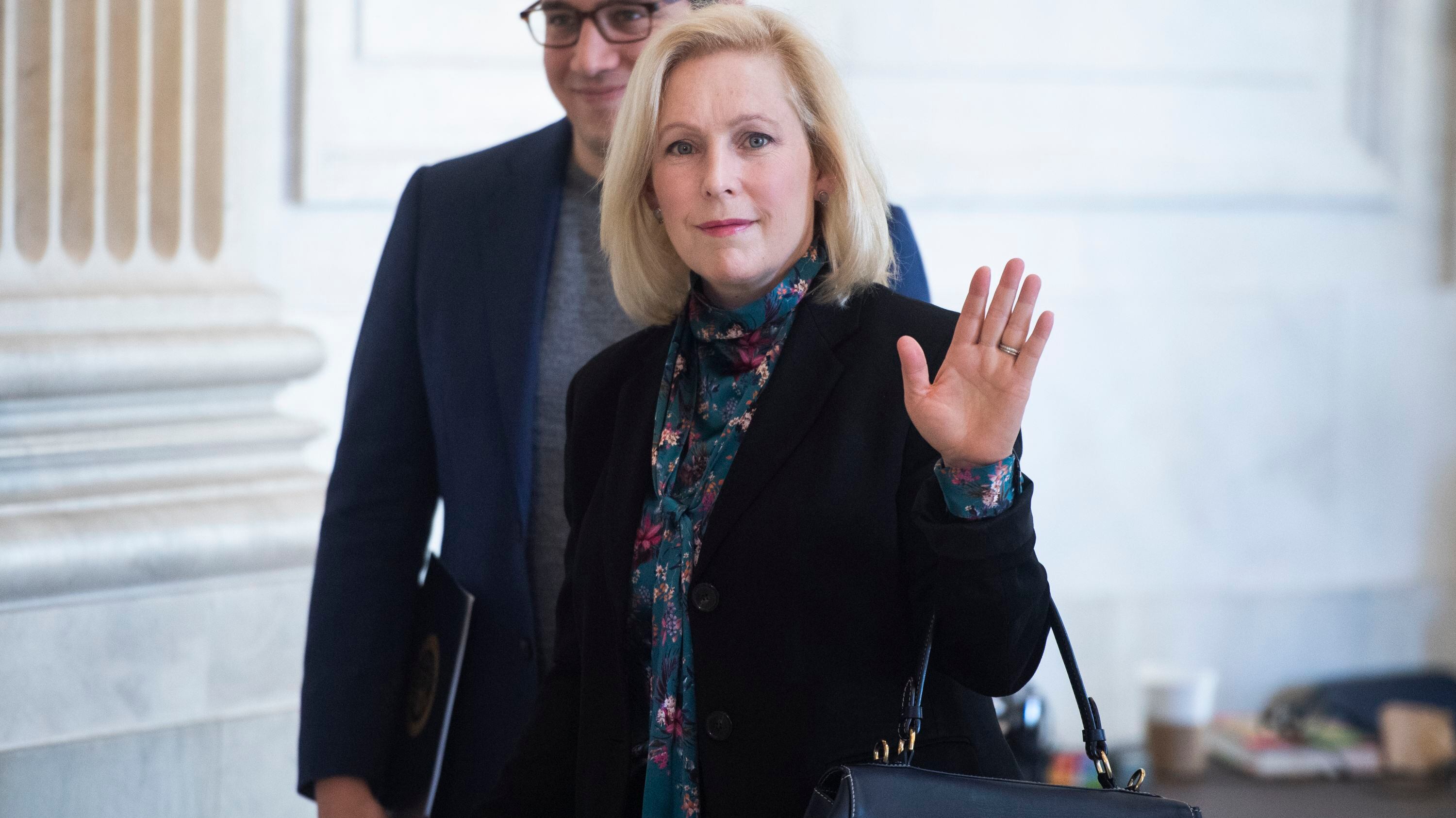
Senator Kamala Harris, who was once seen as a top tier contender for the 2020 Democratic presidential nomination, dropped out of the race on Tuesday.
"I've taken stock and looked at this from every angle, and over the last few days have come to one of the hardest decisions of my life," the California senator wrote in a note to supporters. "My campaign for president simply doesn't have the financial resources we need to continue."
Harris spent the early days of her campaign as a promising candidate, rising as high as second place in the Real Clear Politics poll average in July, but has struggled with finances as well as reports of staff disorganization and infighting, according to the New York Times.
By November, she was polling in the low single digits and laid off her New Hampshire field team to increase her focus on Iowa's first-in-the-nation caucuses on February 3.
Though she had shifted focus to the Hawkeye State, she lacked the cash to run TV ads in Iowa, a state in which Harris had not run an ad in three months. Only recently, support for a super PAC made up of former aides to pay for advertising began to gain traction within the campaign.
Harris was one of seven candidates who had already qualified for the sixth debate, which will be held in her home state of California, before today's announcement.
The senator had started her campaign in front of a crowd of20,000 in Oakland, according to her campaign, and said she is withdrawing "with deep regret — but also with deep gratitude."
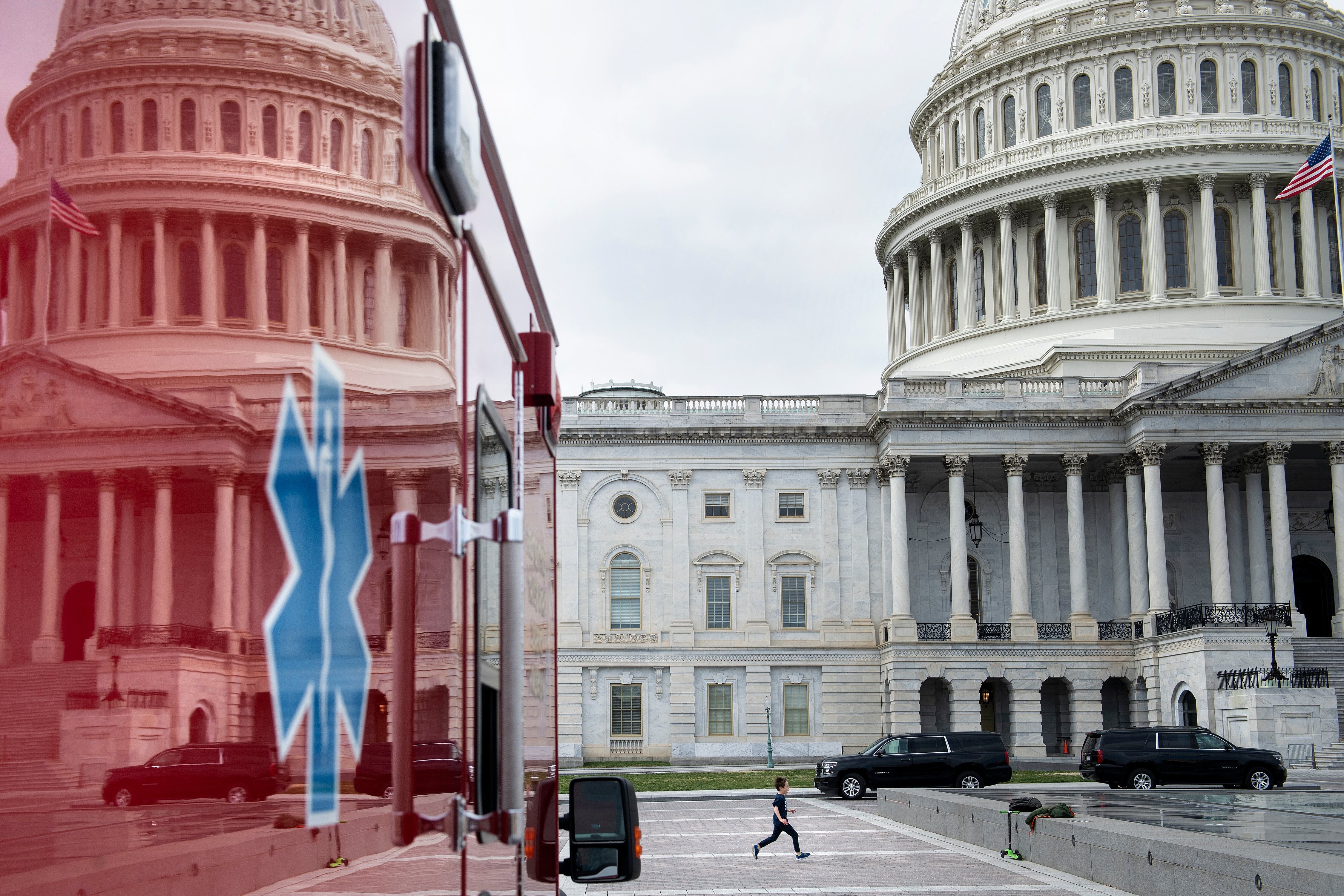
Each piece of legislation is long: 247 pages for the Senate bill and a whopping 1,404 pages for the House bill. While we cannot distill every provision, here’s a look at some of the major differences between the two pieces of legislation.
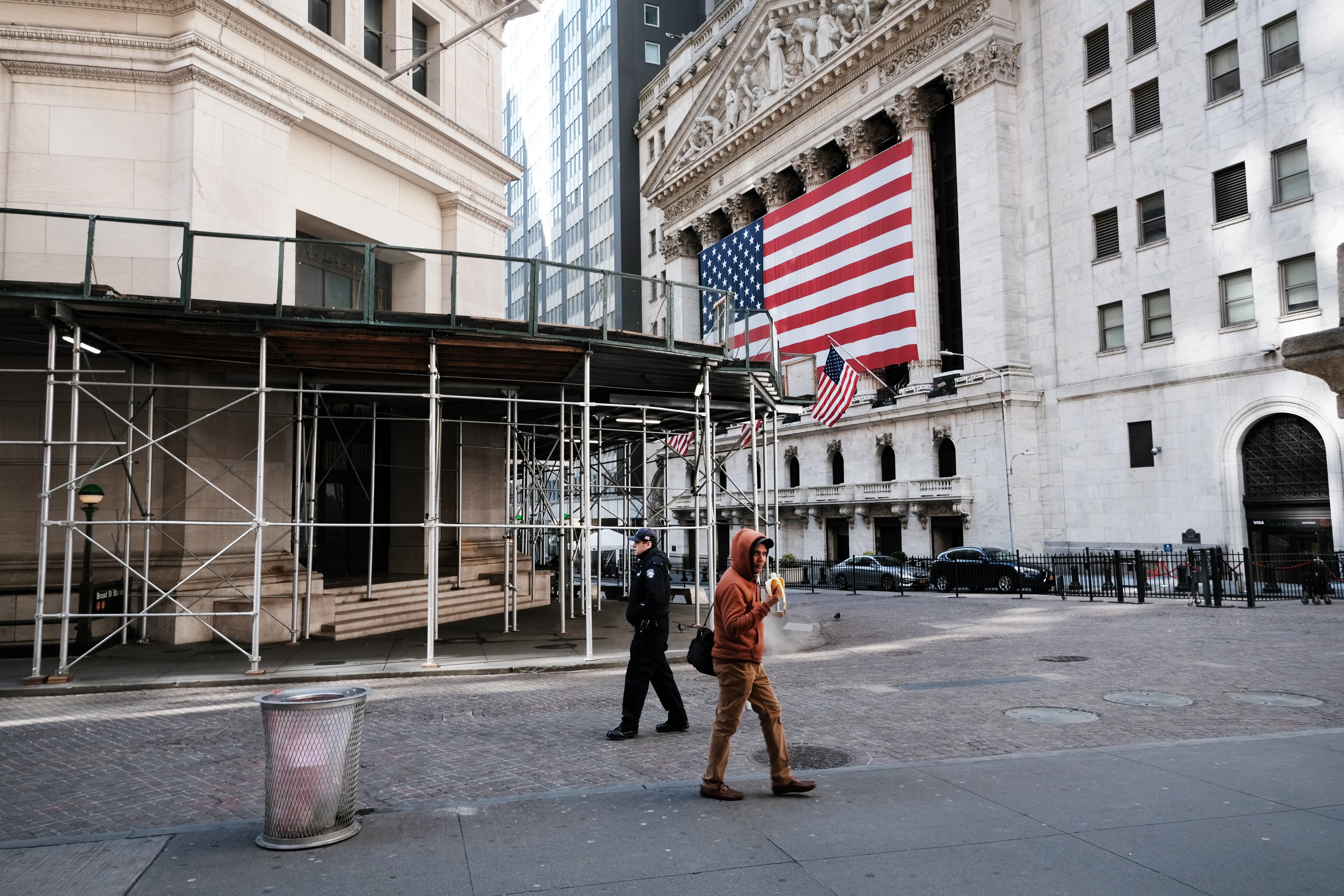
Stocks are jumping in midday trading on Wall Street Tuesday amid expectations that Congress is nearing a deal on a big coronavirus relief bill. That would follow more aggressive steps from the Federal Reserve announced a day earlier to support lending and bond markets.
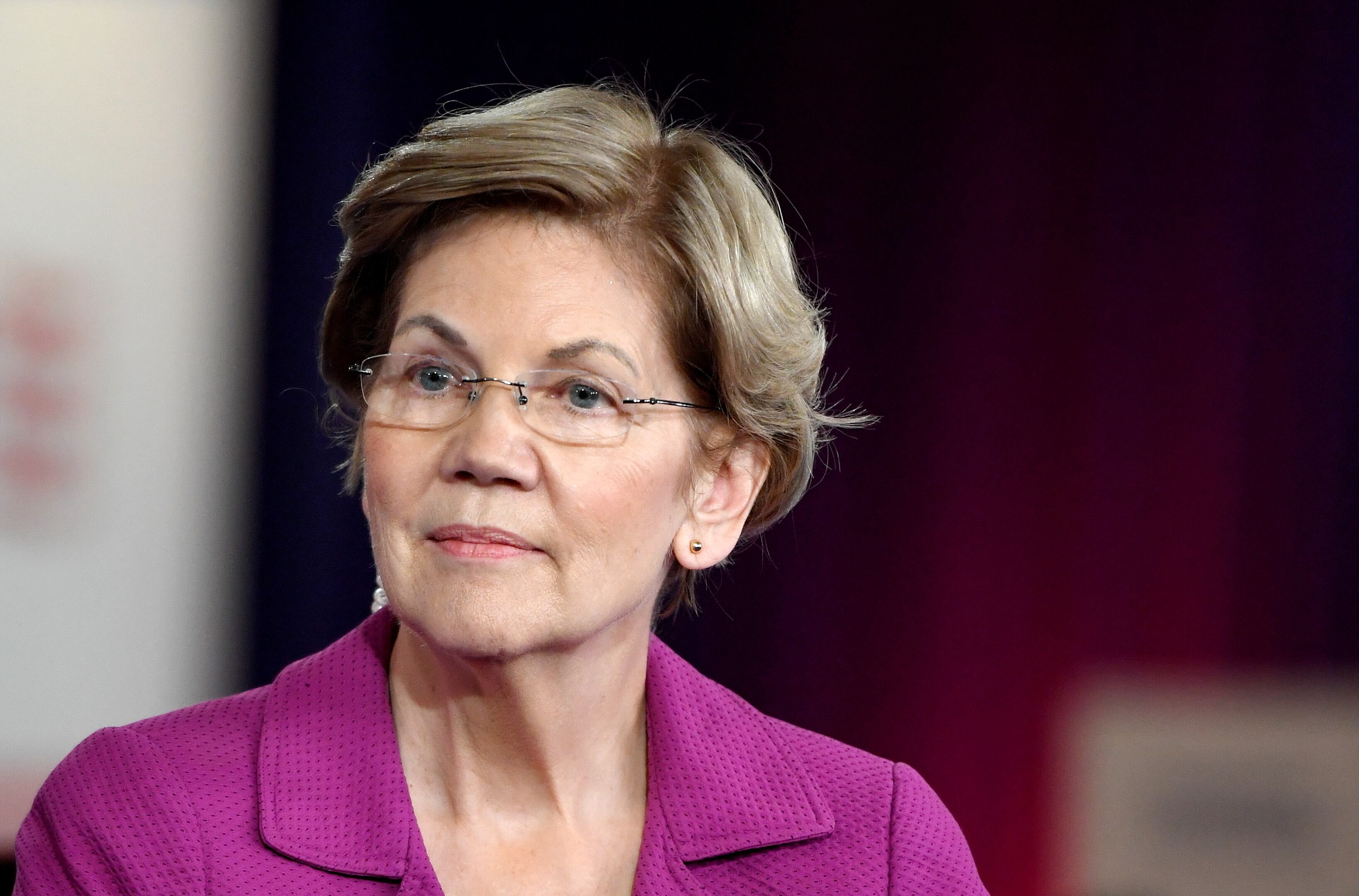
Q&A with Senator Elizabeth Warren on coronavirus response, easing student debt as the economy crashes, and how to get through this difficult time.
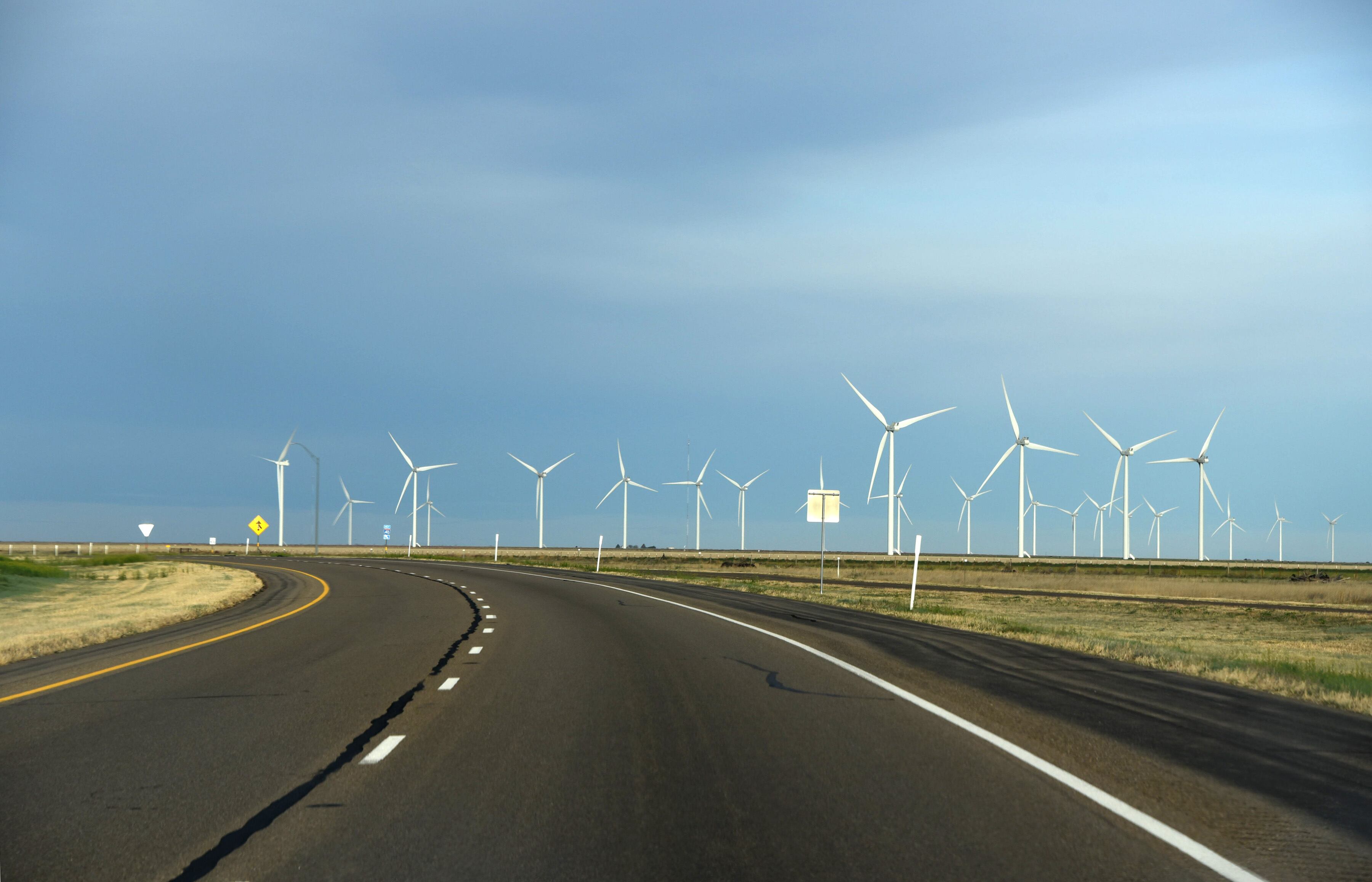
If a measure for fossil fuels is included, the groups insist, similar support should be extended to clean energy and electric vehicles, insiders tell Cheddar.
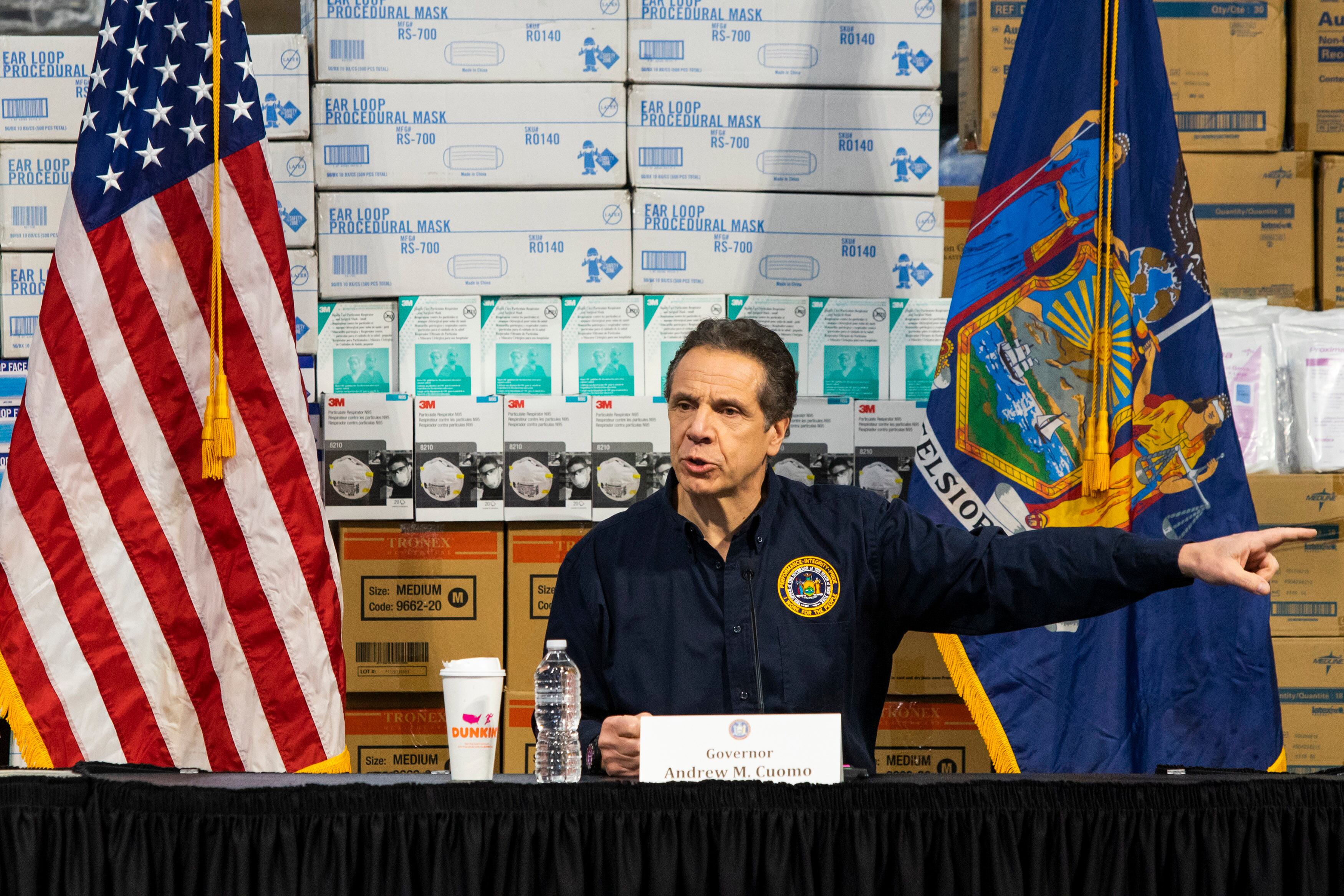
New York Governor Andrew Cuomo said new projections from health officials suggest instead of flattening, "the curve is increasing" and lambasted the federal government for its lack of action on distributing ventilators and for refraining from using the Defense Production Act.
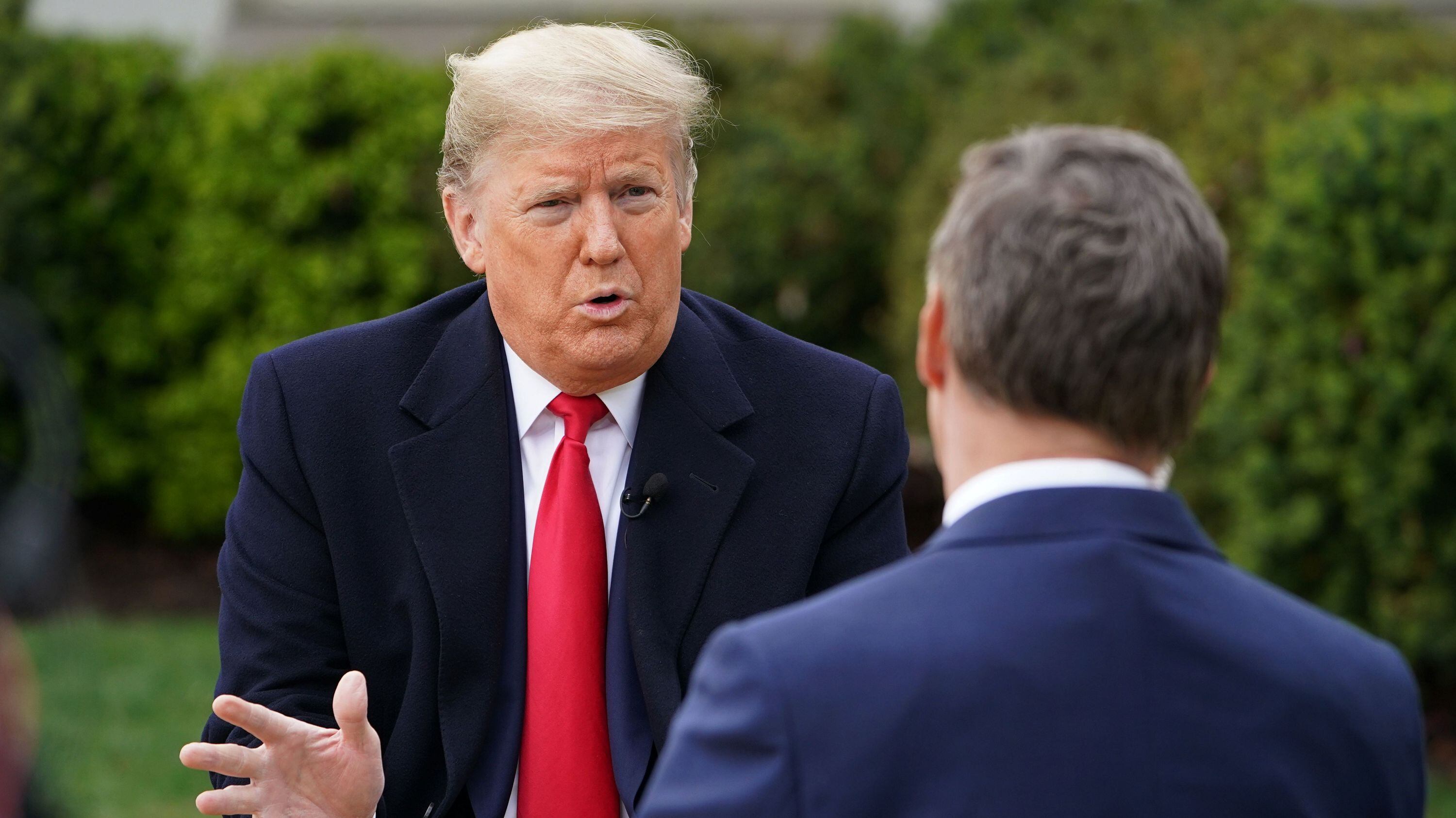
President Donald Trump is weighing how to refine nationwide social-distancing guidelines to put some workers back on the job amid the coronavirus outbreak.
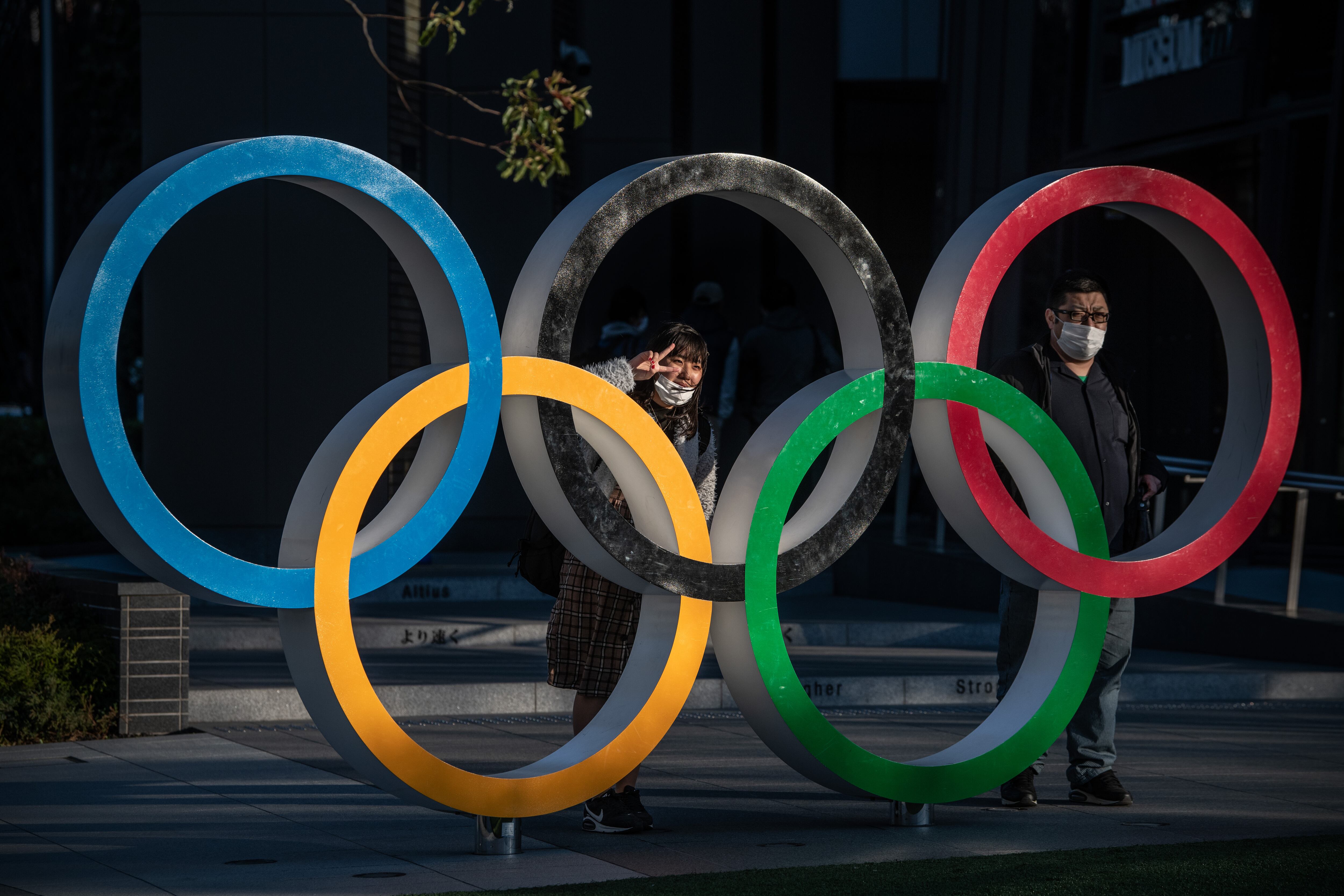
The IOC announced a first-of-its-kind postponement of the Summer Olympics on Tuesday, bowing to the realities of a coronavirus pandemic that is shutting down daily life around the globe and making planning for a massive worldwide gathering in July a virtual impossibility.
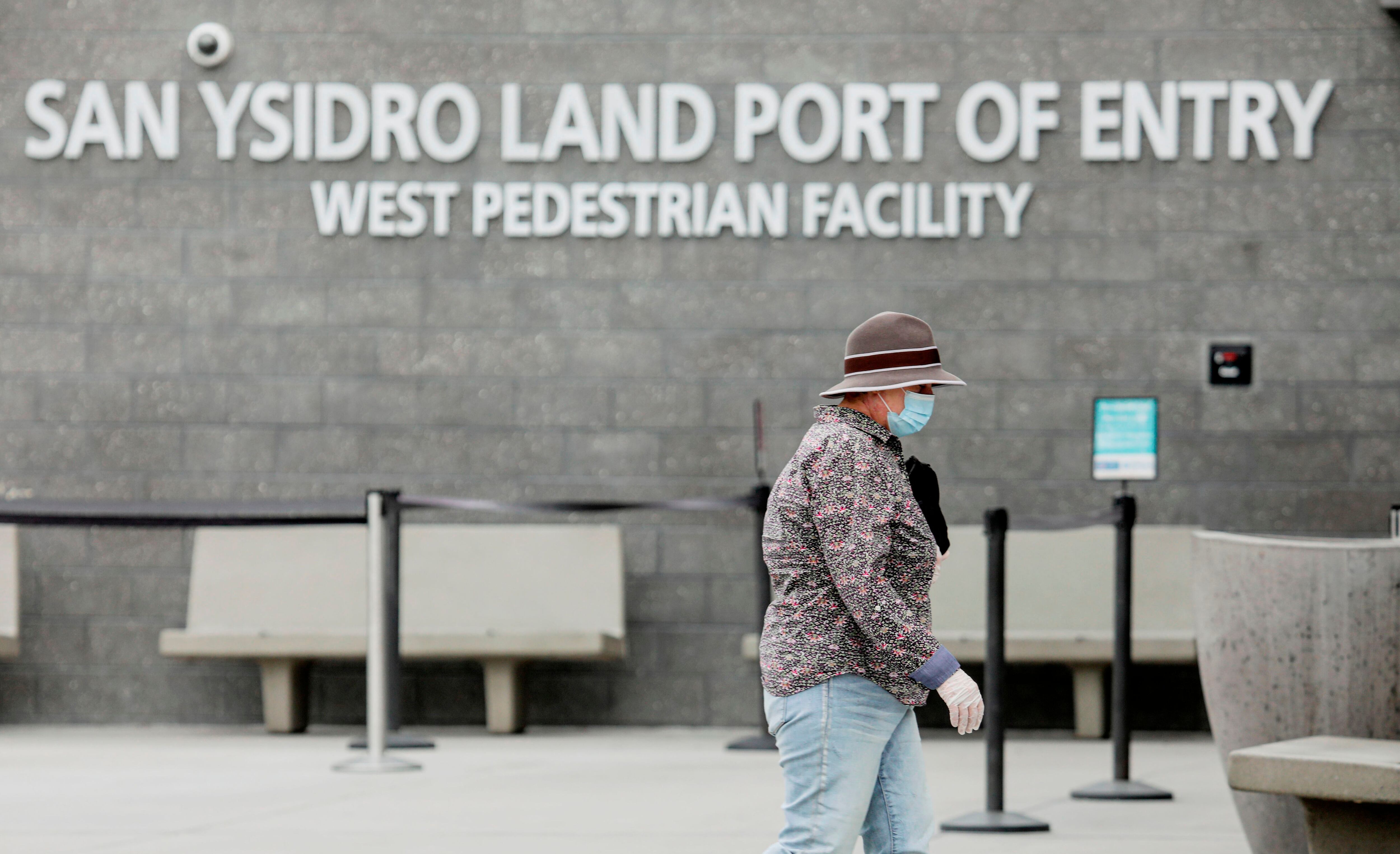
Andrea Flores, the deputy director of policy for the Equality Division of the American Civil Liberties Union, said the virus is weighing on the immigrant population.
That federal emergency stimulus check could be delivered to Americans through a new digital wallet maintained by your friendly neighborhood Federal Reserve member bank.
New York Senator and former presidential candidate Kirsten Gillibrand spoke with Cheddar on Monday about why she joined fellow Democratic lawmakers in opposing the latest $2 trillion stimulus bill.