Senator Kamala Harris, who was once seen as a top tier contender for the 2020 Democratic presidential nomination, dropped out of the race on Tuesday.
"I've taken stock and looked at this from every angle, and over the last few days have come to one of the hardest decisions of my life," the California senator wrote in a note to supporters. "My campaign for president simply doesn't have the financial resources we need to continue."
Harris spent the early days of her campaign as a promising candidate, rising as high as second place in the Real Clear Politics poll average in July, but has struggled with finances as well as reports of staff disorganization and infighting, according to the New York Times.
By November, she was polling in the low single digits and laid off her New Hampshire field team to increase her focus on Iowa's first-in-the-nation caucuses on February 3.
Though she had shifted focus to the Hawkeye State, she lacked the cash to run TV ads in Iowa, a state in which Harris had not run an ad in three months. Only recently, support for a super PAC made up of former aides to pay for advertising began to gain traction within the campaign.
Harris was one of seven candidates who had already qualified for the sixth debate, which will be held in her home state of California, before today's announcement.
The senator had started her campaign in front of a crowd of20,000 in Oakland, according to her campaign, and said she is withdrawing "with deep regret — but also with deep gratitude."
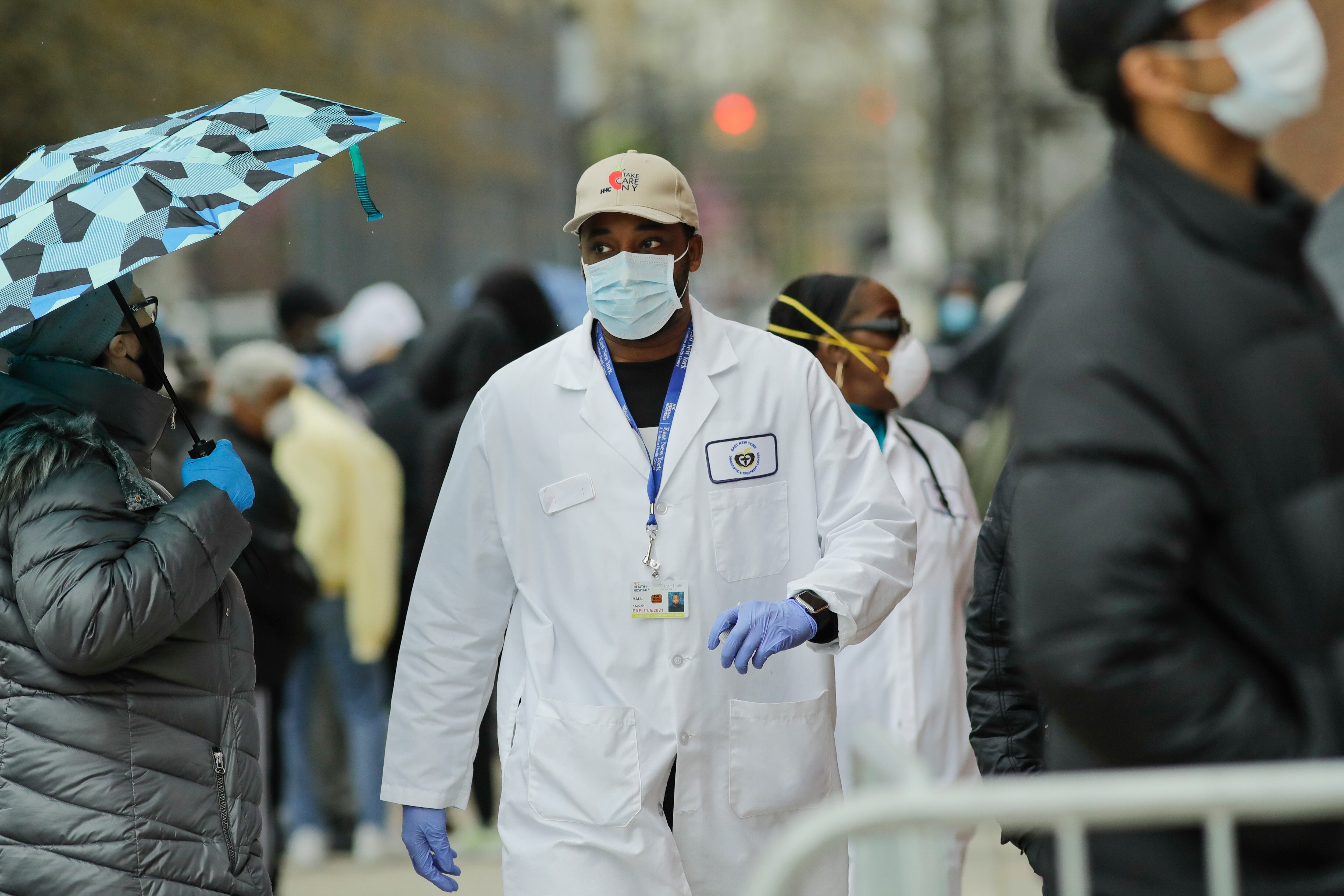
New York Gov. Andrew Cuomo said Thursday that a state survey of about 3,000 people found that 13.9% had antibodies suggesting they had been exposed to the virus.
Hart Island is a mile-long patch of land in the Long Island Sound off the coast of the Bronx, which normally slips under the radar for most New Yorkers. In recent weeks, the unassuming island made headlines after drones captured aerial images of workers loading simple caskets three-deep into trenches wide enough to fit over 100 bodies.
Congressman Barry Loudermilk (R-Ga. 11th District) supports the Georgia Gov. Brian Kemp's plan and says the state is prepared to deal with a possible resurgence.
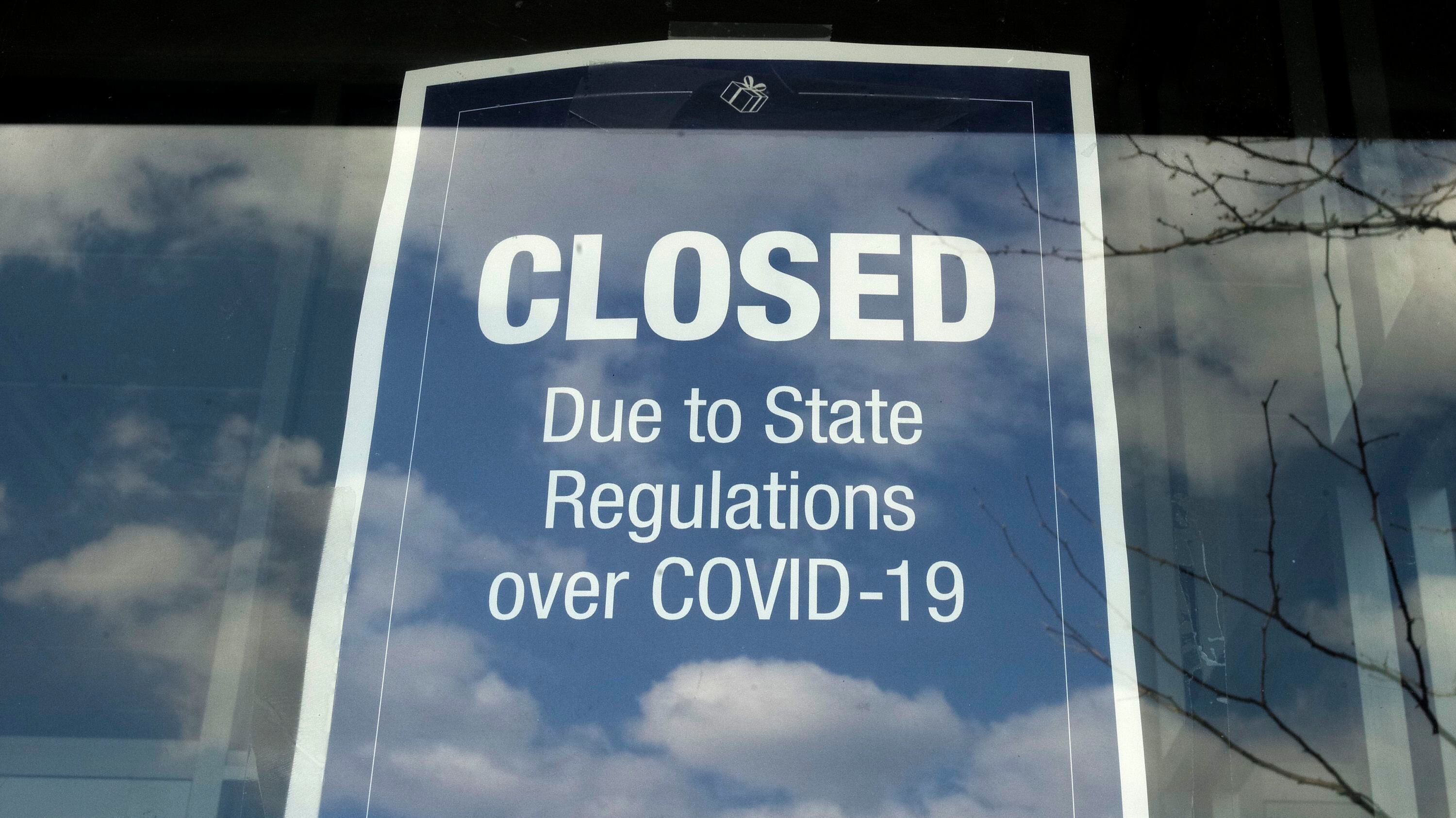
Stocks are pushing higher Thursday, even though the government said 4.4 million more workers filed for unemployment benefits last week.
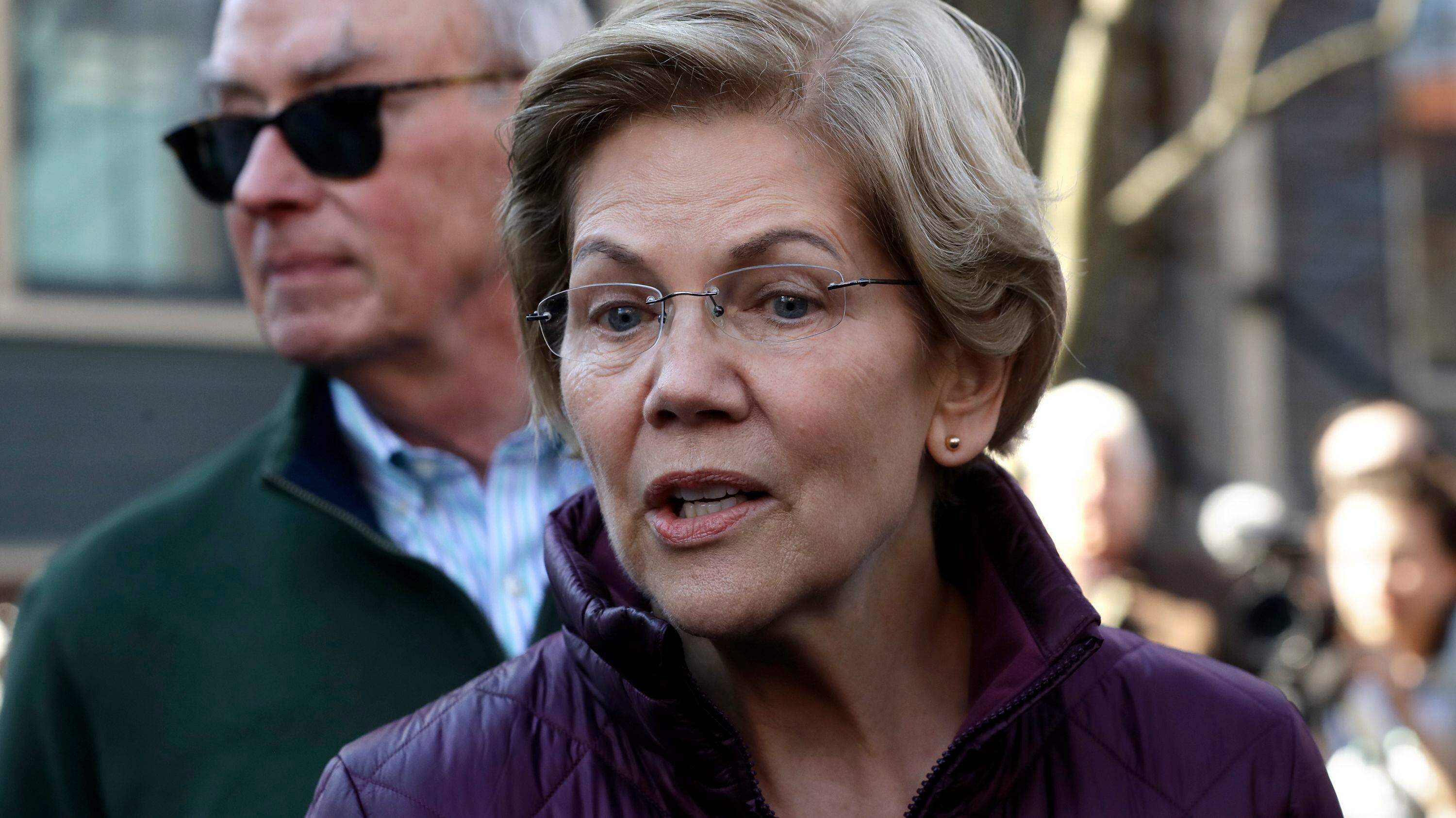
The oldest brother of Sen. Elizabeth Warren, Donald Reed Herring, has died from the coronavirus. The former Democratic presidential candidate said Thursday that her brother died Tuesday evening.
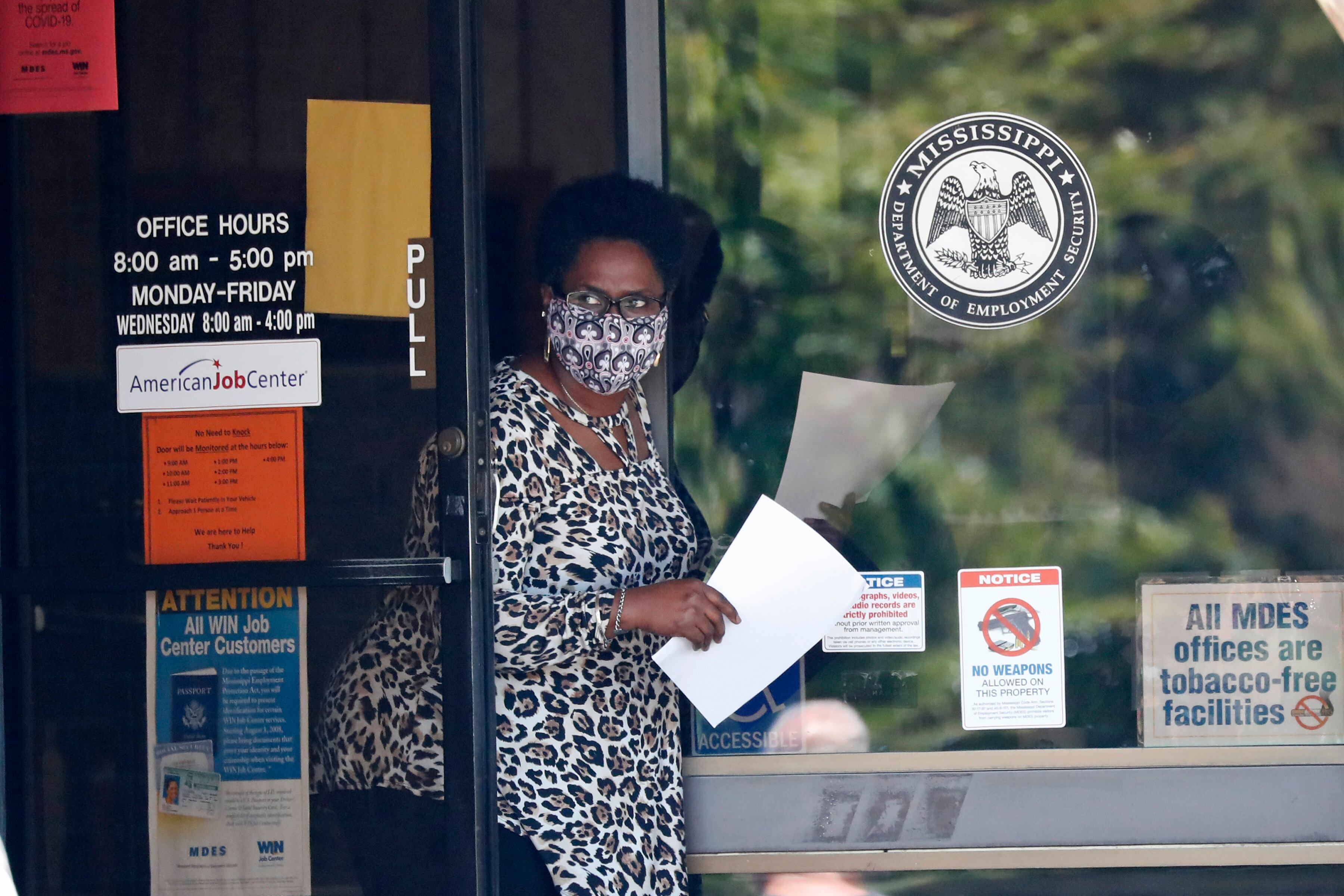
More than 4.4 million laid-off workers applied for U.S. unemployment benefits last week as job cuts escalated across an economy that remains all but shut down, the government said Thursday.
Stocks opened slightly higher Thursday, even after the government said 4.4 million more workers filed for unemployment benefits last week as layoffs sweep the economy.
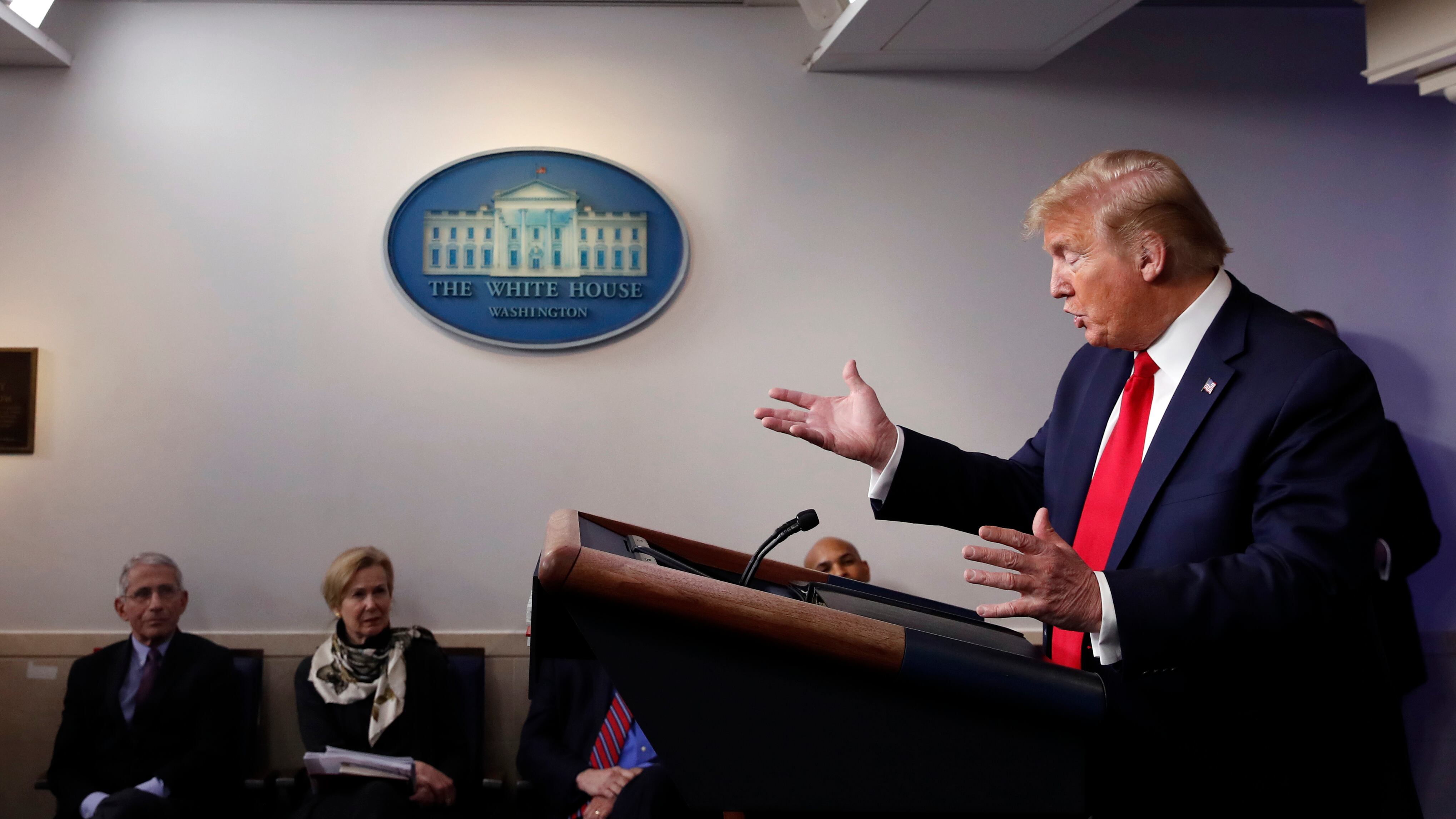
For weeks, the Trump administration played up the dangers of the coronavirus as it sought to convince Americans to disrupt their lives and stay home. Now, as President Donald Trump aims for a swift nationwide reopening, he faces a new challenge: Convincing people it’s safe to come out and resume their normal lives.
A new survey finds Americans remain overwhelmingly in favor of stay-at-home orders and other efforts to slow the spread of the coronavirus. A majority say it won’t be safe to lift such restrictions anytime soon. T
Stocks are closing higher on Wall Street after two days of losses, and the price of oil burst higher a day after a historic plunge.