Senator Kamala Harris, who was once seen as a top tier contender for the 2020 Democratic presidential nomination, dropped out of the race on Tuesday.
"I've taken stock and looked at this from every angle, and over the last few days have come to one of the hardest decisions of my life," the California senator wrote in a note to supporters. "My campaign for president simply doesn't have the financial resources we need to continue."
Harris spent the early days of her campaign as a promising candidate, rising as high as second place in the Real Clear Politics poll average in July, but has struggled with finances as well as reports of staff disorganization and infighting, according to the New York Times.
By November, she was polling in the low single digits and laid off her New Hampshire field team to increase her focus on Iowa's first-in-the-nation caucuses on February 3.
Though she had shifted focus to the Hawkeye State, she lacked the cash to run TV ads in Iowa, a state in which Harris had not run an ad in three months. Only recently, support for a super PAC made up of former aides to pay for advertising began to gain traction within the campaign.
Harris was one of seven candidates who had already qualified for the sixth debate, which will be held in her home state of California, before today's announcement.
The senator had started her campaign in front of a crowd of20,000 in Oakland, according to her campaign, and said she is withdrawing "with deep regret — but also with deep gratitude."
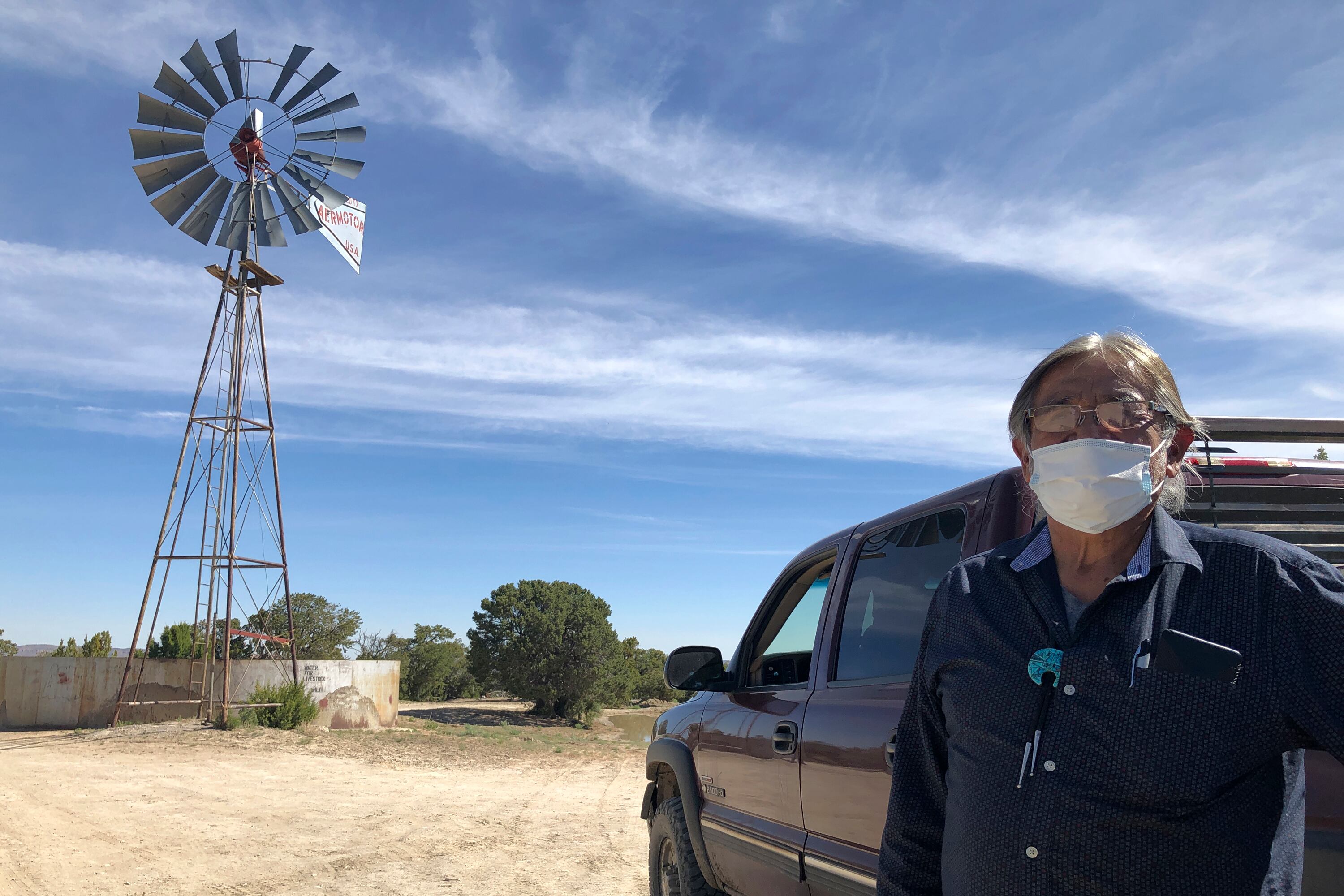
Even as some states begin the process of reopening their economies, Native American tribes are dealing with disproportionate challenges during the pandemic. The Navajo Nation, in particular, has suffered greatly. "The native communities are the ones that are suffering the most from the virus," former New Mexico Governor Bill Richardson told Cheddar. "Close to 30 to 40 percent of those that are afflicted are tribal members, especially the Navajo Nation."
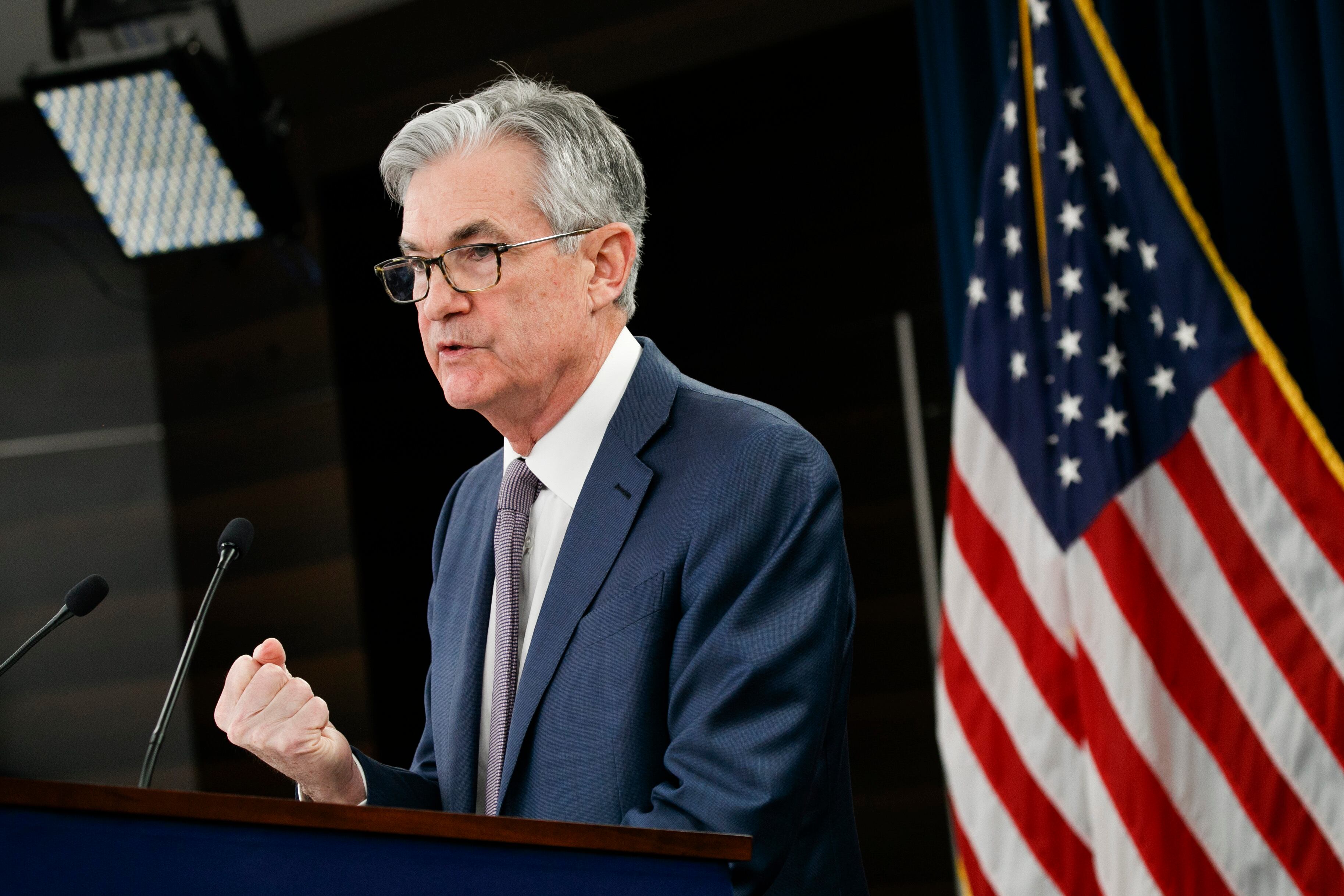
Federal Reserve Chair Jerome Powell said Tuesday that the central bank’s lending programs for medium-sized businesses and state and local governments will be operational by the end of this month.
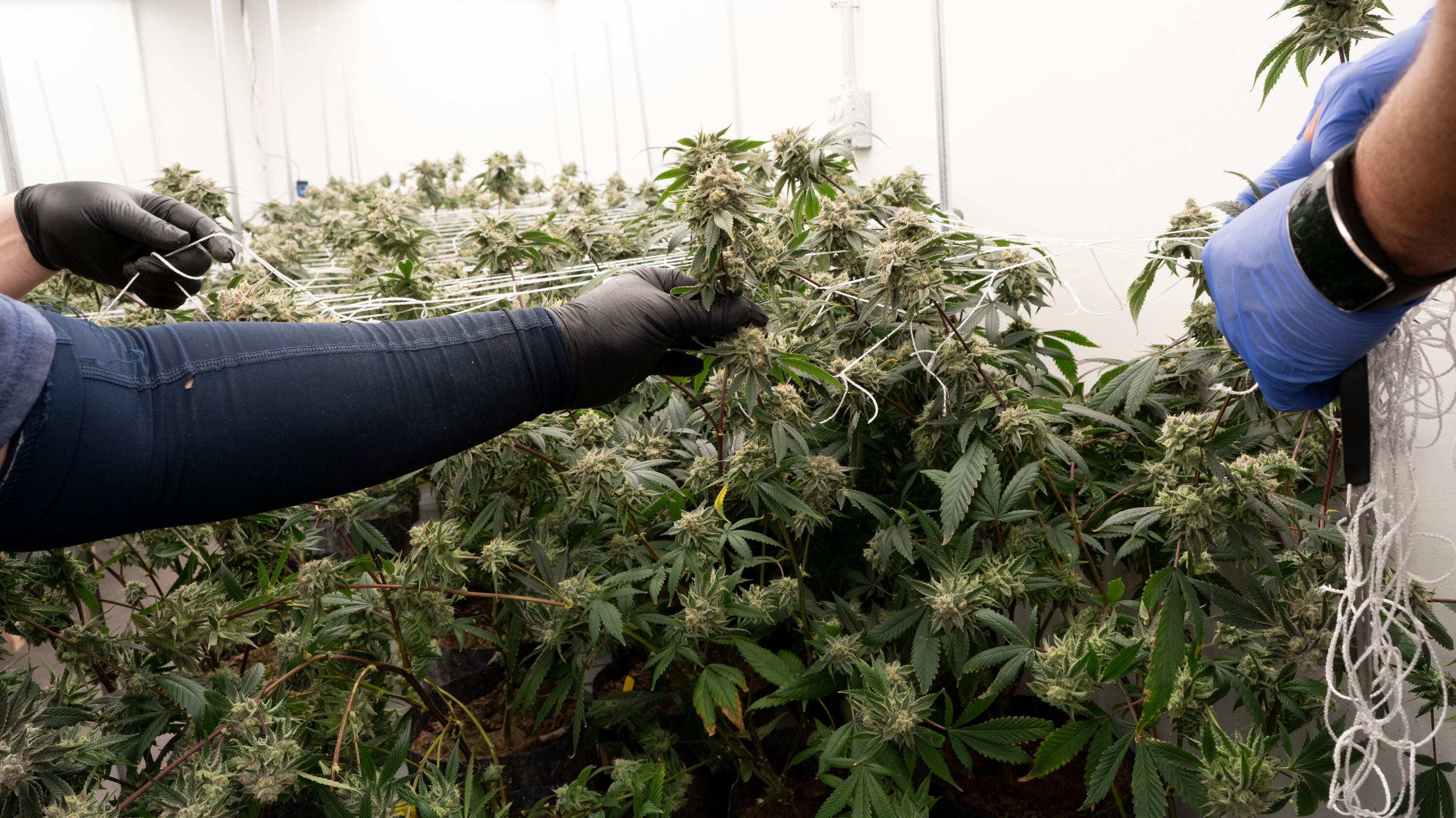
The U.S. House of Representatives narrowly approved a $3 trillion coronavirus stimulus bill on Friday that includes provisions for cannabis banking, even as opposition to the measure builds in the Republican-controlled Senate.
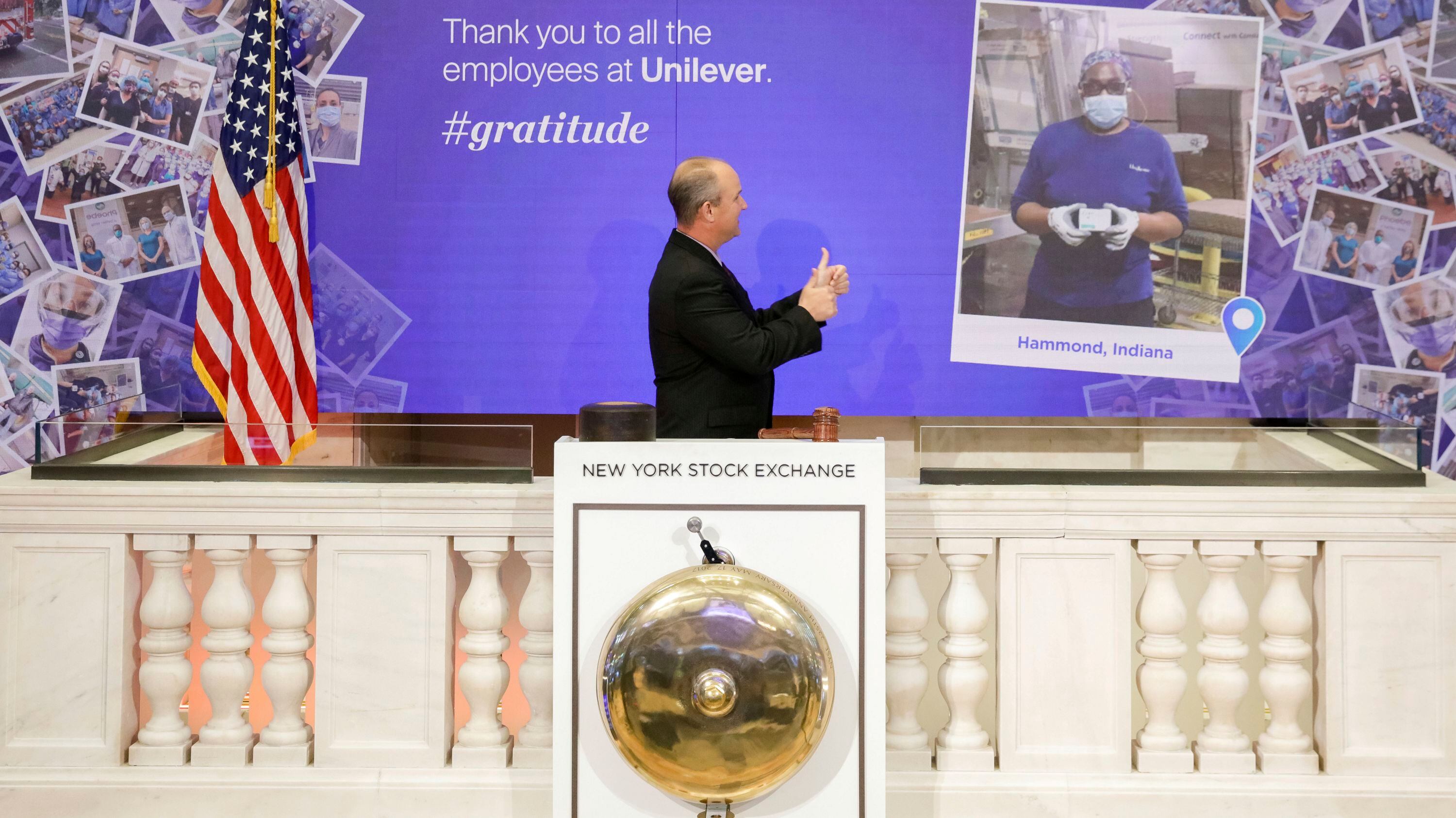
Stocks are mixed in early trading on Wall Street Tuesday, a day after the market had its biggest jump in more than five weeks.
Director of the Rhode Island Labor Department, Scott Jensen discussed how Amazon's tech aided the state amid the widespread unemployment during the pandemic.
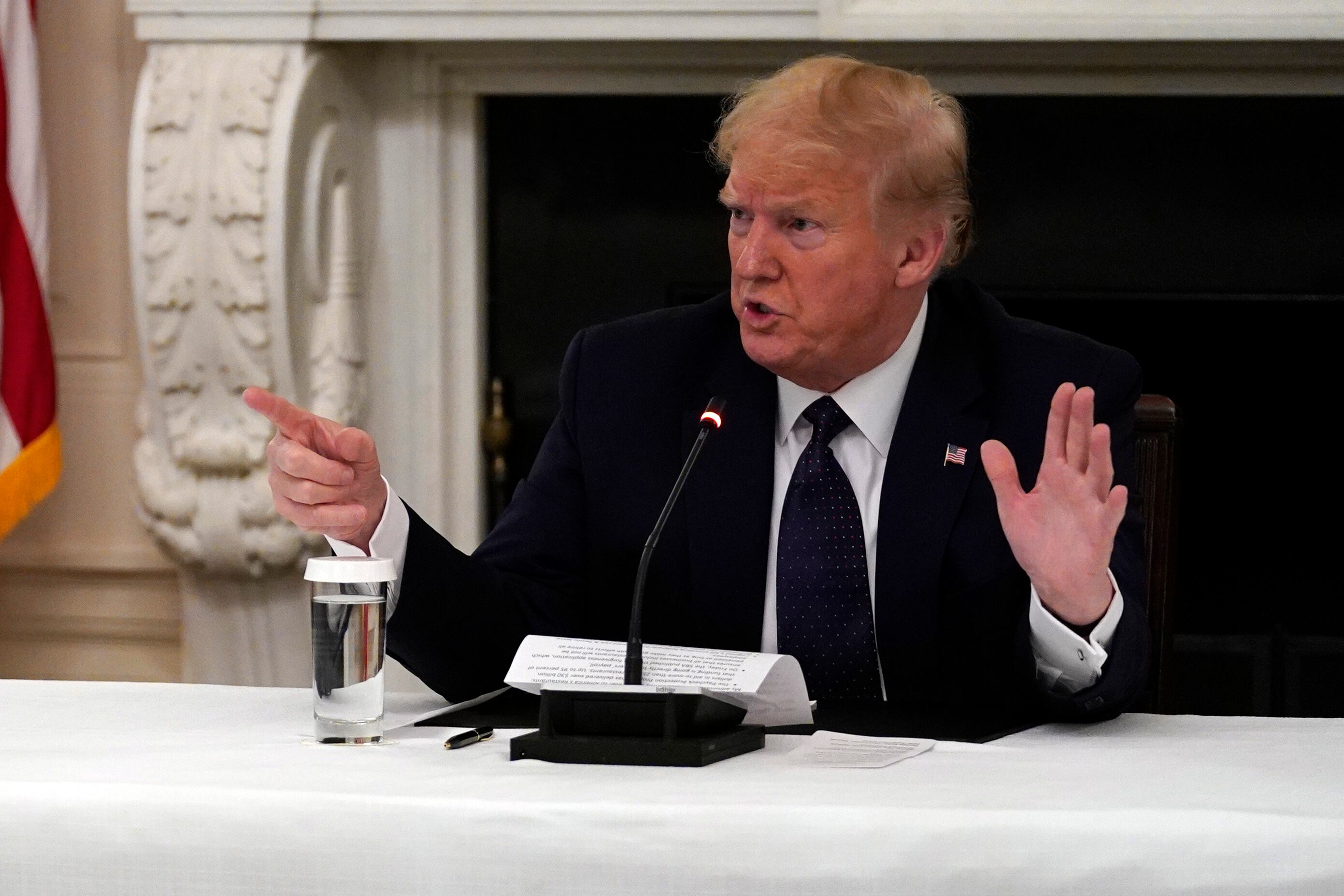
President Donald Trump said Monday that he is taking a malaria drug to lessen symptoms should he get the new coronavirus, even though the drug is unproven for fighting COVID-19.
As large swaths of New York begin to reopen this weekend, mayors and local officials across the state are feeling the squeeze from budget cuts, furloughs, and frustrated constituents.
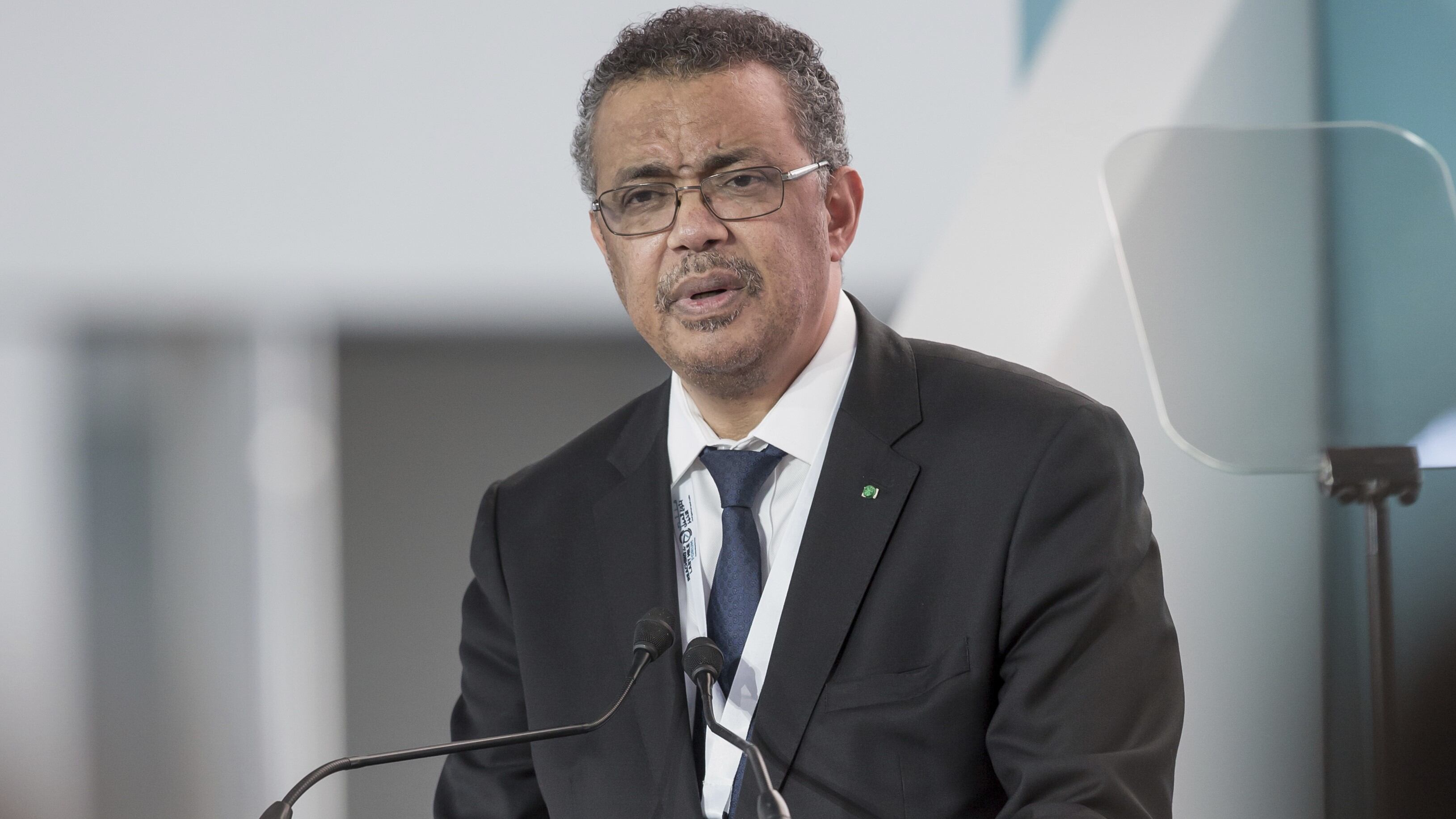
WHO Director-General Tedros Adhanom Ghebreyesus says he will begin an independent evaluation of the U.N. health agency’s response to the coronavirus pandemic “at the earliest appropriate moment.”
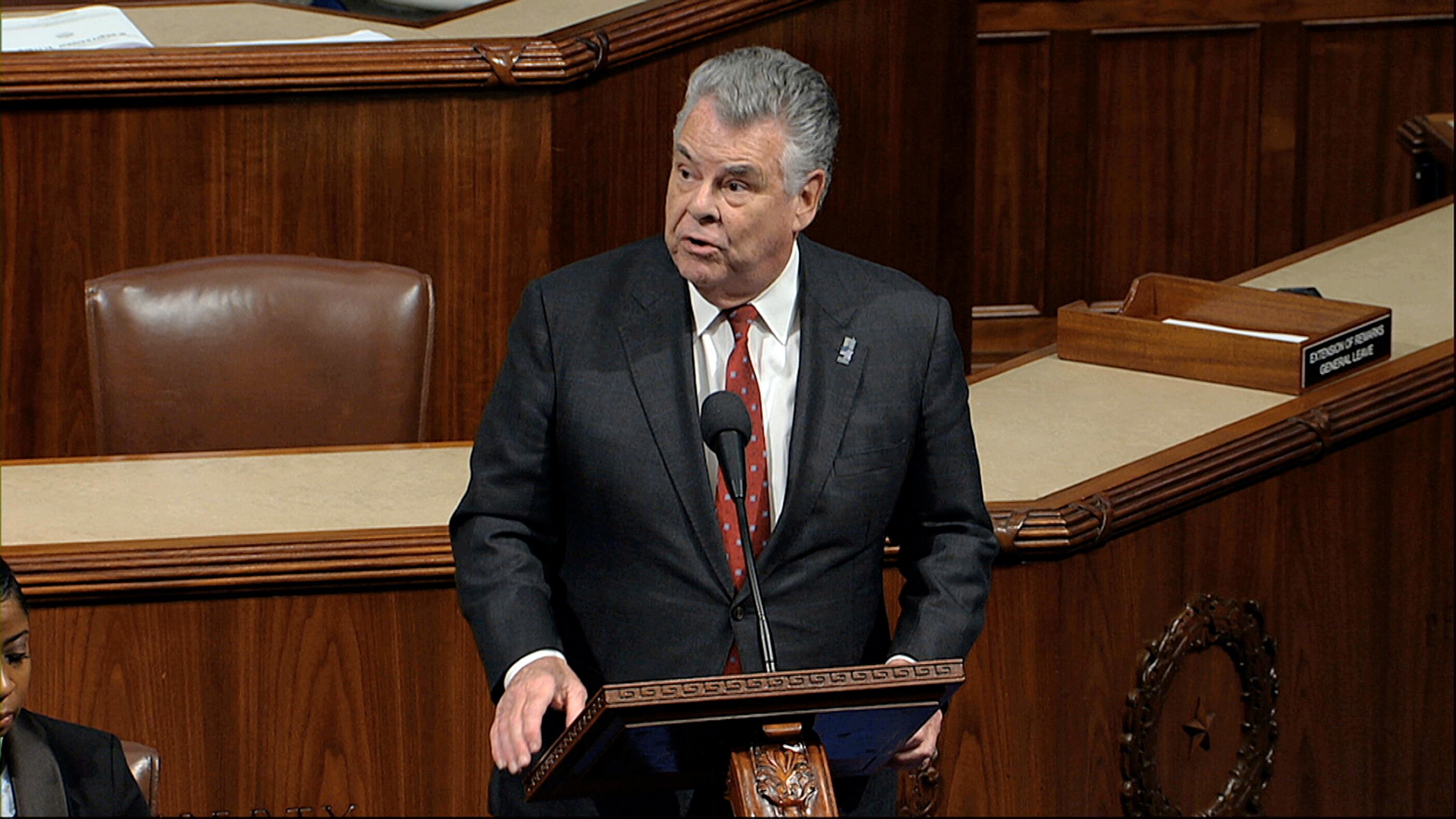
Congressman Peter King (R-N.Y. 2nd District) tells Cheddar exclusively that he plans to vote in favor of the $3 trillion coronavirus relief bill introduced by Democratic Speaker of the House Nancy Pelosi earlier this week.
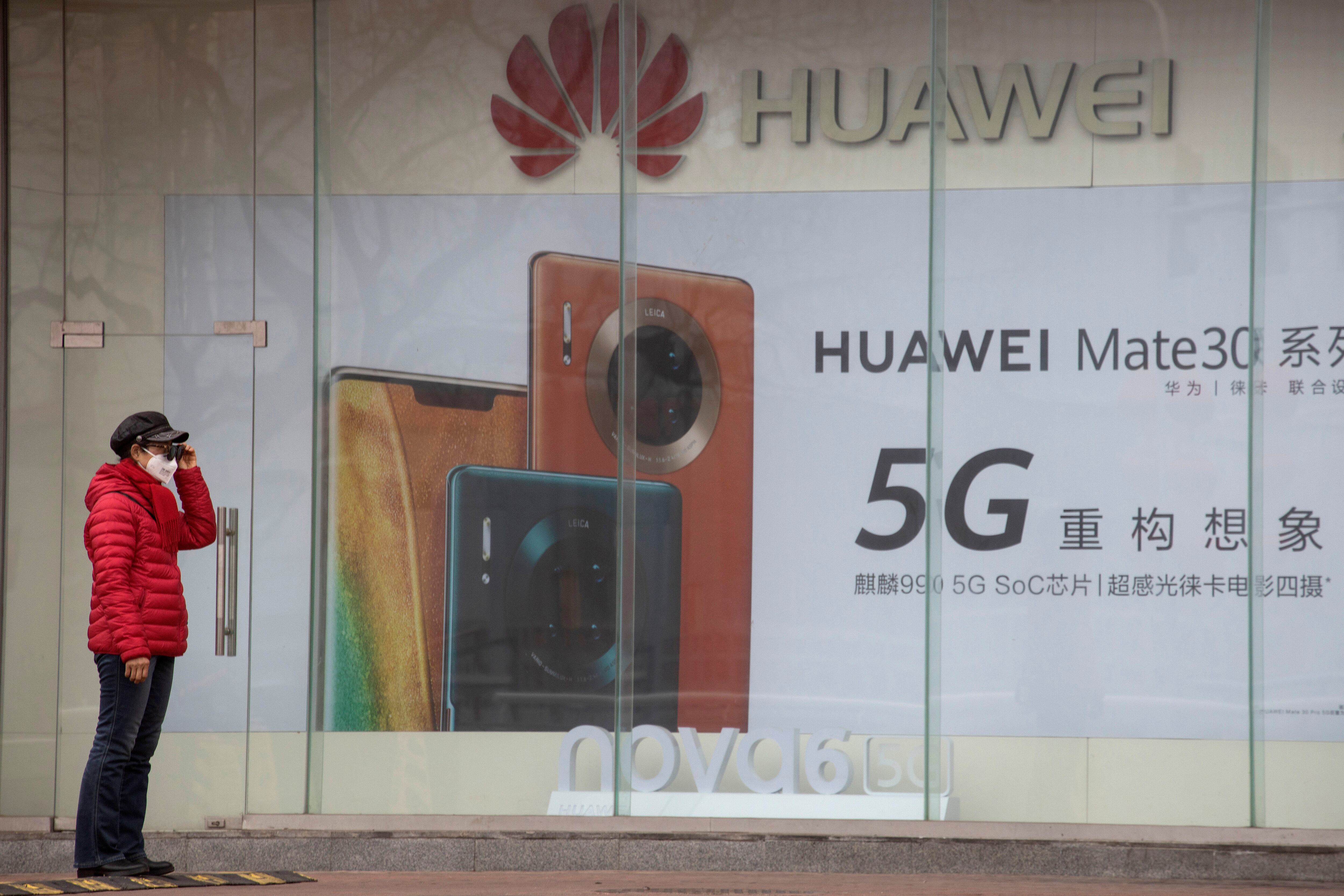
The U.S. government is imposing new restrictions on Chinese tech giant Huawei by limiting its ability to use American technology to build its semiconductors.