Senator Kamala Harris, who was once seen as a top tier contender for the 2020 Democratic presidential nomination, dropped out of the race on Tuesday.
"I've taken stock and looked at this from every angle, and over the last few days have come to one of the hardest decisions of my life," the California senator wrote in a note to supporters. "My campaign for president simply doesn't have the financial resources we need to continue."
Harris spent the early days of her campaign as a promising candidate, rising as high as second place in the Real Clear Politics poll average in July, but has struggled with finances as well as reports of staff disorganization and infighting, according to the New York Times.
By November, she was polling in the low single digits and laid off her New Hampshire field team to increase her focus on Iowa's first-in-the-nation caucuses on February 3.
Though she had shifted focus to the Hawkeye State, she lacked the cash to run TV ads in Iowa, a state in which Harris had not run an ad in three months. Only recently, support for a super PAC made up of former aides to pay for advertising began to gain traction within the campaign.
Harris was one of seven candidates who had already qualified for the sixth debate, which will be held in her home state of California, before today's announcement.
The senator had started her campaign in front of a crowd of20,000 in Oakland, according to her campaign, and said she is withdrawing "with deep regret — but also with deep gratitude."
Michigan Secretary of State Jocelyn Benson pushed back against President Trump's attacks on mail-in voting, which have continued for days, leading Twitter to put up its first fact checks on the president's account.
The House has passed an overwhelmingly bipartisan measure to modify a new “paycheck protection” program for businesses that have suffered COVID-related losses.
The government figures underscore the continuing damage to businesses and livelihoods from the outbreak that has now killed at least 100,000 people in the U.S.
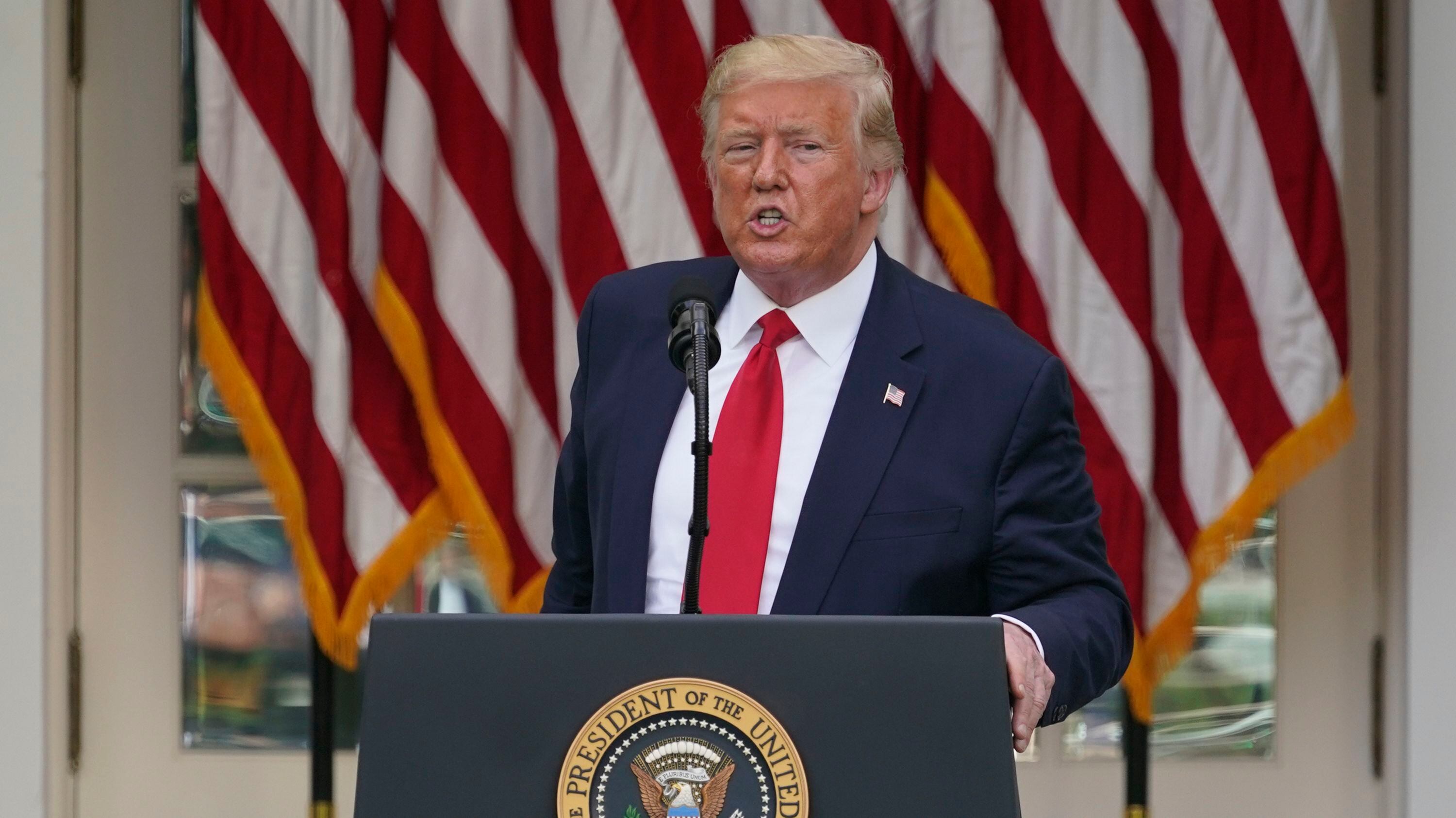
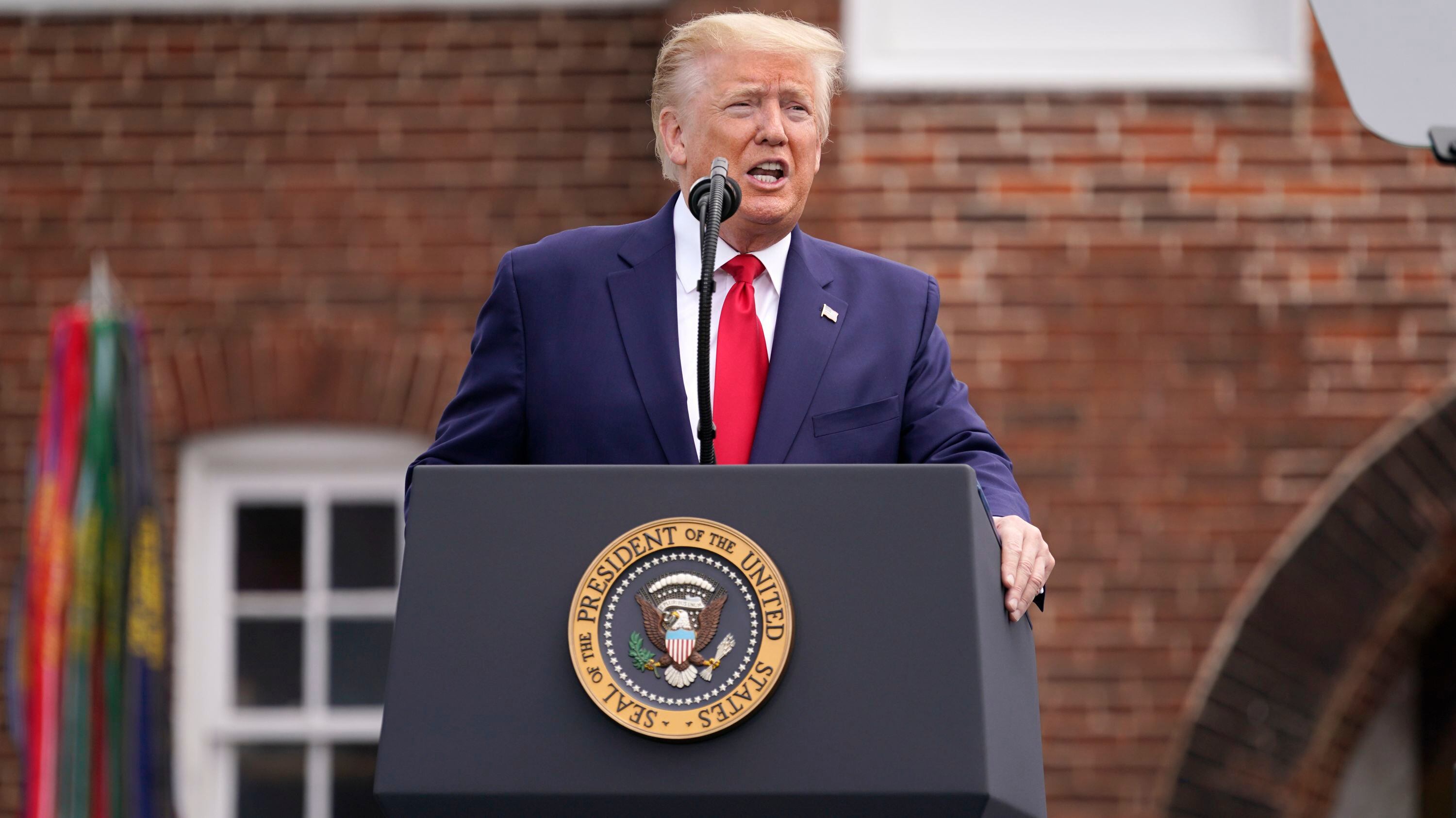
President Donald Trump is threatening social media companies with new regulation or even closure after Twitter added fact checks to two of his tweets.
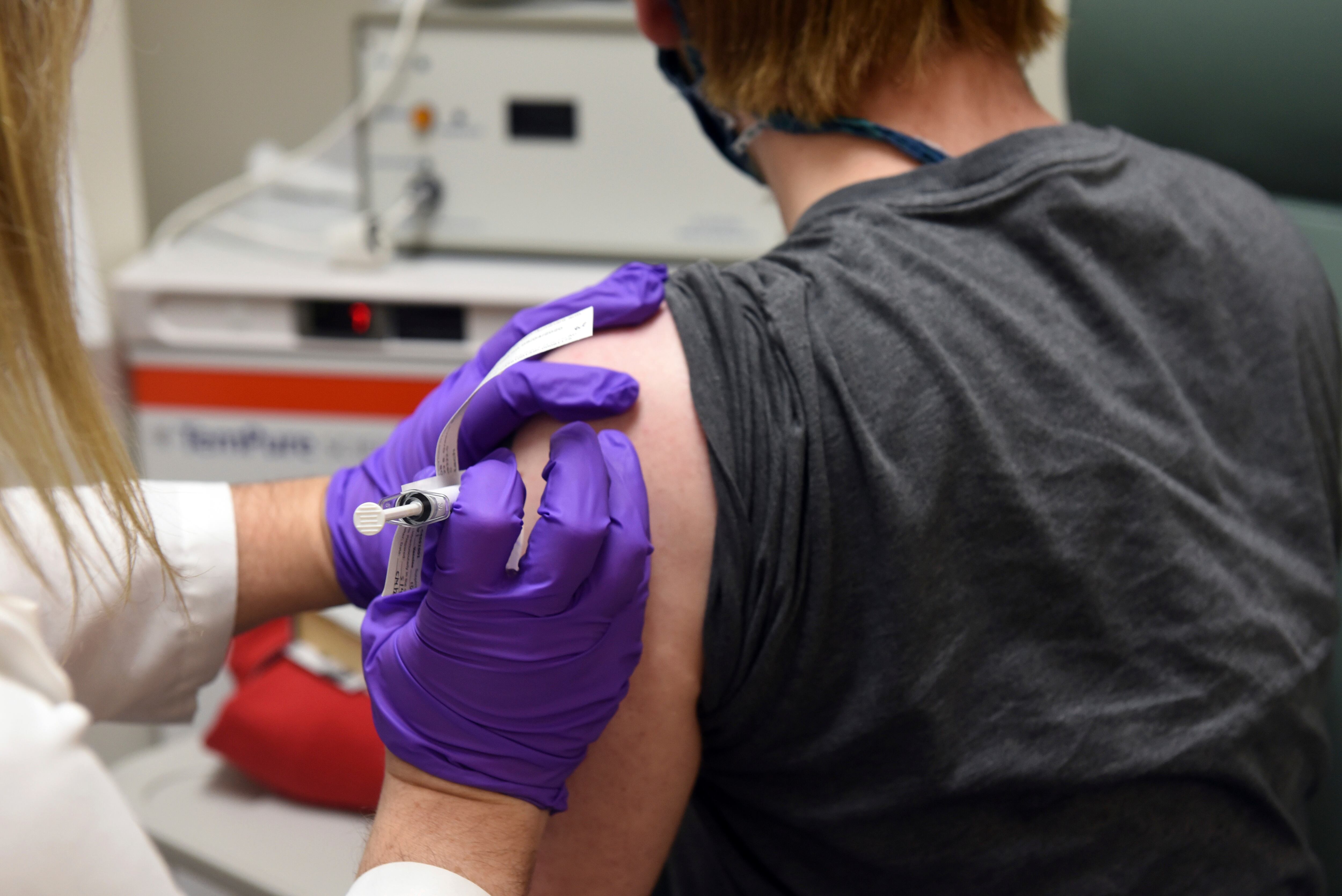
Only about half of Americans say they would get a COVID-19 vaccine if the scientists working furiously to create one succeed.
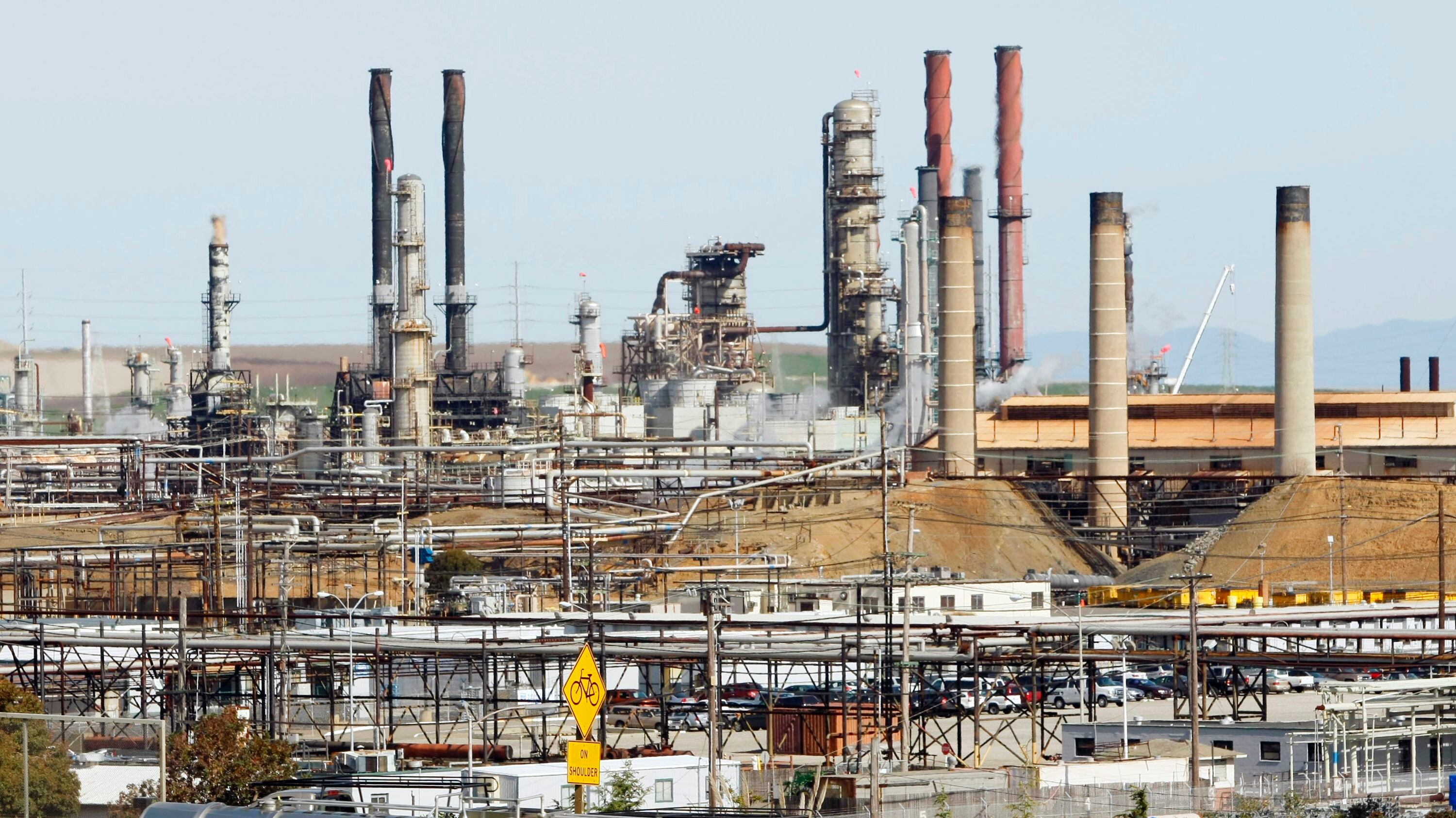
A U.S. appeals court has ruled against major oil companies in lawsuits brought by California cities and counties seeking damages for climate change.
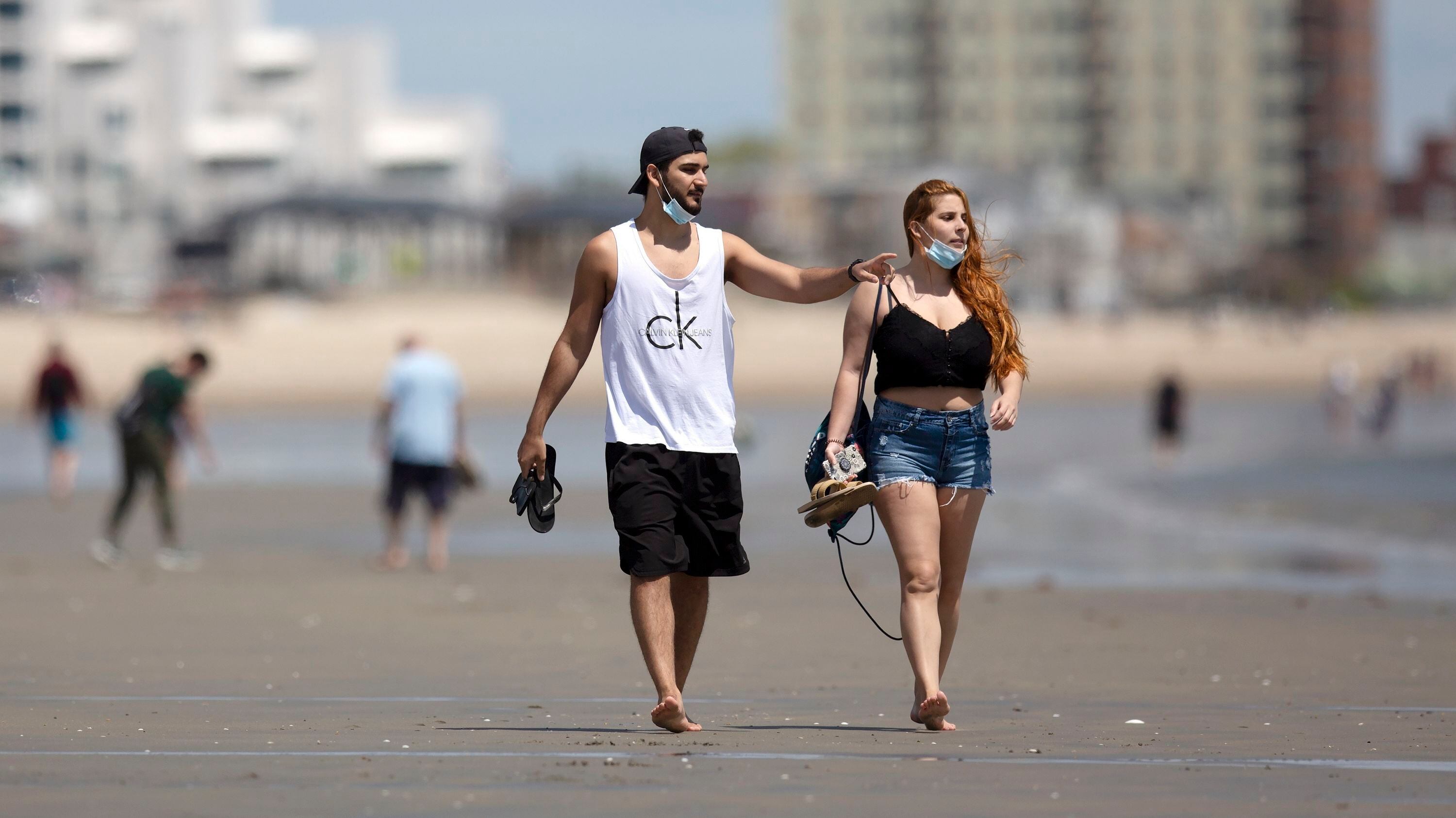
While much of the U.S. remains shuttered, state and local leaders in waterfront communities are beginning to allow beaches, boardwalks, and coastal businesses to open on a limited basis.
Georgia Gov. Brian Kemp is lobbying for the Republican National Convention to be moved to his state, a day after President Donald Trump demanded assurances from North Carolina’s Democratic governor that the convention can go forward in August despite coronavirus fears.
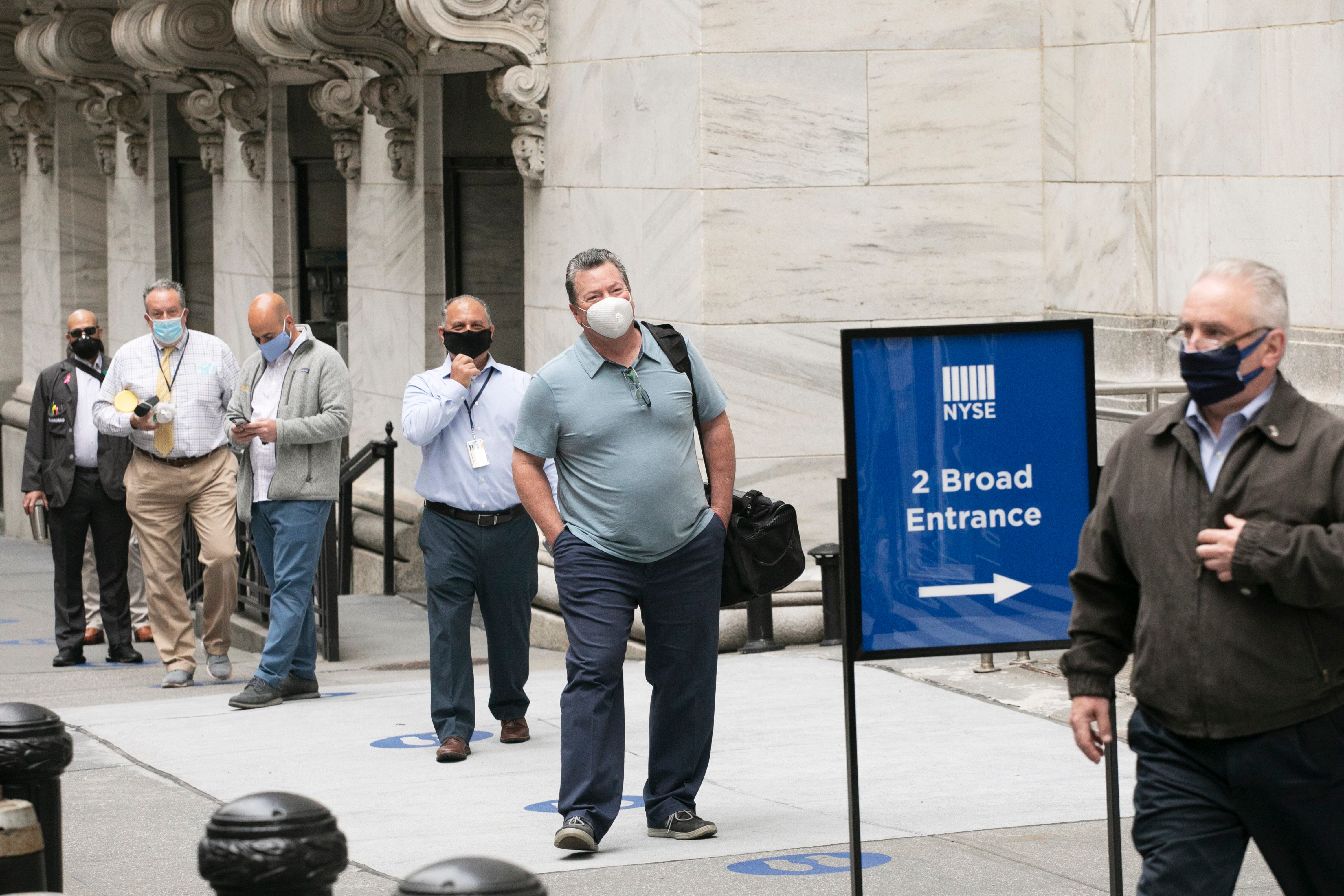
The trading floor of the New York Stock Exchange is reopening for the first time in two months, but it doesn't look — or sound — the same.
From Wall Street to Silicon Valley, these are the top stories that moved markets and had investors, business leaders, and entrepreneurs talking this week on Cheddar.