Senator Kamala Harris, who was once seen as a top tier contender for the 2020 Democratic presidential nomination, dropped out of the race on Tuesday.
"I've taken stock and looked at this from every angle, and over the last few days have come to one of the hardest decisions of my life," the California senator wrote in a note to supporters. "My campaign for president simply doesn't have the financial resources we need to continue."
Harris spent the early days of her campaign as a promising candidate, rising as high as second place in the Real Clear Politics poll average in July, but has struggled with finances as well as reports of staff disorganization and infighting, according to the New York Times.
By November, she was polling in the low single digits and laid off her New Hampshire field team to increase her focus on Iowa's first-in-the-nation caucuses on February 3.
Though she had shifted focus to the Hawkeye State, she lacked the cash to run TV ads in Iowa, a state in which Harris had not run an ad in three months. Only recently, support for a super PAC made up of former aides to pay for advertising began to gain traction within the campaign.
Harris was one of seven candidates who had already qualified for the sixth debate, which will be held in her home state of California, before today's announcement.
The senator had started her campaign in front of a crowd of20,000 in Oakland, according to her campaign, and said she is withdrawing "with deep regret — but also with deep gratitude."
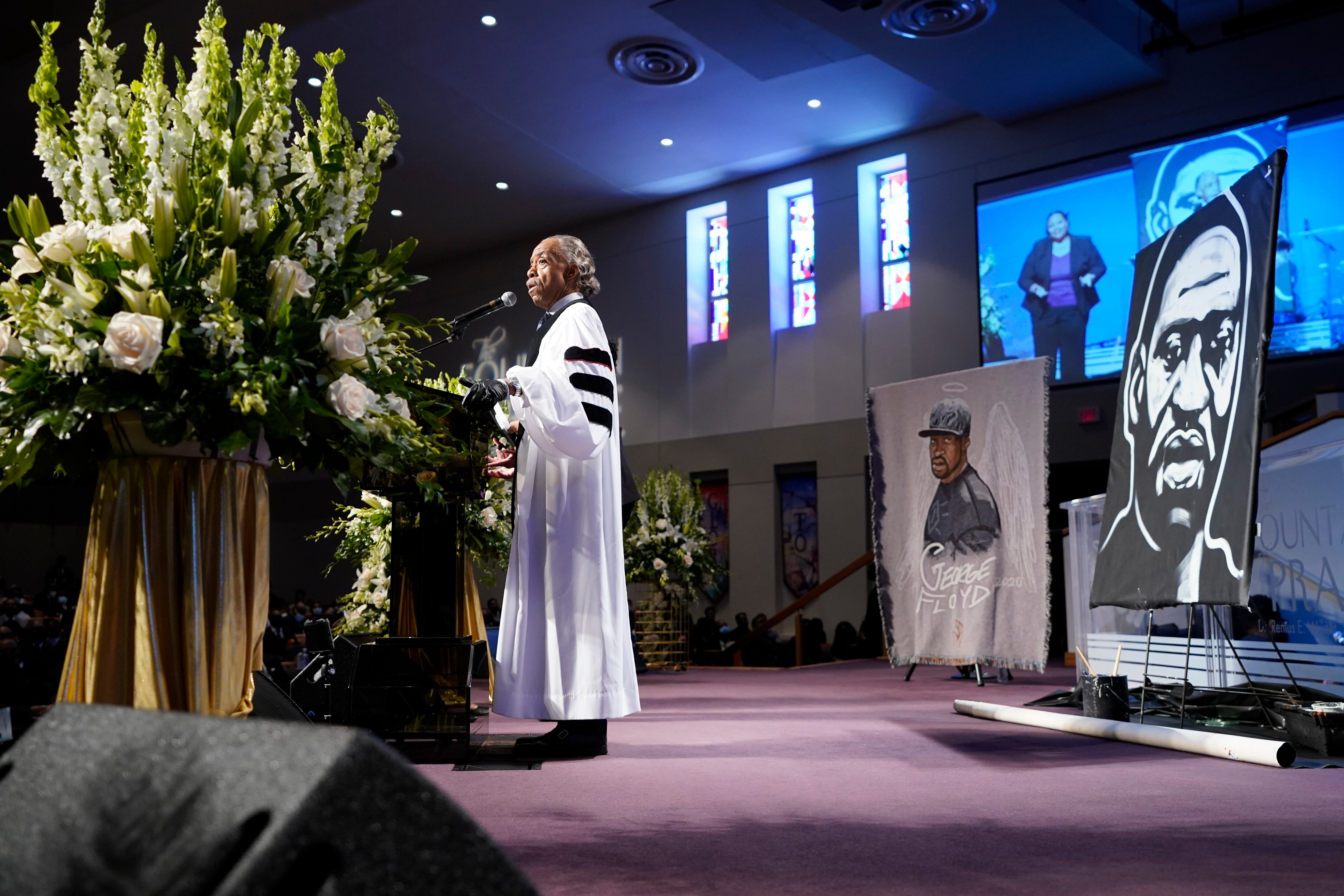
Hundreds of mourners packed a Houston church Tuesday for the funeral of George Floyd, the black man whose death has inspired a worldwide reckoning over racial injustice.
IBM says it is getting out of the facial recognition business over concern about how it can be used for mass surveillance and racial profiling.
Janee Harteau, former Minneapolis police chief, talks disbanding police dept in Minneapolis and how we can effectively reform policing in the U.S.
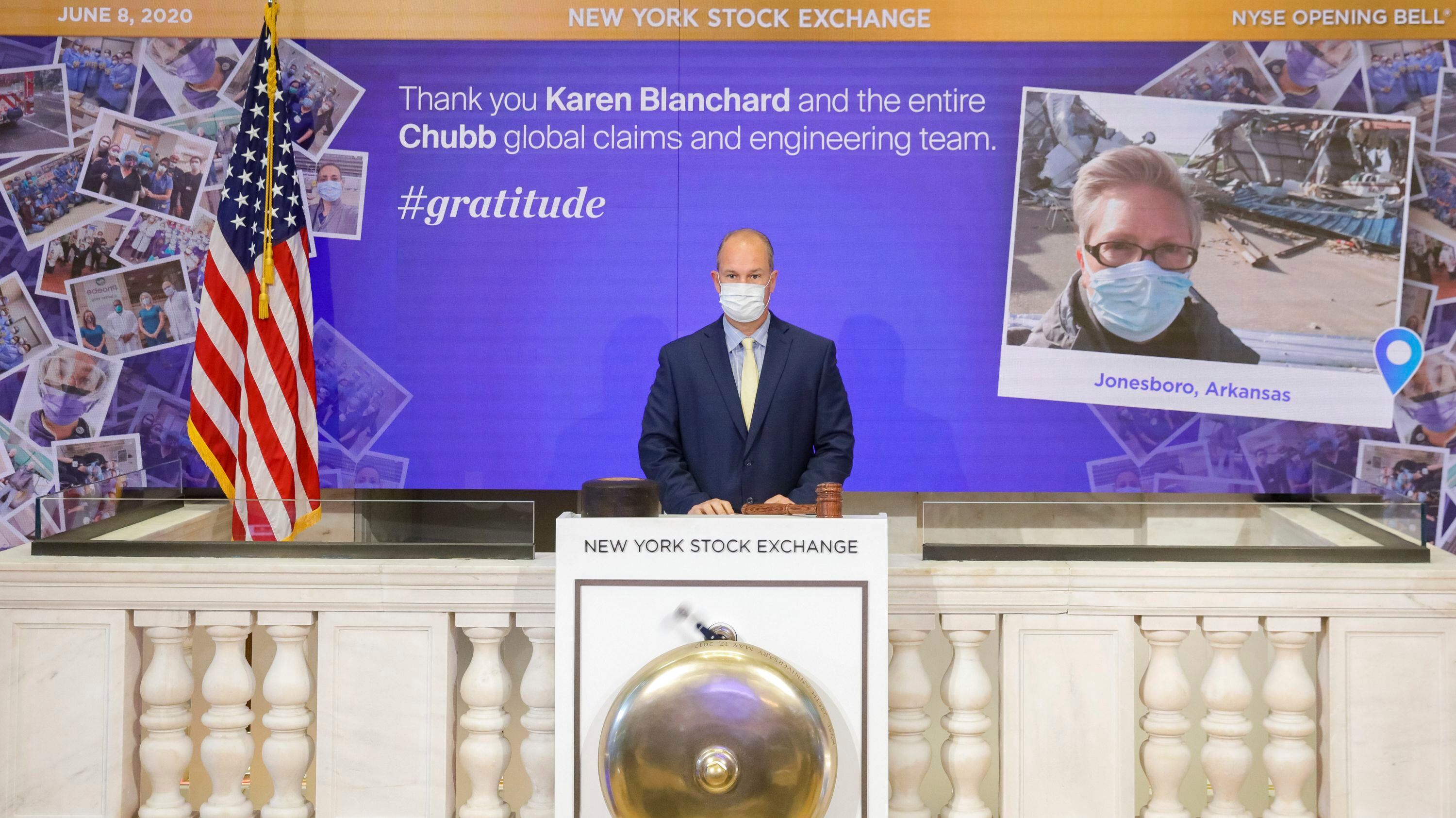
Stocks scrambled even higher Monday on Wall Street's enthusiasm about the reopening economy, and the Nasdaq composite set a record.
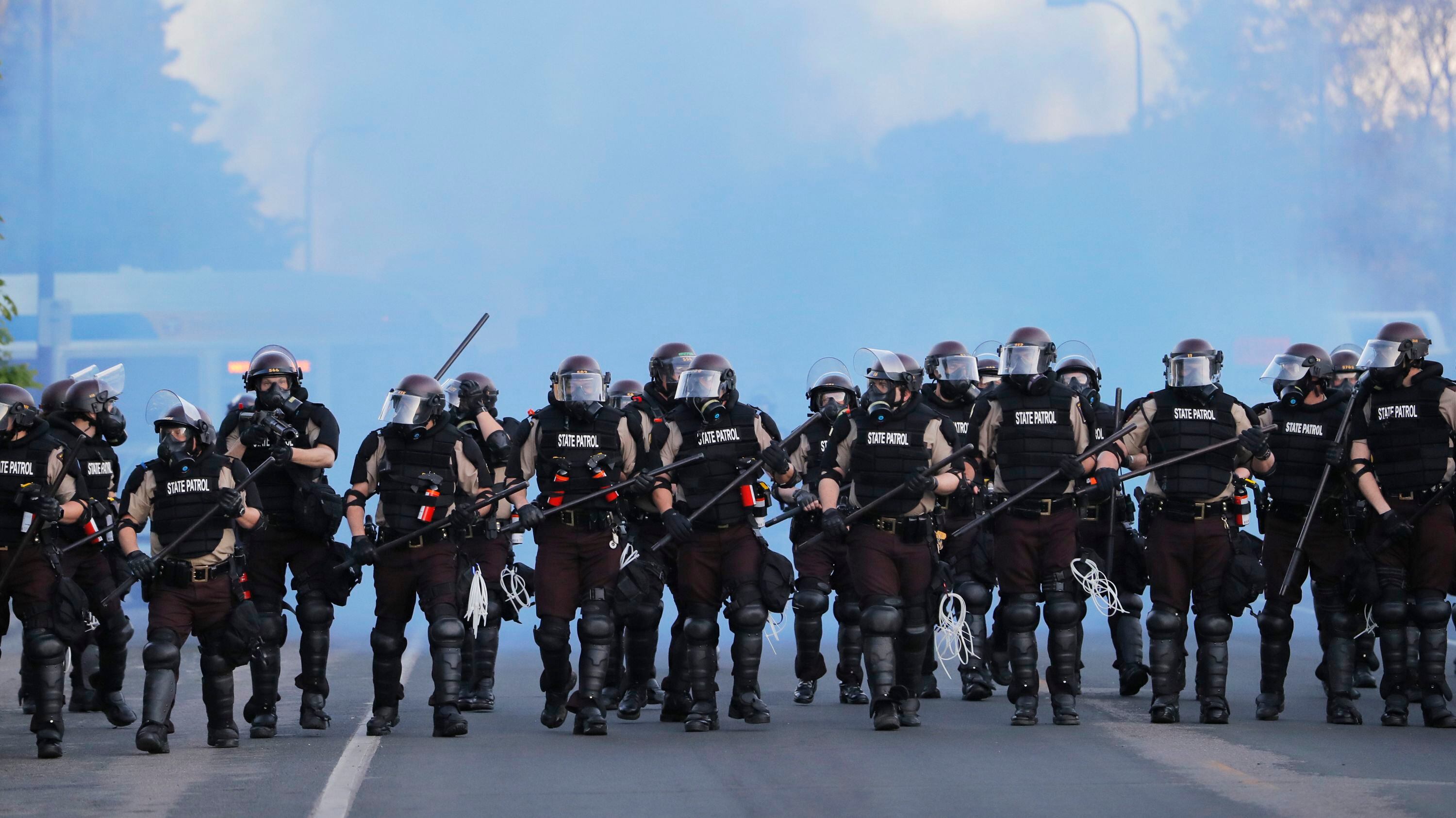
Democrats in Congress are proposing a far-reaching overhaul of America's police procedures and accountability.
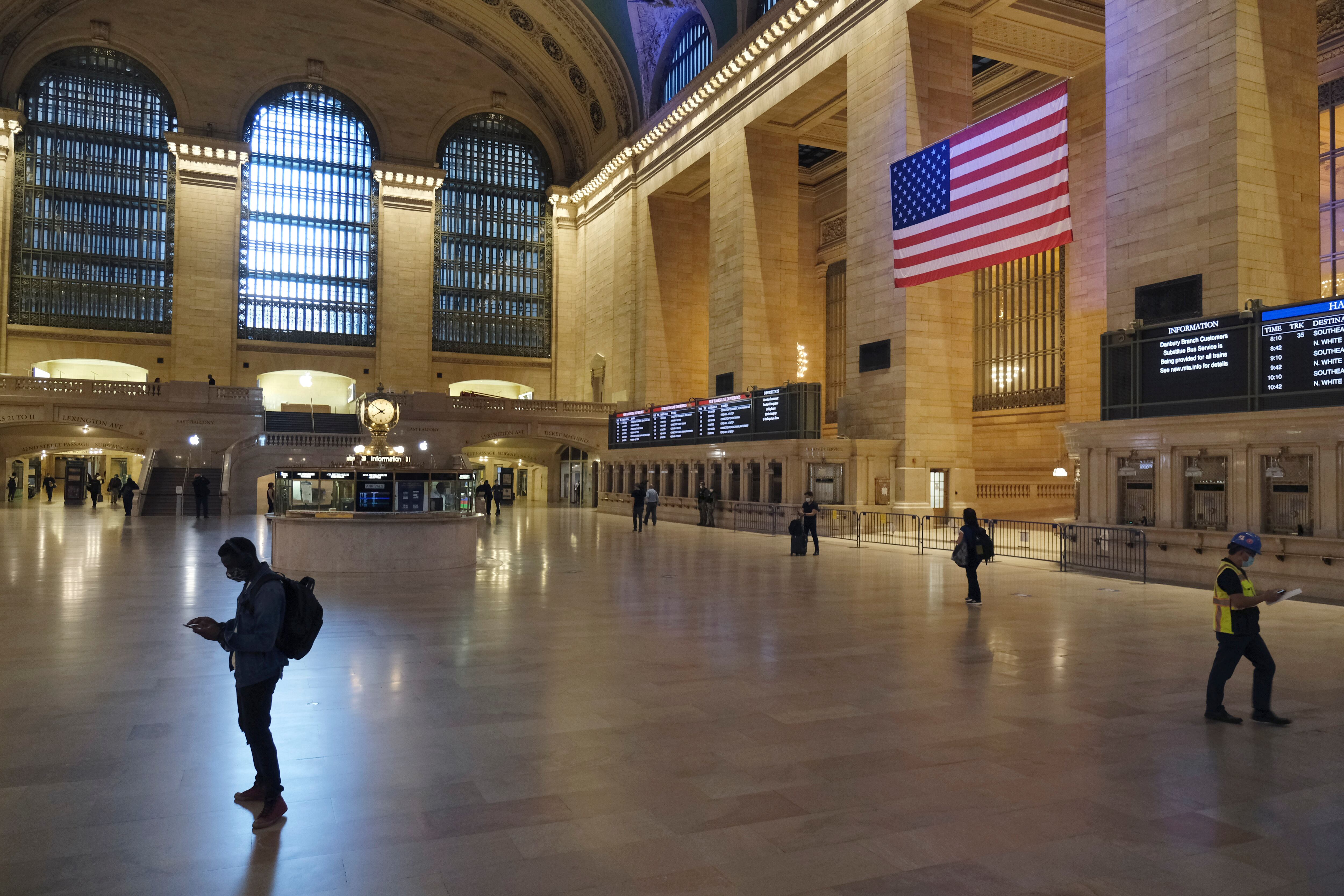
After three gloomy months and 21,000 deaths that made it the nation's most lethal hot spot, New York City slowly began reopening Monday in the biggest test yet of Americans' ability to keep the coronavirus in check.
The U.S. economy entered a recession in February, a group of economists declared Monday, ending more than a decade of steady if slow growth.
Dr. Patrice Harris, speaking to Cheddar the day after her tenure at the American Medical Association ended, leaves the nation’s largest association of physicians at a time of remarkable upheaval for the medical community.
Cheddar followed the ongoing demonstrations in New York City on Thursday as protesters vowed to continue pushing back against police brutality and systemic racism.
New Zealand appears to have eradicated the coronavirus for now after health officials said the last known infected person has recovered.