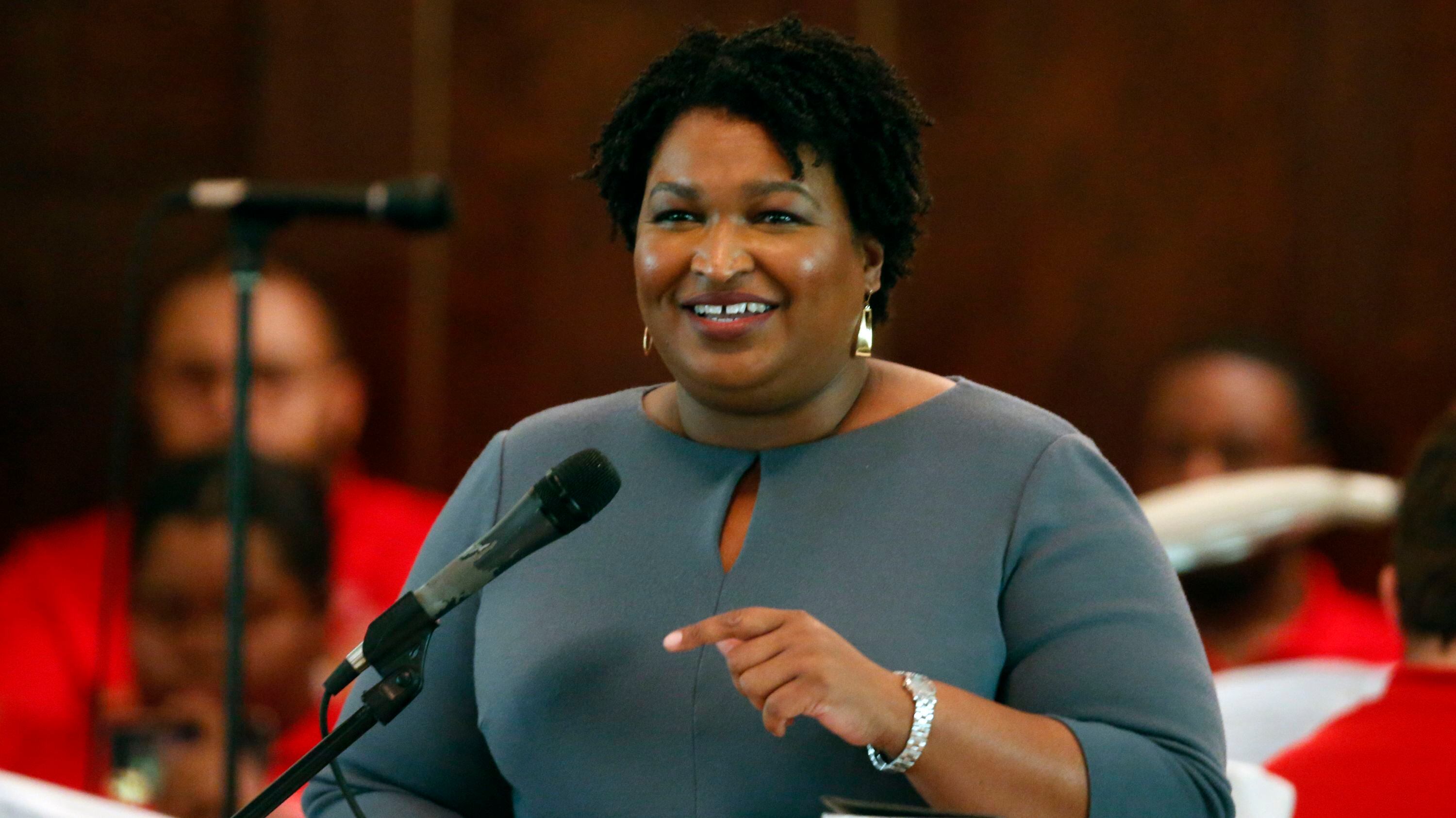
Senator Kamala Harris, who was once seen as a top tier contender for the 2020 Democratic presidential nomination, dropped out of the race on Tuesday.
"I've taken stock and looked at this from every angle, and over the last few days have come to one of the hardest decisions of my life," the California senator wrote in a note to supporters. "My campaign for president simply doesn't have the financial resources we need to continue."
Harris spent the early days of her campaign as a promising candidate, rising as high as second place in the Real Clear Politics poll average in July, but has struggled with finances as well as reports of staff disorganization and infighting, according to the New York Times.
By November, she was polling in the low single digits and laid off her New Hampshire field team to increase her focus on Iowa's first-in-the-nation caucuses on February 3.
Though she had shifted focus to the Hawkeye State, she lacked the cash to run TV ads in Iowa, a state in which Harris had not run an ad in three months. Only recently, support for a super PAC made up of former aides to pay for advertising began to gain traction within the campaign.
Harris was one of seven candidates who had already qualified for the sixth debate, which will be held in her home state of California, before today's announcement.
The senator had started her campaign in front of a crowd of20,000 in Oakland, according to her campaign, and said she is withdrawing "with deep regret — but also with deep gratitude."
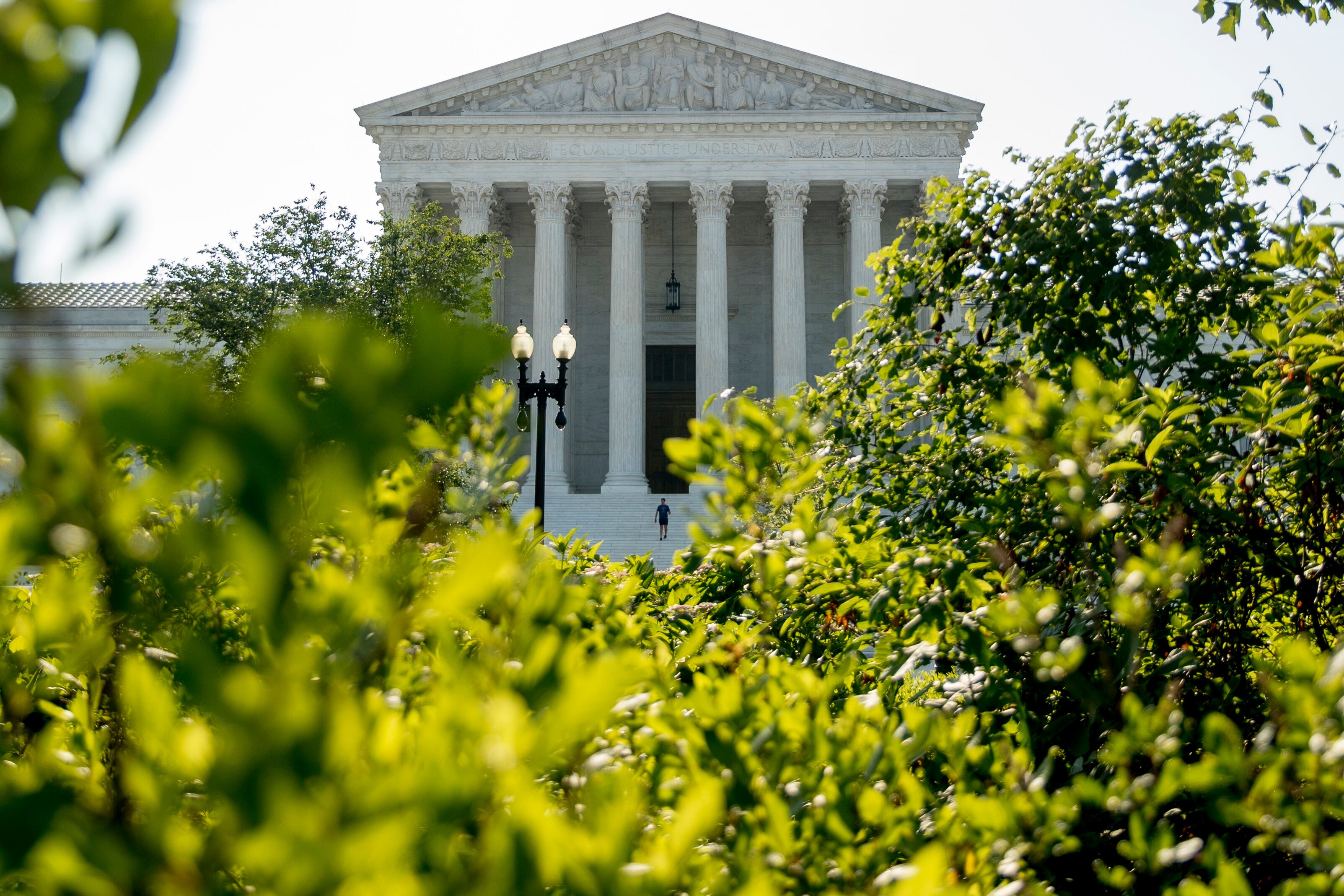
The Supreme Court is siding with the Trump administration in its effort to allow more employers to opt out of providing no-cost birth control to women as required by the Affordable Care Act.
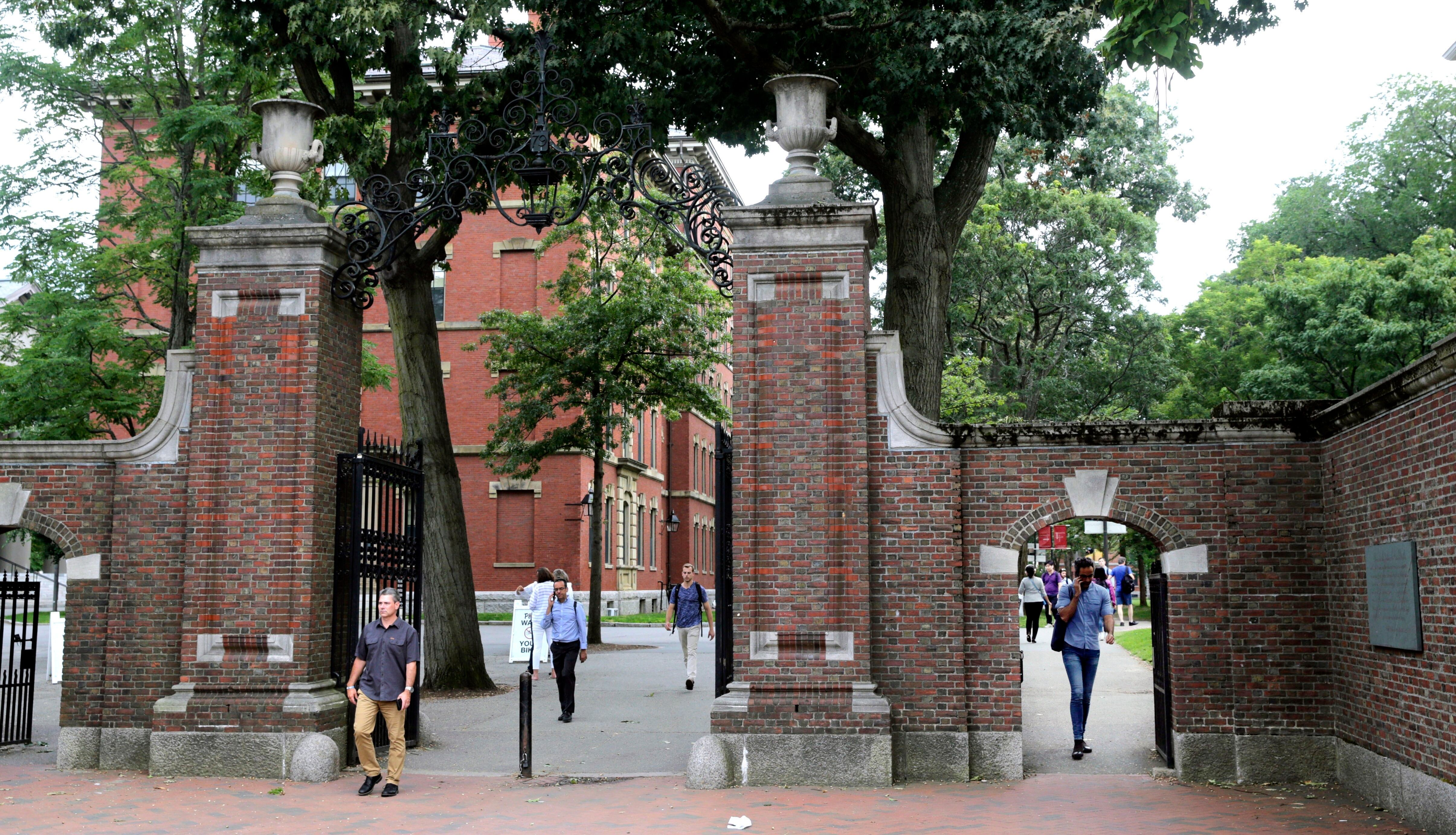
The schools filed a federal lawsuit Wednesday challenging the Trump administration’s decision to bar international students from staying in the U.S. if they take classes online this fall.
Immigration and Customs Enforcement, the agency that oversees student visas, just released new guidelines for international students, which say that if an international student is enrolled in a program that decides to go fully virtual, they must leave the county.
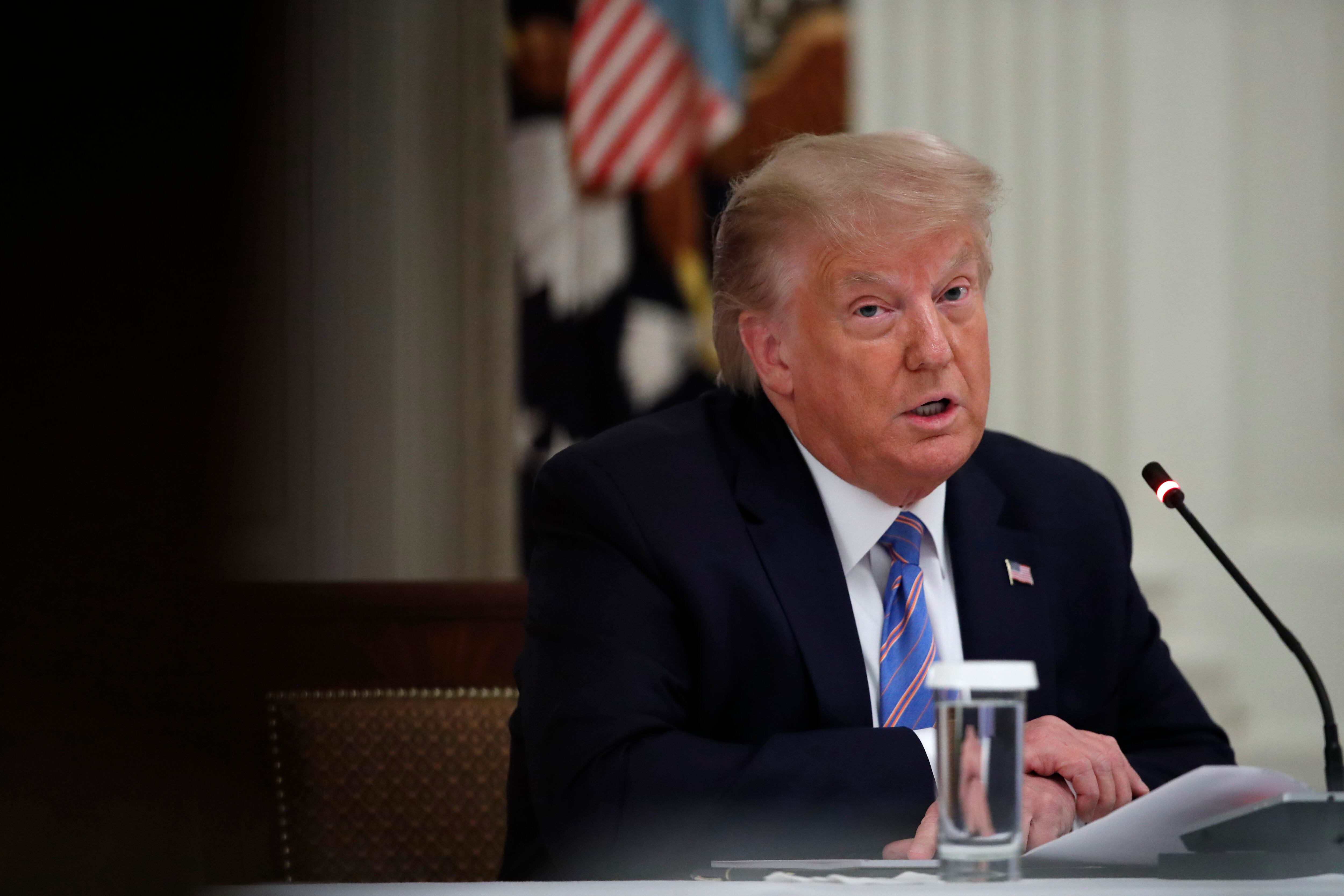
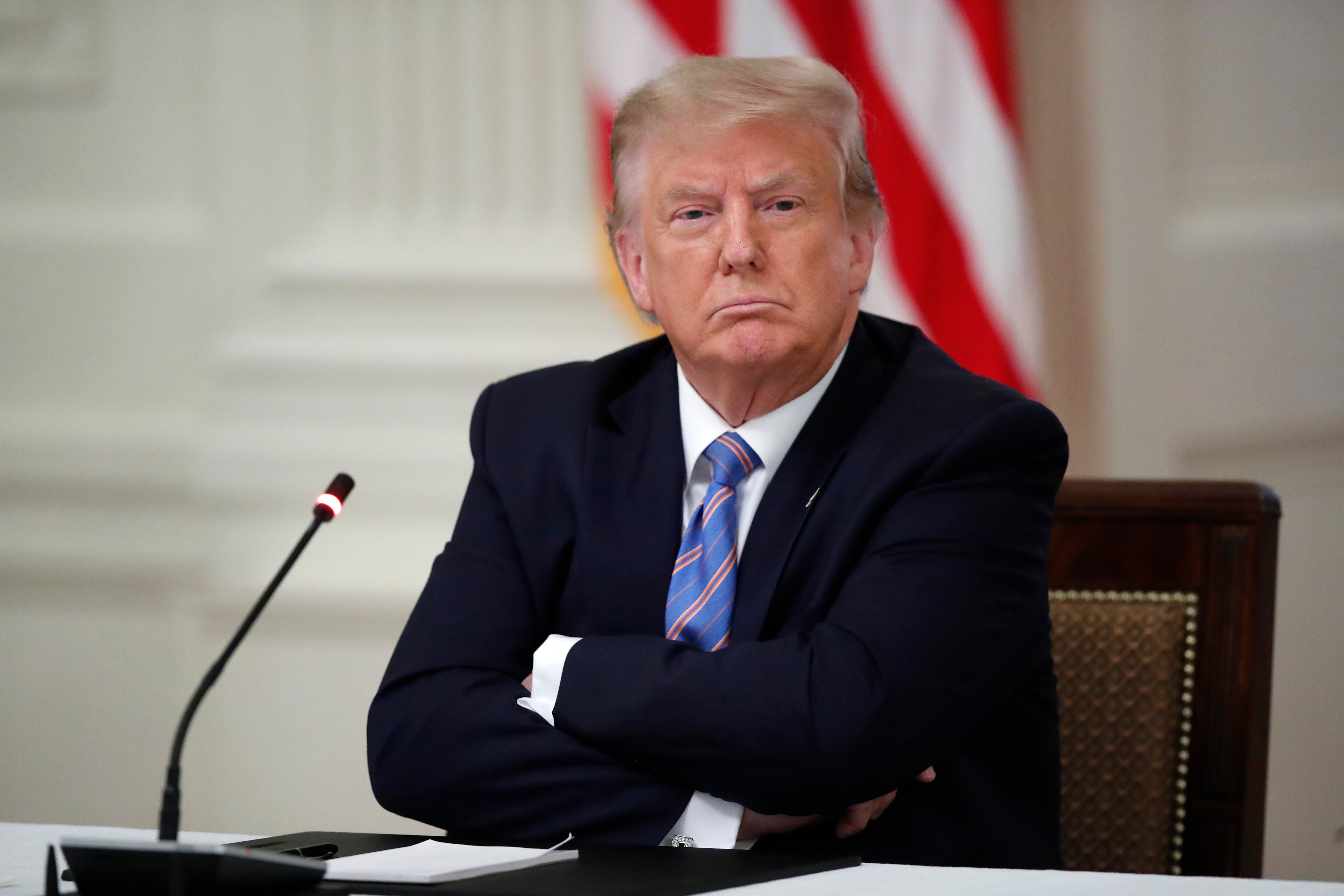
President Donald Trump on Tuesday launched an all-out effort to reopen schools this fall.
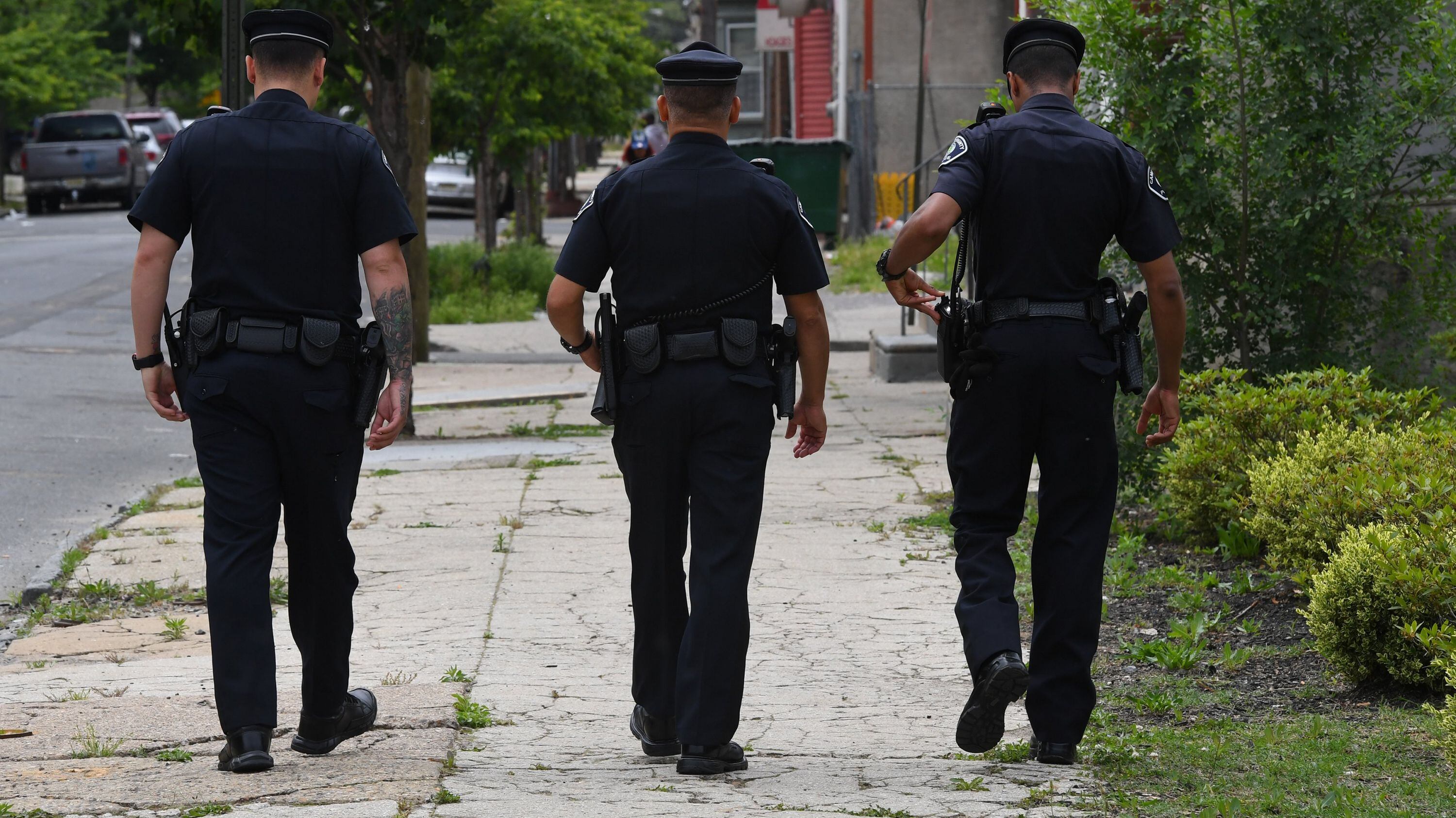
Camden, NJ has garnered national headlines after the city replaced its police department with a community based policing program. Cheddar's Michelle Castillo gets an inside look at this alternate type of policing.
The Trump administration has formally notified the United Nations of its withdrawal from the World Health Organization, although the pullout won’t take effect until next year.
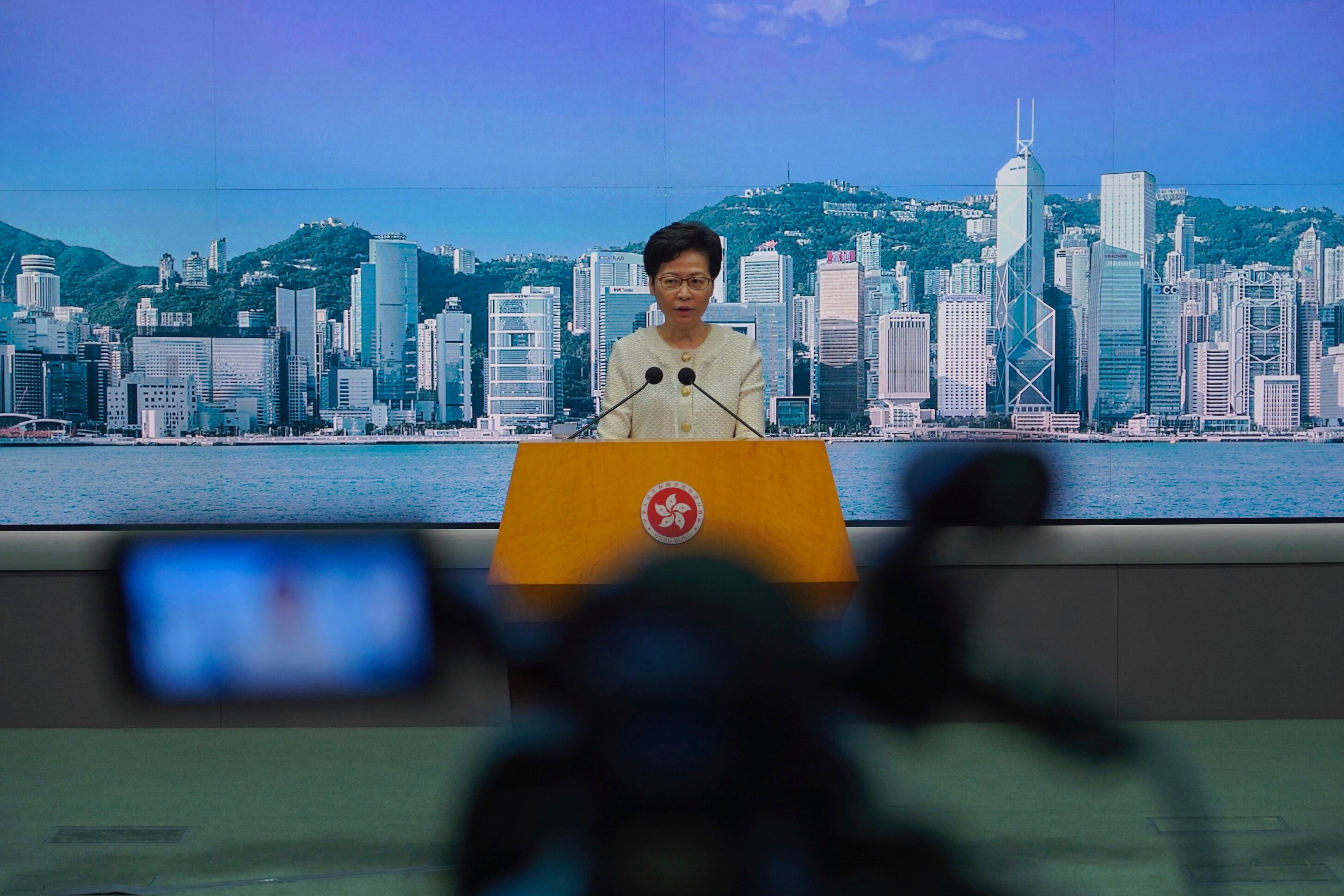
TikTok says it will stop operations in Hong Kong after the city enacted a sweeping national security law last week.
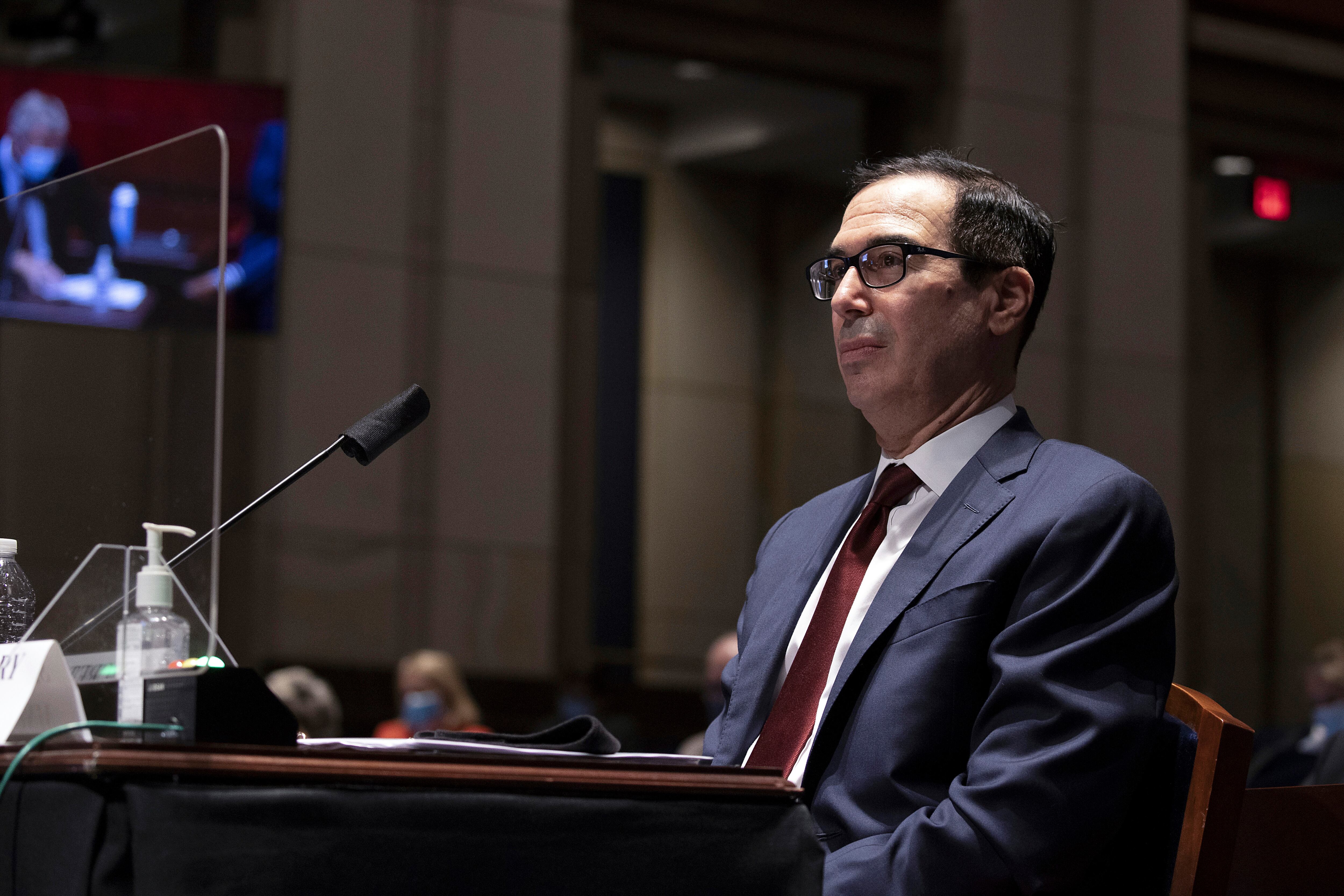
The government on Monday identified roughly 650,000 mostly small businesses and nonprofits that received taxpayer money from a program that likely helped prevent the job market meltdown from growing worse but that also benefited some politically connected firms.
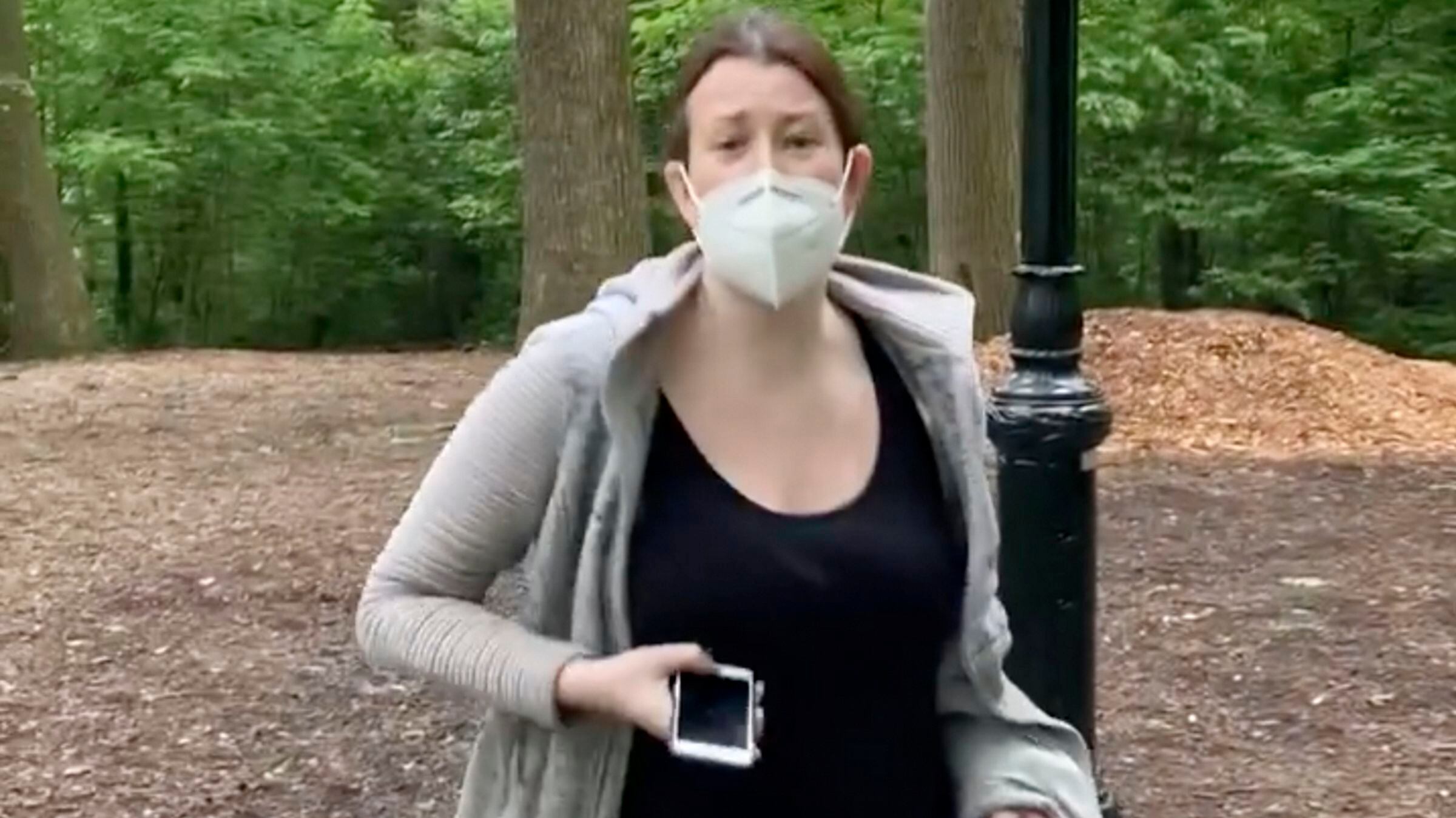
A white woman walking her dog who called the police during a videotaped dispute with a Black man in Central Park was charged Monday with filing a false report.
Stacy Abrams, author and founder of 'Fair Fight,' talks the need to expand vote-by-mail options for Americans as the concerns of voter suppression rise.