Senator Kamala Harris, who was once seen as a top tier contender for the 2020 Democratic presidential nomination, dropped out of the race on Tuesday.
"I've taken stock and looked at this from every angle, and over the last few days have come to one of the hardest decisions of my life," the California senator wrote in a note to supporters. "My campaign for president simply doesn't have the financial resources we need to continue."
Harris spent the early days of her campaign as a promising candidate, rising as high as second place in the Real Clear Politics poll average in July, but has struggled with finances as well as reports of staff disorganization and infighting, according to the New York Times.
By November, she was polling in the low single digits and laid off her New Hampshire field team to increase her focus on Iowa's first-in-the-nation caucuses on February 3.
Though she had shifted focus to the Hawkeye State, she lacked the cash to run TV ads in Iowa, a state in which Harris had not run an ad in three months. Only recently, support for a super PAC made up of former aides to pay for advertising began to gain traction within the campaign.
Harris was one of seven candidates who had already qualified for the sixth debate, which will be held in her home state of California, before today's announcement.
The senator had started her campaign in front of a crowd of20,000 in Oakland, according to her campaign, and said she is withdrawing "with deep regret — but also with deep gratitude."
Advertising agencies are expressing concerns about the potential for TikTok to share user data with its Chinese parent company, ByteDance — something the social media platform flatly denies is happening.
The number of laid-off workers seeking unemployment benefits remained stuck at 1.3 million last week, an historically high level that indicates many companies are still cutting jobs as the viral outbreak intensifies.
Arizona, Texas, and Florida are together reporting about 25,000 new coronavirus cases as new restrictions aimed at combating the spread of the pandemic take hold in the United States and around the world.
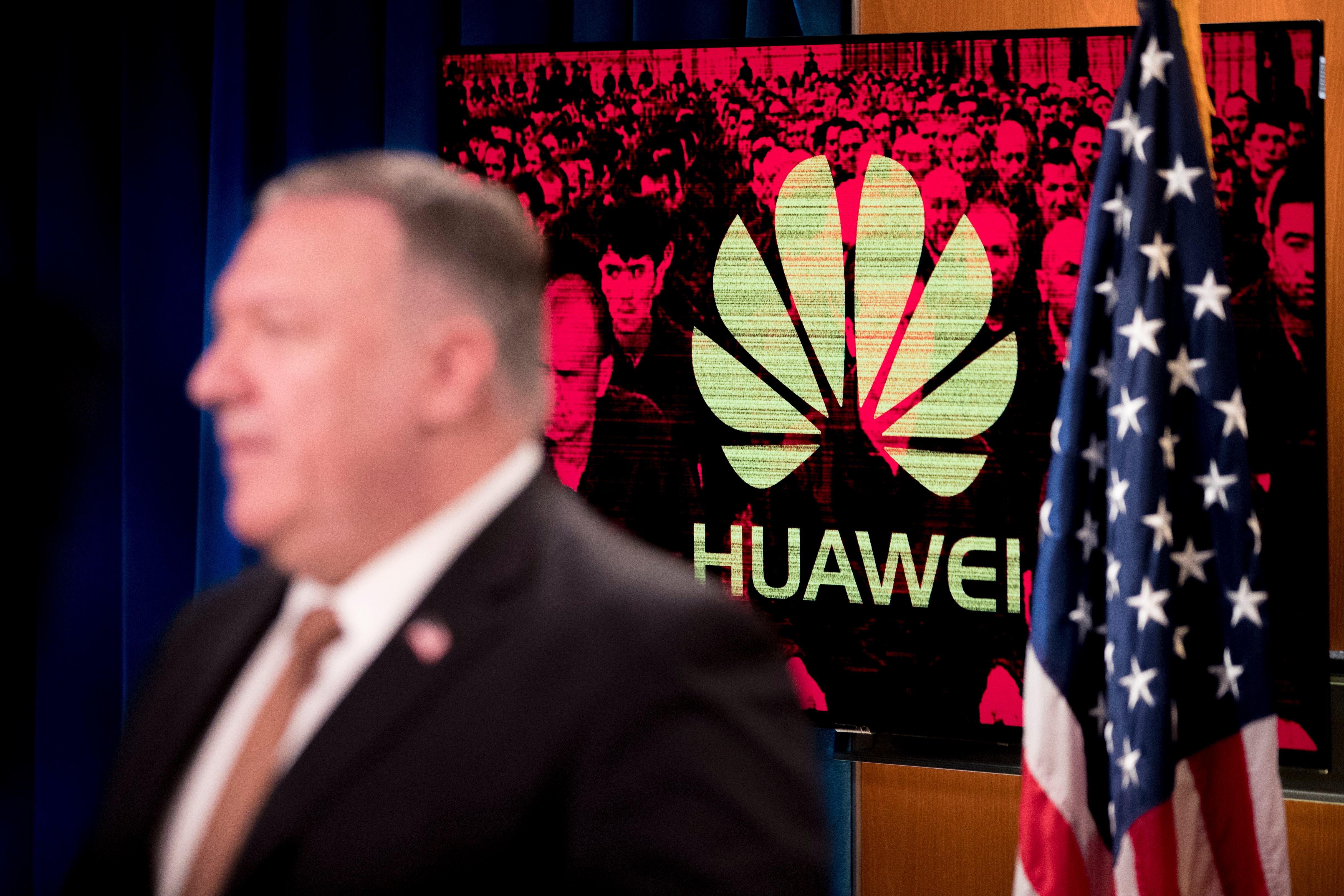
Secretary of State Mike Pompeo says the U.S. is imposing travel bans on employees of the Chinese technology giant Huawei and other companies the U.S. determines are assisting authoritarian governments in cracking down on human rights.
The initiative is geared toward students, mid-career workers and the millions now unemployed because of the new coronavirus. But the campaign, called “Find Something New,” was quickly bashed on social media as being tone deaf and inadequate for the times.
The Trump administration has rescinded a rule that would have required international students to transfer schools or leave the country if their colleges hold classes entirely online this fall because of the coronavirus pandemic.
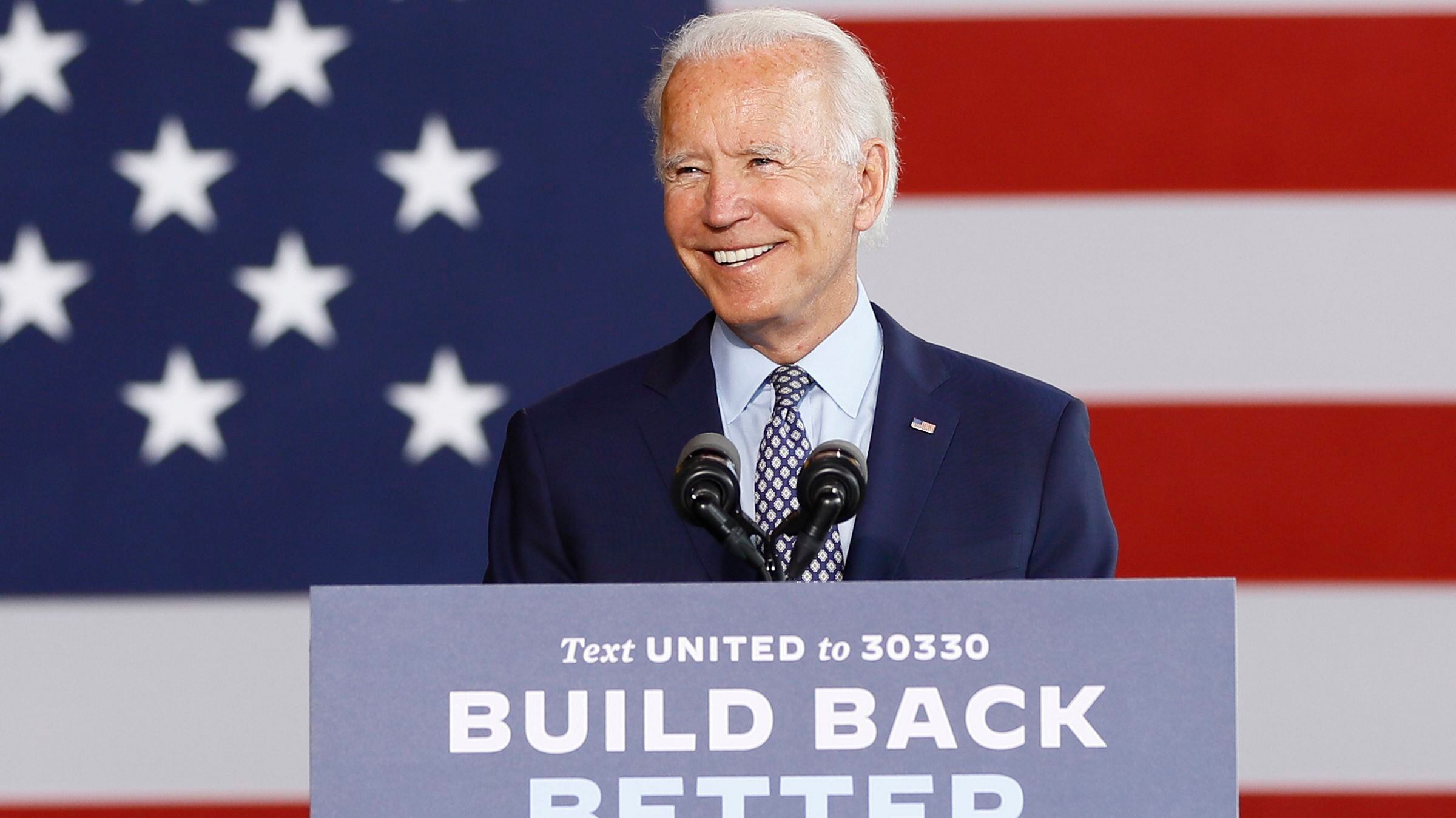
Joe Biden released a plan Tuesday aimed at combating climate change and spurring economic growth in part by overhauling America’s energy industry.
As enhanced unemployment benefits are set to expire at the end of July, HUD secretary Carson, discusses the Trump administration's 'tool kit' meant to protect Americans from evictions beyond the coronavirus pandemic.
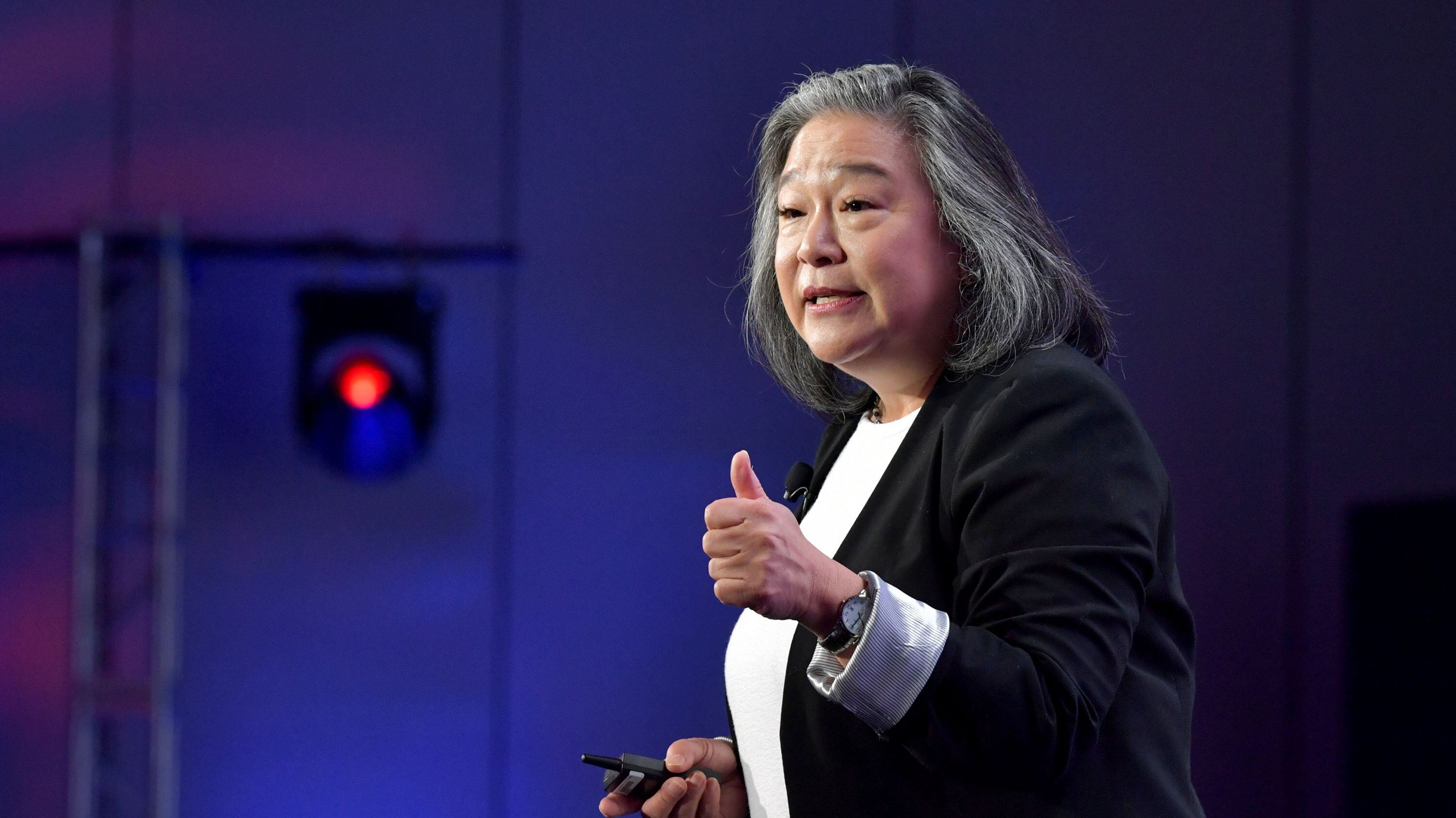
Tina Tchen, president and CEO of Time's Up, provides insight into how companies can go about addressing inequities in the workplace.
California Gov. Gavin Newsom has extended the closure of bars and indoor dining statewide and has ordered gyms, churches and hair salons closed in most places as coronavirus cases keep rising.