Senator Kamala Harris, who was once seen as a top tier contender for the 2020 Democratic presidential nomination, dropped out of the race on Tuesday.
"I've taken stock and looked at this from every angle, and over the last few days have come to one of the hardest decisions of my life," the California senator wrote in a note to supporters. "My campaign for president simply doesn't have the financial resources we need to continue."
Harris spent the early days of her campaign as a promising candidate, rising as high as second place in the Real Clear Politics poll average in July, but has struggled with finances as well as reports of staff disorganization and infighting, according to the New York Times.
By November, she was polling in the low single digits and laid off her New Hampshire field team to increase her focus on Iowa's first-in-the-nation caucuses on February 3.
Though she had shifted focus to the Hawkeye State, she lacked the cash to run TV ads in Iowa, a state in which Harris had not run an ad in three months. Only recently, support for a super PAC made up of former aides to pay for advertising began to gain traction within the campaign.
Harris was one of seven candidates who had already qualified for the sixth debate, which will be held in her home state of California, before today's announcement.
The senator had started her campaign in front of a crowd of20,000 in Oakland, according to her campaign, and said she is withdrawing "with deep regret — but also with deep gratitude."
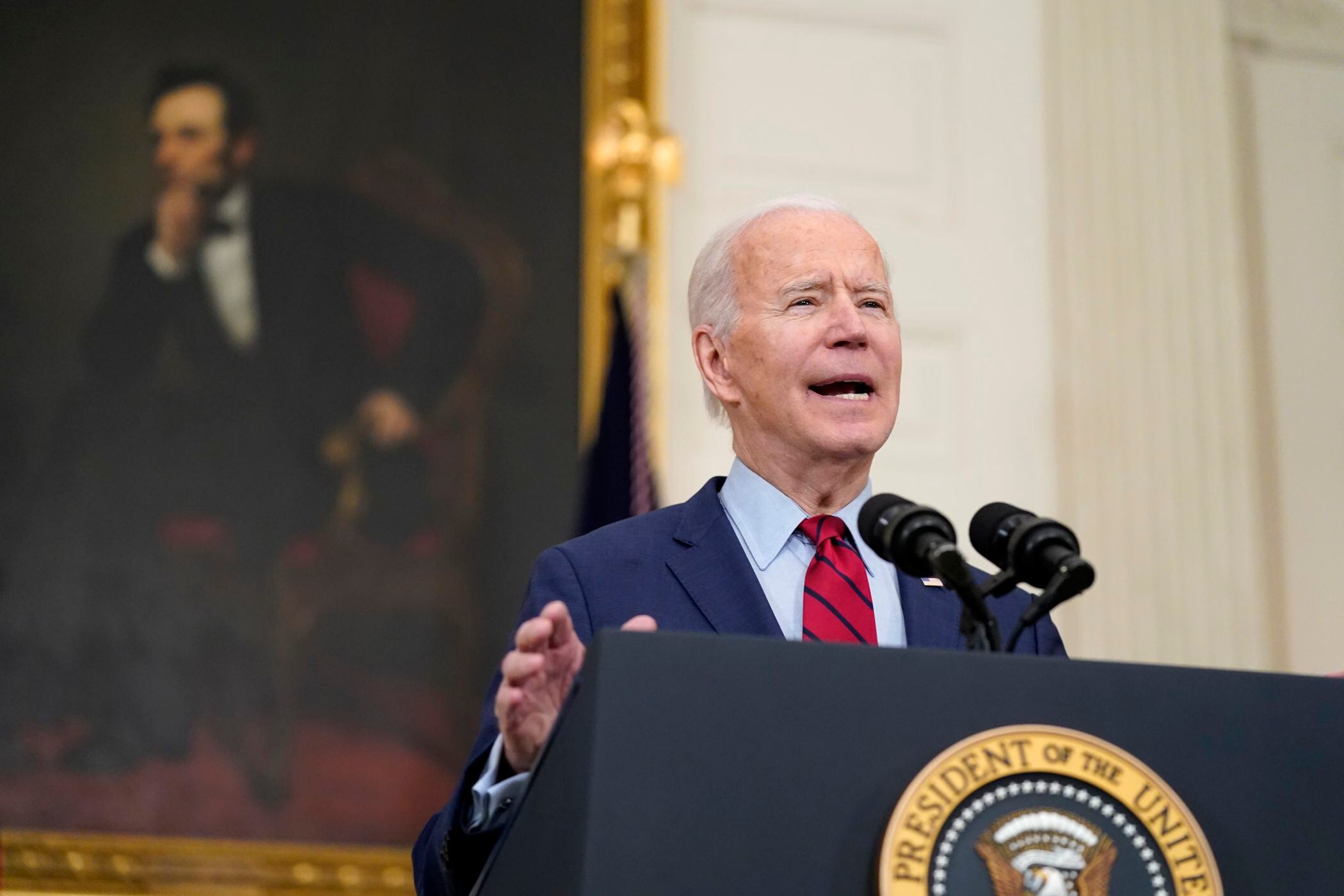
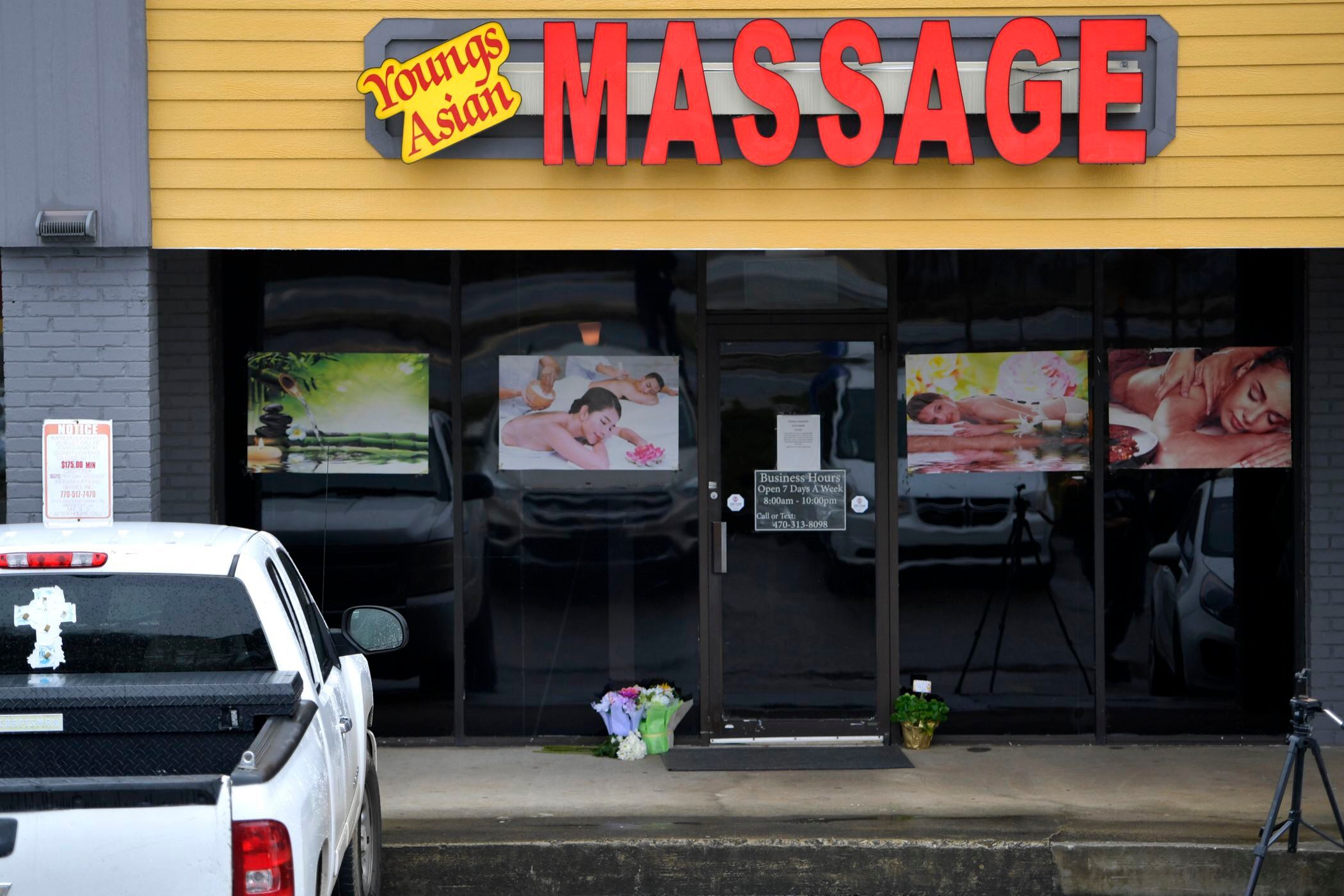
Democrats say they are pushing toward a vote on expanded gun control measures as the nation reels from it its second mass shooting in a week.
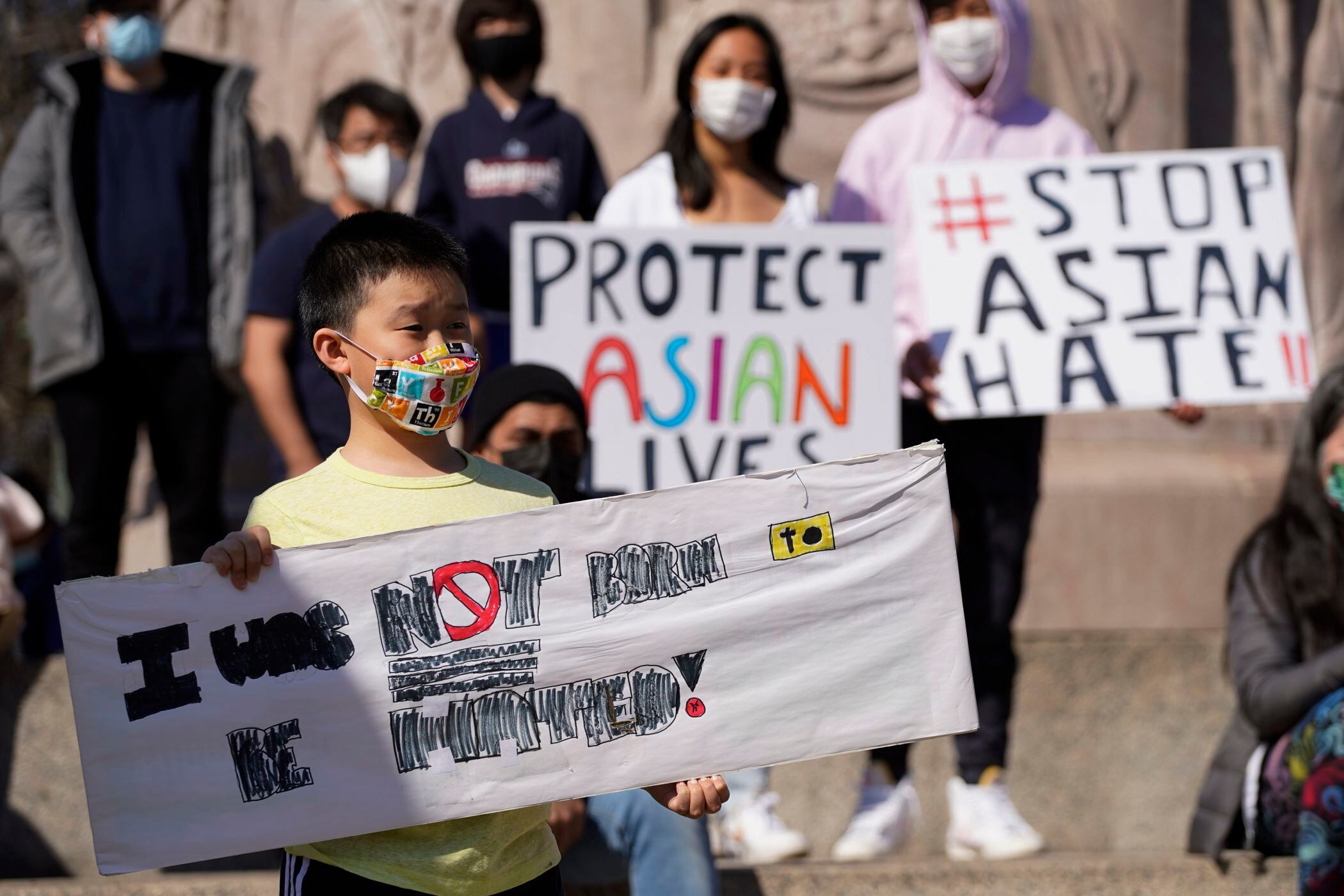
Rep. Andy Kim of New Jersey talked to Cheddar about his concern that once the news cycle moves on, Americans will forget about the threat that remains against Asian and Asian American people.
From Wall Street to Silicon Valley, these are the top stories that moved markets and had investors, business leaders, and entrepreneurs talking this week on Cheddar.
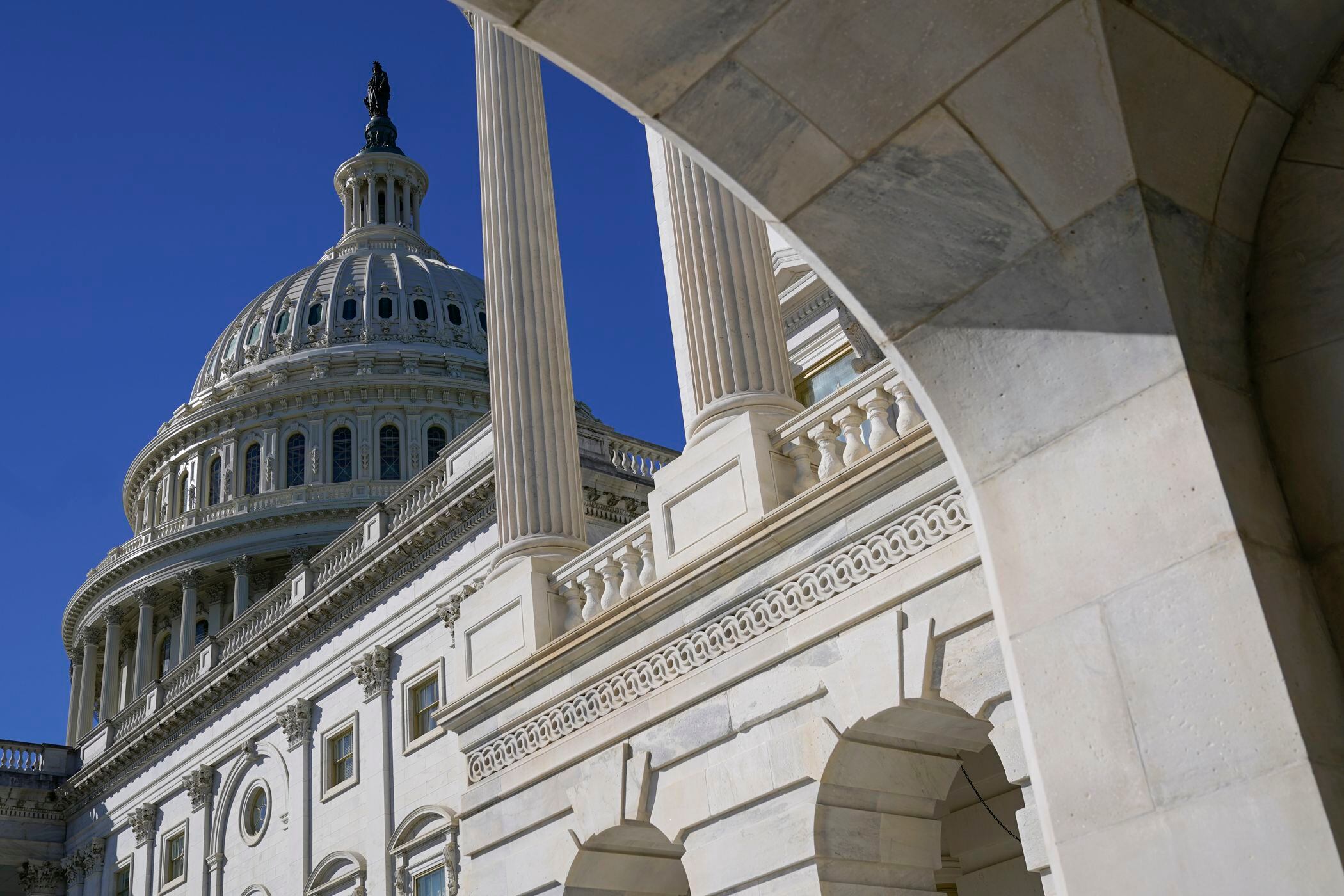
It’s been Immigration Week on Capitol Hill but now it’s time to move on. So what will drive headlines in the week ahead? Here’s a look at the Washington Week Ahead.
The Secure and Fair Enforcement (SAFE) Banking Act is expected to pass the Democrat-controlled House, where it passed before in 2019 and 2020, but could face a tougher battle in the split Senate.
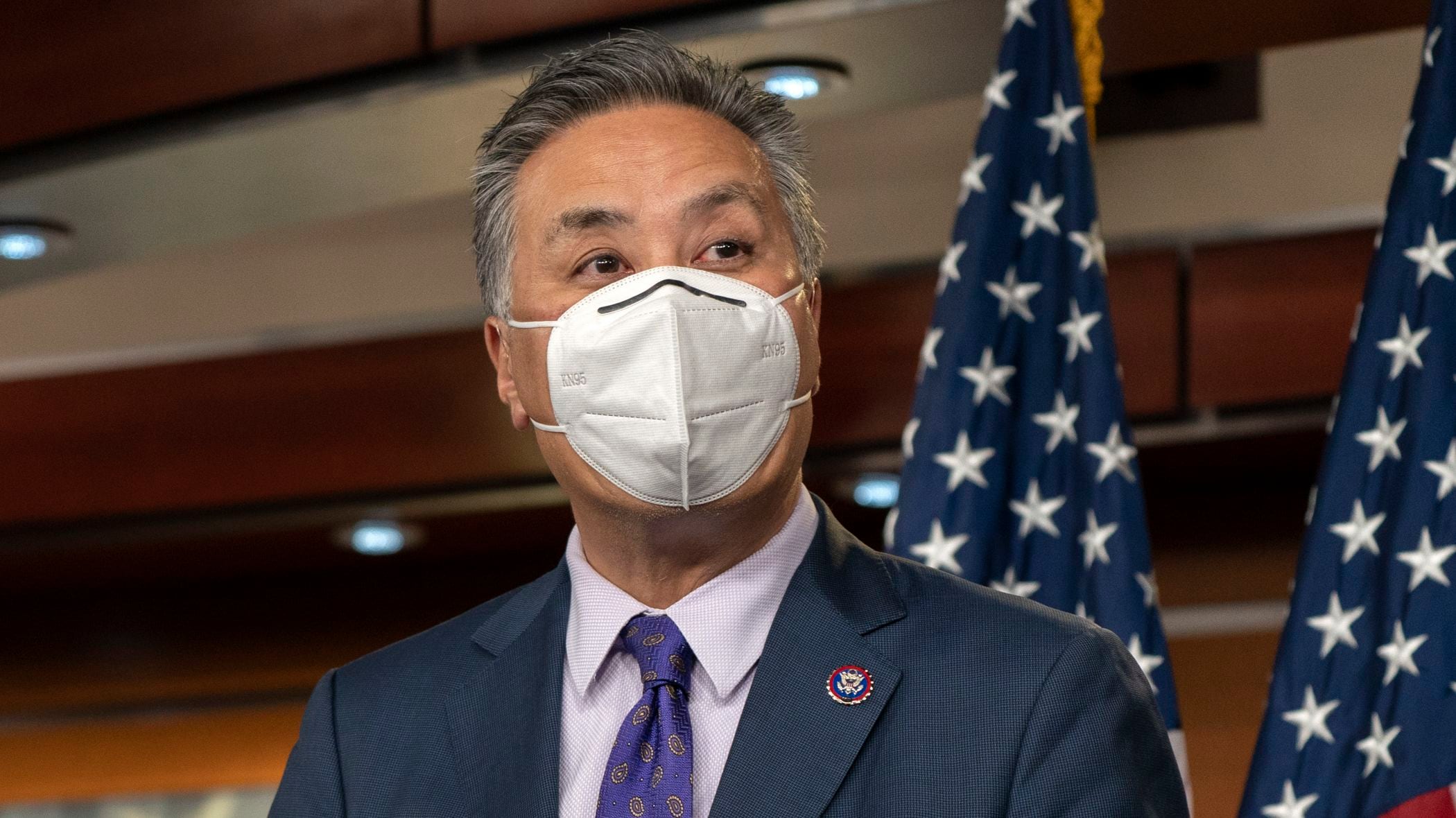
Rep. Mark Takano (D- Calif. 41st District) discusses the need to pass the COVID-19 Hate Crimes Act especially in the wake of the shooting deaths of eight people in Atlanta area spas, six of them being women of Asian descent.
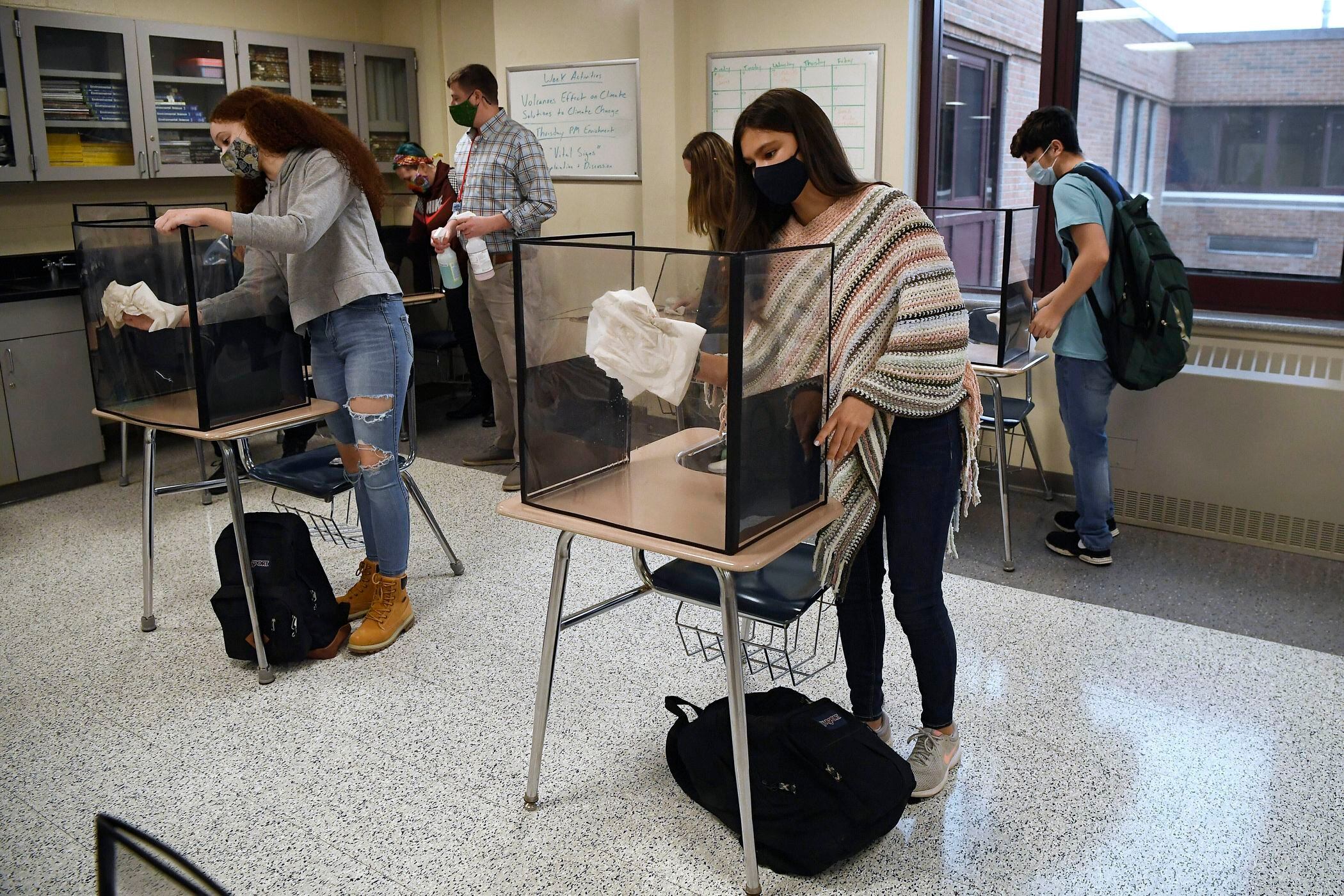
U.S. health officials are relaxing social distancing recommendations for schools, now saying students can sit as close as 3 feet to each other in classrooms.
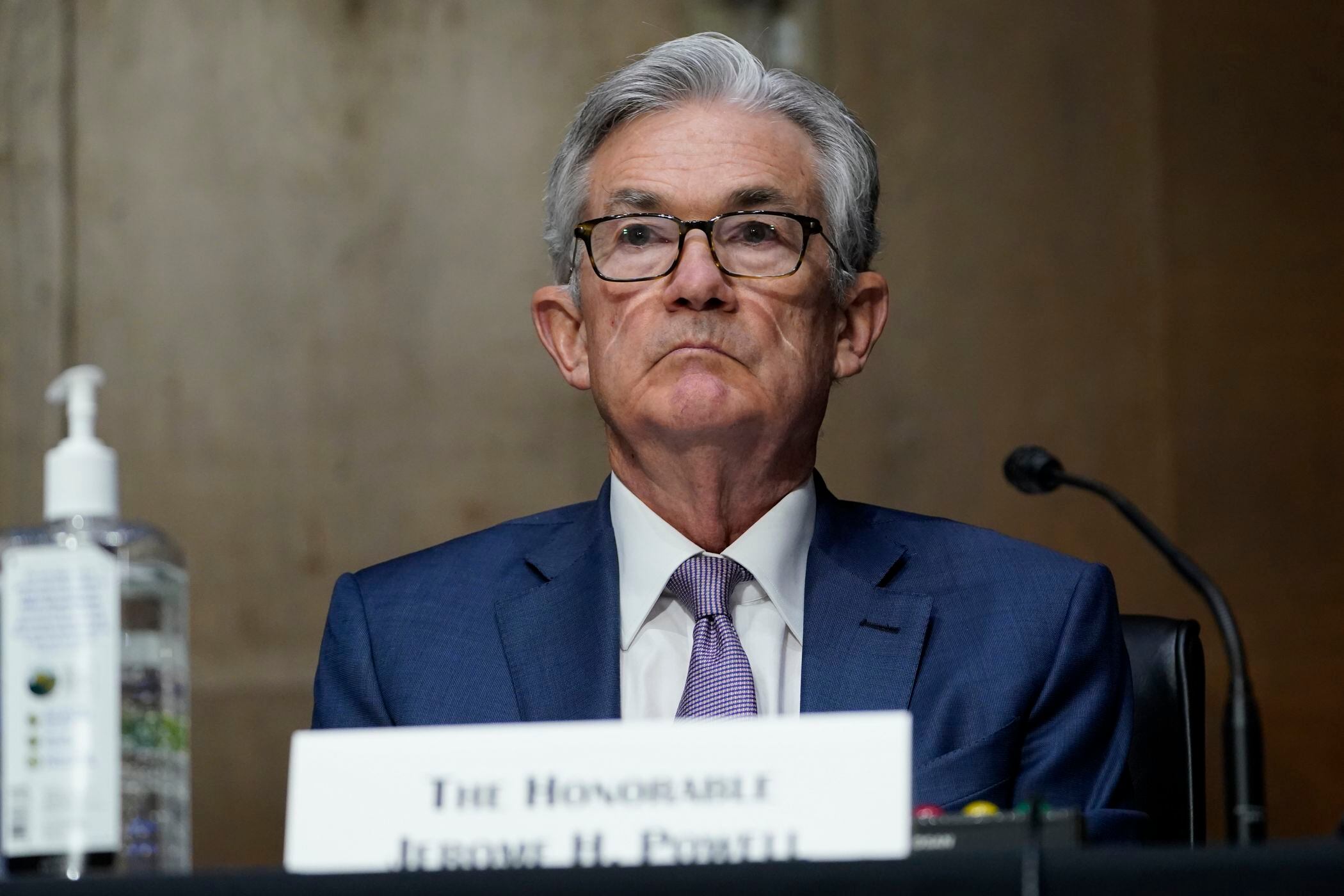
The Federal Reserve says it will restore capital requirements for large banks that were relaxed as part of the Fed’s efforts to shore up the financial system during the early days of the pandemic.
Rep. Marilyn Strickland (D-Wash. 10th District), one of four Korean Americans to be elected to Congress, talked about the need for urgency and accountability following the killing of eight people, including six Asian women.
The number of Americans seeking unemployment benefits rose last week to 770,000, a sign that layoffs remain high even as much of the U.S. economy is steadily recovering from the coronavirus recession.