Senator Kamala Harris, who was once seen as a top tier contender for the 2020 Democratic presidential nomination, dropped out of the race on Tuesday.
"I've taken stock and looked at this from every angle, and over the last few days have come to one of the hardest decisions of my life," the California senator wrote in a note to supporters. "My campaign for president simply doesn't have the financial resources we need to continue."
Harris spent the early days of her campaign as a promising candidate, rising as high as second place in the Real Clear Politics poll average in July, but has struggled with finances as well as reports of staff disorganization and infighting, according to the New York Times.
By November, she was polling in the low single digits and laid off her New Hampshire field team to increase her focus on Iowa's first-in-the-nation caucuses on February 3.
Though she had shifted focus to the Hawkeye State, she lacked the cash to run TV ads in Iowa, a state in which Harris had not run an ad in three months. Only recently, support for a super PAC made up of former aides to pay for advertising began to gain traction within the campaign.
Harris was one of seven candidates who had already qualified for the sixth debate, which will be held in her home state of California, before today's announcement.
The senator had started her campaign in front of a crowd of20,000 in Oakland, according to her campaign, and said she is withdrawing "with deep regret — but also with deep gratitude."
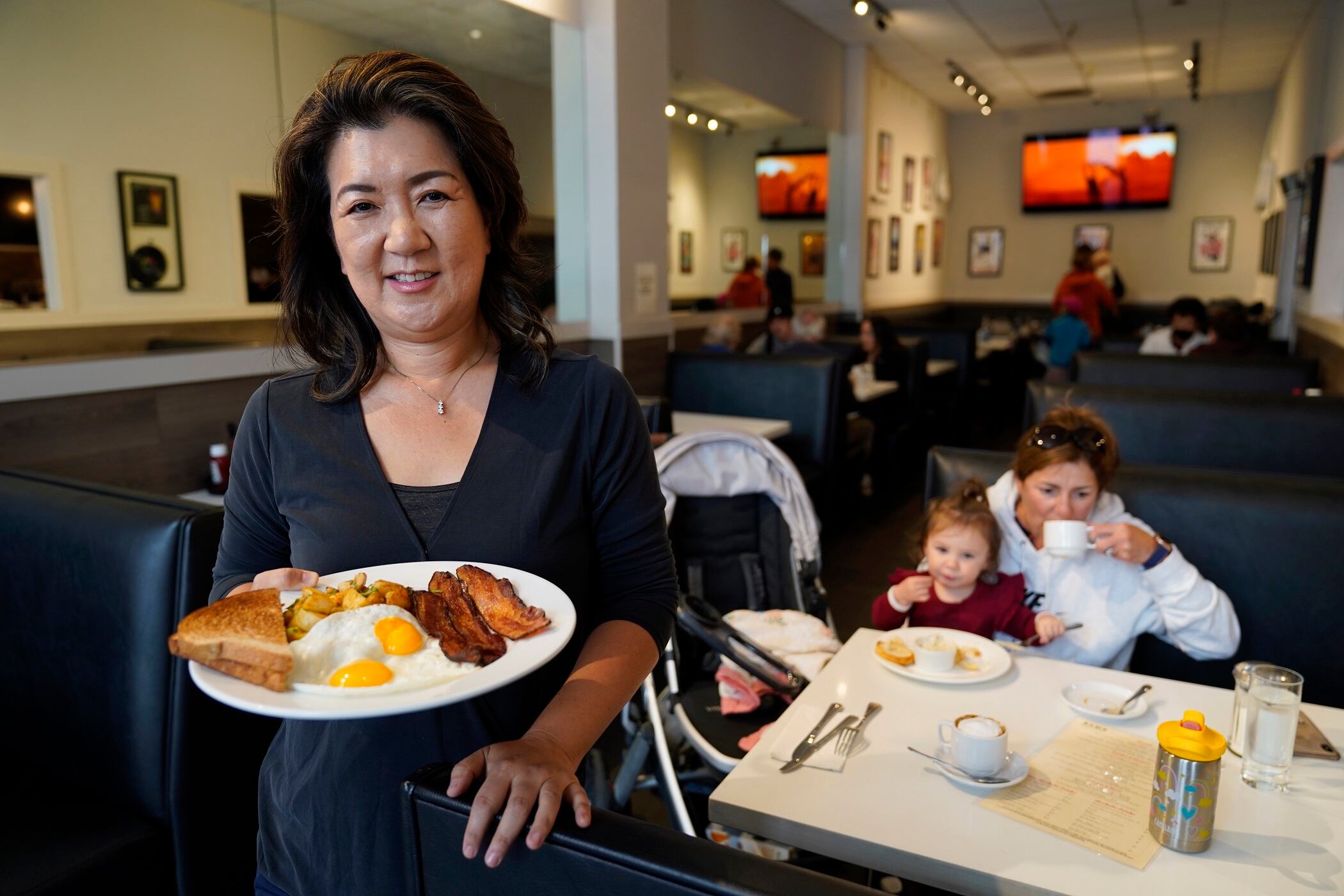
A California law taking effect Jan. 1 could make pork harder to find and more expensive.
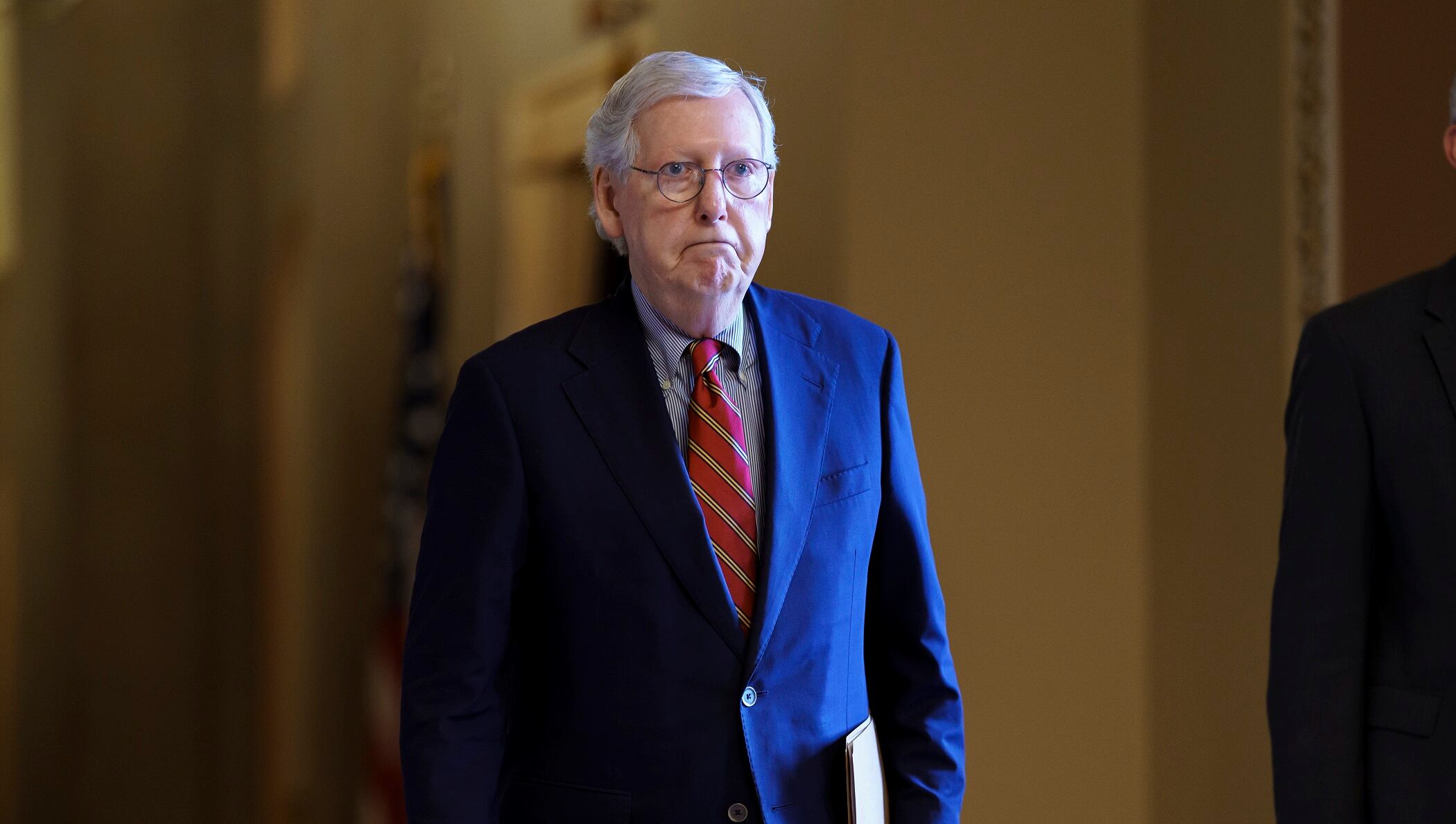
Senate Majority Leader Chuck Schumer is looking to speed up consideration of a nearly $1 trillion bipartisan infrastructure package.
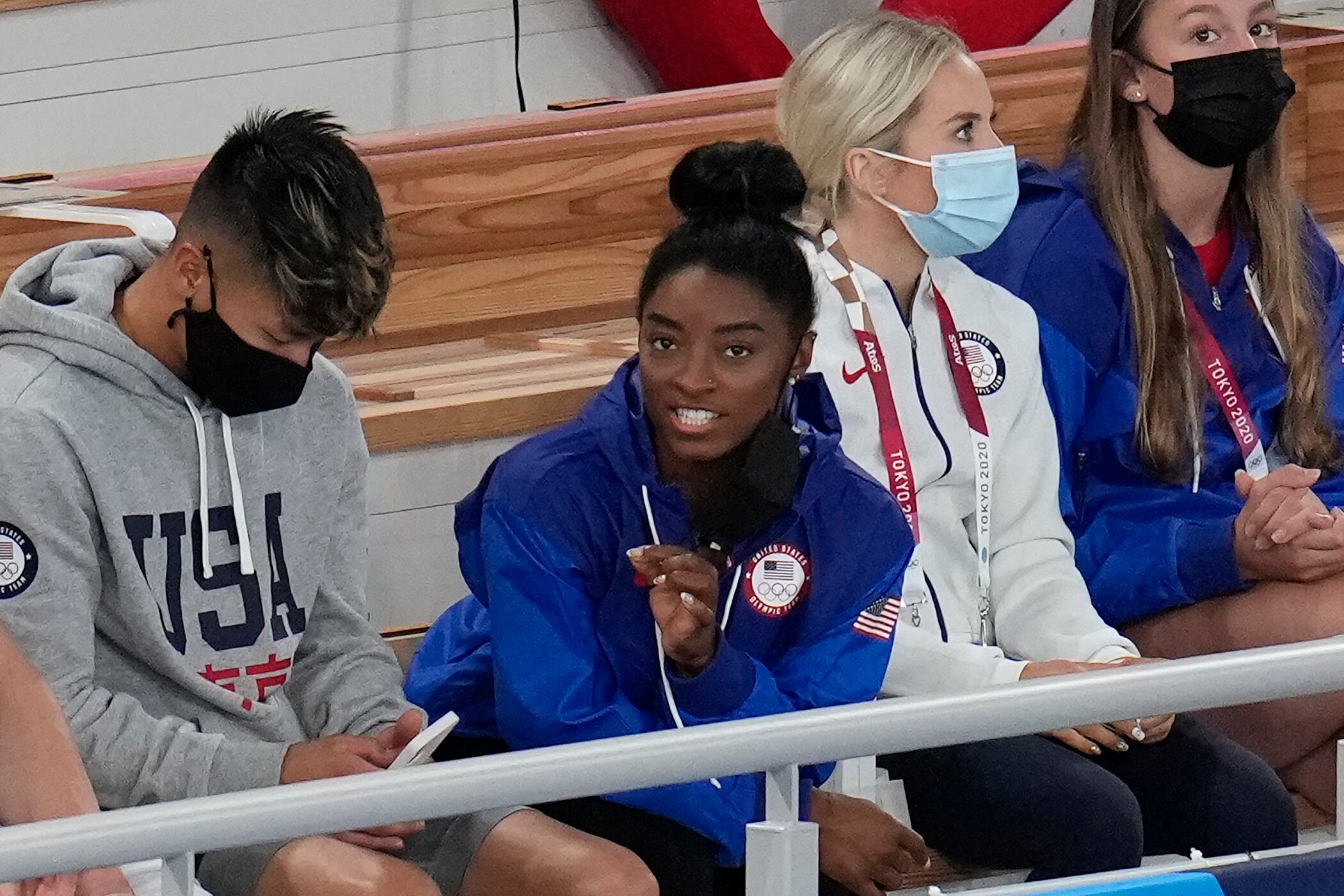
Jill and Carlo talk about the latest from Tokyo including Simone Biles plans to compete in the balance beam final, Dr. Fauci's dire Delta warning, high profile vaccine mandates from employers like Walmart and Disney, and Square's acquisition of Afterpay.
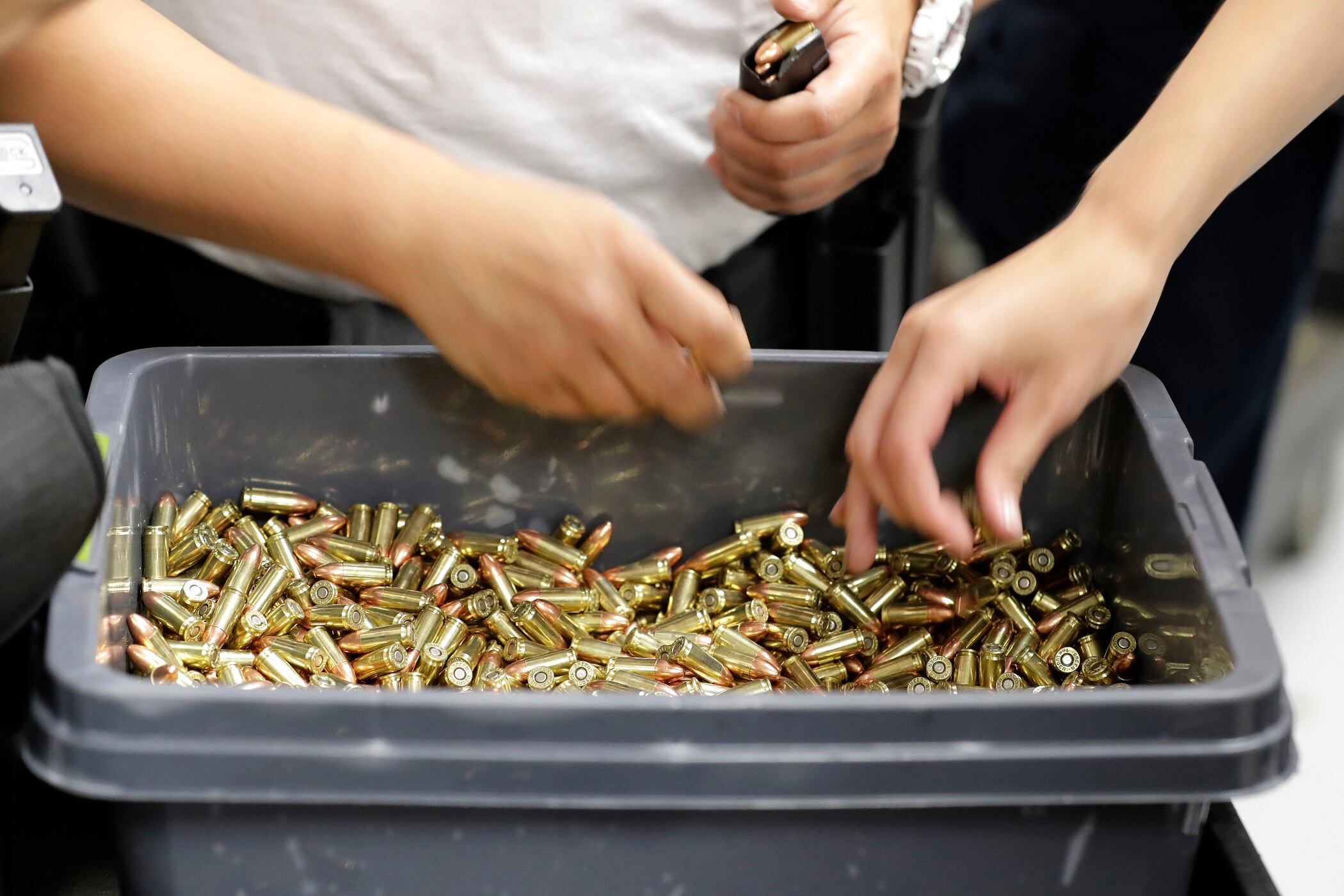
A shortage of ammunition in the U.S. is having an impact on law enforcement agencies, people seeking personal protection, recreational shooters and hunters.
Scientists who studied a big COVID-19 outbreak in Massachusetts concluded that vaccinated people who got so-called breakthrough infections carried about the same amount of the coronavirus as those who did not get the shots.
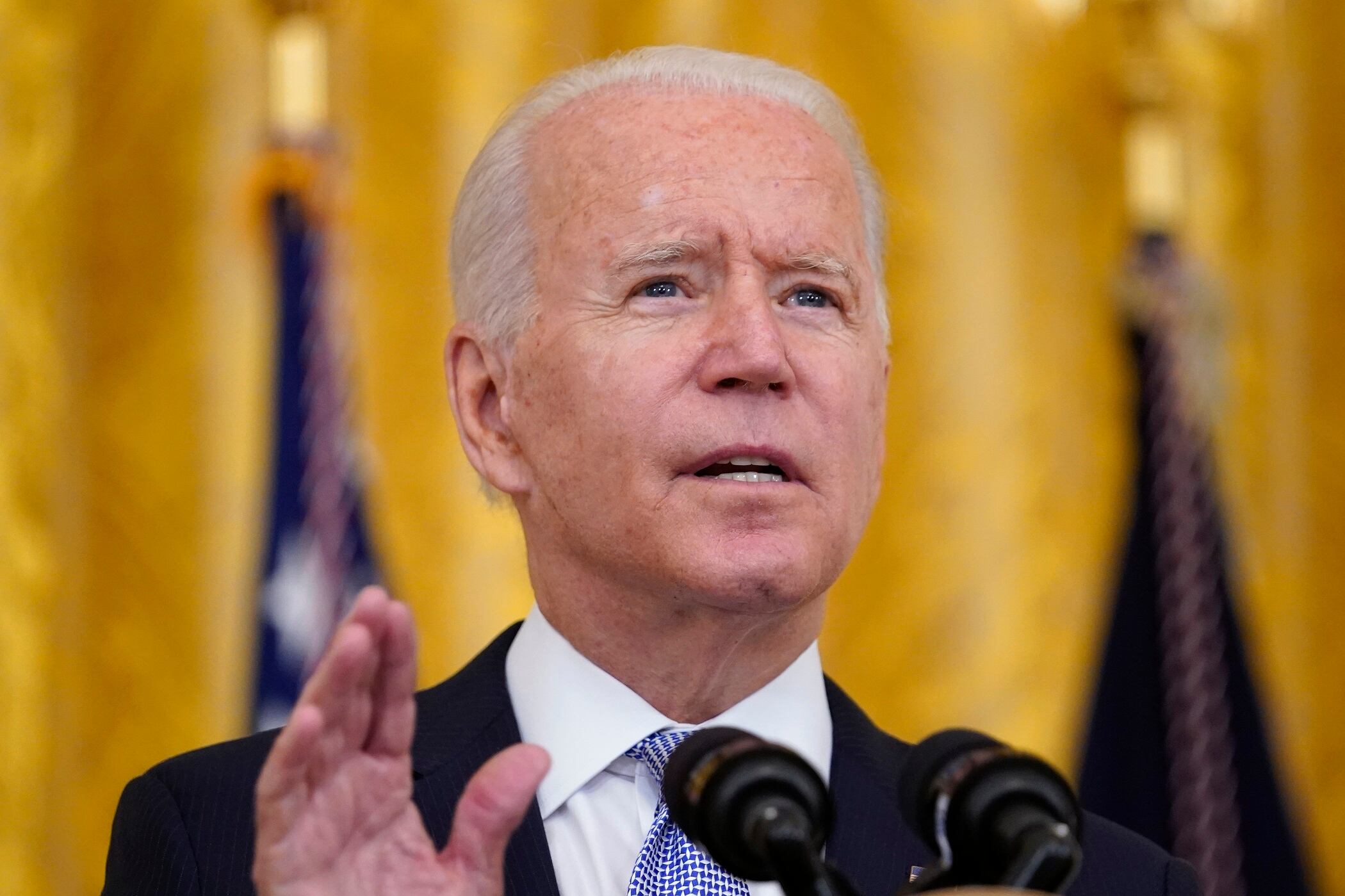
The Biden administration has announced sweeping new pandemic rules for federal workers and some contractors.
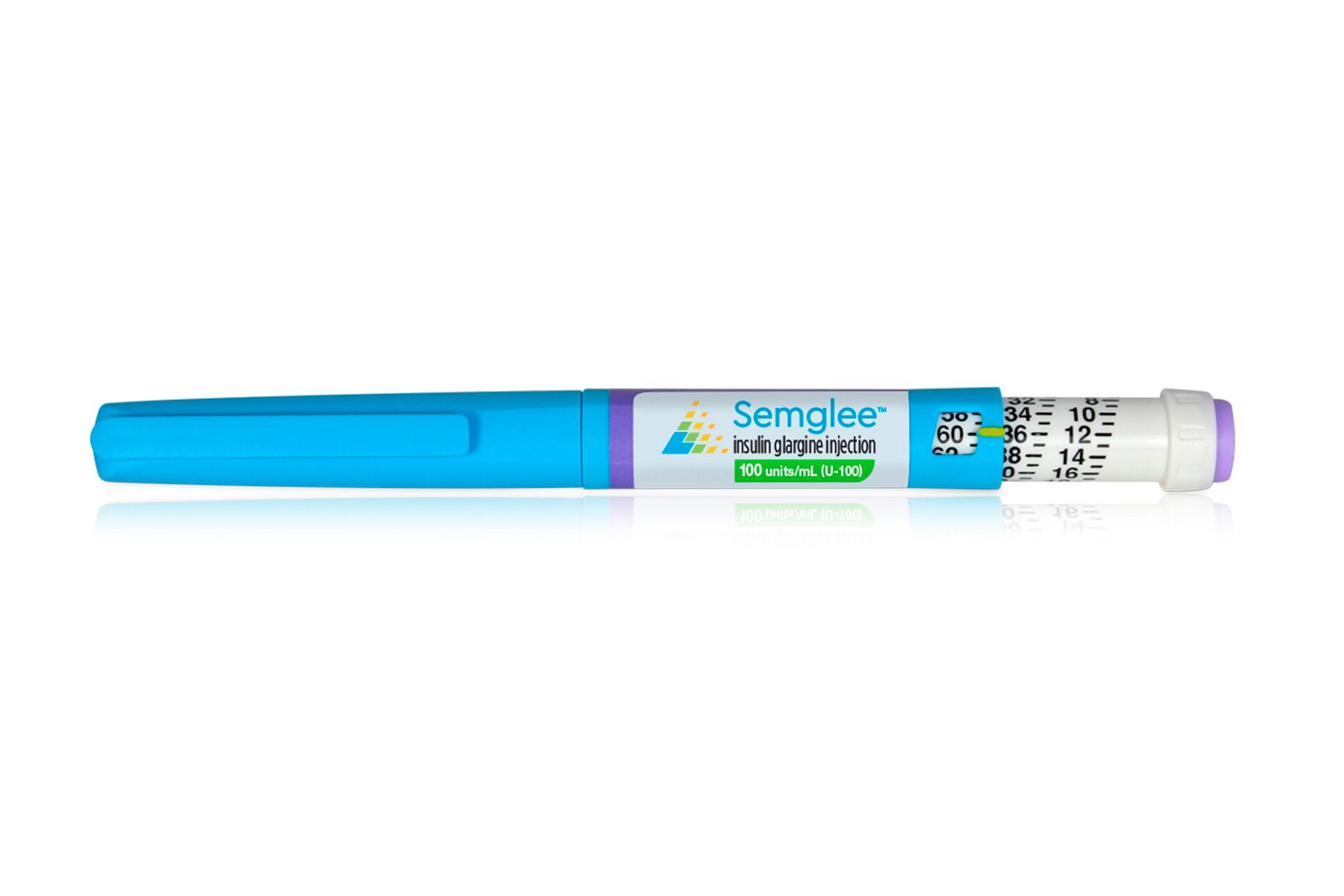
U.S. regulators have taken action that will make it easier to get a cheaper and similar version of a brand-name insulin at the drugstore.
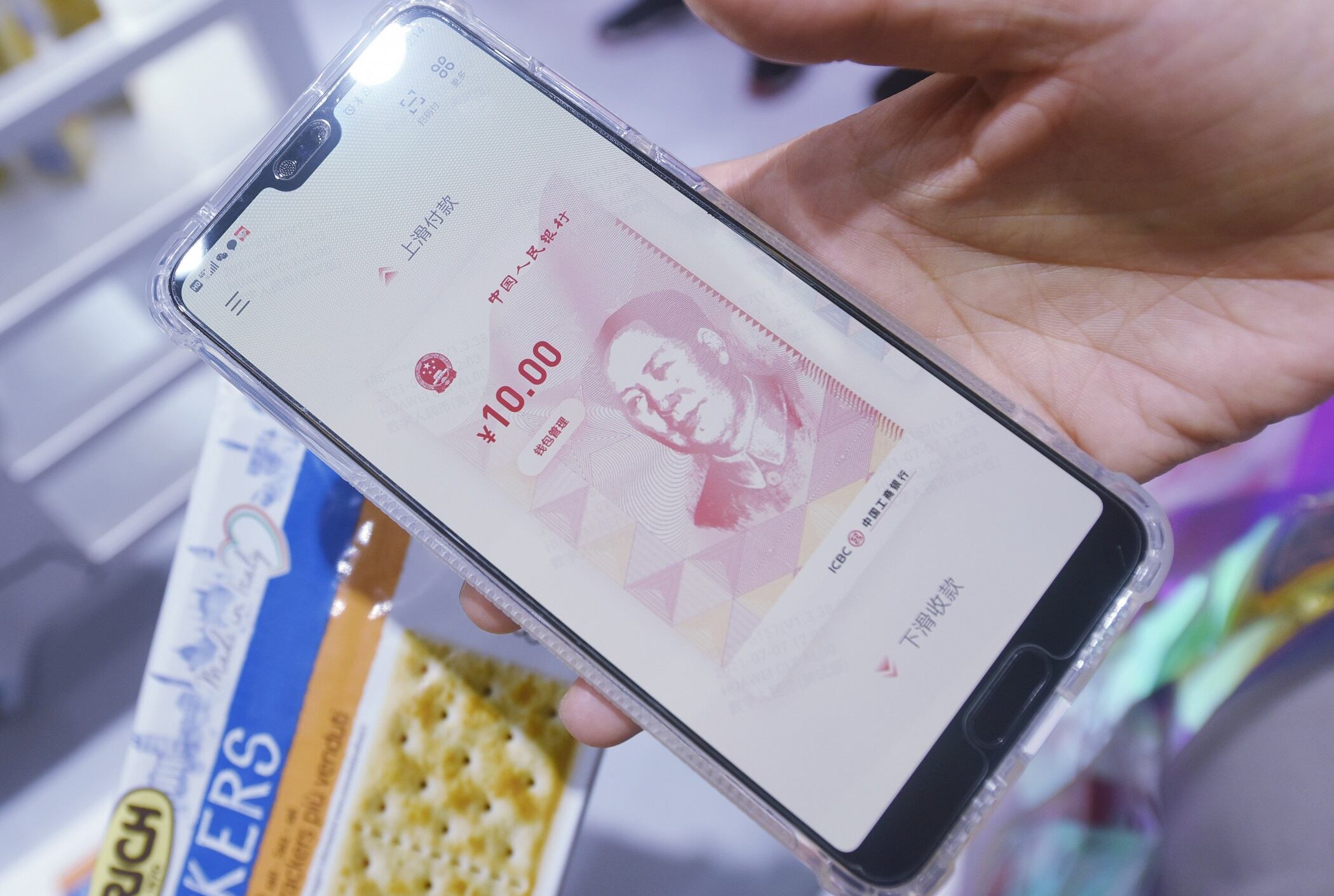
A new interactive tracker from the Atlantic Council shows that 81 countries are at some stage of development with a central bank digital currency, but the U.S. is notably absent from its list of frontrunners.
Fueled by vaccinations and government aid, the U.S. economy grew at a solid 6.5% annual rate last quarter in the clearest sign to date that the nation has achieved a sustained recovery from the pandemic recession.
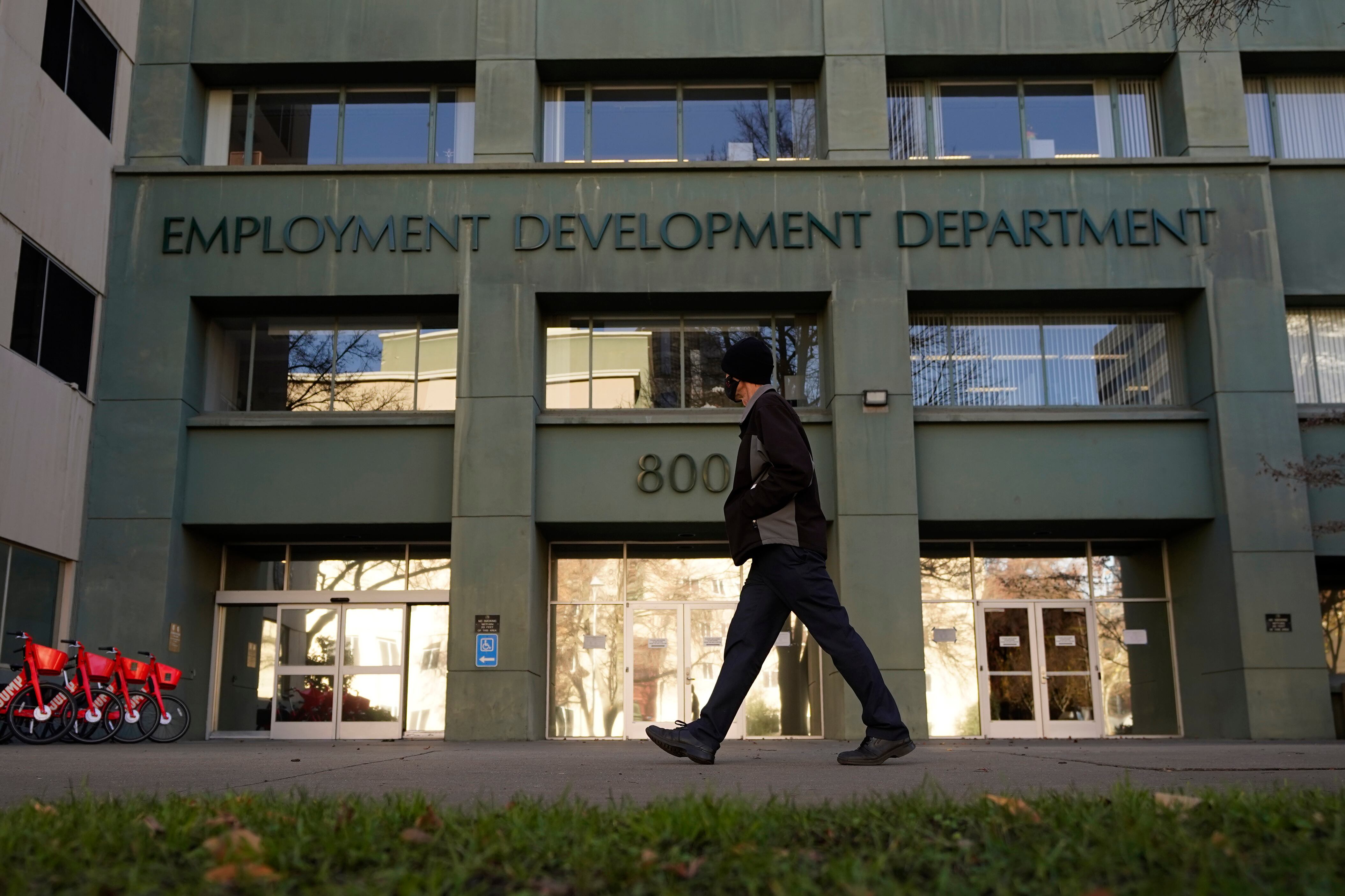
The number of Americans collecting unemployment benefits slid last week, another sign that the job market continues to recover rapidly from the coronavirus recession.