Senator Kamala Harris, who was once seen as a top tier contender for the 2020 Democratic presidential nomination, dropped out of the race on Tuesday.
"I've taken stock and looked at this from every angle, and over the last few days have come to one of the hardest decisions of my life," the California senator wrote in a note to supporters. "My campaign for president simply doesn't have the financial resources we need to continue."
Harris spent the early days of her campaign as a promising candidate, rising as high as second place in the Real Clear Politics poll average in July, but has struggled with finances as well as reports of staff disorganization and infighting, according to the New York Times.
By November, she was polling in the low single digits and laid off her New Hampshire field team to increase her focus on Iowa's first-in-the-nation caucuses on February 3.
Though she had shifted focus to the Hawkeye State, she lacked the cash to run TV ads in Iowa, a state in which Harris had not run an ad in three months. Only recently, support for a super PAC made up of former aides to pay for advertising began to gain traction within the campaign.
Harris was one of seven candidates who had already qualified for the sixth debate, which will be held in her home state of California, before today's announcement.
The senator had started her campaign in front of a crowd of20,000 in Oakland, according to her campaign, and said she is withdrawing "with deep regret — but also with deep gratitude."
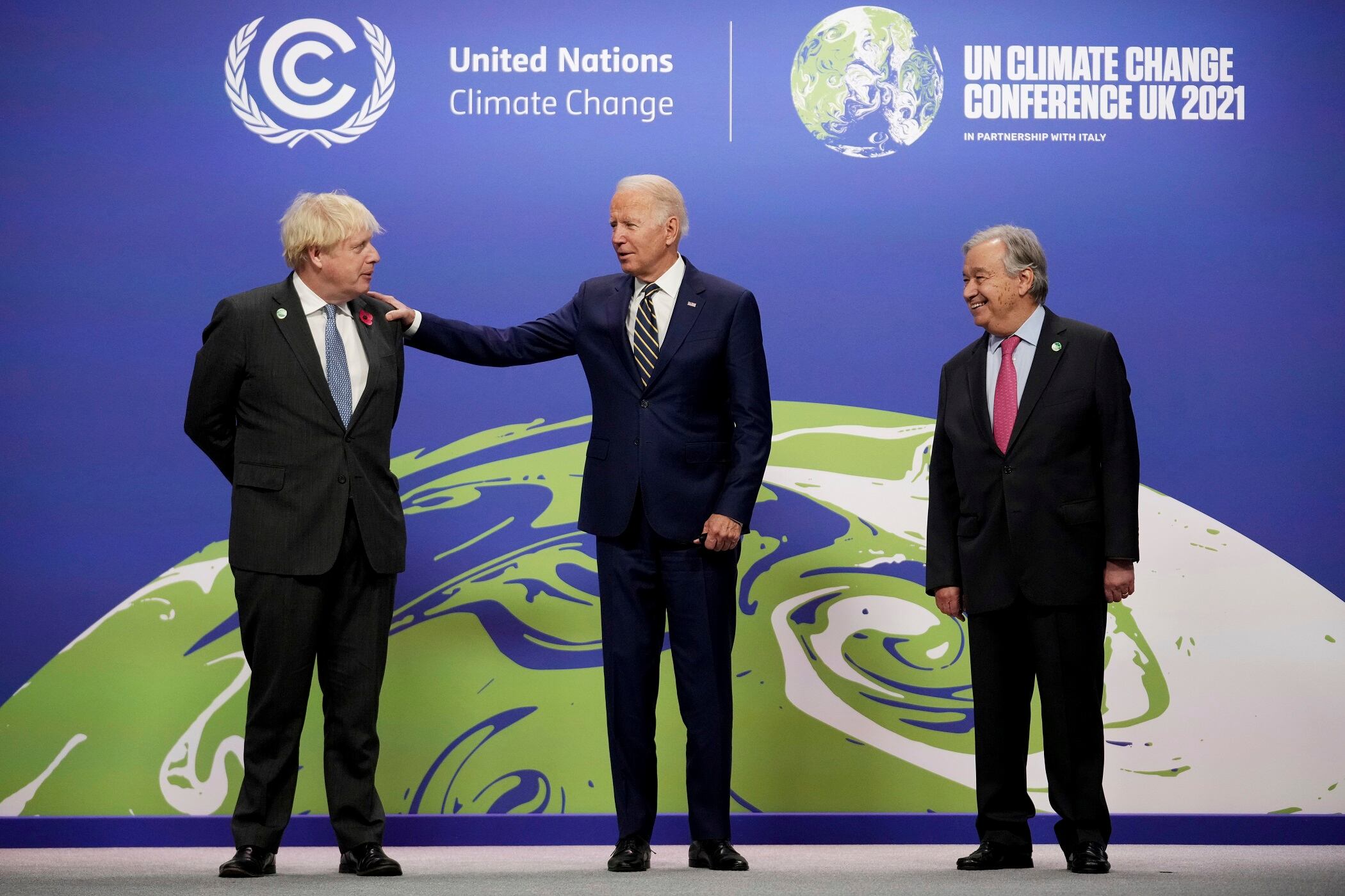
British Prime Minister Boris Johnson has opened a global climate summit, saying the world is strapped to a “doomsday device.”
Activists are getting a boost from CrowdLobby to press legislators to expand New York's Good Samaritan Law to teach high school students about being proactive in saving their peers from potentially dying of a drug overdose.
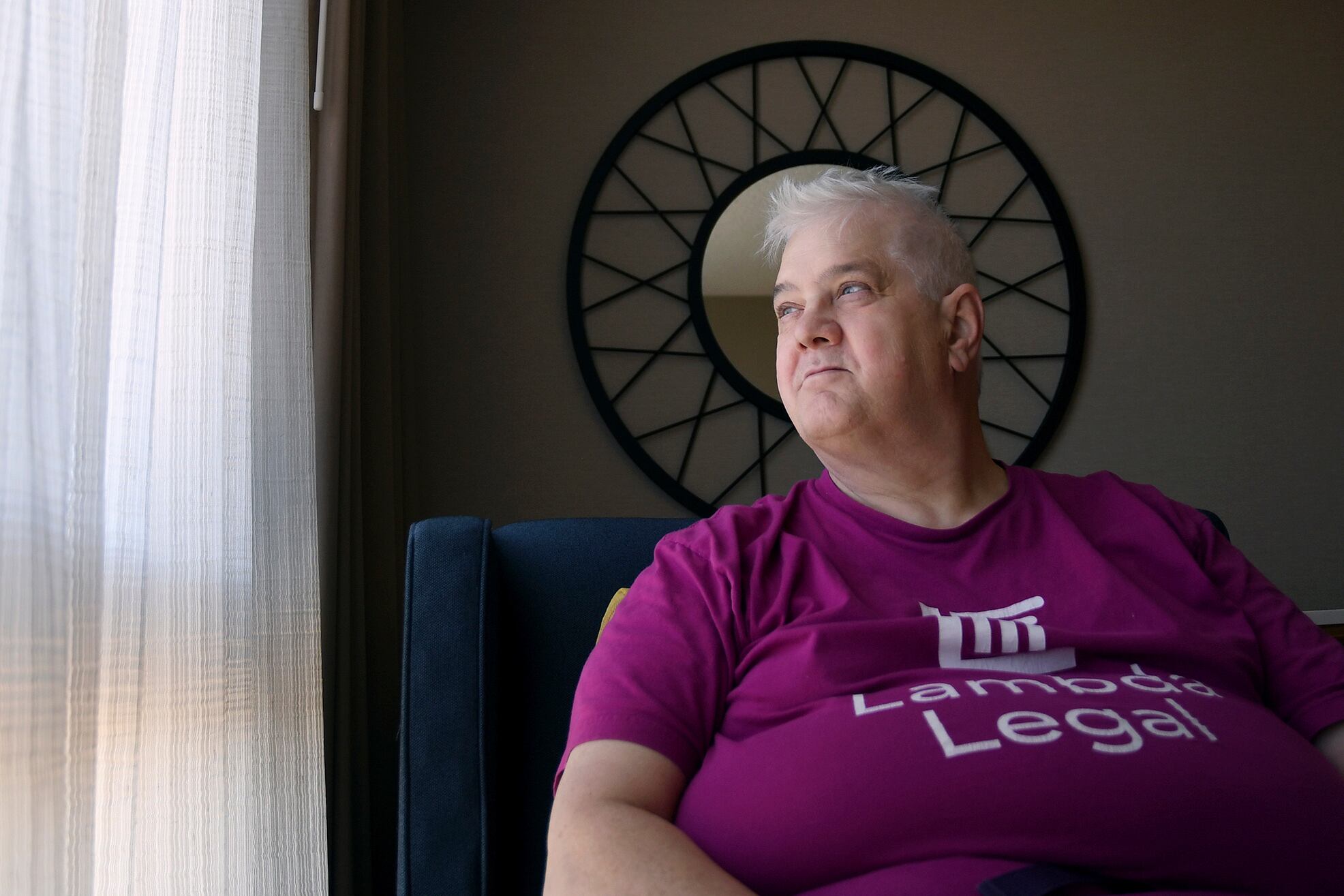
The United States has issued its first passport with an “X” gender designation for people who don’t identify as male or female.
A group of prominent academics and activists are calling on banks and insurers to avoid the kind of systemic collapse that crippled the world economy back in 2008.
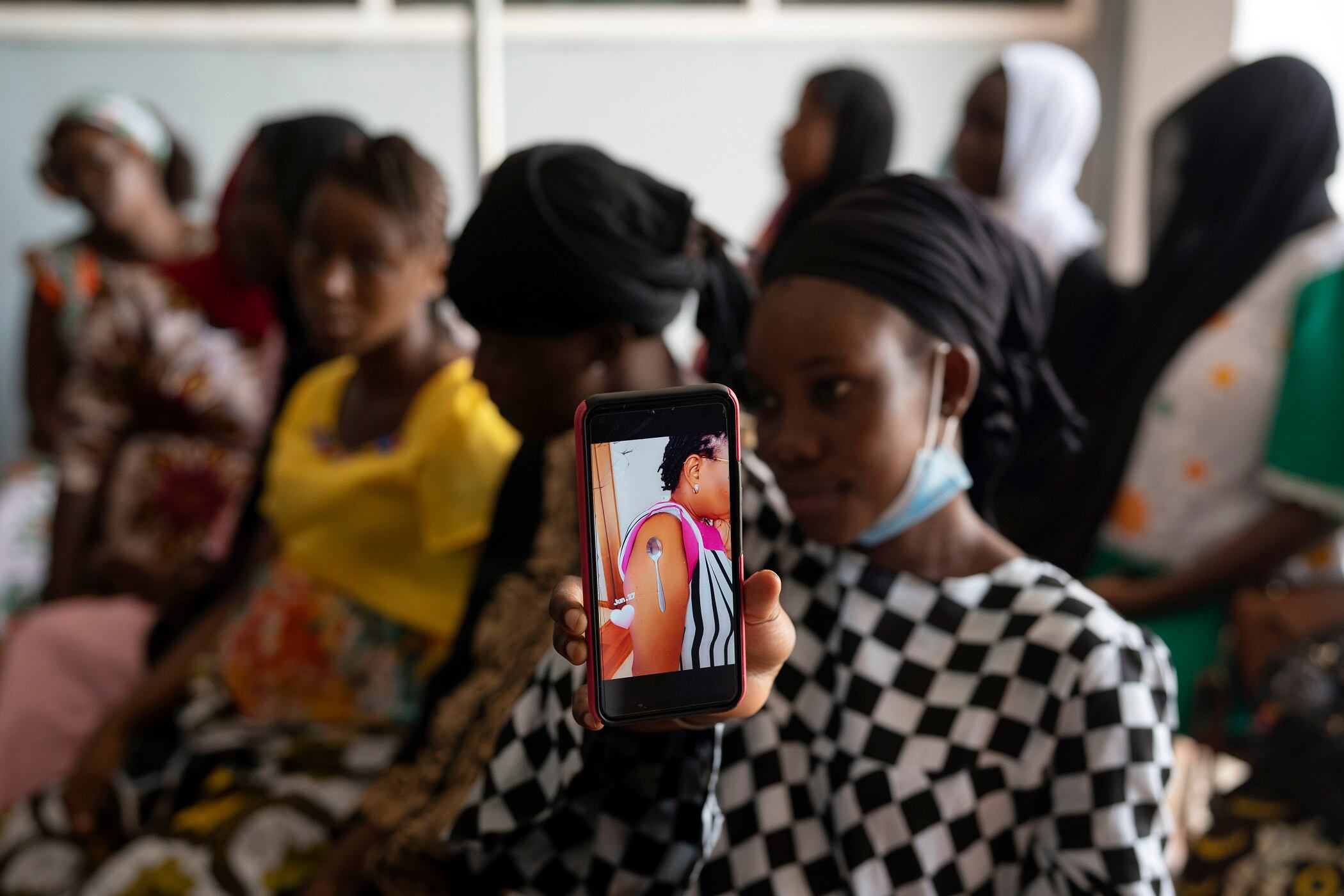
Last spring, as false claims about vaccine safety threatened to undermine the world's response to COVID-19, researchers at Facebook found they could reduce vaccine misinformation by tweaking how vaccine posts show up on users' newsfeeds.
New York City's first immersive cannabis experience, The Stone Age, is seeking to change the narrative about cannabis, just in time for legalization.
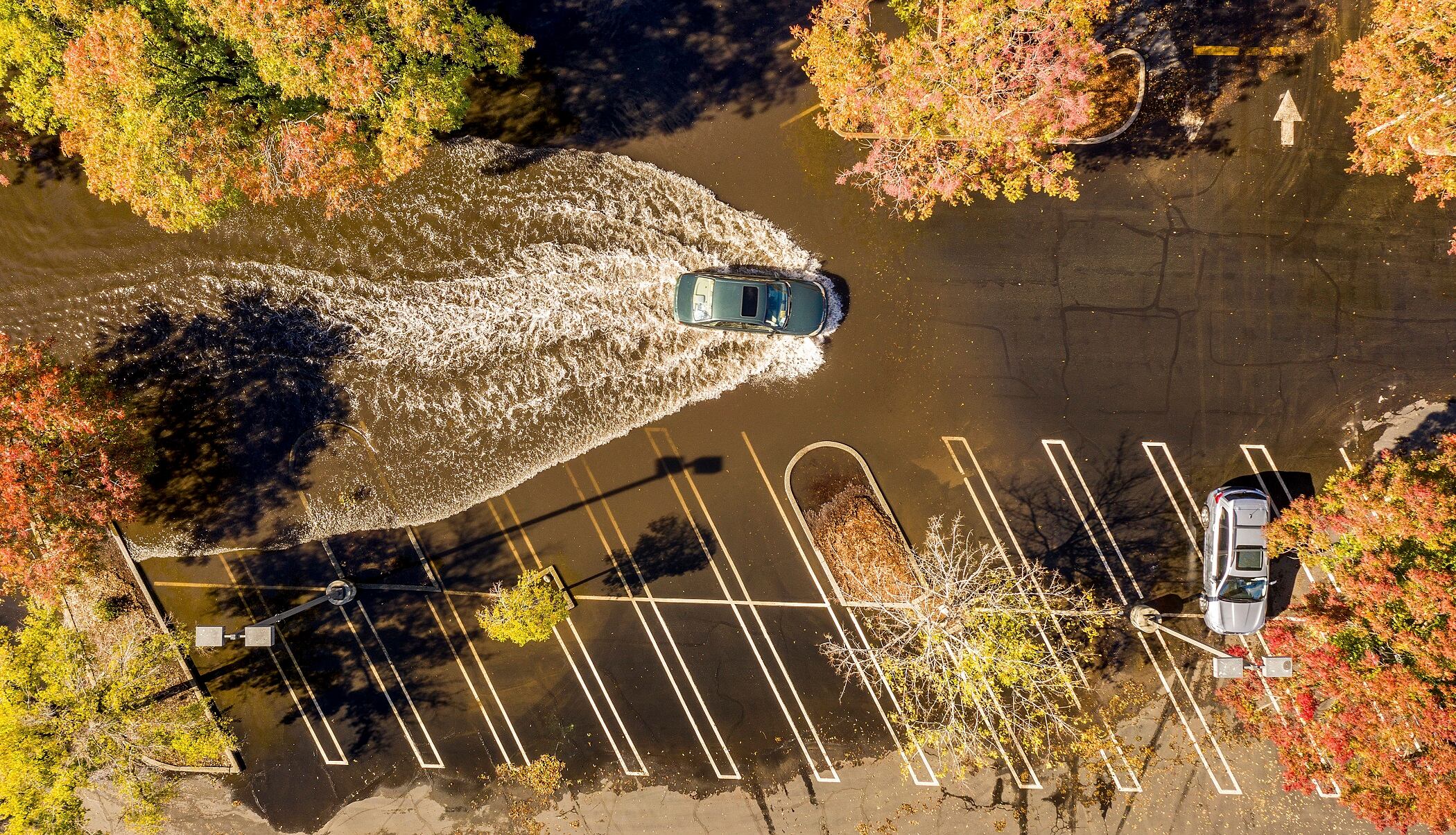
The U.N. weather agency says greenhouse gas concentrations hit a new record high last year and increased at a faster rate than the annual average for the last decade.
Facebook the company is losing control of Facebook the product — and of the carefully crafted image it’s spent over a decade selling despite problems like misinformation, human trafficking, and pervasive extremist groups on its platform.
The Supreme Court is allowing the Texas law that bans most abortions to remain in place for now but has agreed to hear arguments in the case on Nov. 1.
Some investors aren’t waiting to see if former President Donald Trump’s plans for a media company to challenge the likes of Facebook, Twitter and even Disney can actually become reality — they’re all in.