Senator Kamala Harris, who was once seen as a top tier contender for the 2020 Democratic presidential nomination, dropped out of the race on Tuesday.
"I've taken stock and looked at this from every angle, and over the last few days have come to one of the hardest decisions of my life," the California senator wrote in a note to supporters. "My campaign for president simply doesn't have the financial resources we need to continue."
Harris spent the early days of her campaign as a promising candidate, rising as high as second place in the Real Clear Politics poll average in July, but has struggled with finances as well as reports of staff disorganization and infighting, according to the New York Times.
By November, she was polling in the low single digits and laid off her New Hampshire field team to increase her focus on Iowa's first-in-the-nation caucuses on February 3.
Though she had shifted focus to the Hawkeye State, she lacked the cash to run TV ads in Iowa, a state in which Harris had not run an ad in three months. Only recently, support for a super PAC made up of former aides to pay for advertising began to gain traction within the campaign.
Harris was one of seven candidates who had already qualified for the sixth debate, which will be held in her home state of California, before today's announcement.
The senator had started her campaign in front of a crowd of20,000 in Oakland, according to her campaign, and said she is withdrawing "with deep regret — but also with deep gratitude."
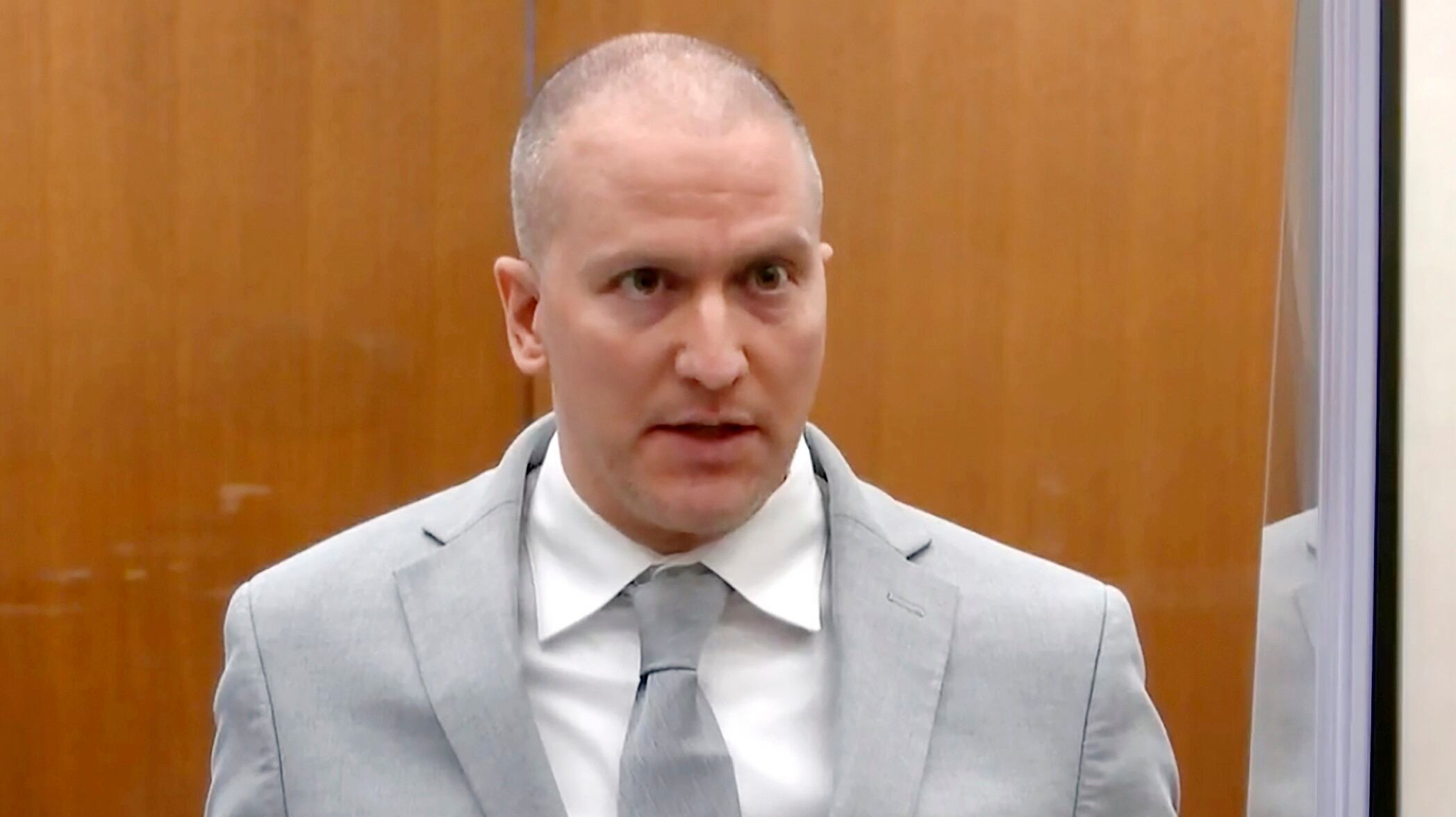
Former Minneapolis police Officer Derek Chauvin has pleaded guilty to a federal charge of violating George Floyd’s civil rights.
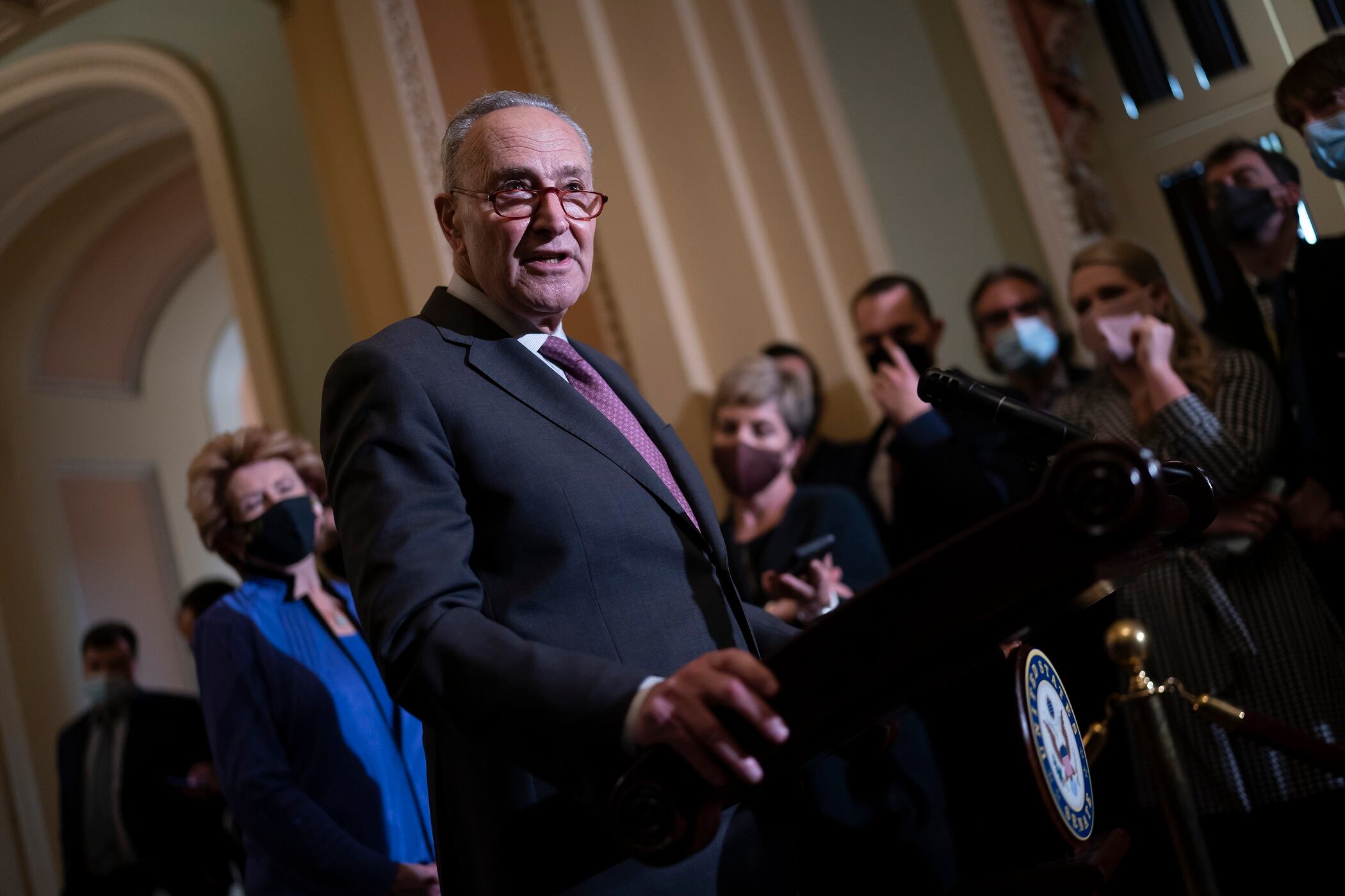
Congress has approved a $2.5 trillion debt limit hike, sending legislation to avert a catastrophic default to President Joe Biden for his signature.
Despite the hype and headlines earlier this year around meme stocks and Robinhood, the SEC and FINRA have made few concrete changes around retail investing.
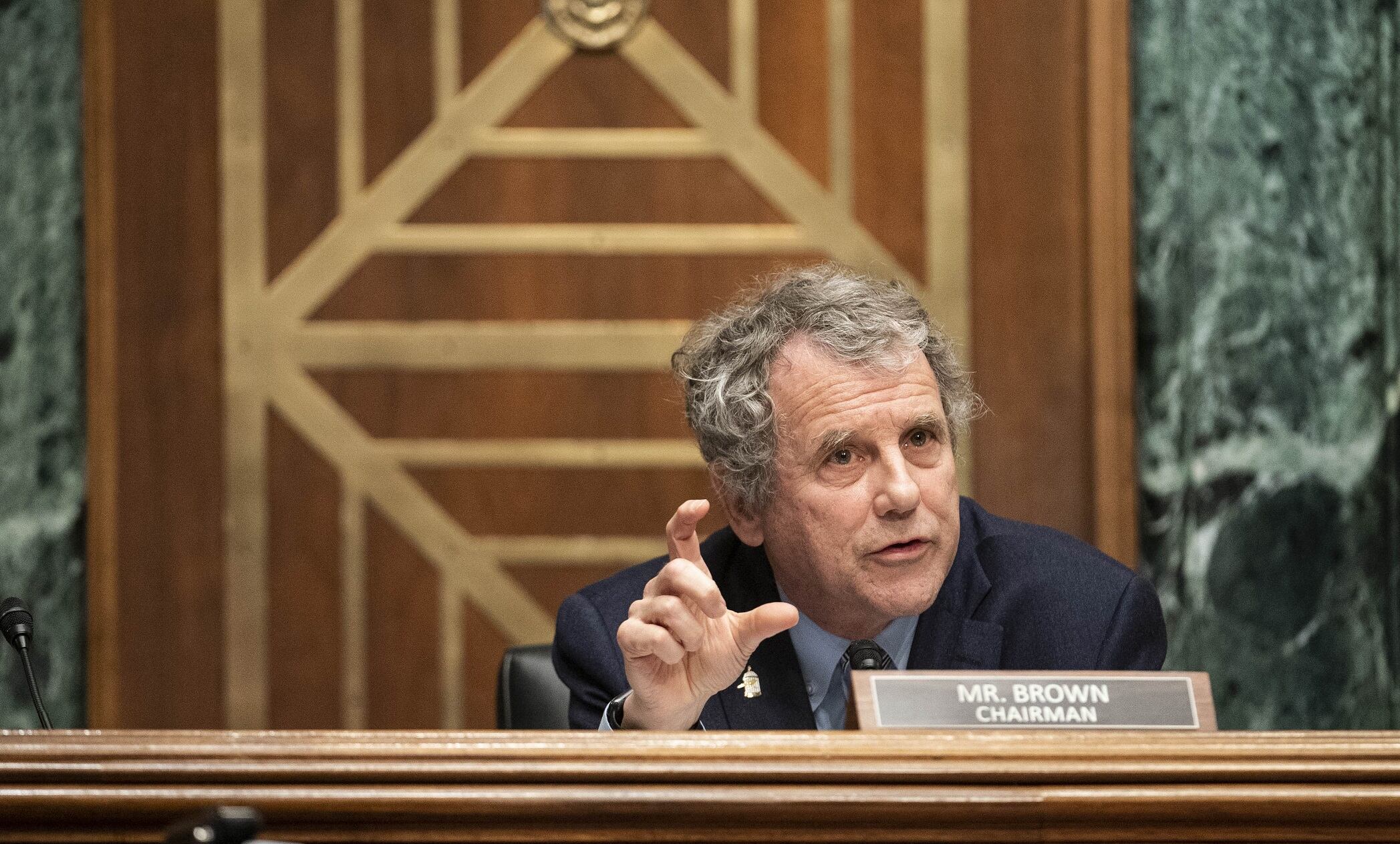
The Senate Committee on Banking, Housing and Urban Affairs held a hotly debated hearing regarding fiat-backed stablecoins on Tuesday that still led to a conclusion the space needed some form of regulation.
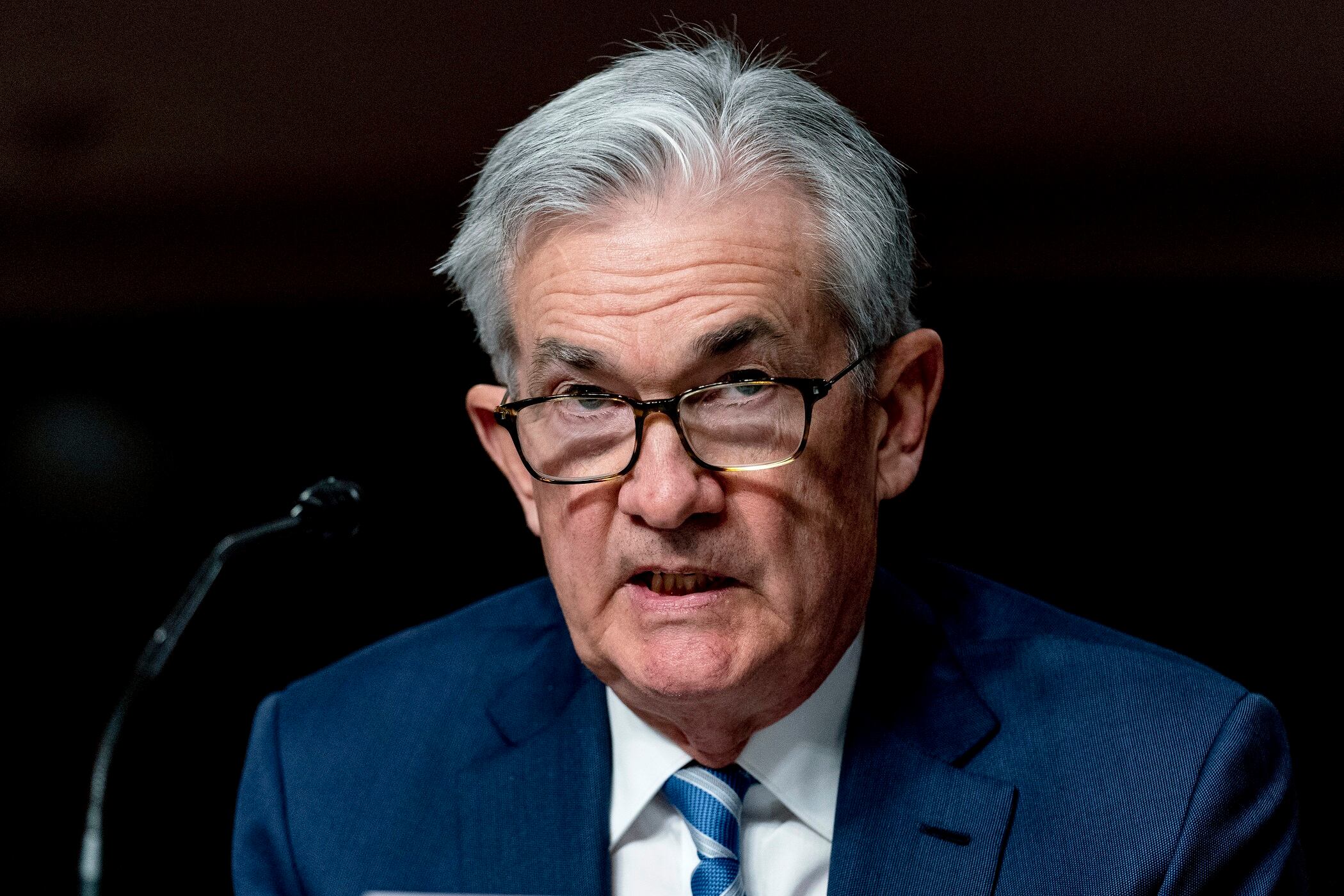
Under Chair Jerome Powell, the Federal Reserve is poised this week to execute a sharp turn toward tighter interest-rate policies with inflation accelerating and unemployment falling faster than expected.
Cheddar has been covering the biggest news of the week with some of the biggest names in the biz. In case you missed it, we've pulled together some of the highlights that will keep you informed as we get ready for the week ahead.
Prices were up 6.8 percent year-over-year In November, according to the latest consumer price index from the U.S. Bureau of Labor Statistics.
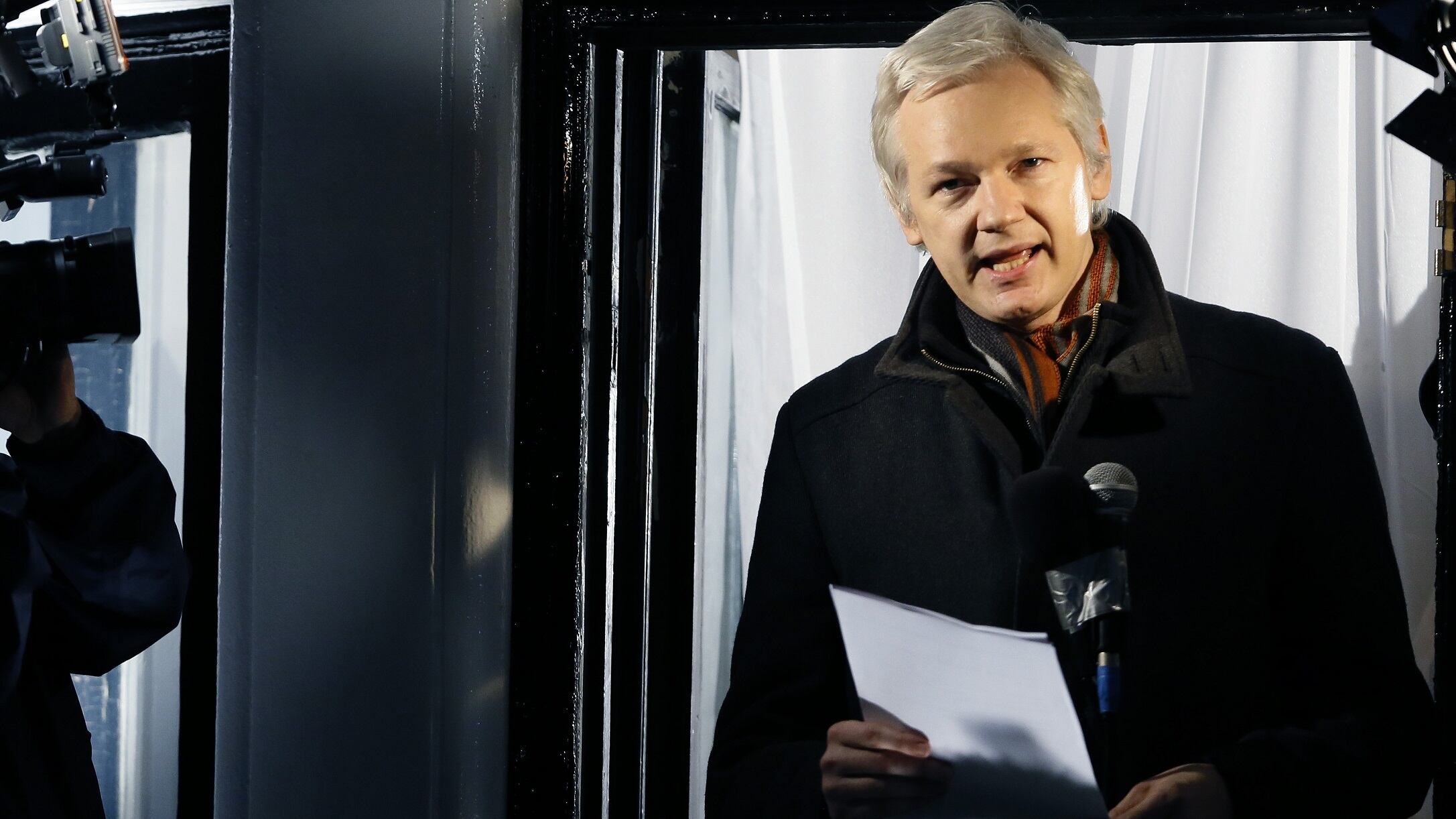
A British appellate court opened the door Friday for Julian Assange to be extradited to the United States by overturning a lower court's decision that the WikiLeaks founder's mental health was too fragile to withstand the American criminal justice system.
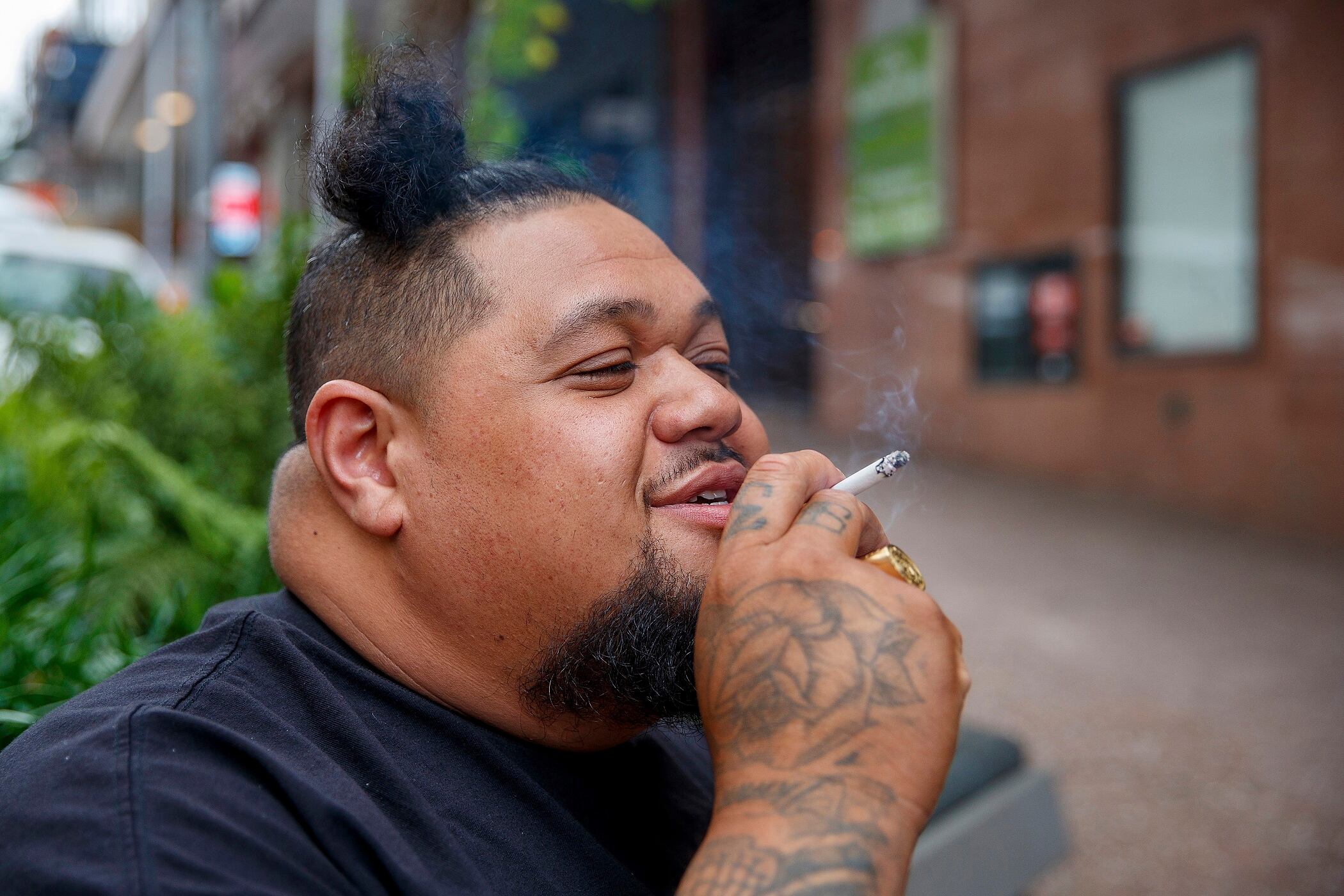
New Zealand’s government believes it has come up with a unique plan to end tobacco smoking — a lifetime ban for those aged 14 or younger.
The number of Americans applying for unemployment benefits plunged last week to the lowest level in 52 years, more evidence that the U.S. job market is recovering from last year’s coronavirus recession.