Senator Kamala Harris, who was once seen as a top tier contender for the 2020 Democratic presidential nomination, dropped out of the race on Tuesday.
"I've taken stock and looked at this from every angle, and over the last few days have come to one of the hardest decisions of my life," the California senator wrote in a note to supporters. "My campaign for president simply doesn't have the financial resources we need to continue."
Harris spent the early days of her campaign as a promising candidate, rising as high as second place in the Real Clear Politics poll average in July, but has struggled with finances as well as reports of staff disorganization and infighting, according to the New York Times.
By November, she was polling in the low single digits and laid off her New Hampshire field team to increase her focus on Iowa's first-in-the-nation caucuses on February 3.
Though she had shifted focus to the Hawkeye State, she lacked the cash to run TV ads in Iowa, a state in which Harris had not run an ad in three months. Only recently, support for a super PAC made up of former aides to pay for advertising began to gain traction within the campaign.
Harris was one of seven candidates who had already qualified for the sixth debate, which will be held in her home state of California, before today's announcement.
The senator had started her campaign in front of a crowd of20,000 in Oakland, according to her campaign, and said she is withdrawing "with deep regret — but also with deep gratitude."
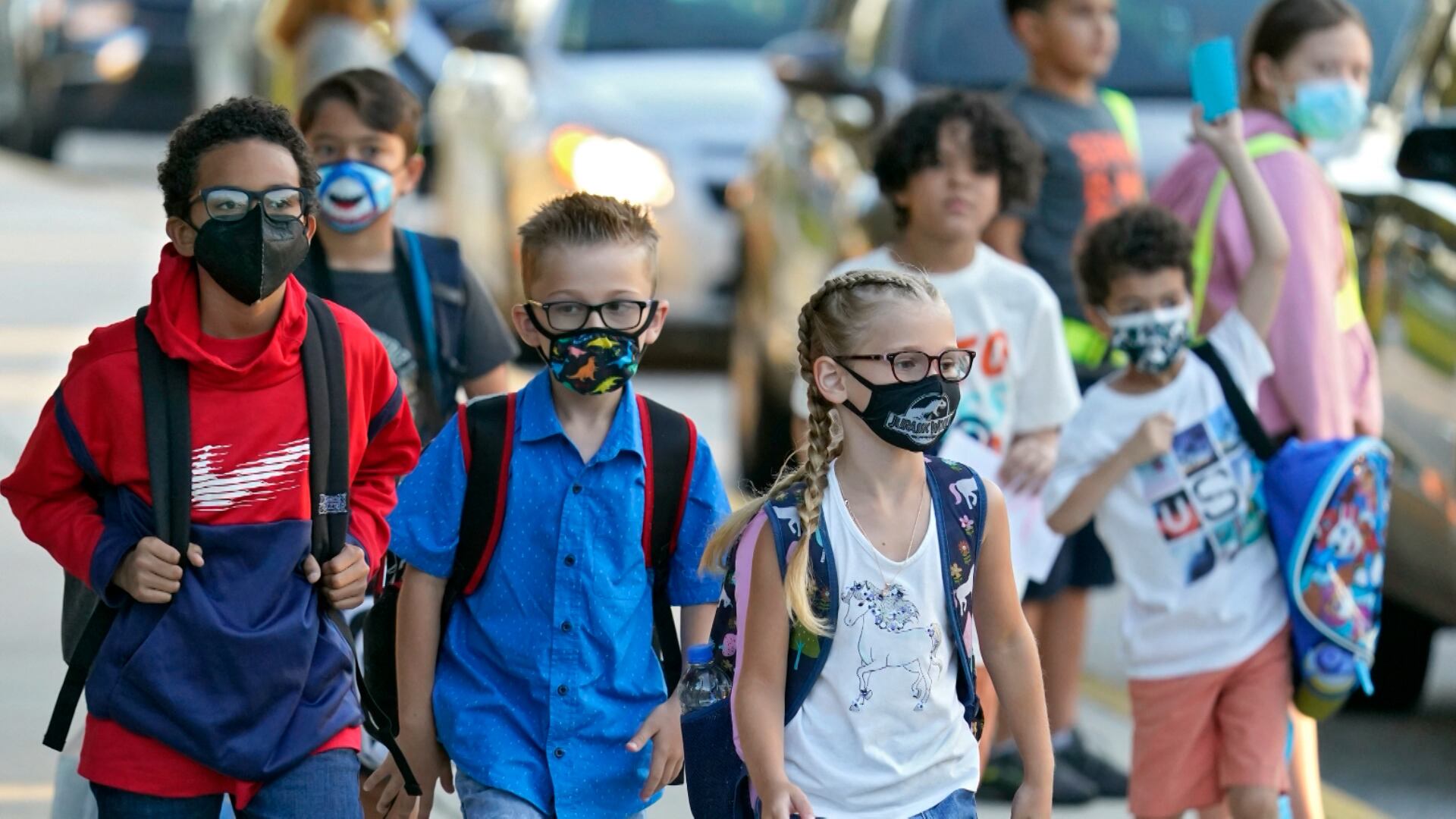
Even amid the spread of the Delta variant, Republican governors in states like Florida and Texas have taken actions like banning mask mandates for school districts that will soon bring students back for the year. This argument happens amid a stark increase in pediatric COVID cases.
Bianca Quilantan, education reporter at POLITICO, joins Cheddar Politics to discuss.
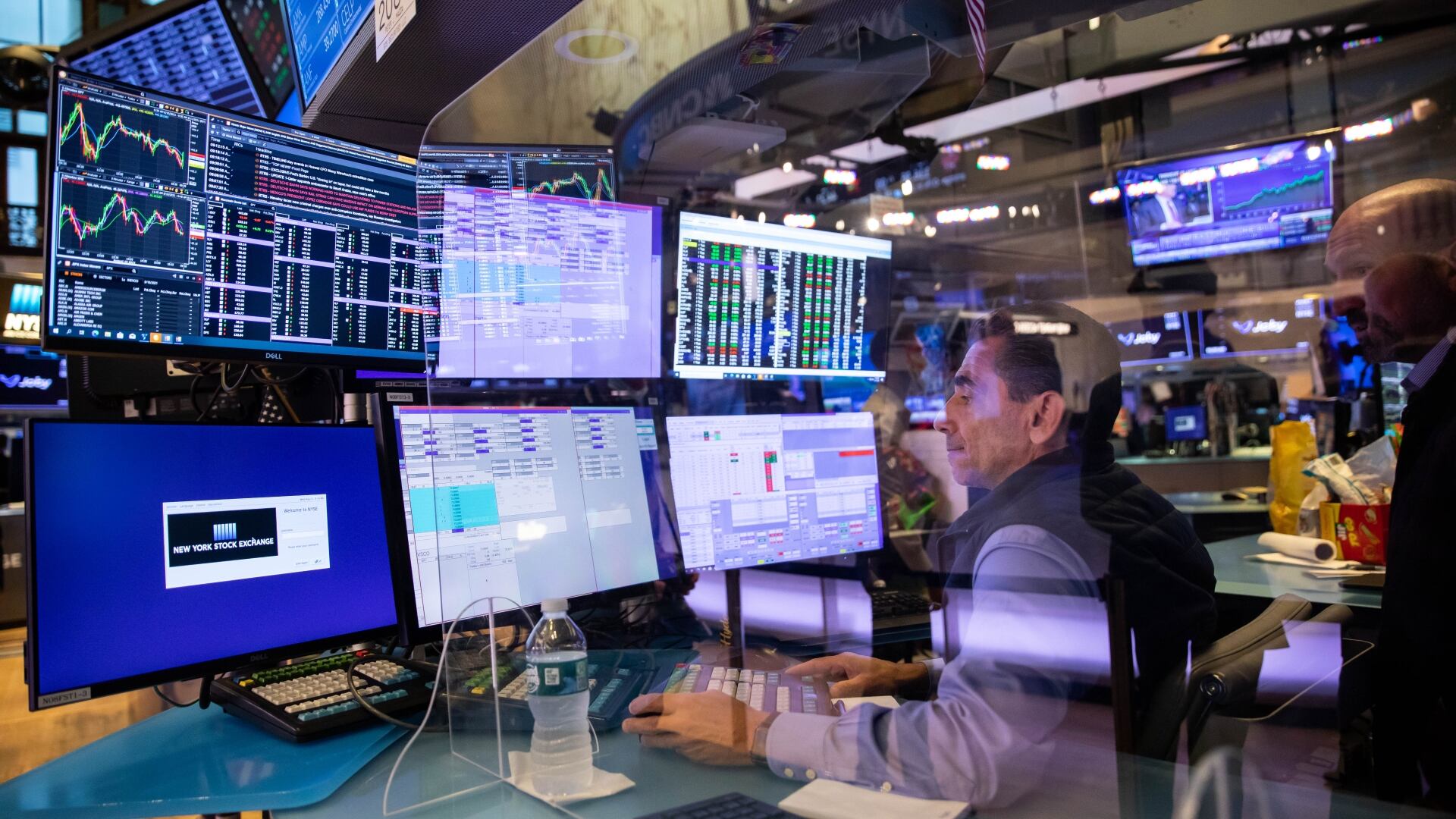
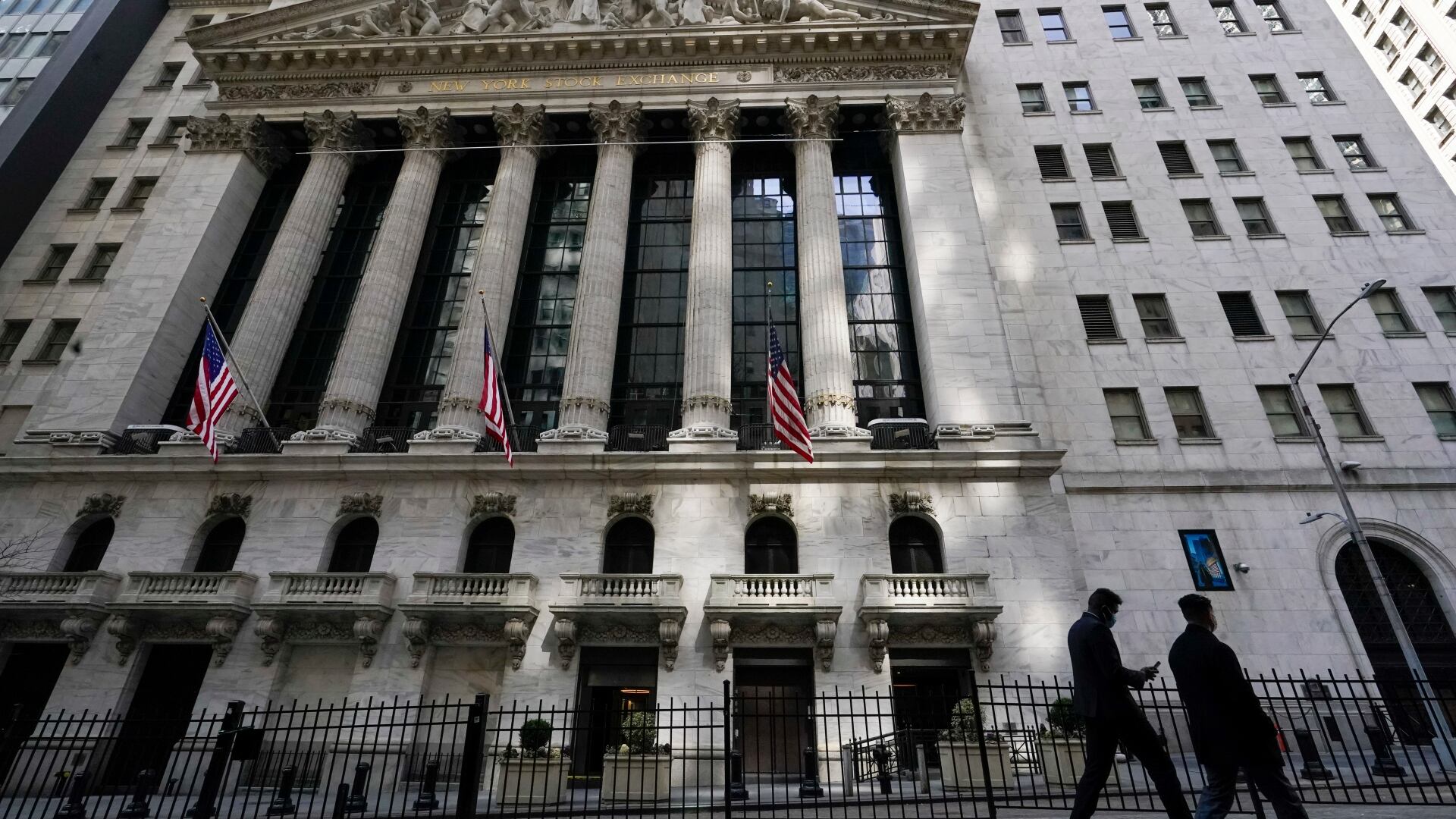
In stories sure to move markets next week, Robinhood and several retail giants report earnings, Jerome Powell takes the podium, New York City's mask mandate goes into effect, and Tesla hosts its 'AI Day.'
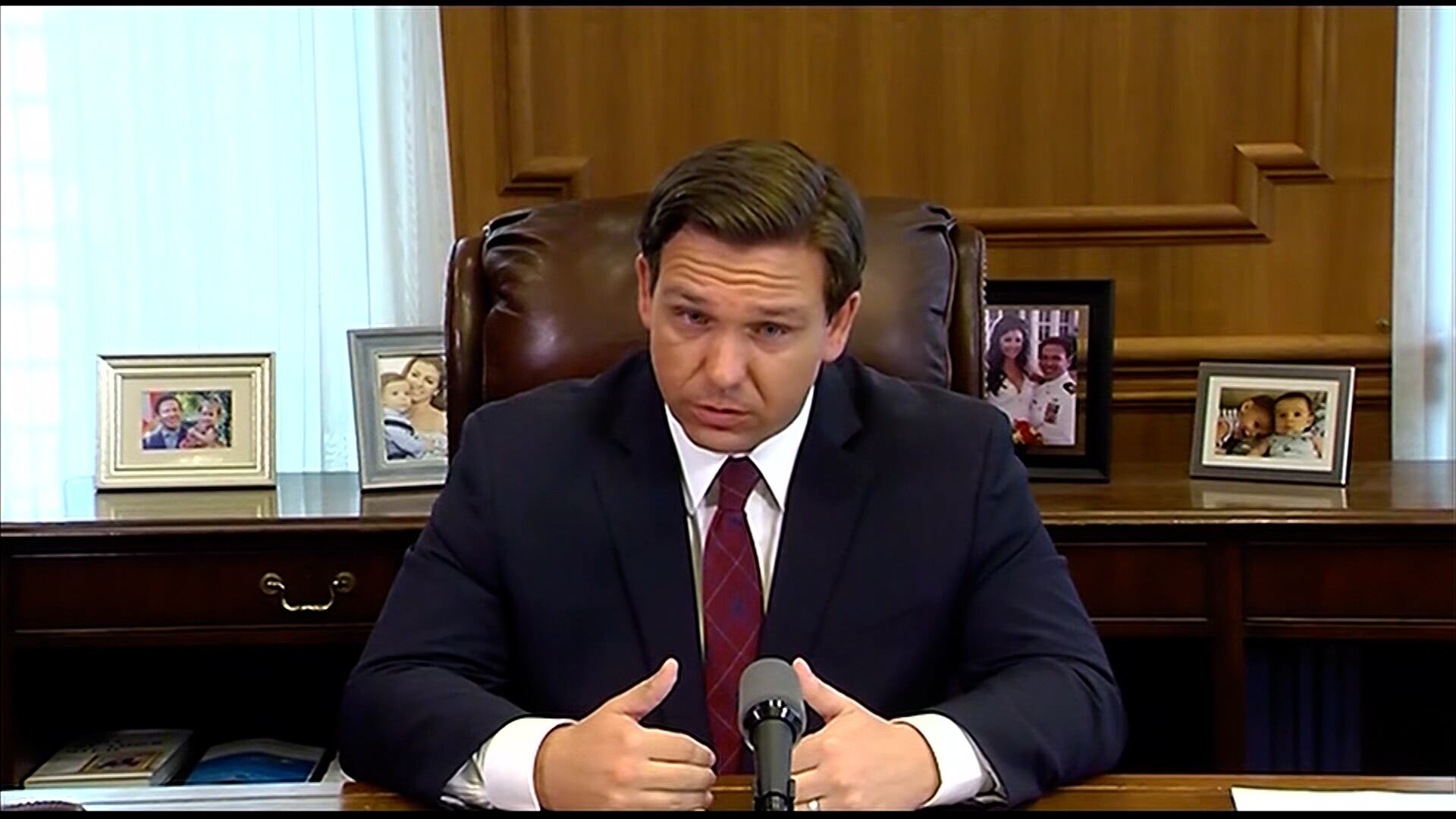
Former President Trump remains the standard-bearer of the Republican Party in his first six months removed from office. But despite his position atop the party, others are moving to shore up their own bona fides. Chief among them is Florida Gov. Ron DeSantis who has signed a bevy of bills popular among conservatives this year. He's viewed as a potential successor to trump, and that's creating tension with the still-present Trump.
Matt Dixon, POLITICO Florida bureau chief, joins Cheddar Politics to discuss.