By Adam Beam
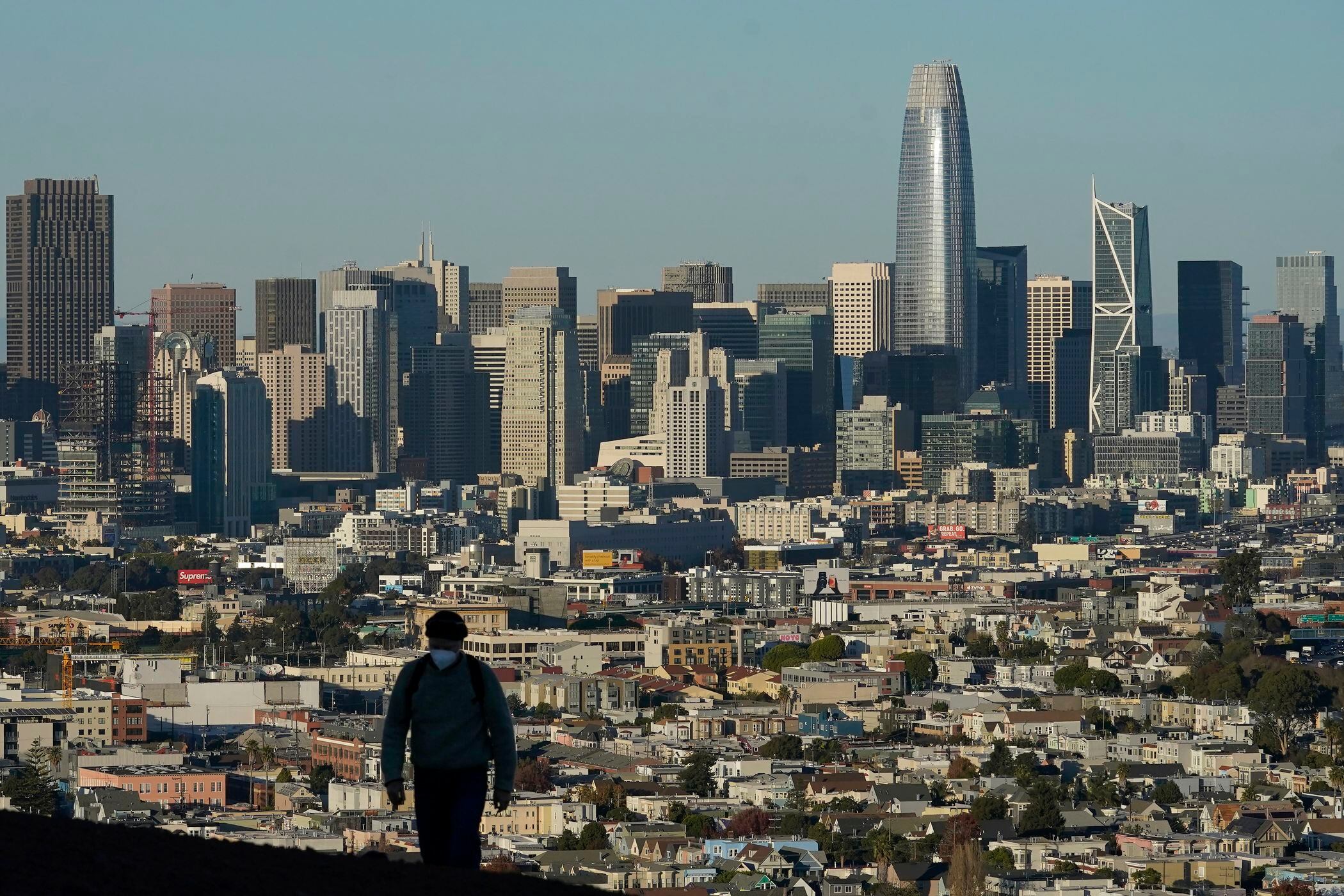
California’s population fell by more than 182,000 people in 2020, marking the first year-over-year loss ever recorded for the nation’s most populous state.
State officials announced Friday that California’s population dipped 0.46% to just under 39.5 million people from January 2020 to January 2021.
The news comes one week after the U.S. Census Bureau announced a paltry population growth for California, resulting in the state losing a congressional seat for the first time because it grew more slowly than other states over the past decade.
But the census numbers reflect the state’s population in April 2020. The new state numbers released Friday reflect the state’s population as of January 2021.
California became a state in 1850 on the heels of a gold rush that prompted people to seek their fortune out west. The population soared following World War II with the help of a robust defense and aerospace industry. It boomed again in the 1980s and 1990s as technology companies put Silicon Valley on the map.
But the growth slowed after the end of the Cold War in the 1990s when the federal government cut back on defense spending and again in the years before the Great Recession in the late 2000s.
State officials say California has seen more people leave than move in from other states for much of the last three decades. However, that had been offset by international immigration and births so that California continued to grow.
That changed in 2020. State officials say a declining birth rate, plus reductions in international immigration and an increase in deaths because of the coronavirus, led to the state's first-ever year-over-year population loss.
California had a negative international migration in 2020, which state officials say was a direct impact from the Trump administration's decision to stop issuing new visas for much of that year. Coronavirus restrictions around the world also caused about a 29% decline in international students coming to California or about 53,000 people.
Plus, about 51,000 people died from the coronavirus in California last year. That's a 19% increase above the state's average death rate for the past three years. In all, 51 of the state's 58 counties posted death rates above the three-year average — including 12 that had increases of 20% or more.
In a news release, the California Department of Finance said it expects the state to return to a “slightly positive annual growth” for the 2021 calendar year. Those numbers will be released next May.
The state's population has become a political issue this year in light of the effort to recall Gov. Gavin Newsom, with Republicans blaming high taxes and the governor's policies for people fleeing the state. From 2010 to 2020, about 6.1 million people left California for other states compared to about 4.9 million people who moved to California from other states, according to an analysis of census data by the Public Policy Institute of California.
The Department of Finances population estimate comes from a number of sources, including birth and death counts, the number of new driver's licenses and address changes, school enrollments, and federal tax returns.