Rep. Eric Swalwell (D-Calif. 15th District) is urging his Republican colleagues to get onboard with President Joe Biden's sweeping $2.3 trillion infrastructure plan, saying that the bill addresses many issues that plagued the country even before the onset of the coronavirus pandemic.
"We know that as Americans get back to work, as the economy reopens, we'll be reminded of our crumbling infrastructure," Swalwell told Cheddar.
"Americans want to spend less time in their cars and more time with their families, so that means investing in rails, additional highways, roads, bridges, tunnels."
Swalwell also noted the potential for broadband expansion under the Biden proposal, particularly for students who have lacked access to adequate internet service during the establishment of distance learning.
The president's infrastructure plan calls for a hike in corporate taxes from 21 percent to 28 percent, a move that many Republicans have come out against though the proposal is still below the 35 percent rate that existed before the Trump administration. Swalwell said the GOP has to be "a part of this process" and hopes some are willing to cross the aisle for the benefit of the country at large.
"President Biden ran on a uniting-the-country agenda, and he is reaching across the aisle," Swalwell said. "And I hope he will find partners that will work with him."
"I'm confident, on our side, in the House, we will do what is needed to get done. I hope that on the Republican side in the Senate, that they can achieve 60 votes, meaning at least 10 Republicans cross the aisle for the infrastructure needs that are there."
In hopes of enticing Republican lawmakers to support Biden's plan, the California representative also pointed to the return of earmarks or "member-directed spending," which allow lawmakers to direct funds to specific projects or groups in their districts. Earmarks were temporarily banned by each party in 2011 after President Obama promised to veto any bill containing them during his State of the Union address.
Senate Republicans voted to permanently ban the practice in 2019 but have shown signs they may be willing to re-embrace them, according to The Hill.
Swalwell noted that not only are Democratic lawmakers supporting the American Jobs Plan, their constituents are also backing it.
"I just think good policy is good politics, and if we keep this country open, if the unemployment rate is low, and the economy grows, like Goldman Sachs predicted at 8 percent by the end of the year, I think Americans will want to return to responsible governance to Washington come 2022," he said.
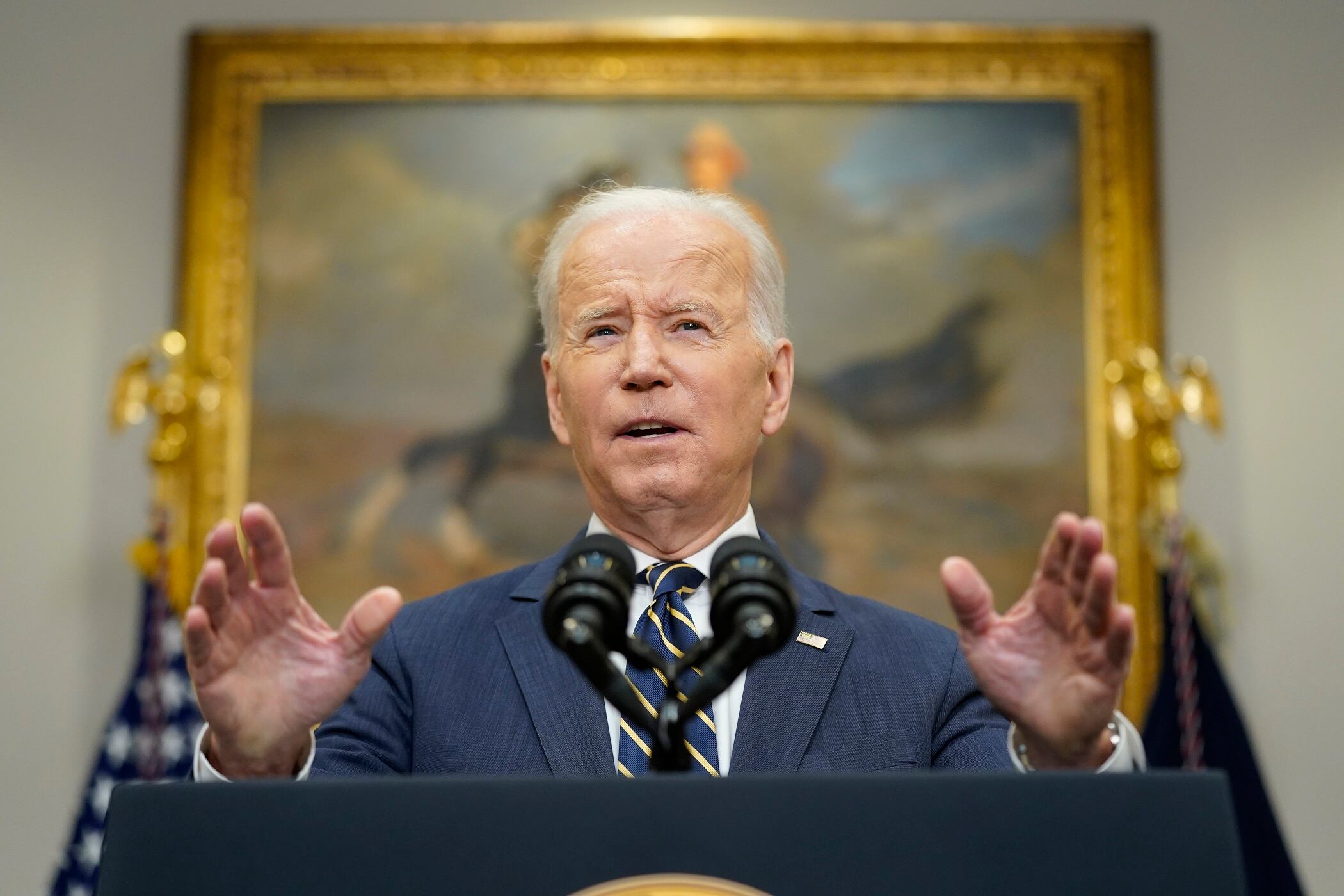
President Joe Biden announced Friday that along with the European Union and the Group of Seven countries, the U.S. will revoke “most favored nation” trade status for Russia over its invasion of Ukraine.
The consumer price index jumped 7.9 percent in February, marking a 40-year high for inflation in the U.S. This report comes less than a week ahead of the Fed's all important meeting. Kayla Bruun, Economic Analyst, Morning Consult, joined Cheddar's Opening Bell to discuss.
Markets opened lower amid hotter-than-expected inflation data, which surged to its highest level in nearly 40 years. Lisa Erickson, Senior Vice President and Co-Head, Public Markets Group, U.S. Bank joined Cheddar's Opening Bell to discuss the significance of this figure ahead of the Federal Reserve's FOMC meeting.
As the Russia-Ukraine war disrupts the global economy, sending markets on a roller coaster ride, gold remains hovering around $2,000 an ounce. Often seen as a safe haven in times of economic crisis, Jason Cozens, founder and CEO of gold-as-currency platform Glint Pay, joined Cheddar’s Opening Bell to discuss the latest gold rush, how the war is impacting prices, and how people can use Glint to trade in the precious metal. “You know the stock markets and cryptocurrencies are risky investments," he stated. "Whereas gold is just reliable money. It's no one else's liability if you own."
As Western sanctions weigh on Russia's economy, the country is at the risk of defaulting on its debt. Fitch ratings agency has downgraded Russia's debt for the second time in a week, warning a "sovereign default is imminent." Jesse Wheeler, Economic Analyst at Morning Consult, explains what that means, and how it could have ripple effects across the global economy.
Uber Lyft and Doordash are all set to spend $1 million dollars on a campaign and efforts to stop lawmakers from classifying their gig workers as employees. The campaign features TV and online ads highlighting Washington area workers who say they prefer the flexibility of being an independent contractor rather than following the model of a company employee. Professor at NYU. Stern School of Business and author of the sharing economy, Arun Sundararajan, joined Cheddar to discuss more.
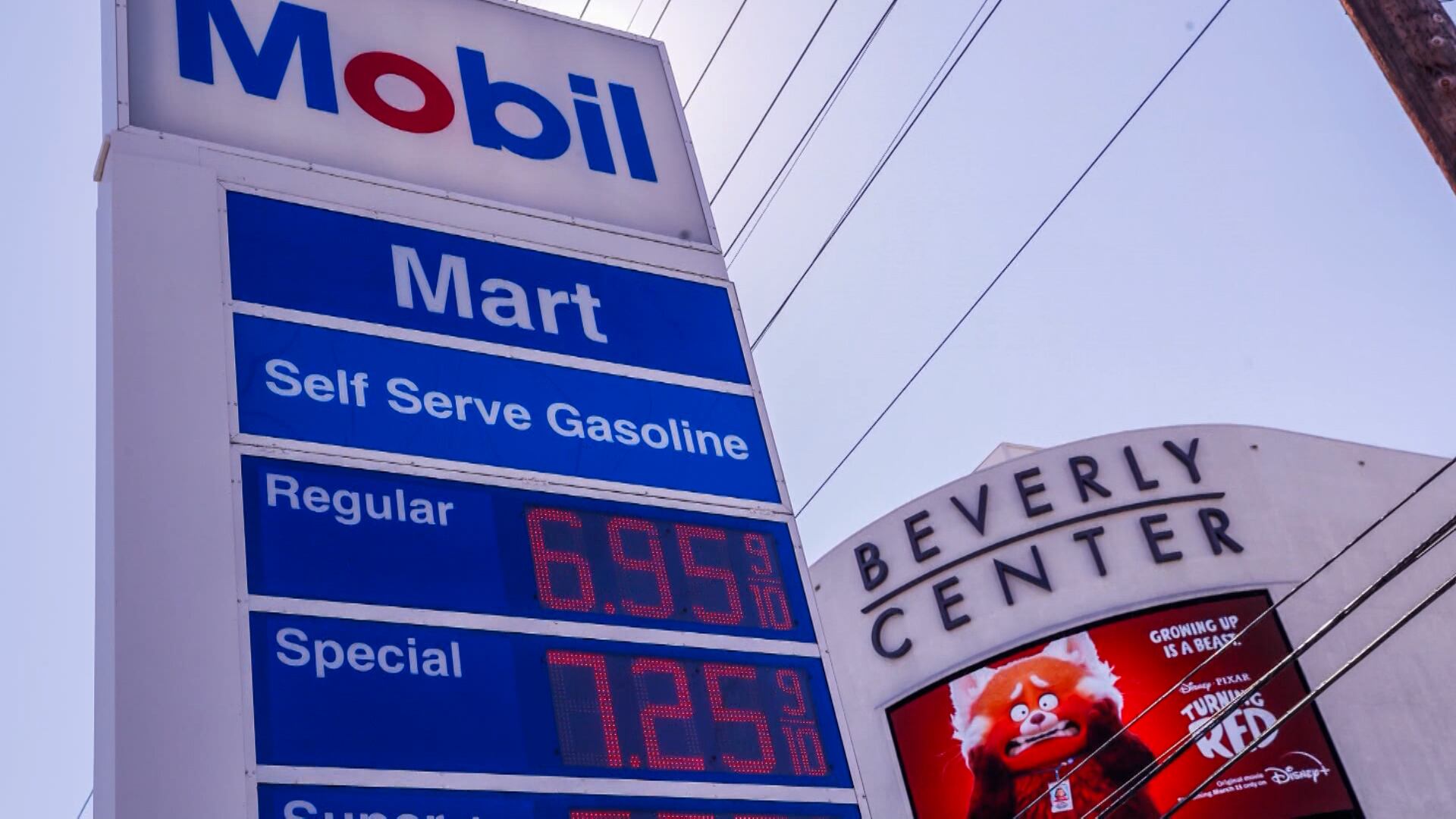
President Biden is looking at unlikely partners to buy oil, after banning all Russian energy imports. Among them is Venezuela, a regime that has been sanctioned by the U.S. since 2019. Ariel Cohen of the Atlantic Council explains to Cheddar News why that might not be a bad choice.