President Joe Biden called on Congress Friday to "swiftly" pass the COVID-19 Hate Crimes Act days after six Asian American women were killed in Georgia.
The bill, sponsored by Rep. Grace Meng (D-N.Y, District 6), would create a position at the Justice Department that would specifically deal with handling and reviewing hate crimes related to the pandemic. A recent study by the Center for the Study of Hate and Extremism at the California State University, San Bernardino, found that although hate crimes dropped overall in the U.S. in 2020, crimes against people of Asian descent jumped nearly 150 percent. If passed, the new law would also expand resources dedicated to stopping these crimes.
"It also means working with law enforcement, training law enforcement to communicate with Asian American communities, and helping those communities be able to report those crimes," Rep. Mark Takano (D- Calif. 41st District) told Cheddar.
President Joe Biden and Vice President Kamala Harris met with Asian American leaders in Atlanta on Friday, three days after eight people were killed at area spas, six of the victims being women of Asian descent. Biden urged Congress to pass the legislation so the federal government can offer aid.
Takano noted that Biden has already signed executive orders directing agencies to turn their attention to the rise of violence against the Asian American and Pacific Islander communities. He said it will take strong leadership to guide the country in the right direction, noting the rhetoric Americans have heard from former President Donald Trump.
"This has been a huge change in tone from the last president," he said.
Americans need "leadership that doesn't use words like 'kung flu' or 'China virus' to describe a pathogen that comes from nature and therefore leave a whole population of Asian Americans subject to being stigmatized and blamed for something that they're not responsible for," Takano added.
The congressman said former President Trump's language toward Asians was simply an attempt to "distract from his low, inadequate ways."
Though the California representative said it is often difficult to prove hate crimes in a courtroom, creating systems where individuals can safely and confidently report incidents could help improve chances for more favorable outcomes.
"Regardless of what the assailant said, the murderer said, and how the local sheriff characterized it," said Takano, "It very much looks to those of us in the Asian community and broader, that this was really an attack on people based on their descent, their Asian-ness. But the legal standard is a much different thing."
The video game industry has come a long way from the first commercialized 3D video game in 1980, but it still has a long way to go. Video game creators have recently been called out for not having realistic Black hairstyles in their games and graphic artists are now taking matters into their own hands by creating The Open Source Afro Hair Library. Jovan Wilson, 3D artist and resident for The Open Source Afro Hair Library, joined All Hands to discuss.
Neil Young has come up with an ultimatum for Spotify: his music or Joe Rogan’s podcast. This comes over concerns that the podcast is spreading COVID-19 vaccine misinformation to its listeners. "The Joe Rogan Experience," which is exclusive to Spotify, is currently the number one streamed podcast on the platform.
The American Federation Teachers Union has announced its latest partnership with NewsGuard in efforts to help educators play a greater role in deciphering facts from fiction that students see online. They say the goal is to help students build critical-thinking skills while also teaching them the importance of media literacy. Executive Vice President of Partnerships at NewsGuard, Sarah Bandt, joined Cheddar to talk more.
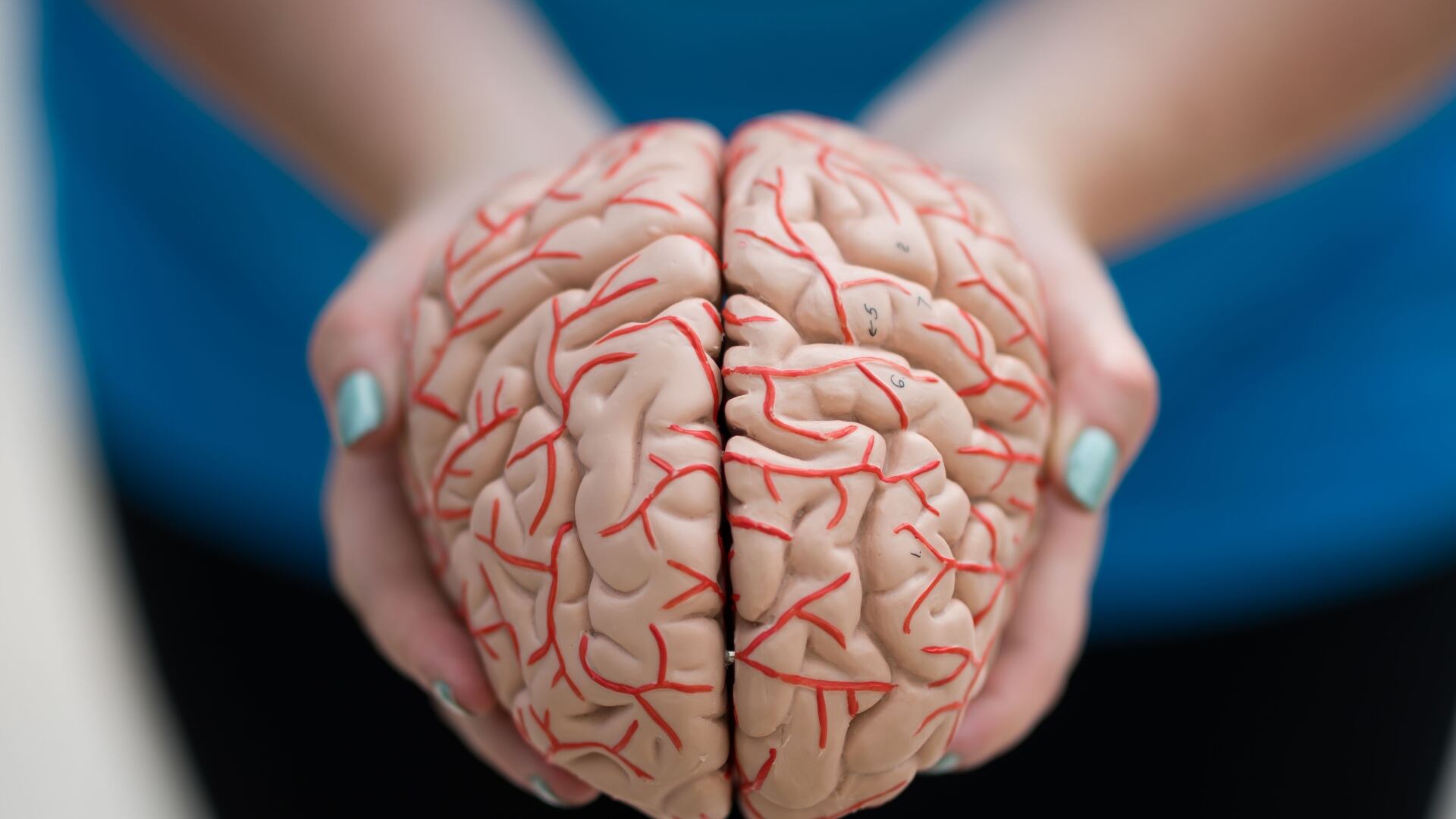
Doctor Caroline Leaf has created a 21-day program, consisting of five simple, but mindful, steps designed to rid our minds of toxic thoughts, anxiety, and depression. This brain detox is scientifically proven to impact one's happiness and success. Doctor Caroling Leaf, neuroscientist, author, and speaker at Switch Your Brain, joins Cheddar News to discuss.
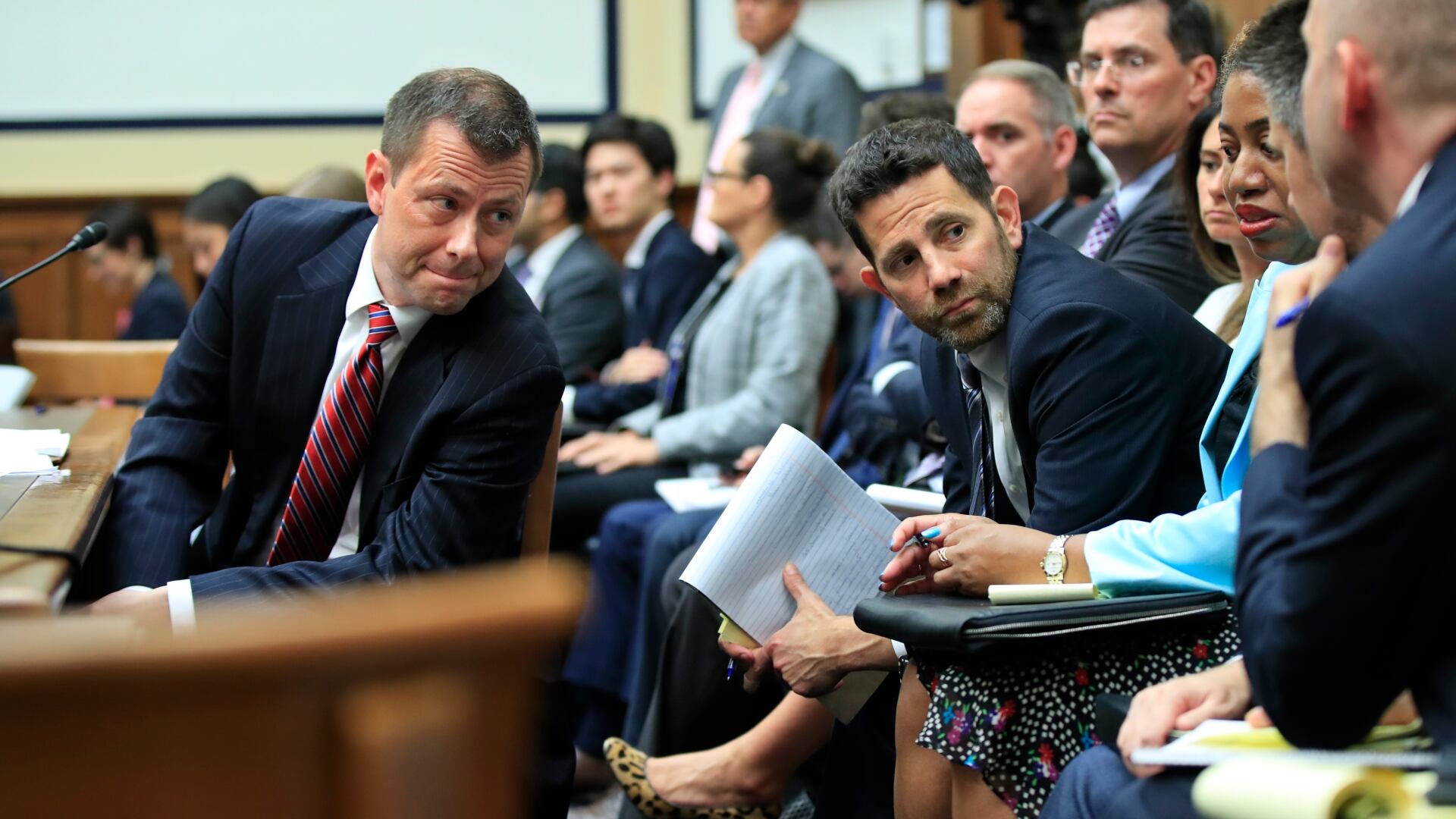
The memoir, "COMPROMISED: Counterintelligence and the Threat of Donald J. Trump", tells a familiar story from a bit of a different source: Peter Strzok himself, former FBI Counterintelligence Agents and Agency Veteran who spent most of his very long career investigating some of the most controversial inquiries, most notably in recent American history. Those inquiries were Hillary Clinton's email to even Trump Russia investigations. Former FBI Agent and Author of "Compromised" Peter Strzok, joined Cheddar to discuss more.
Foodable Labs data shows restaurants that started offering vegan options saw a 13% increase in traffic. According to this 2018 study, 51% of U.S. restaurants now offer vegan options, and we can expect that number to keep rising. This week, one plant-based, fast-casual restaurant celebrates the grand opening of their first brick-and-mortar store in New York City: PLNT Burger. Ben Kaplan, CEO of PLNT Burger, joins Cheddar News to discuss.
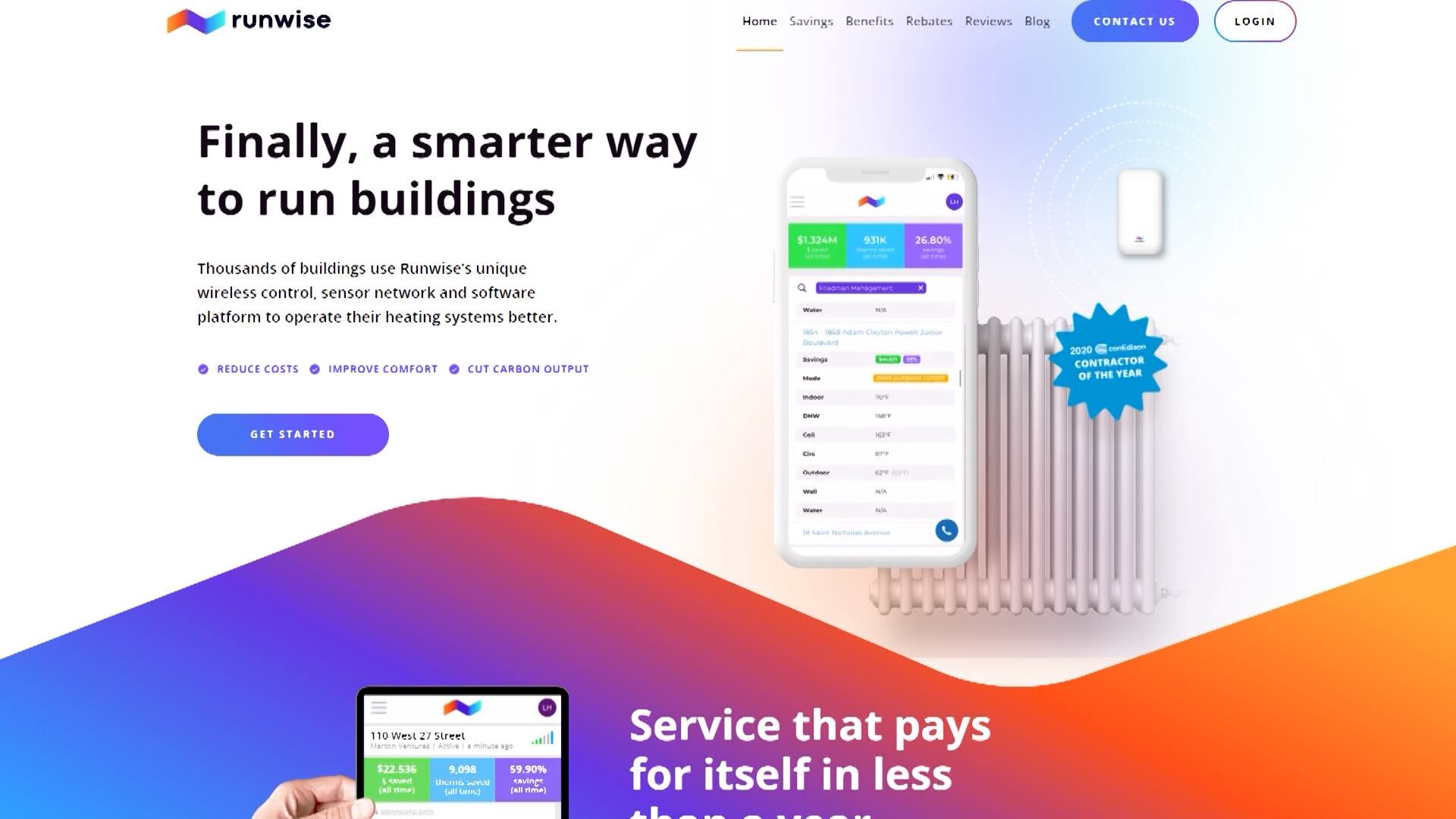
Commercial and residential buildings account for 13% of carbon emissions in the U.S., according to the EPA, and one company says it has a solution. Runwise says it has updated the boiler and heating systems of thousands of buildings, and that its technology not only lowers carbon output but also saves landlords money. Lee Hoffman, Co-Founder and COO of Runwise, joined Cheddar Climate to discuss.
Kirsten Jordan, real estate broker and star of 'Million Dollar Listing New York,' joins Cheddar News to talk about the state of New York City real estate, tips for homebuyers, and season 9 of the Bravo show.
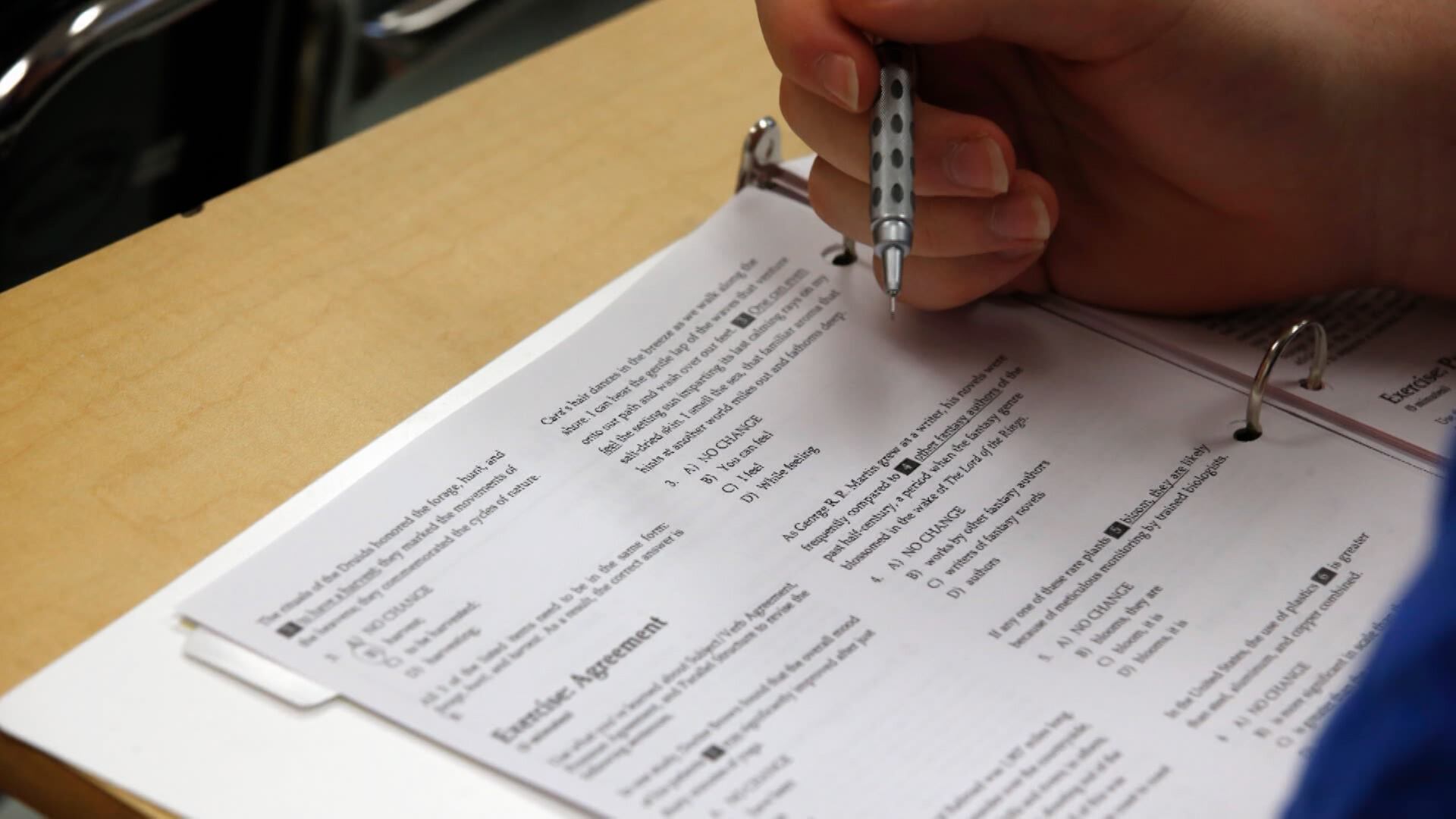
No. 2 pencils or Scantron bubble sheets are a thing of the past for the SATs. Priscilla Rodriguez, head of college readiness assessment for the College Board, joined Cheddar News Wrap to talk about the modern overhaul of the college entrance exam. On top of the change to an all-digital format and shorter time limit, the latest iteration will feature updates to help with flexibility and security. "As we've built our own digital testing platform, the app the students will do this on, we built this with security at the core," Rodriguez said. "And, in going digital we can do something we can't do today, which is, give every student who's taking the SAT, let's say in a given day, even in a given room in a school, a different version of the SAT."